Skip to content
You’ll discover how to design understandable, useful, and engaging digital products and become a well-rounded User Experience (UX) professional.

A photo of a person typing on computer taken from behind. Another person's head can be seen at the right edge of the photo
Type
Graduate, MS
Start Term
Fall or Spring
Credits
36
Duration
2 years (typically)
Courses
Plan of Study
Prof. Craig MacDonald with students

Information Experience Design, MS

The Master of Science in Information Experience Design (IXD) program is an innovative blend of the information science (IS), human-computer interaction (HCI), and user experience (UX) disciplines. The IXD program educates students and prepares them for careers in the rapidly growing UX profession, which includes UX designers, information architects, interaction designers, UX researchers, usability analysts, and content strategists.

With its empathetic, research-based, and human-centered approach to technology design, the IXD program teaches students to be well-rounded UX professionals who are not just strong designers but also skilled researchers, communicators, and strategists.
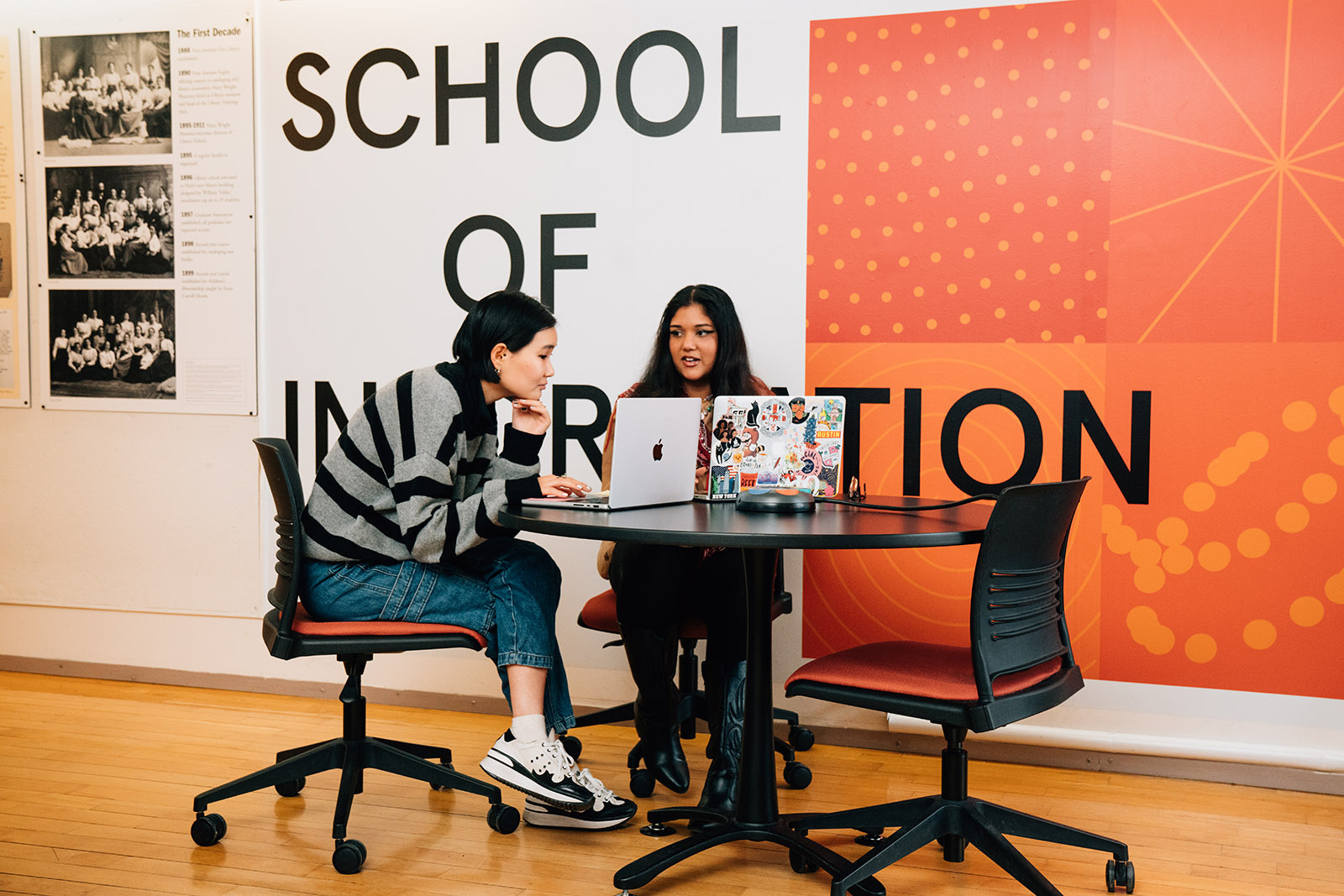

Prof. Nancy Smith with students

Our Faculty

Our faculty consists of full-time faculty, who are researchers and scholars holding doctoral degrees, and our part-time faculty, who are accomplished professionals holding a range of roles in New York City institutions and companies. Full-time faculty members act as advisors to students, help connect career goals with the program curriculum, and teach over half of the courses.

Faculty List and Bios

Select faculty teaching courses in the Information Experience Design program include:

Craig MacDonald

Professor

Person

Nancy Smith

Associate Professor

Person

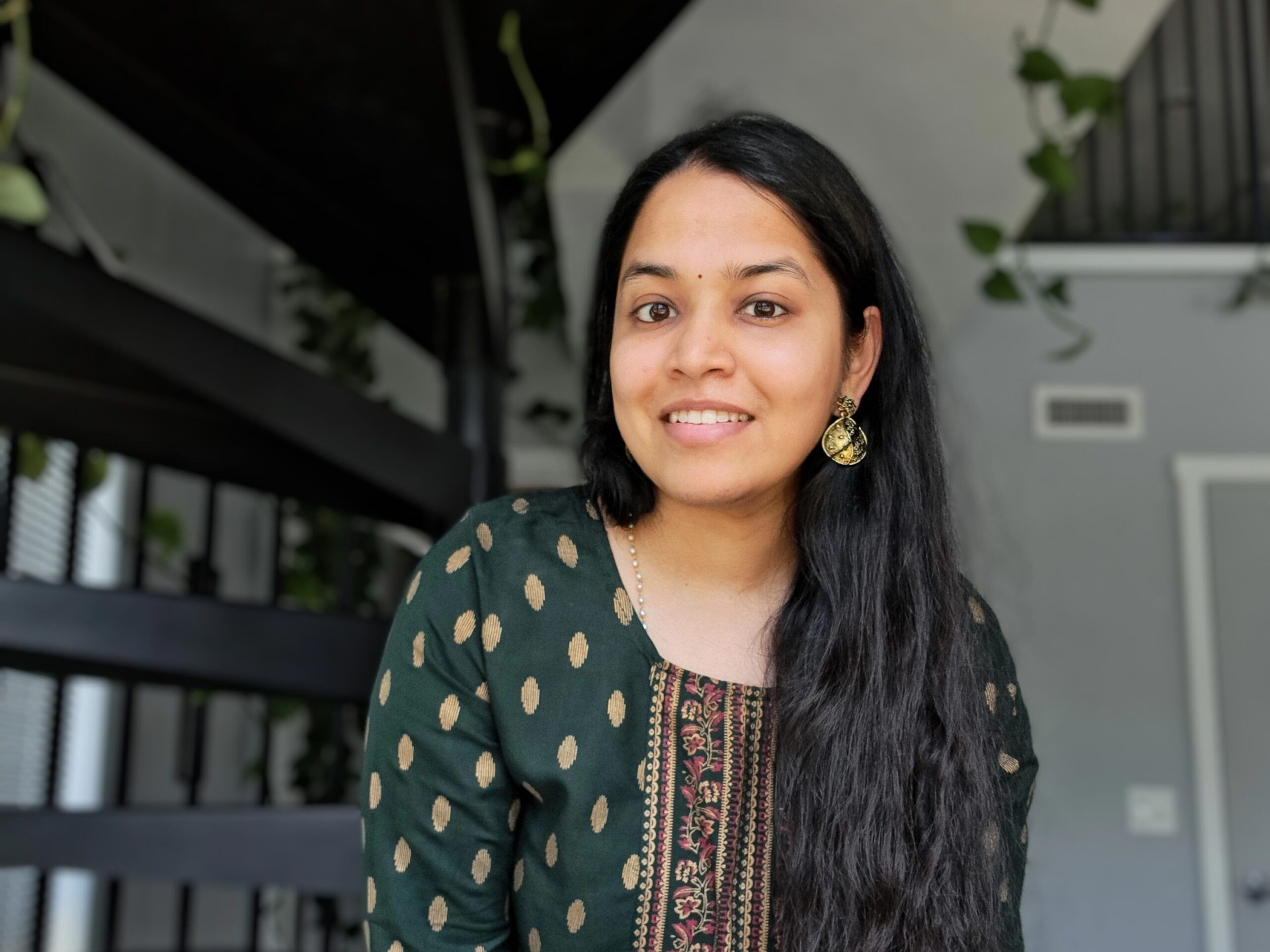
Sai Shruthi Chivukula

Assistant Professor

Person

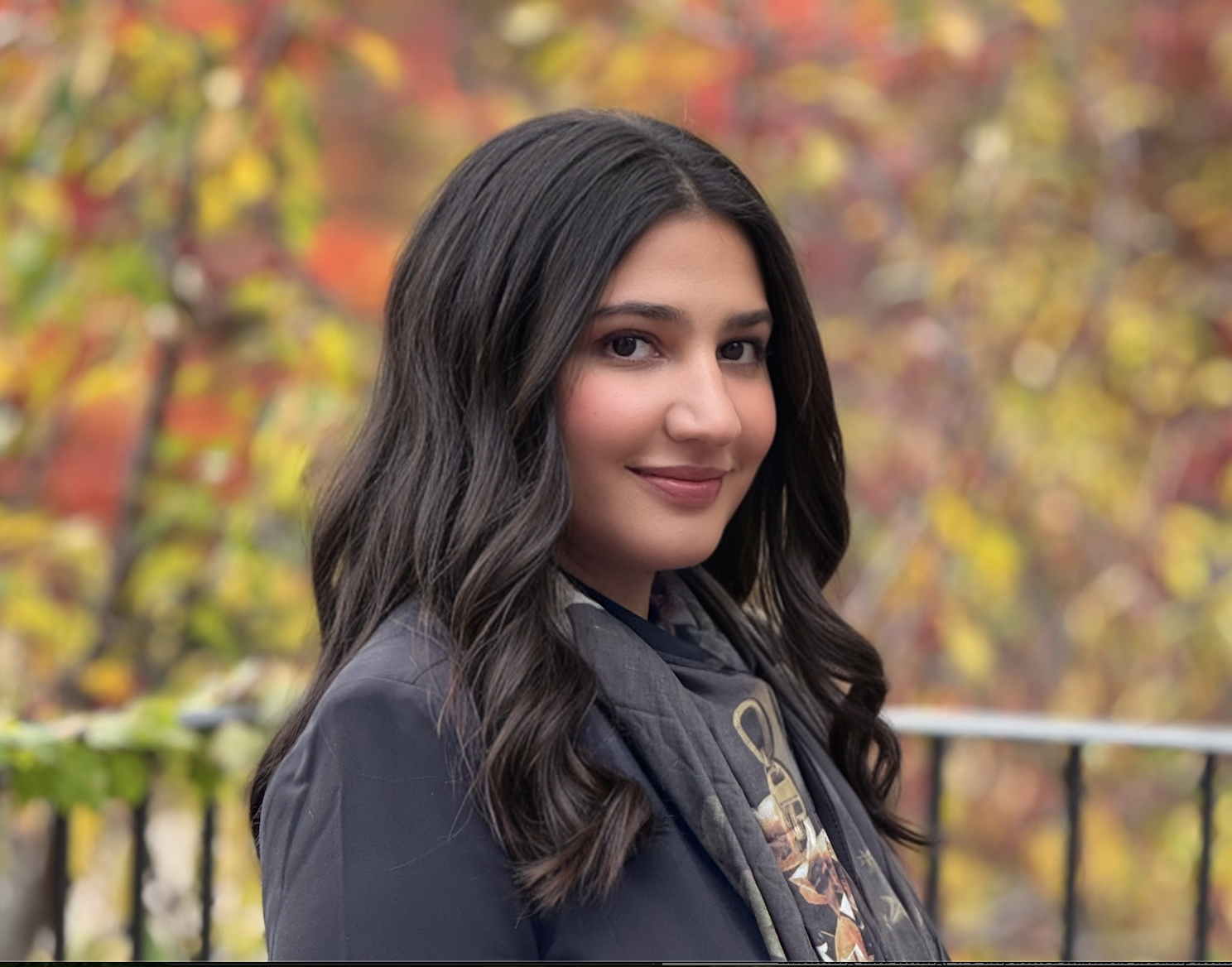
Rahaf Alharbi

Assistant Professor

Person

Student Work

Additional student work can be found on the IXD@Pratt blog and the Center for Digital Experiences website, which organizes client-based projects for IXD courses.
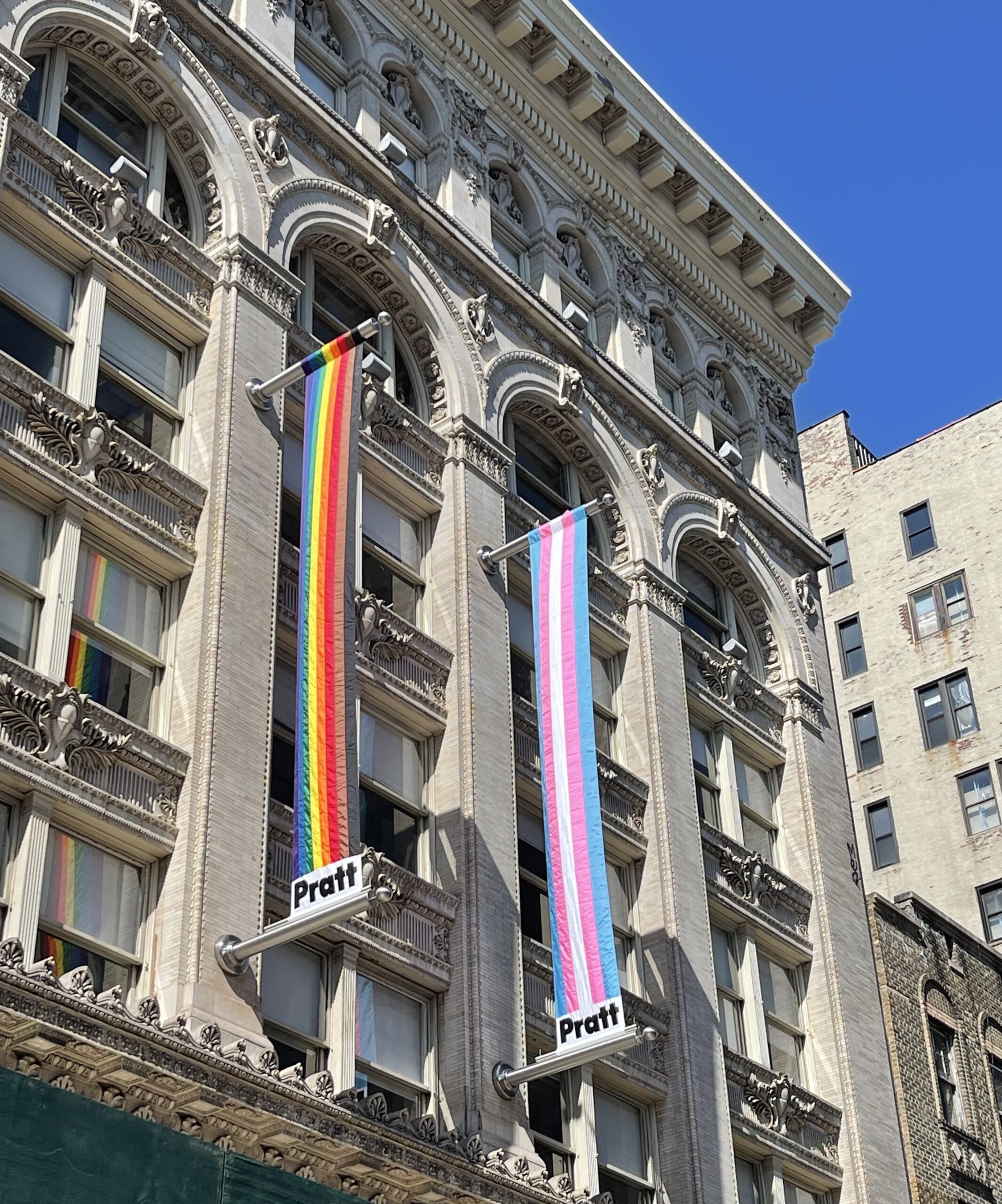
Pratt’s School of Information

We reimagine information and technology to design more equitable, resilient and diverse futures. Motivated by our vision and mission, we are not only the oldest information school in North America, we are a forward-looking and data-driven school, committed to the success of our students and furthering diversity, equity, and inclusion

More about Pratt’s iSchool

Location and Facilities

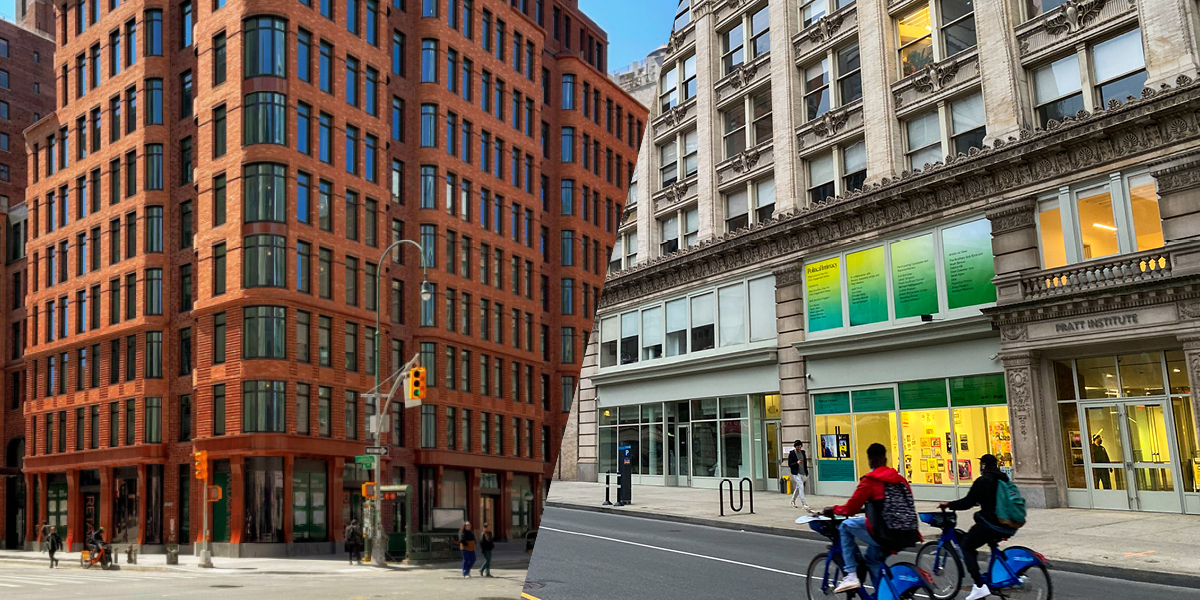
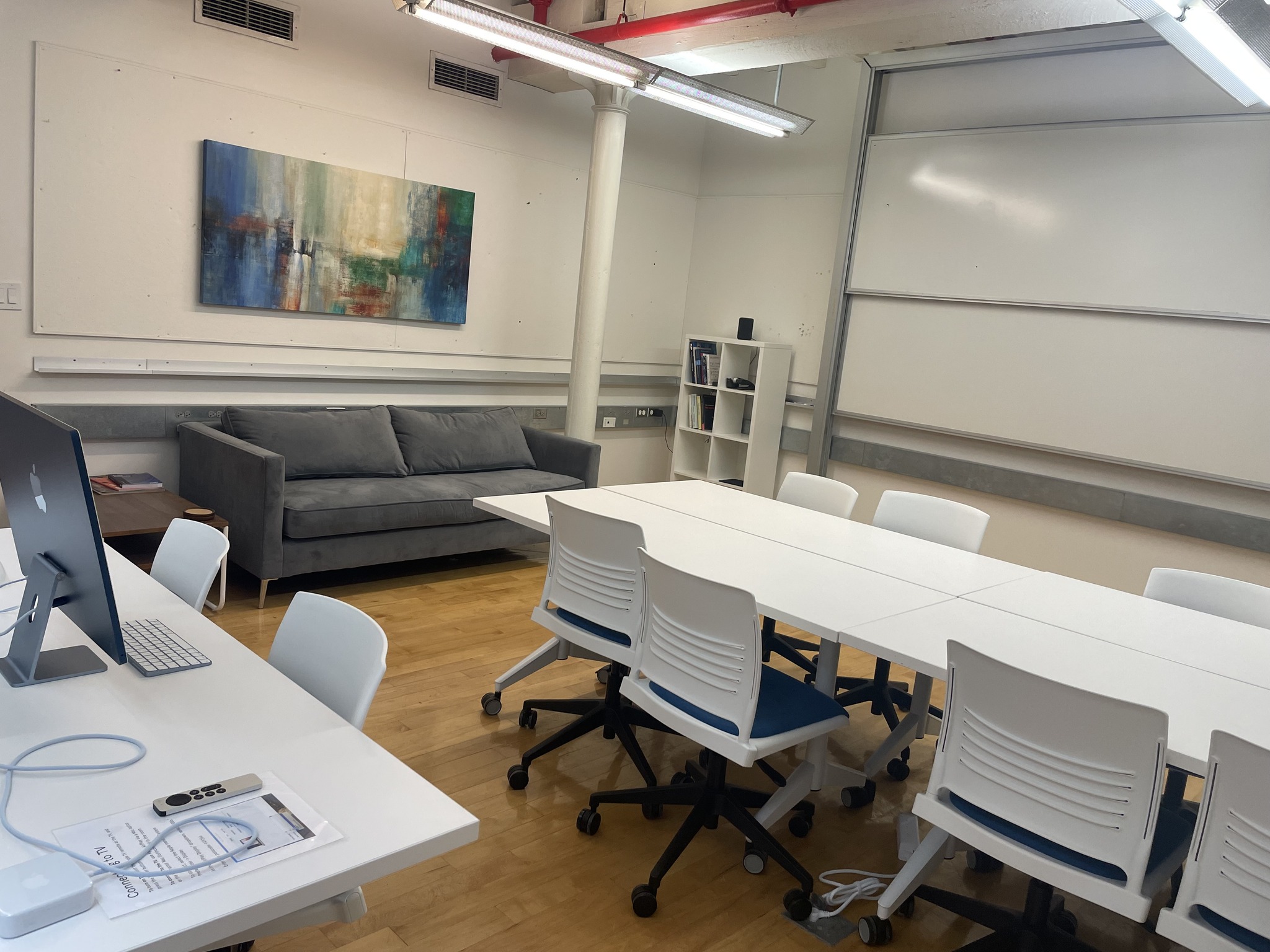
Located at the crossroads of the Greenwich Village and Chelsea neighborhoods, our home at Pratt Manhattan Center offers an excellent environment that provides easy access to all that New York City has to offer. Our specialized facilities facilitate our hands-on curriculum: from usability eye-tracking studies to archival reformatting projects and beyond. Specialized facilities designed specifically to support our IXD program include:

Connect with Us

Connect with the School of Information on Instagram, Facebook, sign-up for our newsletter, or contact us.

@prattischool
Pratt iSchool

@prattischool

@PrattInstitute School of Information (iSchool) - We reimagine information and technology to design more equitable, resilient and diverse futures.
  • Visit the Earth Day Poster exhibition on the 6th Floor of Pratt Manhattan Center on 14th St! From optimism to urgency, the Earth Day Poster exhibition traces how artists and designers have visualized our relationship to the planet, shifting from celebration to warning.

In Happy Earth Day, New York (1992), Paula Scher transforms the Empire State Building into a sunflower, an emblem of a time when environmentalism felt hopeful. By contrast, Countdown to Mass Extinction (2022) by Winston Tseng grabs familiar pop imagery to expose the accelerating realities of climate collapse. Milton Glaser’s Give Earth a Chance (1970), echoing the fragile beauty of Earth from space, Seymour Chwast’s A Cloudy Morning Earth Day '95, where the gas mask becomes an unsettling everyday object, Amos Kennedy’s Rise for Climate, Jobs, and Justice (2018), centering environmental justice and inequality, Hans Erni’s Save Our Water (1961), an early, haunting vision of pollution’s consequences

Together, these works ask: What does Earth Day mean to you? ♻️

Organized by the School of Information Sustainability Committee.
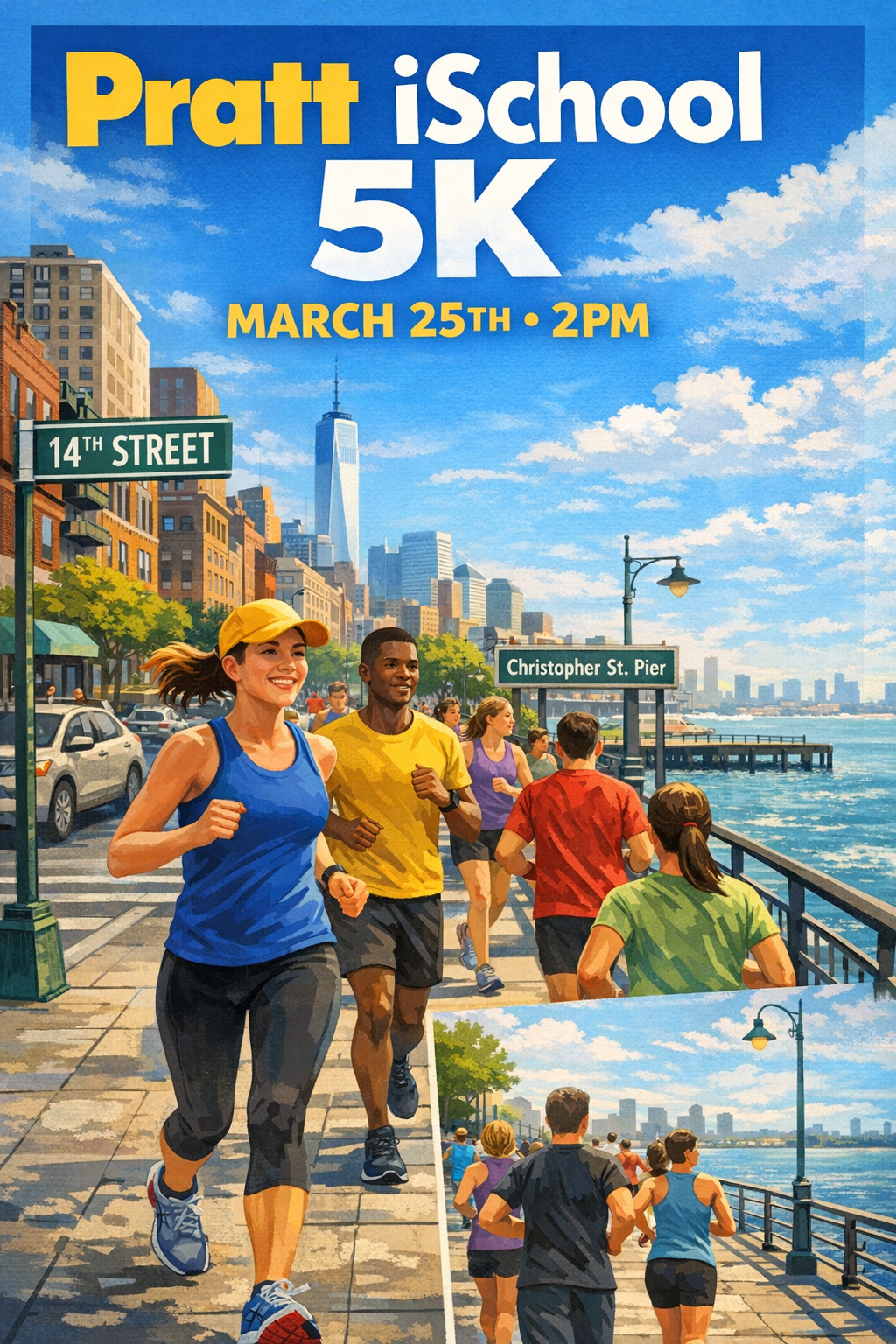
  • The School of Information Health & Wellness Committee is organizing the first ever Pratt iSchool 5K on Wednesday, March 25th at 2pm. The run will start at PMC, take you a run down 14th St and Hudson River Park, loop around the Christopher St Pier, and finish back at PMC. The top three runners get a trophy and serious bragging rights. Walkers welcomed too!  Link available in our bio to register.

Image: Flyer with geographic oddities created by ai.pratt.edu
  • It's the School of Information March '26 newsletter with a faculty expansion in the area of Creative & Critical Computing and much more! Link available in our bio.

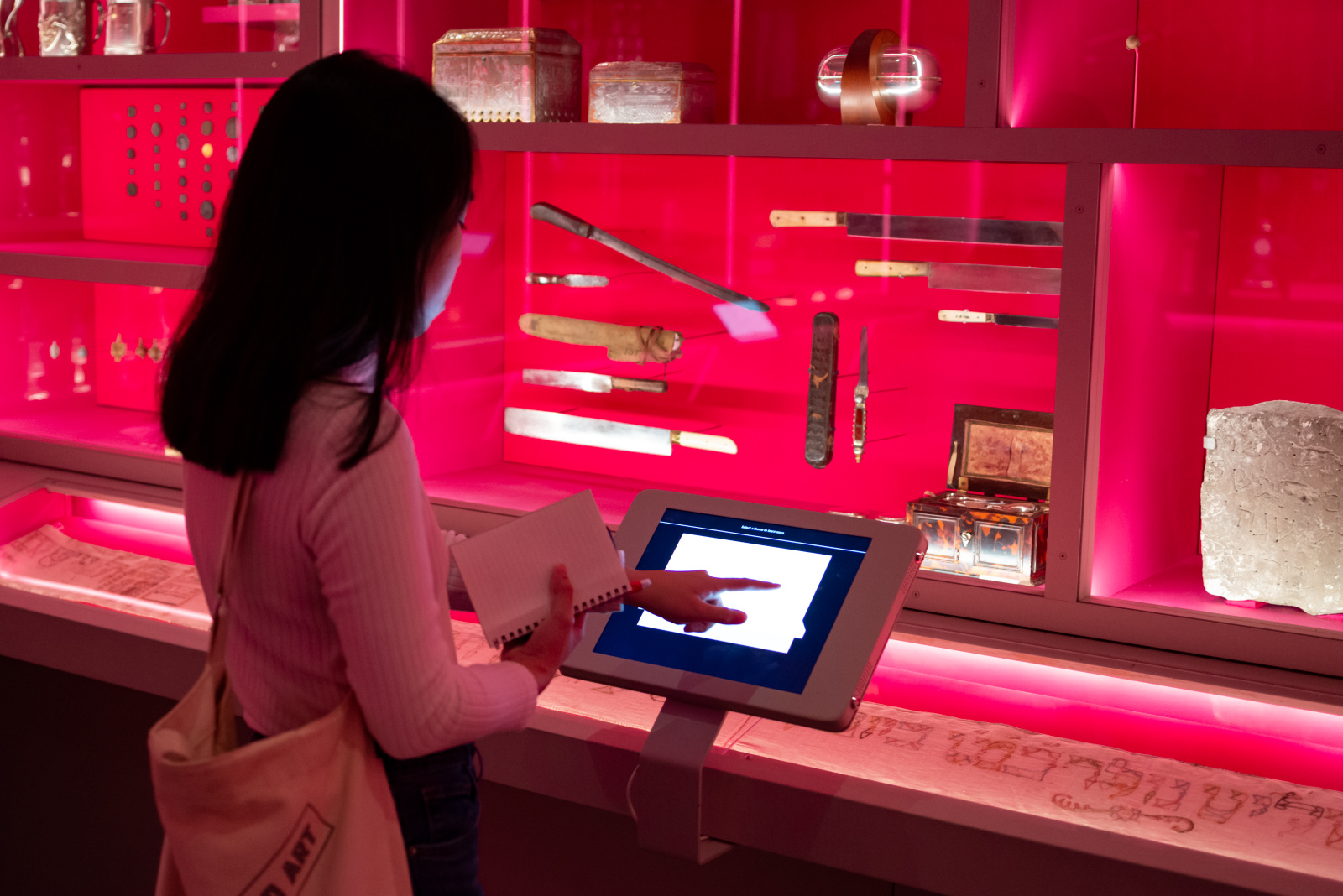
Image: Archives & Art Making Class visit to Pratt Institute Archives, Spring 2025. Photo by Dahlia Dandashi for PComm.
  • The School of Information Office will be closed December 23 and will reopen on January 5th.

Pratt Manhattan Center will be open during the holidays, including Christmas and News Year’s Day.

Happy Holidays,
Anthony, Quinn, Meredith, Nene, and the SI student employees
  • It’s the February ’24 School of Information Newsletter with a call for presenters at InfoShow24, updates on the Mission of the School and Curriculum, Students, Alumni & Faculty news, and more: https://madmimi.com/p/ccd8c81
  • Save the date - InfoShow24 is May 10th at 5p!
Visit the Earth Day Poster exhibition on the 6th Floor of Pratt Manhattan Center on 14th St! From optimism to urgency, the Earth Day Poster exhibition traces how artists and designers have visualized our relationship to the planet, shifting from celebration to warning.

In Happy Earth Day, New York (1992), Paula Scher transforms the Empire State Building into a sunflower, an emblem of a time when environmentalism felt hopeful. By contrast, Countdown to Mass Extinction (2022) by Winston Tseng grabs familiar pop imagery to expose the accelerating realities of climate collapse. Milton Glaser’s Give Earth a Chance (1970), echoing the fragile beauty of Earth from space, Seymour Chwast’s A Cloudy Morning Earth Day '95, where the gas mask becomes an unsettling everyday object, Amos Kennedy’s Rise for Climate, Jobs, and Justice (2018), centering environmental justice and inequality, Hans Erni’s Save Our Water (1961), an early, haunting vision of pollution’s consequences

Together, these works ask: What does Earth Day mean to you? ♻️

Organized by the School of Information Sustainability Committee.
Visit the Earth Day Poster exhibition on the 6th Floor of Pratt Manhattan Center on 14th St! From optimism to urgency, the Earth Day Poster exhibition traces how artists and designers have visualized our relationship to the planet, shifting from celebration to warning.

In Happy Earth Day, New York (1992), Paula Scher transforms the Empire State Building into a sunflower, an emblem of a time when environmentalism felt hopeful. By contrast, Countdown to Mass Extinction (2022) by Winston Tseng grabs familiar pop imagery to expose the accelerating realities of climate collapse. Milton Glaser’s Give Earth a Chance (1970), echoing the fragile beauty of Earth from space, Seymour Chwast’s A Cloudy Morning Earth Day '95, where the gas mask becomes an unsettling everyday object, Amos Kennedy’s Rise for Climate, Jobs, and Justice (2018), centering environmental justice and inequality, Hans Erni’s Save Our Water (1961), an early, haunting vision of pollution’s consequences

Together, these works ask: What does Earth Day mean to you? ♻️

Organized by the School of Information Sustainability Committee.
Visit the Earth Day Poster exhibition on the 6th Floor of Pratt Manhattan Center on 14th St! From optimism to urgency, the Earth Day Poster exhibition traces how artists and designers have visualized our relationship to the planet, shifting from celebration to warning.

In Happy Earth Day, New York (1992), Paula Scher transforms the Empire State Building into a sunflower, an emblem of a time when environmentalism felt hopeful. By contrast, Countdown to Mass Extinction (2022) by Winston Tseng grabs familiar pop imagery to expose the accelerating realities of climate collapse. Milton Glaser’s Give Earth a Chance (1970), echoing the fragile beauty of Earth from space, Seymour Chwast’s A Cloudy Morning Earth Day '95, where the gas mask becomes an unsettling everyday object, Amos Kennedy’s Rise for Climate, Jobs, and Justice (2018), centering environmental justice and inequality, Hans Erni’s Save Our Water (1961), an early, haunting vision of pollution’s consequences

Together, these works ask: What does Earth Day mean to you? ♻️

Organized by the School of Information Sustainability Committee.
Visit the Earth Day Poster exhibition on the 6th Floor of Pratt Manhattan Center on 14th St! From optimism to urgency, the Earth Day Poster exhibition traces how artists and designers have visualized our relationship to the planet, shifting from celebration to warning.

In Happy Earth Day, New York (1992), Paula Scher transforms the Empire State Building into a sunflower, an emblem of a time when environmentalism felt hopeful. By contrast, Countdown to Mass Extinction (2022) by Winston Tseng grabs familiar pop imagery to expose the accelerating realities of climate collapse. Milton Glaser’s Give Earth a Chance (1970), echoing the fragile beauty of Earth from space, Seymour Chwast’s A Cloudy Morning Earth Day '95, where the gas mask becomes an unsettling everyday object, Amos Kennedy’s Rise for Climate, Jobs, and Justice (2018), centering environmental justice and inequality, Hans Erni’s Save Our Water (1961), an early, haunting vision of pollution’s consequences

Together, these works ask: What does Earth Day mean to you? ♻️

Organized by the School of Information Sustainability Committee.
Visit the Earth Day Poster exhibition on the 6th Floor of Pratt Manhattan Center on 14th St! From optimism to urgency, the Earth Day Poster exhibition traces how artists and designers have visualized our relationship to the planet, shifting from celebration to warning.

In Happy Earth Day, New York (1992), Paula Scher transforms the Empire State Building into a sunflower, an emblem of a time when environmentalism felt hopeful. By contrast, Countdown to Mass Extinction (2022) by Winston Tseng grabs familiar pop imagery to expose the accelerating realities of climate collapse. Milton Glaser’s Give Earth a Chance (1970), echoing the fragile beauty of Earth from space, Seymour Chwast’s A Cloudy Morning Earth Day '95, where the gas mask becomes an unsettling everyday object, Amos Kennedy’s Rise for Climate, Jobs, and Justice (2018), centering environmental justice and inequality, Hans Erni’s Save Our Water (1961), an early, haunting vision of pollution’s consequences

Together, these works ask: What does Earth Day mean to you? ♻️

Organized by the School of Information Sustainability Committee.
Visit the Earth Day Poster exhibition on the 6th Floor of Pratt Manhattan Center on 14th St! From optimism to urgency, the Earth Day Poster exhibition traces how artists and designers have visualized our relationship to the planet, shifting from celebration to warning.

In Happy Earth Day, New York (1992), Paula Scher transforms the Empire State Building into a sunflower, an emblem of a time when environmentalism felt hopeful. By contrast, Countdown to Mass Extinction (2022) by Winston Tseng grabs familiar pop imagery to expose the accelerating realities of climate collapse. Milton Glaser’s Give Earth a Chance (1970), echoing the fragile beauty of Earth from space, Seymour Chwast’s A Cloudy Morning Earth Day '95, where the gas mask becomes an unsettling everyday object, Amos Kennedy’s Rise for Climate, Jobs, and Justice (2018), centering environmental justice and inequality, Hans Erni’s Save Our Water (1961), an early, haunting vision of pollution’s consequences

Together, these works ask: What does Earth Day mean to you? ♻️

Organized by the School of Information Sustainability Committee.
Visit the Earth Day Poster exhibition on the 6th Floor of Pratt Manhattan Center on 14th St! From optimism to urgency, the Earth Day Poster exhibition traces how artists and designers have visualized our relationship to the planet, shifting from celebration to warning.

In Happy Earth Day, New York (1992), Paula Scher transforms the Empire State Building into a sunflower, an emblem of a time when environmentalism felt hopeful. By contrast, Countdown to Mass Extinction (2022) by Winston Tseng grabs familiar pop imagery to expose the accelerating realities of climate collapse. Milton Glaser’s Give Earth a Chance (1970), echoing the fragile beauty of Earth from space, Seymour Chwast’s A Cloudy Morning Earth Day '95, where the gas mask becomes an unsettling everyday object, Amos Kennedy’s Rise for Climate, Jobs, and Justice (2018), centering environmental justice and inequality, Hans Erni’s Save Our Water (1961), an early, haunting vision of pollution’s consequences

Together, these works ask: What does Earth Day mean to you? ♻️

Organized by the School of Information Sustainability Committee.
Visit the Earth Day Poster exhibition on the 6th Floor of Pratt Manhattan Center on 14th St! From optimism to urgency, the Earth Day Poster exhibition traces how artists and designers have visualized our relationship to the planet, shifting from celebration to warning.

In Happy Earth Day, New York (1992), Paula Scher transforms the Empire State Building into a sunflower, an emblem of a time when environmentalism felt hopeful. By contrast, Countdown to Mass Extinction (2022) by Winston Tseng grabs familiar pop imagery to expose the accelerating realities of climate collapse. Milton Glaser’s Give Earth a Chance (1970), echoing the fragile beauty of Earth from space, Seymour Chwast’s A Cloudy Morning Earth Day '95, where the gas mask becomes an unsettling everyday object, Amos Kennedy’s Rise for Climate, Jobs, and Justice (2018), centering environmental justice and inequality, Hans Erni’s Save Our Water (1961), an early, haunting vision of pollution’s consequences

Together, these works ask: What does Earth Day mean to you? ♻️

Organized by the School of Information Sustainability Committee.
Visit the Earth Day Poster exhibition on the 6th Floor of Pratt Manhattan Center on 14th St! From optimism to urgency, the Earth Day Poster exhibition traces how artists and designers have visualized our relationship to the planet, shifting from celebration to warning.

In Happy Earth Day, New York (1992), Paula Scher transforms the Empire State Building into a sunflower, an emblem of a time when environmentalism felt hopeful. By contrast, Countdown to Mass Extinction (2022) by Winston Tseng grabs familiar pop imagery to expose the accelerating realities of climate collapse. Milton Glaser’s Give Earth a Chance (1970), echoing the fragile beauty of Earth from space, Seymour Chwast’s A Cloudy Morning Earth Day '95, where the gas mask becomes an unsettling everyday object, Amos Kennedy’s Rise for Climate, Jobs, and Justice (2018), centering environmental justice and inequality, Hans Erni’s Save Our Water (1961), an early, haunting vision of pollution’s consequences

Together, these works ask: What does Earth Day mean to you? ♻️

Organized by the School of Information Sustainability Committee.
Visit the Earth Day Poster exhibition on the 6th Floor of Pratt Manhattan Center on 14th St! From optimism to urgency, the Earth Day Poster exhibition traces how artists and designers have visualized our relationship to the planet, shifting from celebration to warning.

In Happy Earth Day, New York (1992), Paula Scher transforms the Empire State Building into a sunflower, an emblem of a time when environmentalism felt hopeful. By contrast, Countdown to Mass Extinction (2022) by Winston Tseng grabs familiar pop imagery to expose the accelerating realities of climate collapse. Milton Glaser’s Give Earth a Chance (1970), echoing the fragile beauty of Earth from space, Seymour Chwast’s A Cloudy Morning Earth Day '95, where the gas mask becomes an unsettling everyday object, Amos Kennedy’s Rise for Climate, Jobs, and Justice (2018), centering environmental justice and inequality, Hans Erni’s Save Our Water (1961), an early, haunting vision of pollution’s consequences

Together, these works ask: What does Earth Day mean to you? ♻️

Organized by the School of Information Sustainability Committee.
Visit the Earth Day Poster exhibition on the 6th Floor of Pratt Manhattan Center on 14th St! From optimism to urgency, the Earth Day Poster exhibition traces how artists and designers have visualized our relationship to the planet, shifting from celebration to warning. In Happy Earth Day, New York (1992), Paula Scher transforms the Empire State Building into a sunflower, an emblem of a time when environmentalism felt hopeful. By contrast, Countdown to Mass Extinction (2022) by Winston Tseng grabs familiar pop imagery to expose the accelerating realities of climate collapse. Milton Glaser’s Give Earth a Chance (1970), echoing the fragile beauty of Earth from space, Seymour Chwast’s A Cloudy Morning Earth Day '95, where the gas mask becomes an unsettling everyday object, Amos Kennedy’s Rise for Climate, Jobs, and Justice (2018), centering environmental justice and inequality, Hans Erni’s Save Our Water (1961), an early, haunting vision of pollution’s consequences Together, these works ask: What does Earth Day mean to you? ♻️ Organized by the School of Information Sustainability Committee.
1 day ago
View on Instagram |
1/6
The School of Information Health & Wellness Committee is organizing the first ever Pratt iSchool 5K on Wednesday, March 25th at 2pm. The run will start at PMC, take you a run down 14th St and Hudson River Park, loop around the Christopher St Pier, and finish back at PMC. The top three runners get a trophy and serious bragging rights. Walkers welcomed too!  Link available in our bio to register.

Image: Flyer with geographic oddities created by ai.pratt.edu
The School of Information Health & Wellness Committee is organizing the first ever Pratt iSchool 5K on Wednesday, March 25th at 2pm. The run will start at PMC, take you a run down 14th St and Hudson River Park, loop around the Christopher St Pier, and finish back at PMC. The top three runners get a trophy and serious bragging rights. Walkers welcomed too! Link available in our bio to register. Image: Flyer with geographic oddities created by ai.pratt.edu
1 week ago
View on Instagram |
2/6
It's the School of Information March '26 newsletter with a faculty expansion in the area of Creative & Critical Computing and much more! Link available in our bio.

Image: Archives & Art Making Class visit to Pratt Institute Archives, Spring 2025. Photo by Dahlia Dandashi for PComm.
It's the School of Information March '26 newsletter with a faculty expansion in the area of Creative & Critical Computing and much more! Link available in our bio. Image: Archives & Art Making Class visit to Pratt Institute Archives, Spring 2025. Photo by Dahlia Dandashi for PComm.
2 weeks ago
View on Instagram |
3/6
The School of Information Office will be closed December 23 and will reopen on January 5th. Pratt Manhattan Center will be open during the holidays, including Christmas and News Year’s Day. Happy Holidays, Anthony, Quinn, Meredith, Nene, and the SI student employees
3 months ago
View on Instagram |
4/6
It’s the February ’24 School of Information Newsletter with a call for presenters at InfoShow24, updates on the Mission of the School and Curriculum, Students, Alumni & Faculty news, and more: https://madmimi.com/p/ccd8c81
2 years ago
View on Instagram |
5/6
Save the date - InfoShow24 is May 10th at 5p!
2 years ago
View on Instagram |
6/6

Upcoming and Ongoing Events

Ready for More?

HERE’S HOW TO APPLYGraduate Studies at PrattOUR CAMPUS & BEYOND
Join us at Pratt. Learn more about admissions requirements, plan your visit, talk to a counselor, and start your application. Take the next step.Whether your goal is to advance your career, pivot to a new field, or explore your craft or groundbreaking research, our 33 graduate programs provide the rigor and support to achieve your vision. Explore our graduate programs in architecture, fine arts, design, information studies, and the liberal arts and sciences.
Learn More.
You’ll find yourself at home at Pratt. Learn more about our residence halls, student organizations, athletics, gallery exhibitions, events, the amazing City of New York and our Brooklyn neighborhood communities. Check us out.