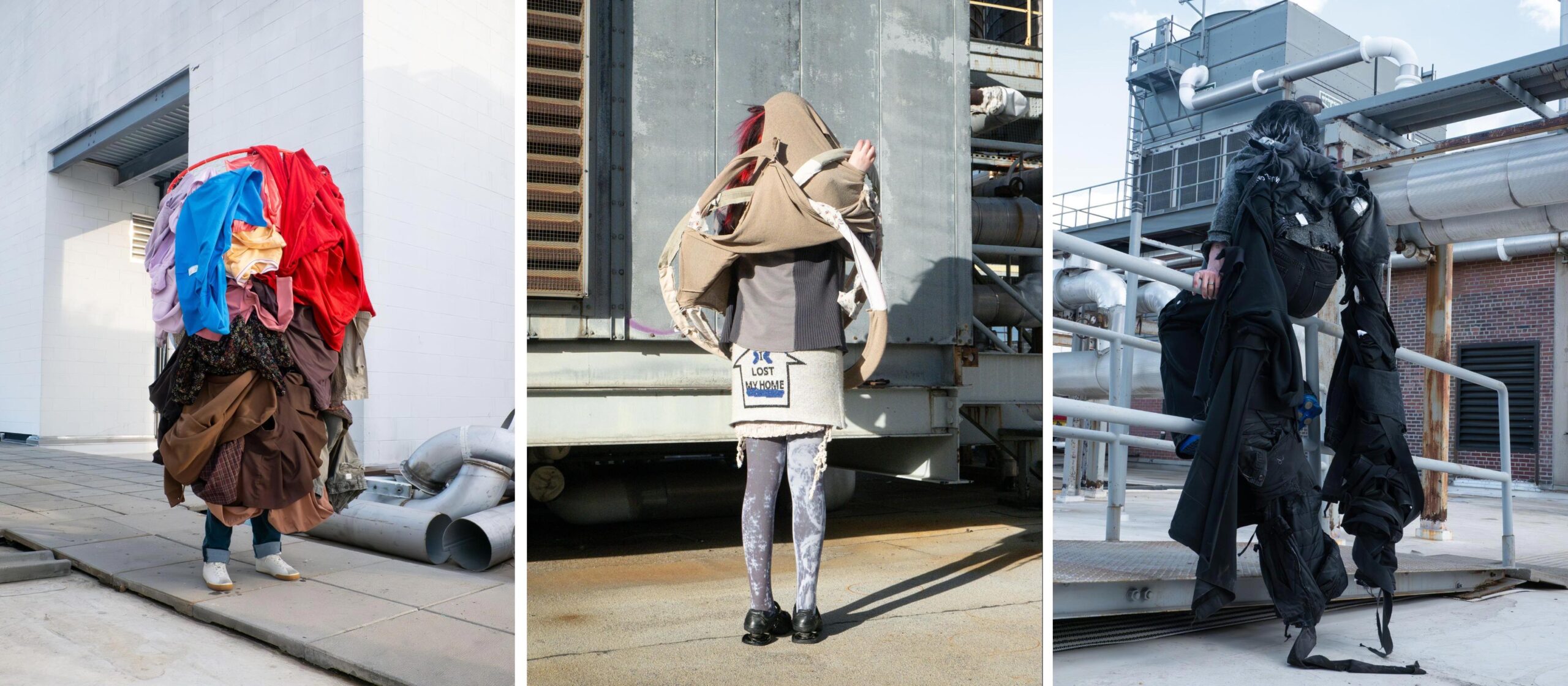
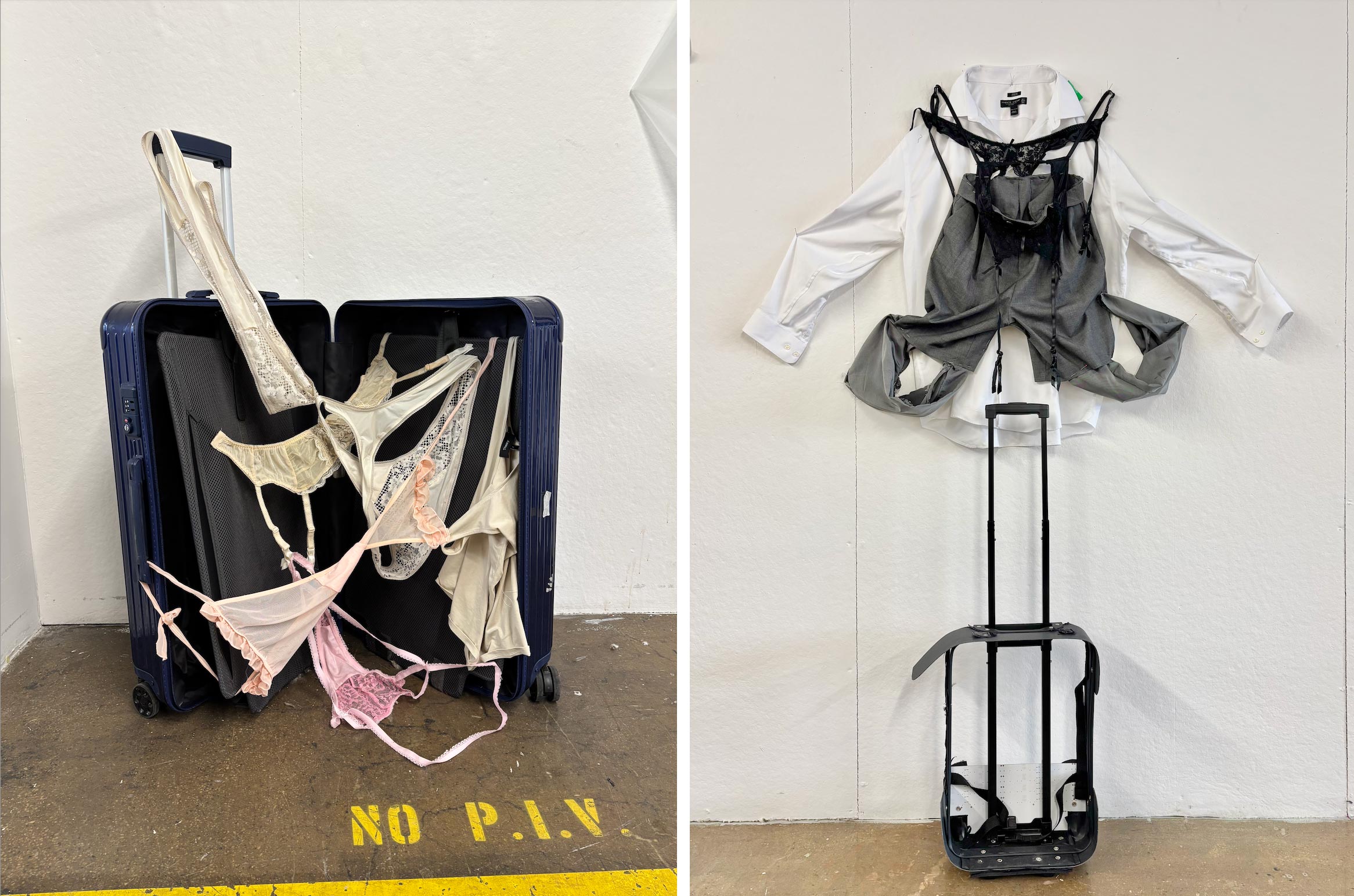
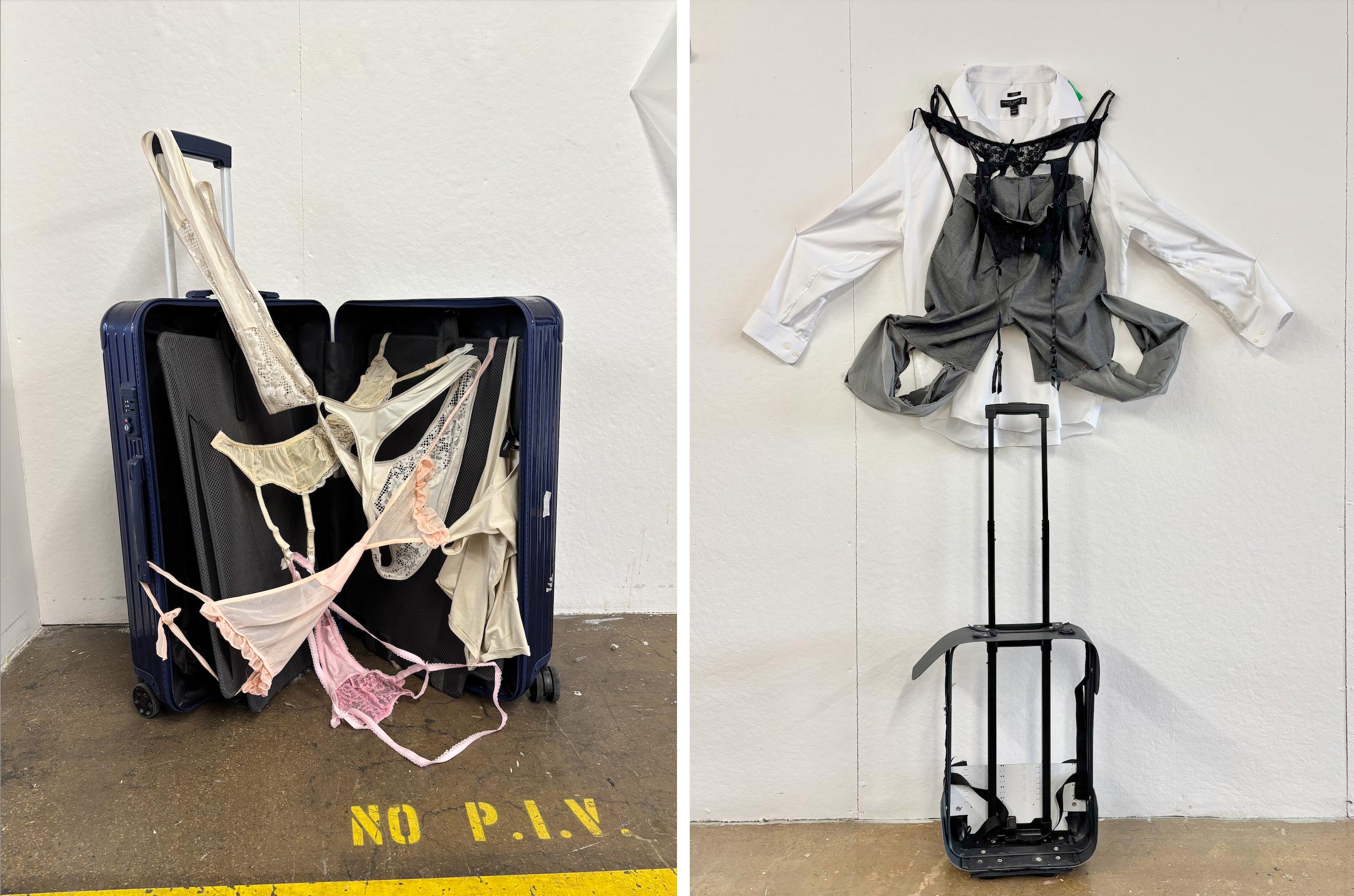
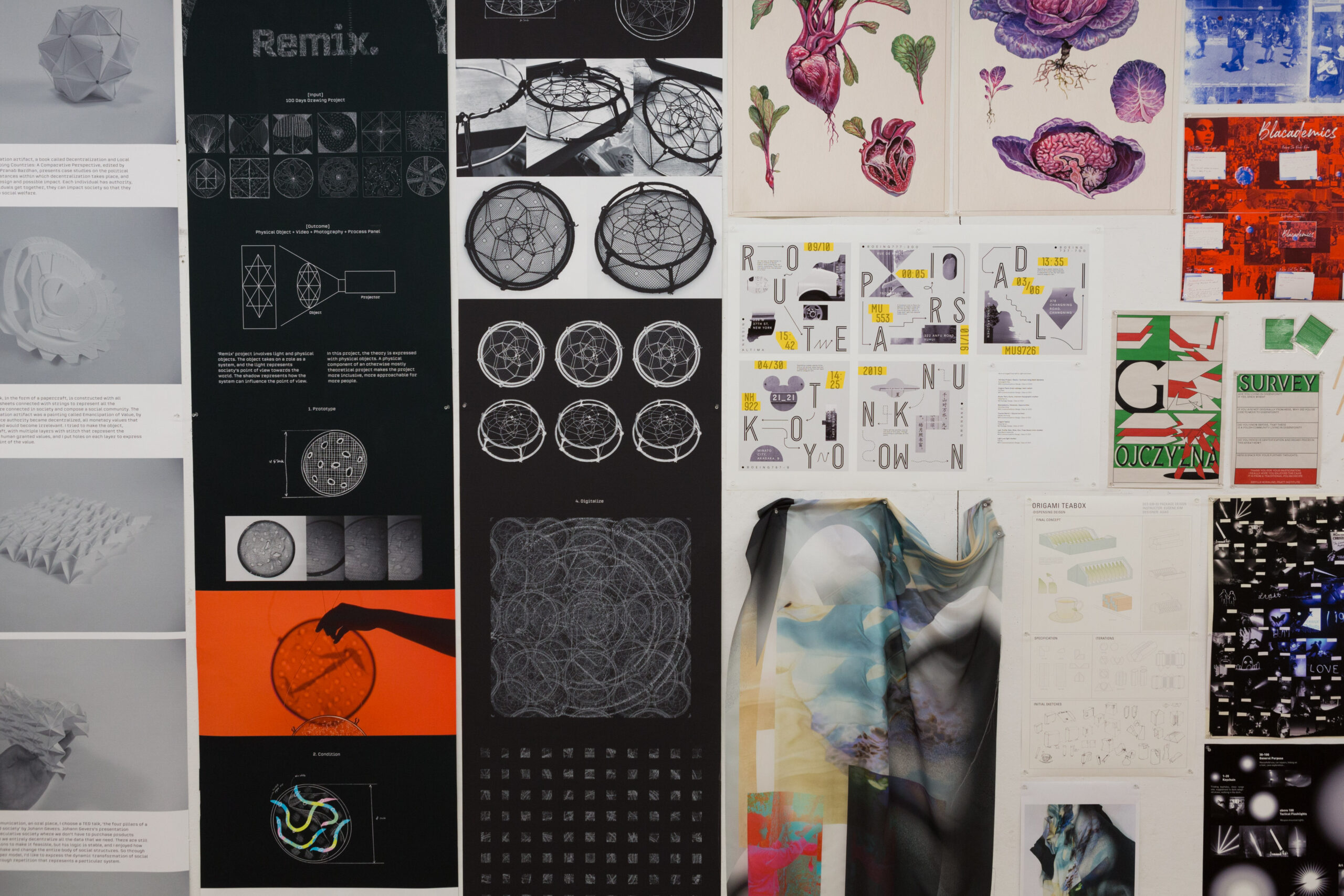
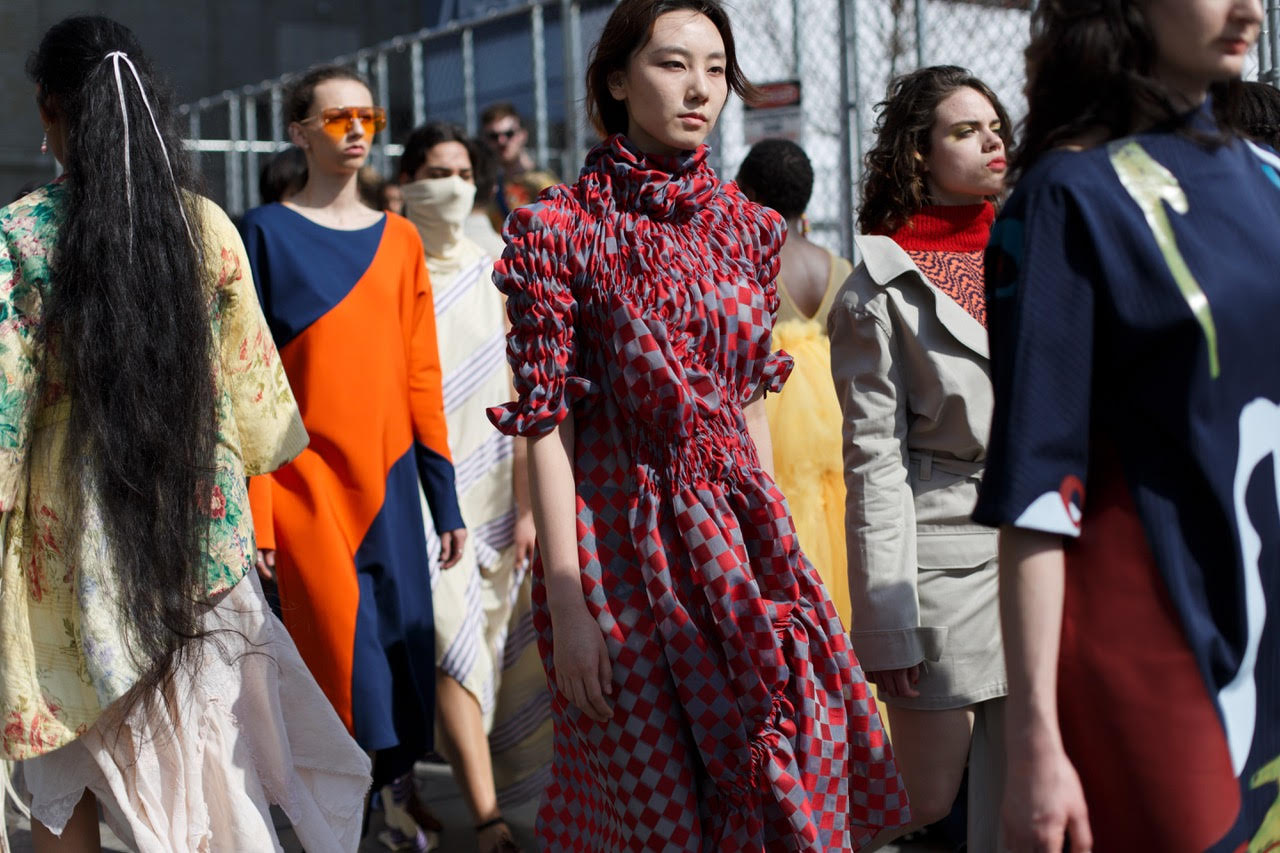
Fashion is an expression of our identity and identities and is in dialogue with culture and community. As a curious maker, you will engage in radical care-filled practices and develop the skills to be an advocate for change in the expansive industry called fashion.
Claire Kovchegov & Nandini Kunalkumar, Peillin Chen and Shine Liu. MFA Fashion Design + Communication 2026.
Applications are still being accepted through spring to join the program in fall 2027. Apply now.
Shape the Future of Fashion
Join a community of curious makers in a program that redefines advanced fashion design education, combining craft and social critique. The design studio is at the center of your experience, with core making studios complemented by non-studio courses in research practices, critical theory, and the study of global fashion systems and their social, cultural, and environmental impacts.
Develop a critically aware, craft-based practice that prepares you to make meaningful change in the world. Examine the concept of the fashion collection and explore how fashion communicates ideas and drives the cultural narrative. Emphasizing experimentation, creativity, and theoretical analysis, our program encourages you to both question and challenge conventional systems and explore global responses that engage the following:
circular systems, reparative and regenerative practices, and fair and dignified labor conditions
Traditional Ecological Knowledge (TEK)
social and environmental justice
intersections of identity, race, gender, sexuality, class, and culture
It’s time to rethink the materials we wear on our skin. Using tones of absurdity and satire, Eliza Corderman (MFA Fashion Design + Communication ’26) recontextualizes how we think about what we wear on our bodies in the name of health. As part of her broader campaign to draw attention to the materiality of our clothing, this piece reflects on the relationship between fabric and skin, transforming the synthetic and potentially harmful composition of athletic apparel into the key ingredients of a body lotion. Video Credit: Eliza Corderman.Linhan (Angelina) Xu. Between Restraint and Flow. The Body as a Site of Chinese Calligraphy, Tai Chi, and Knots. MFA Fashion Design + Communication 2026. Credit: Linhan (Angelina) Xu
A Vibrant, Collaborative Community in NYC
Our inclusive community encourages creativity, critical inquiry, and innovation. We ensure students feel supported as they take radical positions on sustainability, justice, and cultural relevance. Students collaborate, discovering complementary skills and expanding their communities from the classroom outward. Through their work with local makers and artisans in NYC, students learn how to build sustainable networks for creating fashion—lessons that can be adapted to cultivating communities around the world.
A Bespoke and Interdisciplinary Experience
Create your own path and cultivate your creative voice through transdisciplinary learning. Our program is flexible, allowing you to explore a variety of dynamic electives and tailor your education to your areas of focus through research, studio-based work, and self-directed study.
Care-Filled and Contemplative Practices
Contemplative practices allow you to consider the interconnectedness of humans, living organisms, and the environment in the fashion cycle. Students reflect on and acknowledge the significant impact of human activity on their surroundings and the environment and move beyond a purely human-centric view of fashion as a system.
State-of-the-Art Facilities
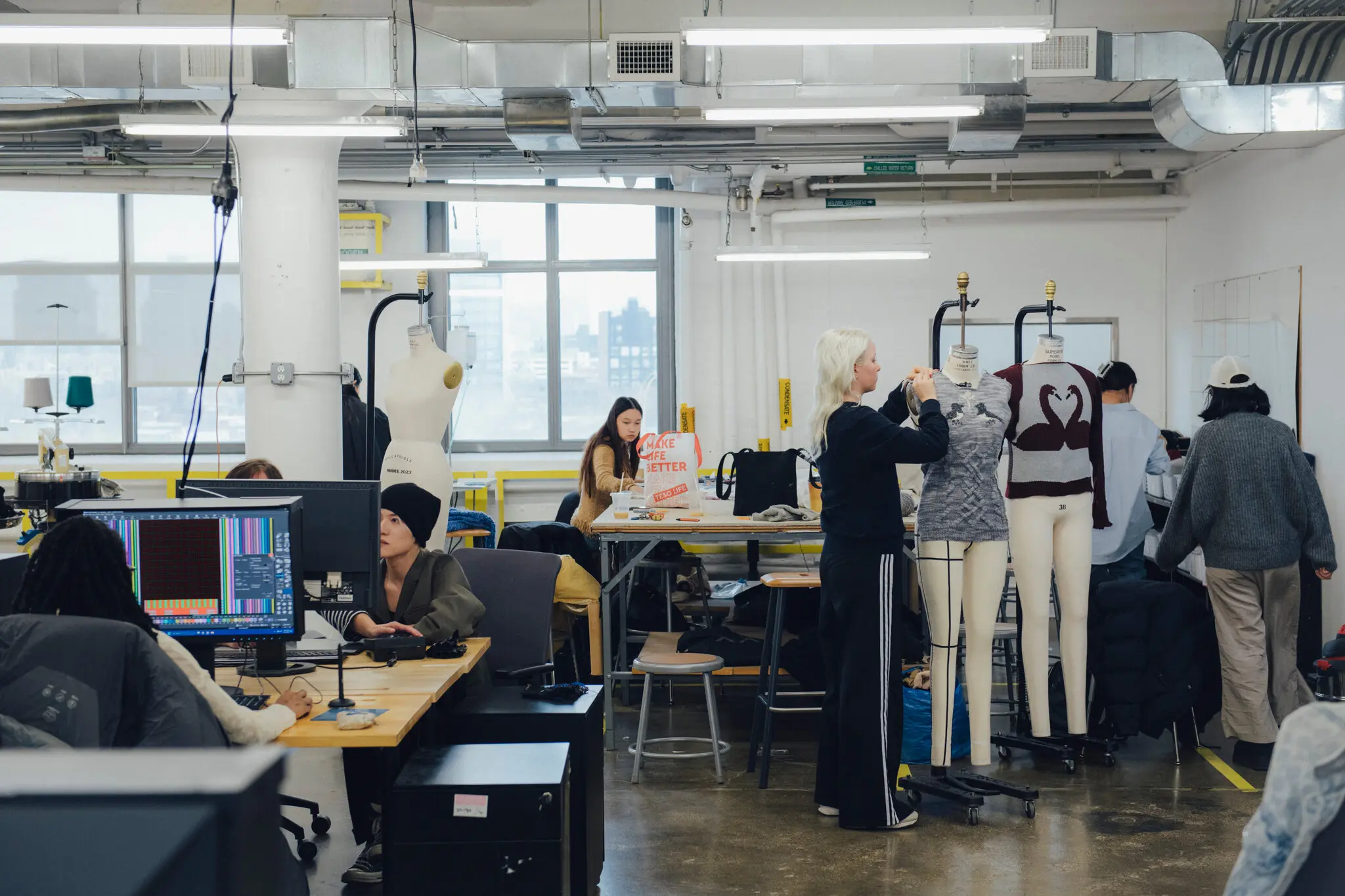
Our world-class studios and labs provide a variety of resources, including advanced tools such as Shima Seiki 3-D knitting machines, 3-D printers, laser cutters, and Framis NOSO technology. In addition, Pratt students have access to the Material Lab, Textile Research Library, and our transportive Textile Dye Garden right on campus. Explore facilities.
Students at work in the knit lab at Pratt. George Etheredge for The New York Times
Our Faculty
Pratt’s faculty of outstanding creative professionals and scholars share a common desire to fully develop each student’s individual potential. The faculty come from diverse educational and professional backgrounds, including Susan Cianciolo, Jennifer Minniti, Dean Sidaway, Isa Rodrigues, and Jane B. Nord Professor of Fashion Design Byron Lars. See all Fashion Design faculty and administrators.
The Master of Fine Arts in Fashion Collection + Communication offers a dynamic trans-disciplinary pedagogical approach that spans design, theoretical analysis, and critical examination. The MFA provides a holistic redefining of advanced fashion design education with the core making studios buttressed by non-studio courses in research practices, critical theory, and the study of global fashion systems and their impacts and implications.
MISSION/PURPOSE
The MFA Fashion Collection + Communication program shapes fashion as an impactful means of communicating with and about the world. The pedagogy strengthens and fortifies students’ creative visions and design languages, highlighting both traditional methods of making and emerging design techniques. The MFA inspires students to form a conceptually rigorous practice that is in meaningful dialogue with critical inquiry in fashion and through trans-disciplinary engagement across Pratt Institute. Graduates of the program will redefine fashion practice as both craft and social critique.
Upon completion of their studies students will:
Shape, define and communicate visionary frameworks and forms of messaging that will have a positive and influential impact on fashion practice and promote a diverse and inclusive creative industry.
Establish expertise in fashion thinking through an expression of personal creative vision by applying interdisciplinary research methods and an engagement with global perspectives.
Generate work that challenges the complex impacts of the systems of production and function of fashion from manufacturing and labor practices to economic systems.
Cultivate a holistic approach to material choices and ethically incorporate sustainable practices that address environmental issues and circularity.
Through research and studio-based practice develop and apply a methodology for creating a significant body of work that includes a diverse representation of identities and aesthetics.
Select Courses
This seminar will run concurrently with thesis development and culminate in the production of a compilation of the cohort’s MFA work. Through the building of The Book, the course will offer opportunities to explore styling and editorial storytelling, curation, examination of fashion theory through research and writing, among other 2D and 3D expressions. The Book will serve as a platform for the collective voice of the MFA student body, a place to contextualize and document individual perspectives while defining the community ethos of the program. All components of The Book are student-led, directed and produced by the class with faculty and cross-disciplinary support, offering an opportunity for collaboration through a dynamic multi-media presentation.
This course is the first of a three-part series designed to engage students in critical and reflective thinking on the practice of fashion design and the workings of the global fashion industry. In part one, students explore a range of contemporary issues and their effects on fashion as a cultural, social and artistic practice.
This course invites students to explore the intricate relationship between craft, design, sustainability, and labor through an interrogation of local fashion practice as a microcosm of the global fashion system. Through firsthand experiences in and around New York City, students will engage with local artisans, designers, and sustainability advocates, gaining insights into traditional techniques and contemporary innovations. Participants will examine the ethical implications of fashion production, focusing on sustainable materials and fair labor standards, while fostering a deeper appreciation for the cultural narratives that inform the ways in which craftsmanship is defined today.
Intern in NYC’s Fashion Industry
Gain direct exposure to and hands-on, professional studio experience in the New York fashion design industry through internships at top design companies, including Thom Browne, Alexander Wang, Luar, Monse, Three As Four, Kallmeyer, Tibi, Christian Siriano, Alicia Olive, and Oscar de la Renta. Fashion students are required to complete three credits of internship during their course of study. A Pratt faculty adviser guides each student throughout the experience.
Internships in Sustainable and Ethical Design
We encourage our students to collaborate with brands committed to ethical and ecologically conscious practices, empowering them to create garments that honor both the environment and the artistry of fashion. Brands include:
Founded by Sara Sakanaka, Considered Objects is a sustainable design label rooted in heritage, memory, and artisanal craft. Each one-of-a-kind piece is hand-sewn using reclaimed textiles, vintage kimono, and antique materials, honoring both tradition and personal history. With an intuitive, mindful process, the brand creates emotionally resonant garments that foster lasting connections between wearer and object
Loup Charmant pioneered responsible luxury by partnering with family-run organic cotton farms in India at a time when such materials were nearly impossible to source. Their commitment to sustainability began with a pledge to support heirloom-quality cotton production and continues today through airy, timeless pieces designed for ease and warmth. Rooted in thoughtful sourcing and enduring relationships, each garment reflects a deep dedication to ethical, effortless living.
Kowtow is a New Zealand–based label committed to slow fashion, radical transparency, and environmental responsibility. Every garment is plastic-free and made from Fairtrade organic cotton within a fully traceable supply chain. Certified by Fairtrade, GOTS, and B Corp, Kowtow offers timeless, modular pieces designed for longevity and ethical living
Global Context, Local Craft
Our situated learning courses take your education beyond the studio to challenge globalized fashion systems. You’ll engage directly with communities, from exploring bioregionalism and local production in NYC to learning traditional textile processes from artisan communities in Oaxaca. These hands-on experiences and our partnerships with leading institutions will deepen your understanding of cultural context and help you develop a critically responsive design practice.
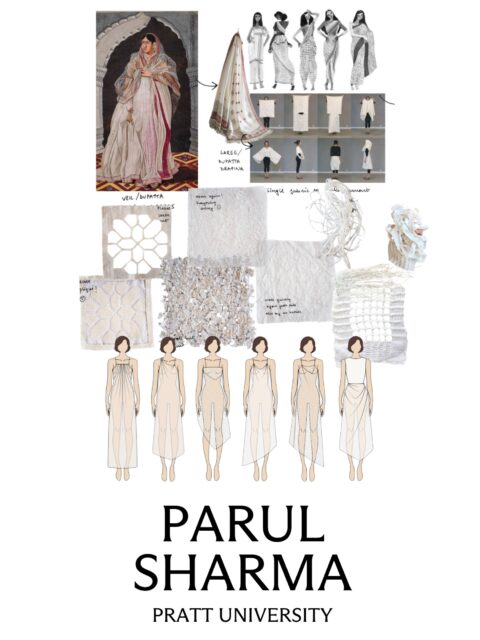
“A lot of my work is based around craftsmanship and cultural preservation, because the craft and communities that practice the craft are slowly dying out and being replaced by technology. I hope to give those communities a platform and bring them to the forefront.”
Parul Sharma, MFA Fashion Collection + Communication ’27
After Graduation
Fashion is a dynamic and expansive industry that offers a wide range of career opportunities beyond the traditional role of a fashion designer.
Career paths include:
Fashion design: specializing in menswear, womenswear, kidswear, wovens, knitwear, cut and sew, textiles, accessories, and footwear.
Industry and production: roles in research, concept design, design and development, production, technical design, patternmaking, garment technology, sustainability, and quality control.
Fashion business: roles such as buyer, sales manager, and retail buyer.
Fashion communications: careers in styling, merchandising, marketing, social media, public relations, and brand communication.
Costume design: for theater, opera, ballet, and other performance arts.
Textile design and art: including textile designers for interiors and accessories and independent textile artists.
Entrepreneurship: launching and growing independent fashion brands.
Our curriculum is designed to prepare students to engage critically and creatively across this wide spectrum, empowering them to find their unique voice and professional direction in the global fashion landscape.
Career Support for Life
Students and alumni can schedule one-on-one appointments with career strategists in Pratt’s Center for Career and Professional Development. A career strategist can work with you to develop your job/internship search strategies and life and business plans, as well as review résumés, cover letters, websites, and other marketing materials.
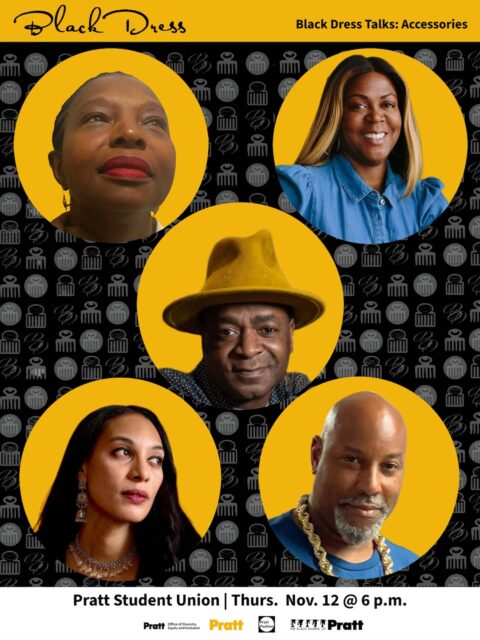
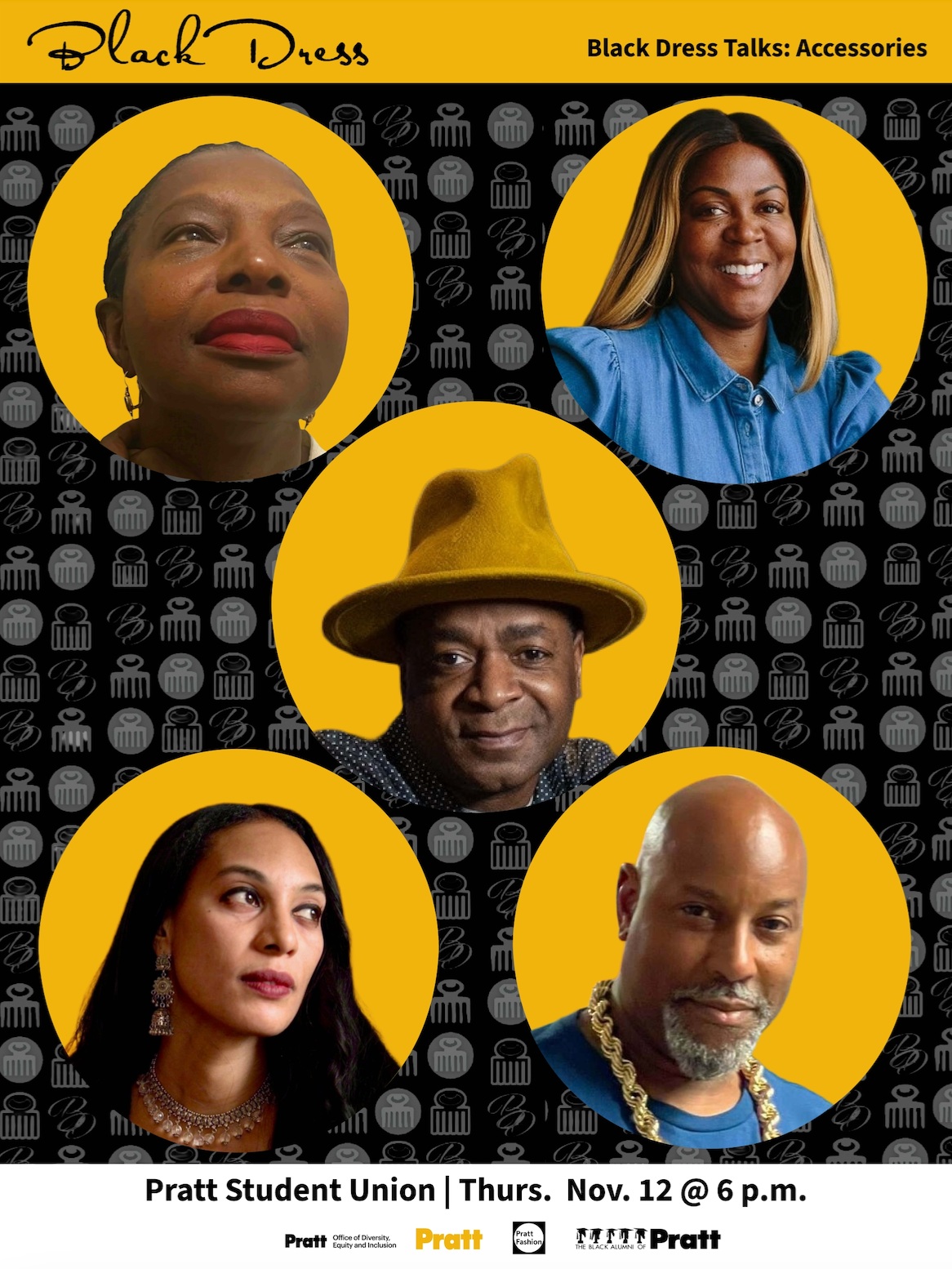
BLACK DRESS TALKS: ACCESSORIES
Join us for the eighth event in our ongoing Black Dress Talks series, celebrating the invaluable contributions of Black men and women in fashion.
This edition brings together Jacqueline Lamont, Rodney Patterson, Natasha Norie Standard, Verlaine-Diane Soobroydoo, and Sean Williams for a dynamic conversation exploring accessories design, artistry, entrepreneurship, cultural influence, and industry access.
The conversation will delve into creative process and brand building while considering accessories as both a form of personal expression and social statement.
📅 November 12, 2026
🕕 6:00–8:00 PM
📍 Student Union
200 Willoughby Ave., Brooklyn, NY 11205
Open to the public. Tickets on the bio. The event will be recorded.
This event is made possible through the generous support of the Jane B. Nord Professor of Fashion Design Endowment, Pratt Fashion Department, Pratt School of Design, Black Alumni of Pratt, Pratt Engagement, Culture and Community, and the Pratt Institute Academic Senate.
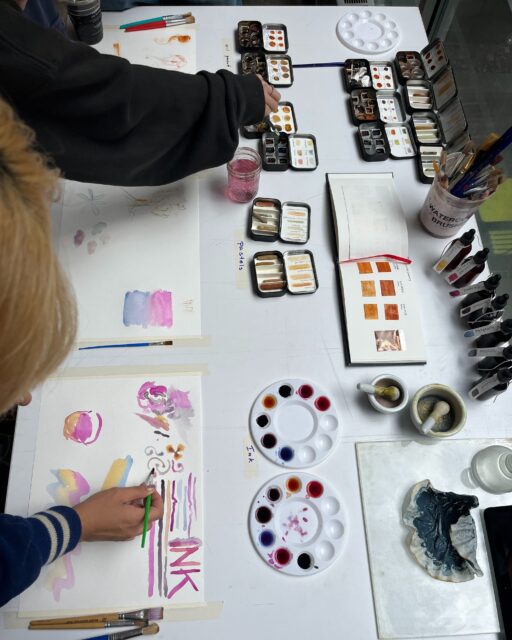
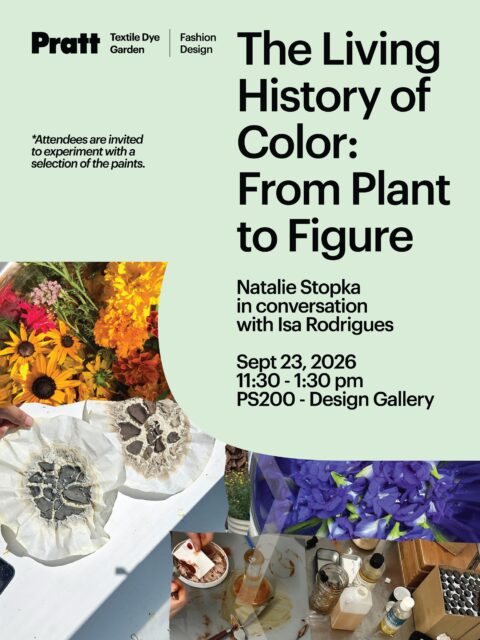
We recently had the pleasure of hosting @nataliestopka in conversation with Professor Isa Rodrigues @aiessei for an inspiring exploration of plant-based color, textile practices, and creative experimentation.
The event, coordinated and organized by Professor Gina Gregorio @ginaginaginaginagina , featured plant-based paints from the Pratt Textile Dye Garden, inspired by Natalie Stopka’s From Plant to Pigment, alongside student paintings from Susan Cianciolo’s @5th_dimensional_plain_ Fashion Illustration course, created using colors grown in the garden.
Through this gathering, we celebrated the ongoing work of the @prattdyegarden, that creates space for exploring plants, color, and sustainable textile practices.
Guests had the opportunity to experiment with plant-based paints and discover the creative possibilities of garden-grown pigments. The experience continued with refreshments featuring ingredients from the garden, including sparkling shiso water, butterfly pea syrup, and delicious lollipops.
A special thank you to Professor Gina Gregorio for coordinating and bringing this event to life, and to everyone who joined us in celebrating the connections between plants, color, textiles, sustainability, and creative practice!
#ClimateWeek #PrattInstitute #PrattTextileDyeGarden #PlantBasedColor #NaturalDyes #SustainableTextiles #FashionEducation #TextileArt #ColorResearch #CreativeExperimentation
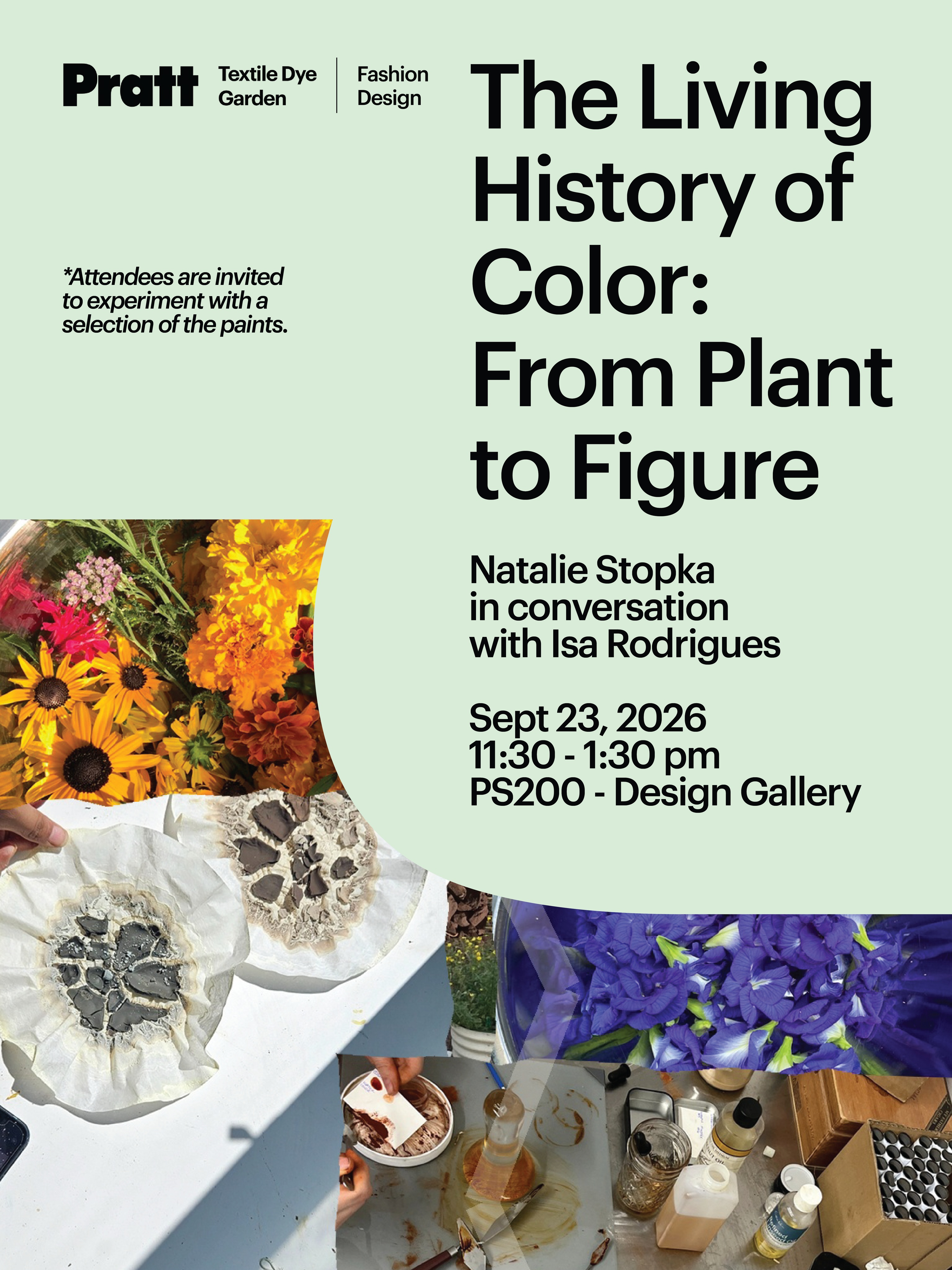
Natalie Stopka in Conversation with Isa Rodrigues
As part of Climate Week, join us for a conversation exploring plant-based color, textile practices, and creative experimentation.
The event features plant-based paints from the Pratt Textile Dye Garden, informed by Natalie Stopka’s From Plant to Pigment, alongside student paintings from Susan Cianciolo’s Fashion Illustration course, created using colors from the garden.
The initiative was originally started by Professor Gina Gregorio, co-founder of @prattdyegarden whose work established a space for exploring the possibilities of plants, color, and sustainable textile practices.
📅 September 23, 2026
🕦 11:30 AM–1:30 PM
📍 PS200 – Design Gallery (Steuben Hall)
Attendees will also be invited to experiment with a selection of the plant-based paints and explore the possibilities of color-making from the garden.
Register here: https://www.eventbrite.com/e/the-living-history-of-color-from-plant-to-figure-tickets-2000315427290?aff=oddtdtcreator
@prattinstitute @pratt_sod @prattfashion
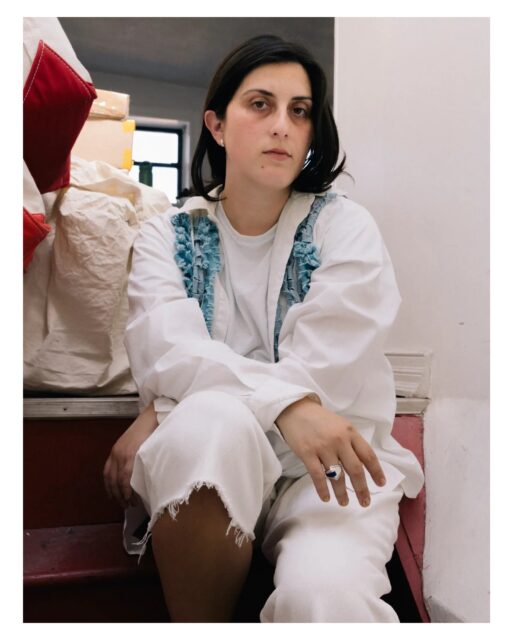
Congratulations, Parul! ✨
We are thrilled to celebrate Parul, MFA Fashion + Collection student, on being selected as one of the inaugural recipients of the CFDA x Bezos Earth Fund The Next Thread Initiative (TNTI) Scholarship!
The inaugural scholarship recognizes 12 emerging student designers from across the country who are pushing the boundaries of sustainable fashion through innovative approaches to materials, craft, waste, and design.
As one of only seven master’s students selected, and among the first cohort of TNTI Scholars, Parul will receive support toward tuition and thesis materials for the 2026–2027 academic year.
This recognition celebrates Parul’s creative vision, commitment to sustainability, and thoughtful approach to the future of fashion. We are so proud to see our MFA Fashion + Collection students contributing to a new generation of designers who are reimagining what fashion can be.
Congratulations, Parul! We can’t wait to see where your creativity and research take you next.
#PrattFashion #PrattInstitute #MFAFashion #FashionAndCollection #SustainableFashion #CFDA #BezosEarthFund #TheNextThread #FashionInnovation #EmergingDesigner #FashionDesign #SustainabilityInFashion
After nine months of dedication, creativity, and hard work, the students of the fashion design program at Edna Mahan Correctional Facility (EMCF) in Clinton, New Jersey, taught by Pratt Fashion Professor Kerry Ryan, proudly presented their final fashion collections.
Developed by Pratt Institute in partnership with the New Jersey Department of Corrections, this unique fashion design and workforce development program is one of the first initiatives of its kind in the United States and worldwide. Through professional-level training in fashion design, apparel construction, digital design, and business planning, the program equips incarcerated women with creative and technical skills that support personal growth and future career opportunities.
The final presentation celebrated not only the garments created over the past nine months, but also the creativity, perseverance, and vision of the designers behind them. It was an inspiring culmination of months of learning, collaboration, and making.
Congratulations to all of the students on this remarkable achievement. We look forward to seeing where their creativity and talent take them next.
See the video here: https://www.youtube.com/watch?v=nFNxlb-kIgo
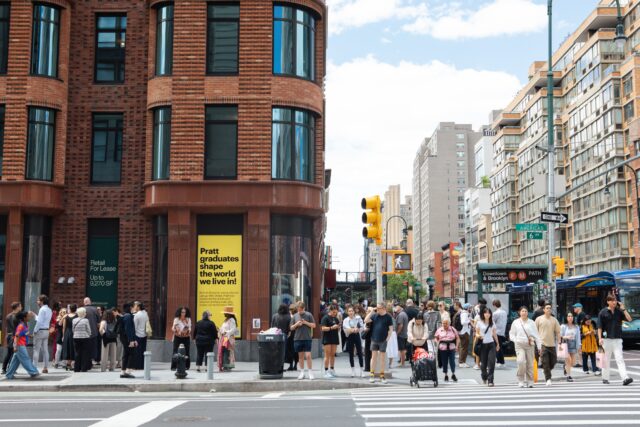
On June 15, Pratt Institute unveiled a new public-facing art installation transforming vacant storefront windows along Manhattan’s 14th Street corridor into a vibrant street-level gallery.
Installed along the windows of the newly completed The Village West building, the project brings together emerging creative voices from across Pratt’s six schools—spanning architecture, art, design, fashion, film, information studies, liberal arts and sciences, and creative technologies.
The Fashion Department featured work by Auguste DuBois (BFA Fashion Design ‘26) and Eliza Corderman (MFA Fashion Collection + Communication), highlighting the energy and experimentation shaping the next generation of fashion practice.
Congratulations to everyone involved in bringing this installation to life.
Photo: Dahlia Dandashi
#PrattInstitute #FashionDesign #FashionEducation #EmergingDesigners #NYCFashion #PublicArt #14thStreet #TheVillageWest #DesignCommunity #CreativePractice
Meet Giovanna Flores, Pratt alumna, professor, and NYC-based designer, who is proving that creativity doesn't require the backing of a major fashion house.
Known for handcrafting each piece, transforming deadstock and reclaimed materials through upcycling, and embracing an intuitive, experimental design process, Flores is redefining what independent fashion can be. Her work blurs the boundaries between art, craft, and clothing, celebrating individuality, sustainability, and thoughtful production.
As consumers increasingly seek authenticity over mass production, designers like Flores are leading a new generation of fashion rooted in creativity, community, conscious making, and environmental responsibility.
To read more, check out the full New York Times article.
Photo: Tessa Belle Dillman for The New York Times
#FashionDesign #IndependentFashion #Upcycling #SlowFashion #SustainableStyle #NYCFashion #EmergingDesigner #CreativeProcess #FashionInnovation #CircularFashion
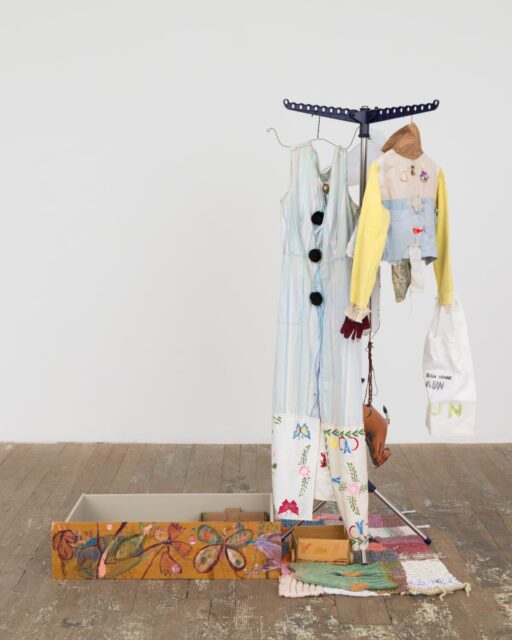
We are thrilled to celebrate our faculty member, Susan Cianciolo, who is featured in a recent Art Basel profile recognizing her as one of New York's most original and influential creative voices.
For more than three decades, Cianciolo has worked at the intersection of fashion, art, performance, and craft, building a practice that defies traditional categories. Best known for her groundbreaking label RUN (1995–2001), she fostered a collaborative and community-driven approach to fashion that continues to inspire artists and designers today.
The Art Basel feature highlights Cianciolo's upcoming presentation with Hoffman Donahue at Art Basel 2026, bringing together archival materials, new DIY kits, film, and sculptural works that reflect her lifelong commitment to handwork, storytelling, and creative experimentation.
As an educator, artist, and mentor, Susan continues to challenge conventional boundaries between disciplines while encouraging new generations of designers to embrace curiosity, craft, and individuality.
Congratulations, Susan!
Read the full feature at Art Basel Stories
Photography: Charles Benton & Nick Sethi
@prattinstitute
#SusanCianciolo #ArtBasel #FashionAndArt #RUN #CreativePractice #FashionEducation #FacultySpotlight #EmergingDesigners #ContemporaryArt #FashionDesign
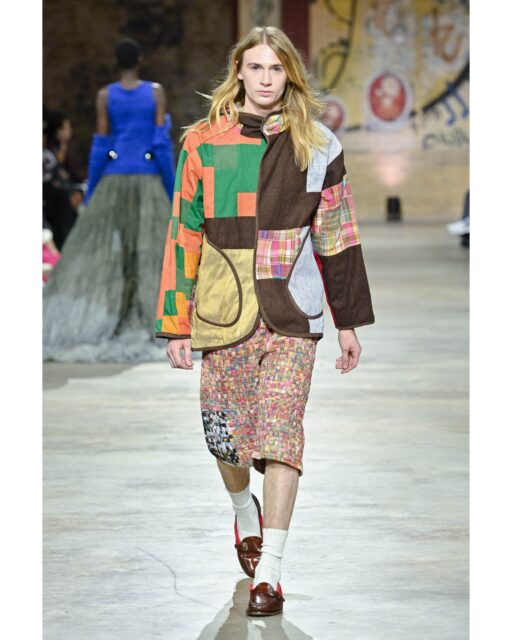
Fashion Design BFA, Fashion Show 2026
Cork, Kerala by Caleb Callahan @cccaalleebbb
Cork, Kerala explores the shared histories of Irish and Indian anti-colonial movements through the language of fashion. Drawing on the ways clothing has served as political protest, revolutionary uniform, and a symbol of community, Caleb Callahan creates a collection that connects two distinct cultures through their common pursuit of self-determination.
By weaving together references from Irish and Indian craft traditions, particularly weaving and embroidery, the collection highlights both cultural specificity and shared resistance. Historical and contemporary influences are collaged into garments that reflect on the enduring impact of colonialism and imperialism across generations.
Through fashion, Cork, Kerala invites viewers to consider how clothing can carry memory, identity, and political meaning, while offering a creative response to institutional forces that continue to shape the world today.
@prattinstitute @pratt_sod @prattfashion
Join us at Pratt. Learn more about admissions requirements, plan your visit, talk to a counselor, and start your application. Take the next step.
Whether your goal is to advance your career, pivot to a new field, or explore your craft or groundbreaking research, our 33 graduate programs provide the rigor and support to achieve your vision. Explore our graduate programs in architecture, fine arts, design, information studies, and the liberal arts and sciences. Learn More.
You’ll find yourself at home at Pratt. Learn more about our residence halls, student organizations, athletics, gallery exhibitions, events, the amazing City of New York and our Brooklyn neighborhood communities. Check us out.