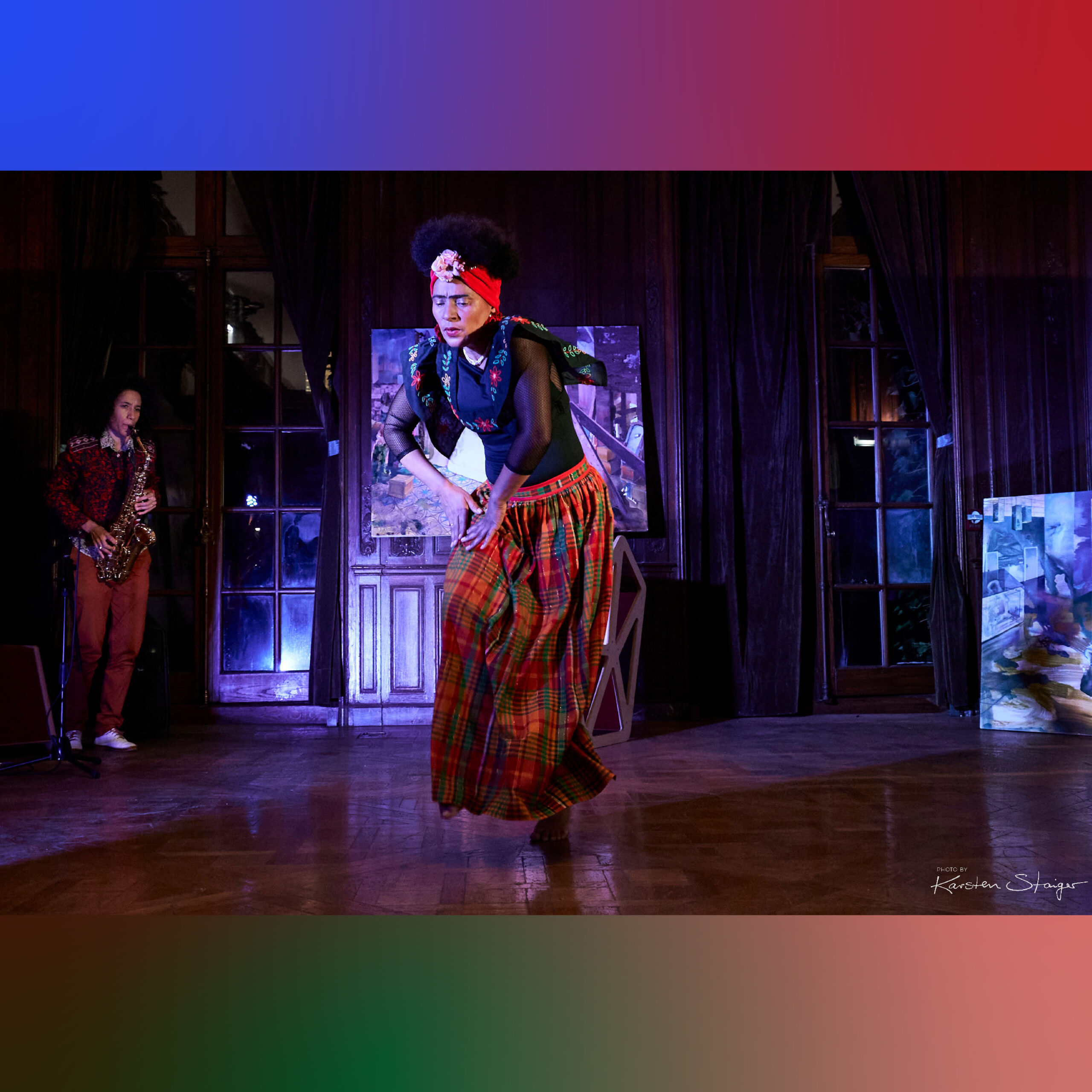
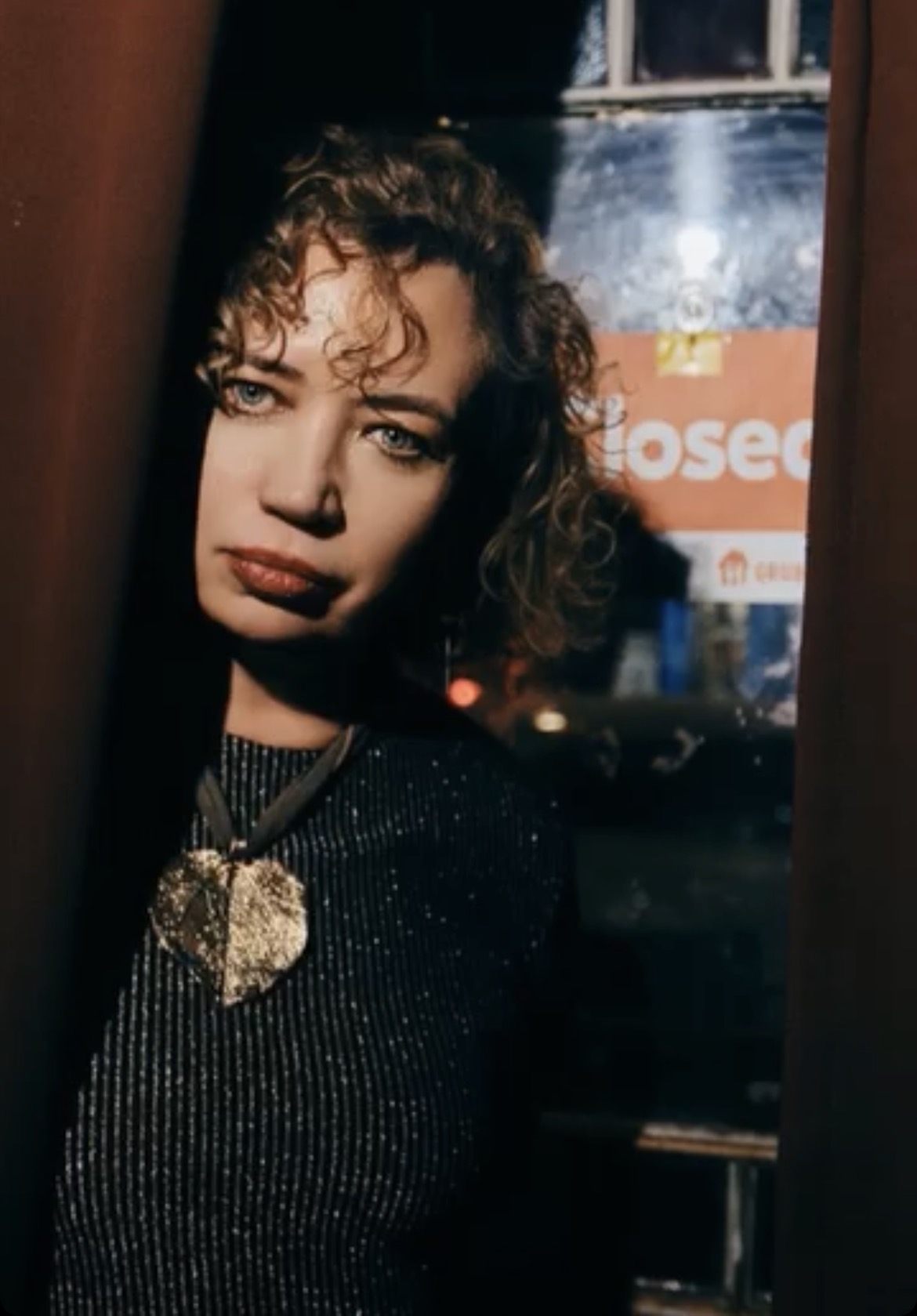
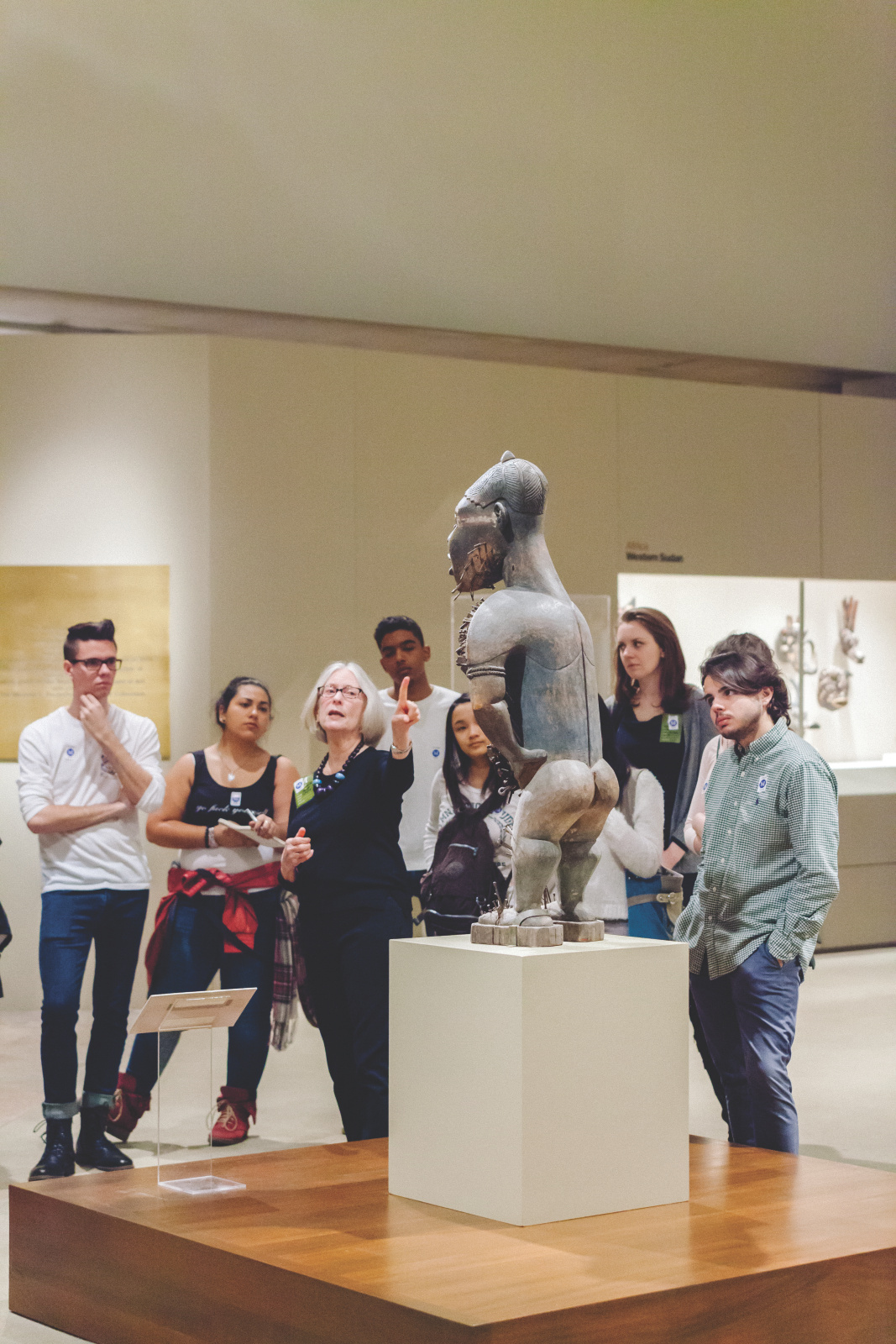
Study at the nexus of New York City’s art, design, and cultural communities. Gain a global perspective through rigorous inquiry, collaborative study, and direct engagement with museum collections, preparing you for influential roles within the art world.
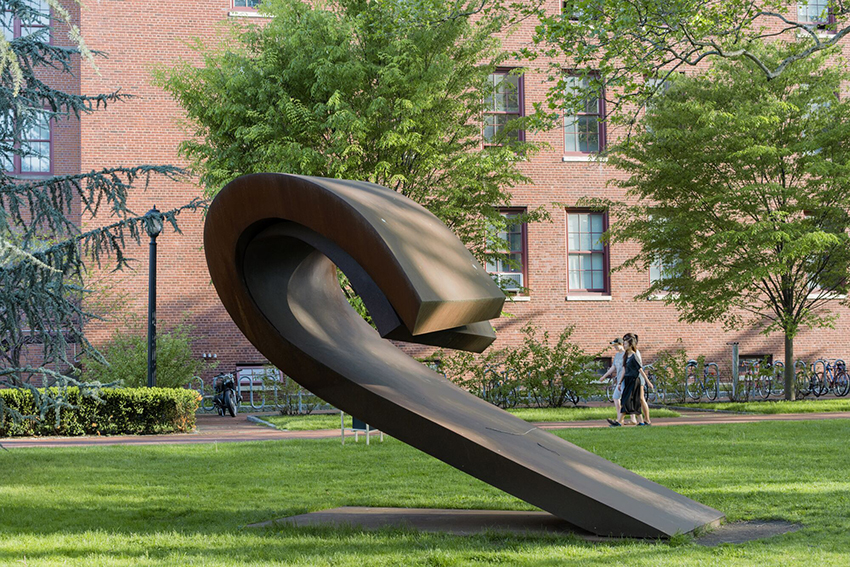
Connect to New York’s Art, Design, and Cultural Worlds
Learning at the nexus of NYC arts and cultural communities, our students consider their discipline within larger social, cultural, and political contexts. With class sizes of just 8–12, you’ll collaborate closely with your classmates and faculty and work directly with museum collections and archives.
An Interdisciplinary, Versatile Degree
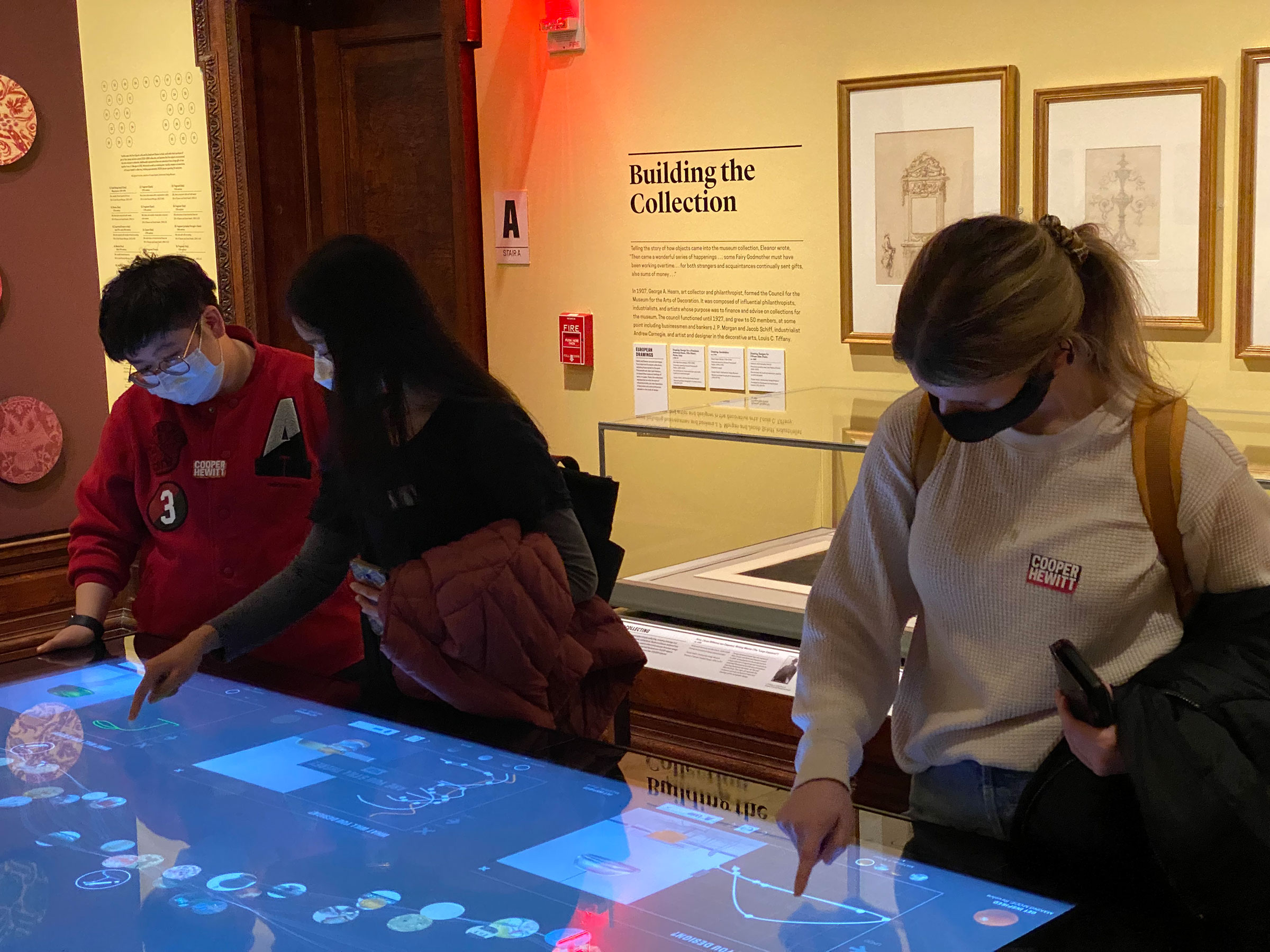
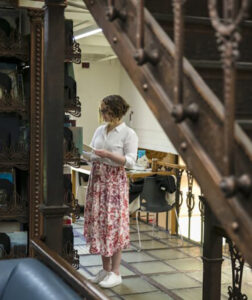
IXD students Wuke Zhou, Yuki Shimano, and Olivia Turpin at the Cooper Hewitt, Smithsonian Design Museum (photo by Shih Wen Huang)
Gain necessary skills and knowledge for a career as an art and design historian or a museum, gallery, auction house, library, or archive professional, or prepare for doctoral studies. By studying global art and design through multidisciplinary and cultural contexts and intensive specialized research, you’ll become an independent and critical thinker and writer, with an understanding of the historical role of art and design.
Open to Students of Different Backgrounds
We welcome students with a range of backgrounds, including those who are pivoting in their careers. This variety of experience adds richness to our program, and our students share a passion for art and design.
Internships at Renowned Organizations
Internships at museums, libraries, nonprofit art organizations, and galleries prepare you for future careers. Our recent students have interned at prestigious institutions such as the Brooklyn Museum, the Whitney Museum of American Art, the Cooper Hewitt, Smithsonian Design Museum, World Monuments Fund, and others.
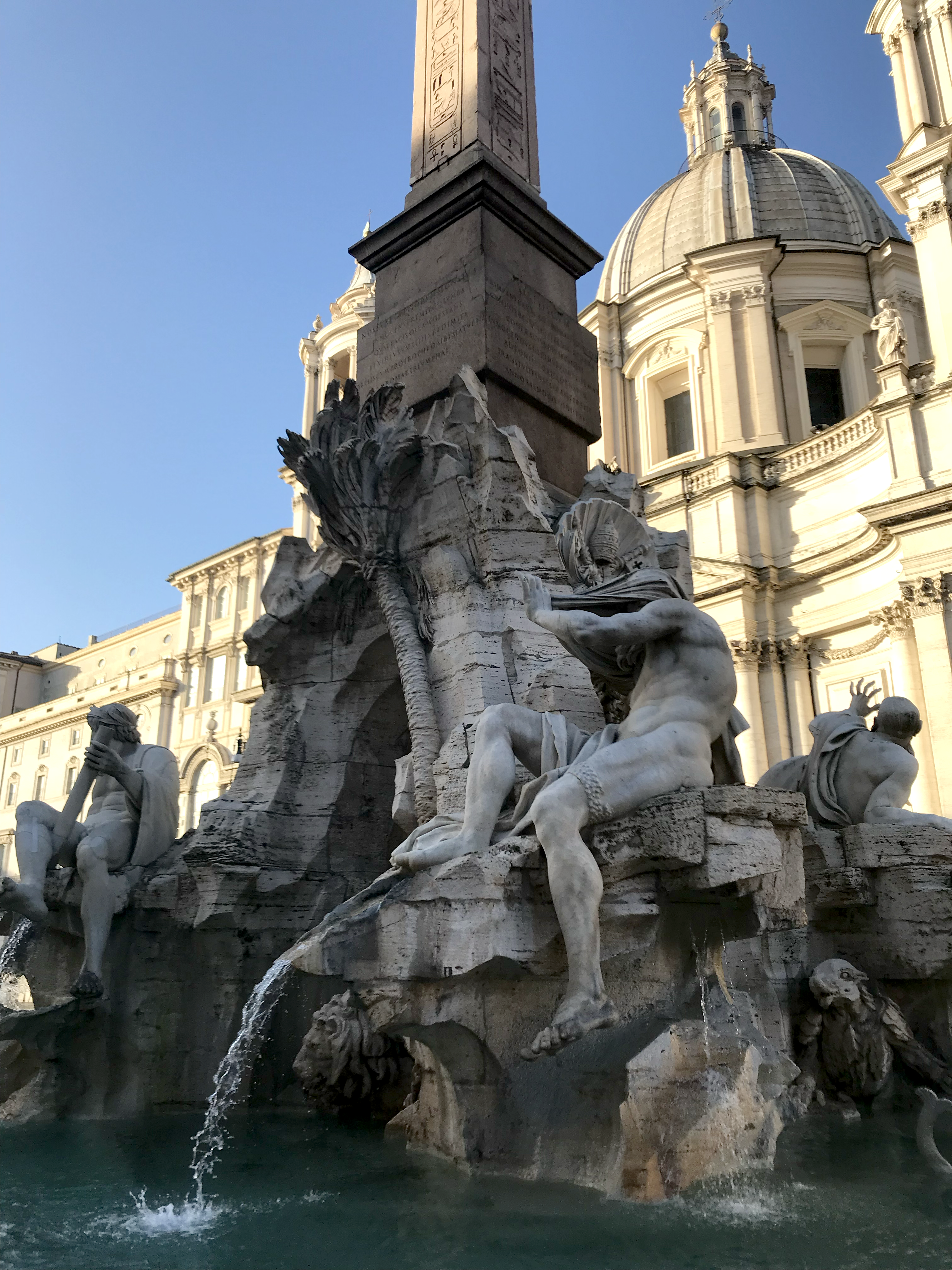
Explore Art Abroad While Earning Credits
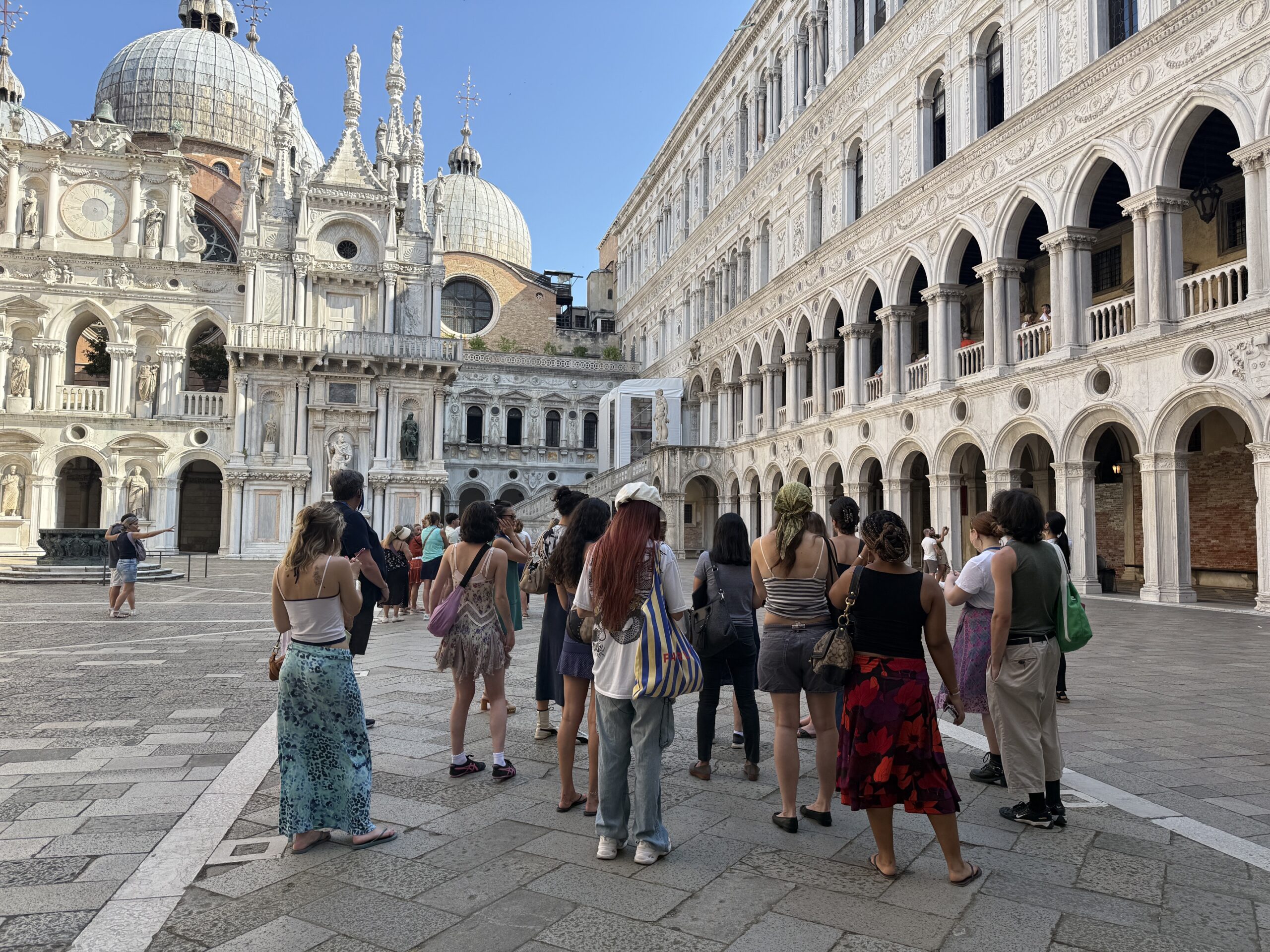
Nothing compares to studying art in situ. Pratt has deep connections with university partners around the world. You will have the opportunity to gain credits during these programs—as much as a semester’s worth during two- to six-week summer programs like Pratt in London, Pratt in Paris, and Pratt in Venice, which recently celebrated its 35th year.
The graduate studies in the History of Art and Design provide students with the skills and knowledge to pursue careers as art and design historians and professionals in museums, galleries, and libraries, or to pursue graduate work at the doctoral level. Through comprehensive study of global art and design within historical and cultural contexts and intensive research and scholarship in specialized areas, students develop a critical understanding of the field as well as research and analytical skills. Graduates demonstrate excellence in independent and critical thinking and understanding of the historical roles and responsibilities of art and design. Internships at museums, libraries, nonprofit art organizations, and galleries provide opportunities for students to work in professional areas of their interests and prepare for future careers.
Our Faculty: Experts and Mentors
Our faculty are leading scholars and practitioners who are experts in their fields. They are deeply engaged in expanding their disciplines and building equity through their own work in the public, private, and nonprofit sectors. See all History of Art and Design faculty and administrators.
Our graduates are leading thriving careers at notable organizations, including the New York Public Library Archives and Manuscripts Division, Princeton University Library Rare Books and Special Collections, and the Whitney Museum. They are also uniquely prepared for advanced research and study, earning placements in prestigious graduate programs such as Harvard University, the University of Southern California, the University of Edinburgh, Oxford University, and the Victoria and Albert/Royal College of Art master’s programs.
Career Support for Life
Students and alumni can schedule one-on-one appointments with career strategists in Pratt’s Center for Career and Professional Development. A career strategist can work with you to develop your job/internship search strategies and life and business plans, as well as review résumés, cover letters, websites, and other marketing materials.
Artwork Analysis — Edward Hopper, Nighthawks (1942)
Hopper paints with precision and restraint: smooth brushstrokes, crisp edges, and light that feels almost architectural. The diner’s glow isolates its figures, turning an ordinary night into a study of stillness, distance, and modern urban life.
#ArtHistory #ArtworkAnalysis #EdwardHopper #arthistory #historyofdesign #ArtHistory #ArtAndDesign #pratt #arthistory101 #art
This month's art post: Trust visions that don't feature buckets of blood, 1983-1984 by Jenny Holzer and Lady Pink.
"In the 1980s, Holzer and Lady Pink used New York as a backdrop for their artworks: Holzer wheatpasted posters and slogans on walls throughout Manhattan, and Lady Pink spray-painted graffiti on buildings and subway cars. The two also collaborated on a series of paintings on canvas, such as this work, for which Holzer composed phrases and Lady Pink did the painting. Trust visions that don’t feature buckets of blood was based on a recent image by the documentary photographer Susan Meiselas, who worked extensively in Nicaragua during the armed conflict that roiled the nation for decades in the second half of the twentieth century."
MoMA gallery label from 2019, (Source: https://www.moma.org/collection/works/290520)
#ArtAndDesign #ArtHistory #historyofdesign #pratt #arthistory #arthistory101 #art
You are warmly invited to the 2026 HAD Student Symposium, featuring research presentations by HAD Undergraduate and Graduate students.
Date: Friday, April 25, 2025
Time: 10:30 am – 3:00 pm
Location: Alumni Reading Room
Please RSVP and save the date! The morning session (10:30am –12:45pm) will showcase research presentations by HAD undergraduate students, followed by graduate thesis presentations from 1:45–3:00pm. Lunch will be served during the break--so please be sure to RSVP.
Also, please remember that the Keynote Address, delivered by Dare Turner, Curator of Indigenous Art, Brooklyn Museum, will take place the night before on Thursday, April 23rd at 5:30 in the Alumni Reading Room.
Family and friends are welcome!
We invite you to “Curation as Care," a keynote address by Dare Turner (Yurok Tribe), Curator of Indigenous Art at the Brooklyn Museum.
Date: Thursday, April 23, 2026
Time: 5:30 - 7:00 PM
Venue: Alumni Reading Room
If you are interested in attending, please RSVP.
* This event is open for Pratt community and the general public.
In this talk, Dare Turner (Yurok Tribe), Curator of Indigenous Art at the Brooklyn Museum, discusses Indigenous community representation, engagement, and dialogue through the curation of historical and contemporary Native art in encyclopedic museums. Turner will address the concept of "curation as care" as it relates to her recent projects and her role in stewarding the Brooklyn Museum's Indigenous art collection. She will also speak about the exhibition initiative she co-curated with Leila Grothe at the Baltimore Museum of Art entitled “Preoccupied: Indigenizing the Museum,” the reinstallation of the Brooklyn Museum's American Art wing, and her collaboration with museum professionals and Indigenous knowledge keepers alike.
Dare Turner is the Curator of Indigenous Art at the Brooklyn Museum and a member of the Yurok Tribe. In 2024, she co-organized Preoccupied: Indigenizing the Museum at the Baltimore Museum of Art, which included nine exhibitions, interpretative interventions across the Museum, and a catalogue. At the Brooklyn Museum, she curated Nico Williams: Aaniin, I See Your Light and co-curated Towards Joy: New Frameworks for American Art, a radical reinstallation of the American Wing guided by Indigenous ways of knowing and Black feminist theory. Her forthcoming exhibition and book, Hopi Kachina Dolls: Blessings for a Balanced World, will debut at the Brooklyn Museum in October 2026.
On Friday, April 24th, Turner will return to serve as respondent for the HAD student symposium. We encourage everyone to participate in this two-day celebration of our students' accomplishments.
#ArtAndDesign #art #arthistory101 #pratt #pratthad #design #ArtHistory
Art Nouveau (1890–1910)
A movement that broke away from historical revival
styles and embraced a new, nature-driven modernity.
Emerging across Europe at the turn of the century, it
sought to unite art, architecture, and everyday life.
Key characteristics: organic lines, whiplash curves,
botanical motifs, and a deep commitment to
craftsmanship across architecture, furniture, and
graphic design.
Example: the iconic Paris Métro Entrance, where iron
and glass twist into vine-like forms, turning a public
transit entry into sculptural urban art.
A reminder that design can be functional, expressive,
and poetic all at once.
#pratthad #arthistory101 #ArtAndDesign #pratt #art
#design
The evolution of Western art is a story of creativity, innovation, and cultural transformation. From the idealized forms of ancient Greece and Rome to the spiritual intricacies of the Middle Ages, and finally to the humanistic revival of the Renaissance, each era brought new ways of seeing and depicting the world. Join us as we explore key moments and masterpieces that shaped art history, highlighting timeless works and groundbreaking techniques that continue to inspire today.
A journey through the foundations of Western art:
Classical Era: Idealized beauty & mythological themes.
Example: "Laocoön and His Sons" (c. 40-30 BCE)
Middle Ages: Art turned spiritual with intricate designs.
Example: The Book of Kells (c. 800 CE)
Renaissance: A rebirth of humanism, realism, and perspective.
Example: "The Birth of Venus" by Botticelli (c. 1485)
Innovations: Leonardo da Vinci redefined art with works like Mona Lisa (1503-1506) and The Last Supper (1495-1498).
#art #historyofdesign #arthistory101 #ArtAndDesign #arthistory #ArtHistory #pratthad #pratt
“When bicycle handlebars inspired a revolution in furniture.”
The 1925 Wassily Chair, designed at the Bauhaus, shows how industrial materials transformed modern living. A milestone in tubular steel design that remains timeless almost a century later.
#ArtHistory #historyofdesign #ArtAndDesign #arthistory #art #arthistory101
This month's art term: Vorticism
Definition:
A short-lived British avant-garde movement, formed in London in 1914, with the aim of creating art that expressed the dynamism of the modern world. Visually, it may be thought of as the British equivalent to Italian Futurism. Vorticist art features Cubist fragmentation combined with hard-edged imagery inspired by machines and the urban environment.
#historyofart #historyofdesign #pratt #ArtAndDesign #ArtHistory #pratthad #art #arthistory101 #arthistory
Professor Eana Kim and students from “Art Since the Sixties”visited the New Museum during its reopening week to experience the newly renovated building and the exhibition “New Humans: Memories of the Future.” The visit extended classroom discussions on curatorial practice, art and technology, and posthumanist discourse, with a focus on how contemporary exhibitions frame evolving definitions of the human.
Online and Alumni Reading Room, 200 Willoughby Ave, Brooklyn, NY 11205
Ready for More?
HERE’S HOW TO APPLY
Graduate Studies at Pratt
OUR CAMPUS & BEYOND
Join us at Pratt. Learn more about admissions requirements, plan your visit, talk to a counselor, and start your application. Take the next step.
Whether your goal is to advance your career, pivot to a new field, or explore your craft or groundbreaking research, our 33 graduate programs provide the rigor and support to achieve your vision. Explore our graduate programs in architecture, fine arts, design, information studies, and the liberal arts and sciences. Learn More.
You’ll find yourself at home at Pratt. Learn more about our residence halls, student organizations, athletics, gallery exhibitions, events, the amazing City of New York and our Brooklyn neighborhood communities. Check us out.