Graduate Architecture
Graduate Architecture offers two different degrees in architecture: A first professional Master of Architecture for students with a four year bachelor’s degree in any field; and a post-professional Master of Science, Architecture for students with a five-year professional undergraduate architecture degree.
The first-professional Master of Architecture (M. Arch) is an 84-credit, three-year, professional degree program for students holding a four-year undergraduate degree in any field. The Graduate Record Exam is a requirement for M. Arch. The post-professional Master of Science, Architecture (M.S., Arch) is a 36-credit, three semester (summer, fall, spring) program for those who hold an accredited five-year Bachelor’s of Architecture or the equivalent. A thesis is completed in the final semester. The intensive curricula in these two programs require focused participation from the student. Master of Architecture is an NAAB accredited program. Students in the Master of Science, Architecture program are encouraged to develop specialized areas of research.
Because of the school’s New York City location, students have immediate and frequent access to the city’s resources. The graduate programs also have excellent internal resources: a strong faculty, good facilities, and a developing research network that connects the department and its students to serious national and international work in the field.
The Graduate Architecture programs have a strong faculty of distinguished educators and practicing architects, excellent facilities, trans-disciplinary connections with the well-known art and industrial design departments of Pratt Institute, and a developing research network that connects the department to national and international work in architecture and urban design. Distinguished visitors present their work to graduate students on a regular basis in research forums and guest studios and seminars. Students in both programs come from national and international backgrounds. Post-professional degree students come from diverse forms of architectural practice, and first-professional degree students come from diverse fields of undergraduate study.
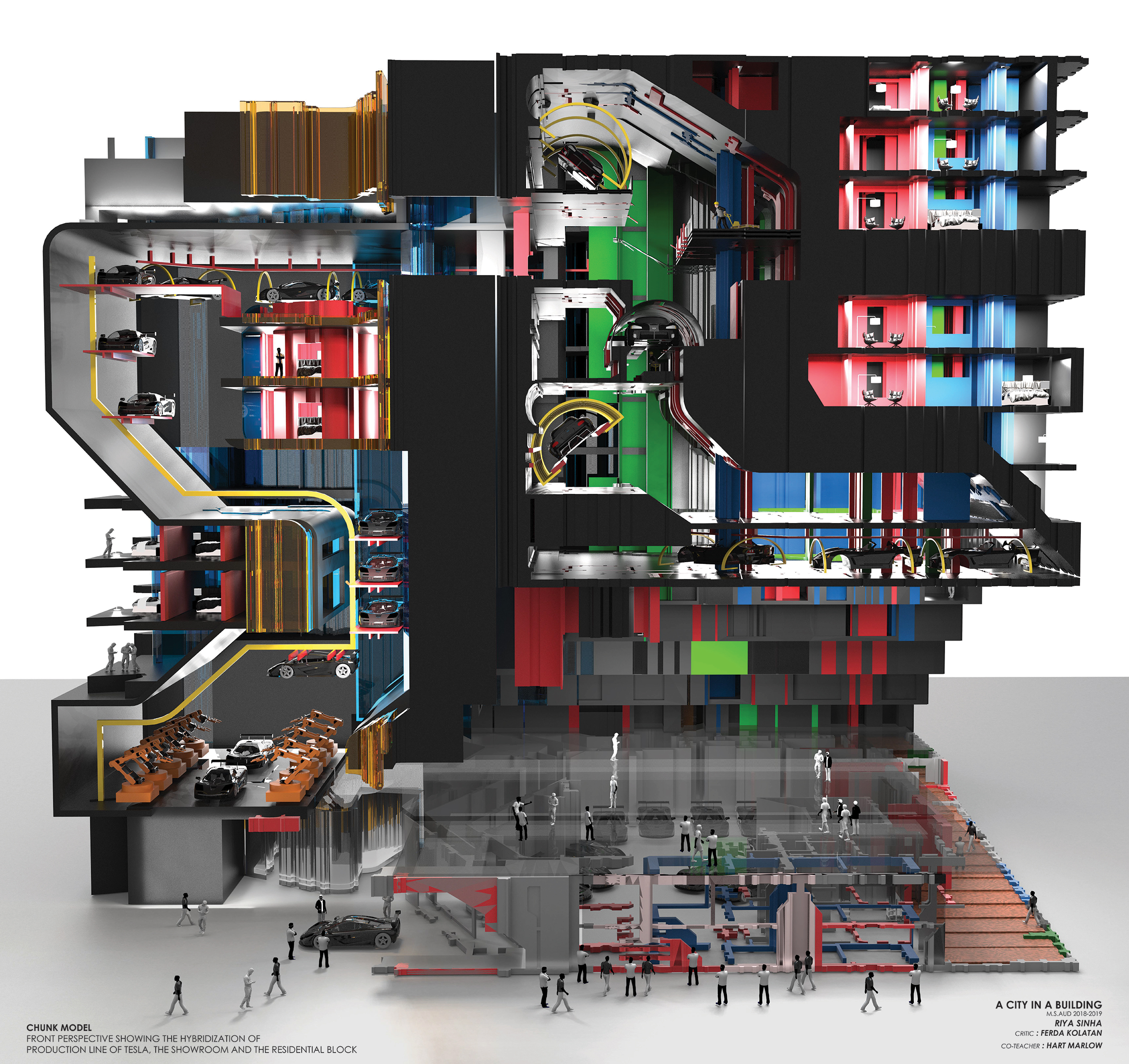
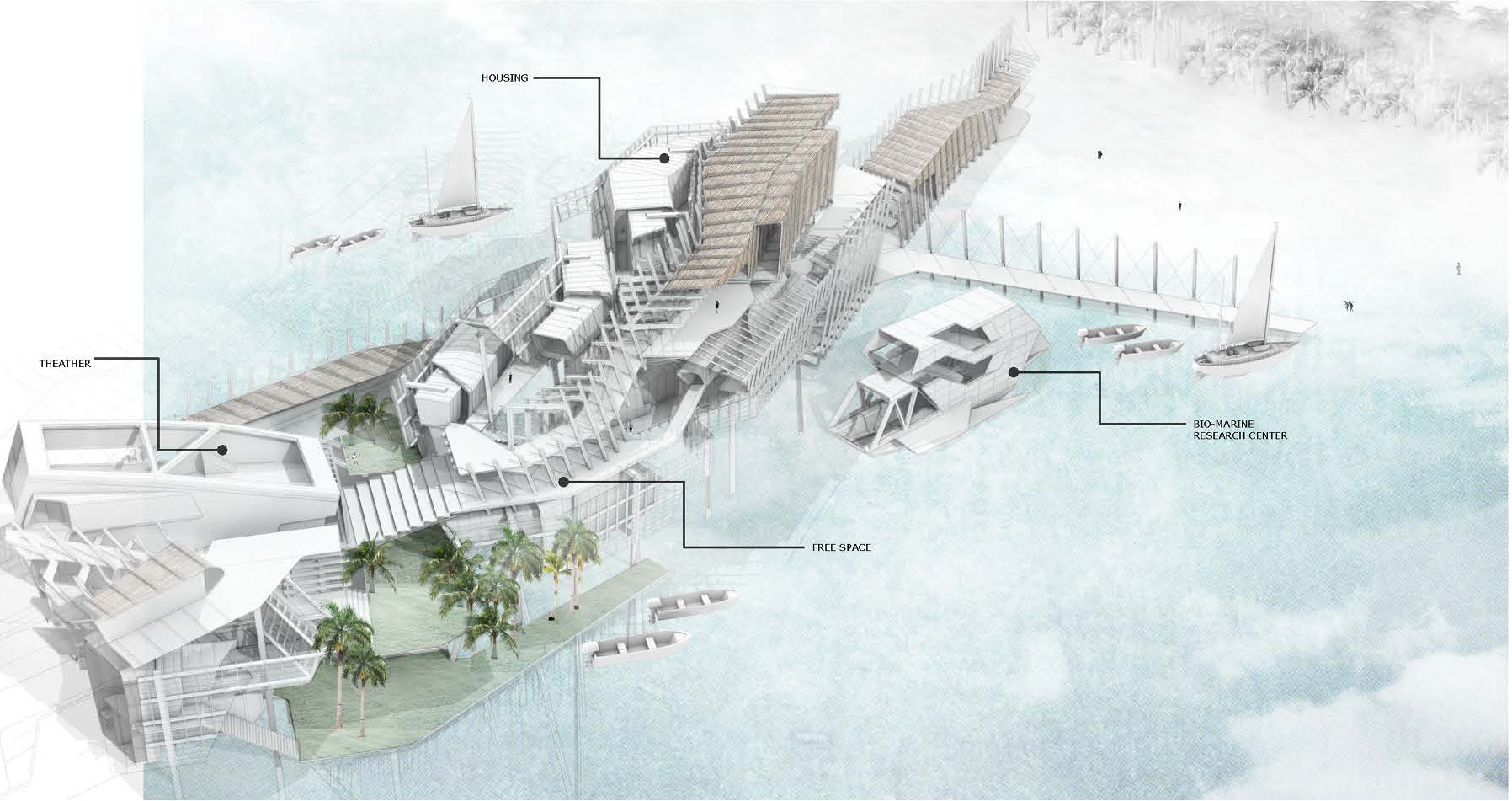
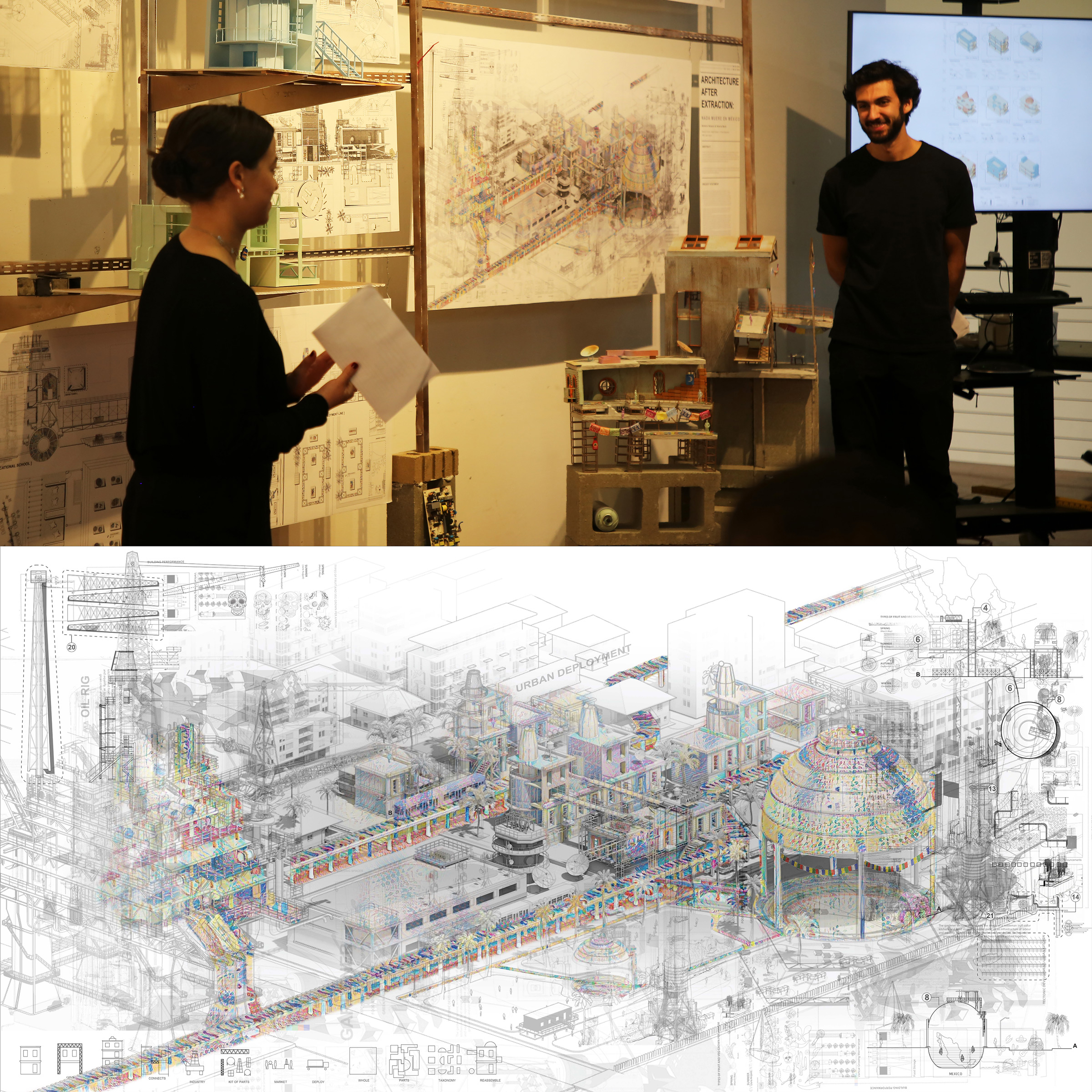
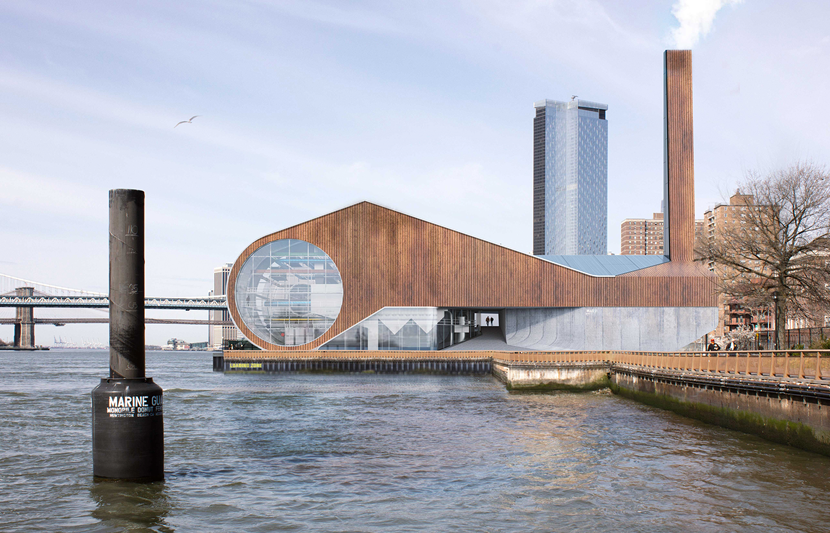
The mission of the Graduate Architecture program is twofold: For the first-professional degree program, students are trained for leadership roles in the professional practice of architecture by giving them substantive methods of design and inquiry; for the post-professional architecture program the mission is to expand a student’s professional education into new forms of thinking and types of practices. In all cases, the programs help students to develop their lifelong relation to their field. In both the first-professional and post-professional programs, students are exposed to contemporary debates and issues in architecture through exploratory design studios and academically rigorous history and theory electives, computer media and technology courses that emphasize critical thinking/critical making. Design studios that ask students to be responsible for the integration of theoretical and technical knowledge.
The Graduate Architecture programs at Pratt Institute’s School of Architecture contribute to the progressive design environment for advanced architectural research located in New York City. The programs propose speculative debate and experimental architectural production based on a relational construct among theoretical inquiry, computational research, digital design, and technological investigation. To this end, the programs seek to formulate a contemporary approach to architecture that is “ecological” in the sense that it provides collective exchanges which are both trans-disciplinary and trans-categorical. This ecological approach encourages feedback relationships among industry, manufacturing, political agencies, theoretical studies, and other categories and disciplines that are newly emerging in contemporary culture. This approach seeks to productively intensify heterogeneous interests and agencies. In addition, the program sees architectural innovations in both the theory and practice of architecture and the interconnected phenomena out of which it emerges. Recent courses at Pratt Institute’s GAUD have investigated such topics as iterative processes, fluid systems, emergent phenomena, logics of organization, complex urbanisms, globalization and politics, computational logics, material performance, and speculative fabrication.
Downloads
View all of our Graduate Degree Programs
Apply Online using our new Admissions Portal
Use our new online course catalog to find any course in any field
Learn more about Pratt's Libraries
Learn more about Pratt's program in Graduate Urban Design