Graduate Center for Planning and the Environment

Downloads
- Fall_2009_PSPD_Newsletter.pdf (1.58MB)
- GCPE_Newsletter_Summer_2009.pdf (1.20MB)
- Spring_10_schedule_110.pdf (95kb)
Programs for Sustainable Planning and Development
PSPD is an alliance of four programs with a shared value placed on urban sustainability -- defined by the “triple bottom line” of environment, equity and economy.
The four graduate Master of Science programs are:
- City and Regional Planning
- Environmental Systems Management
- Facilities Management
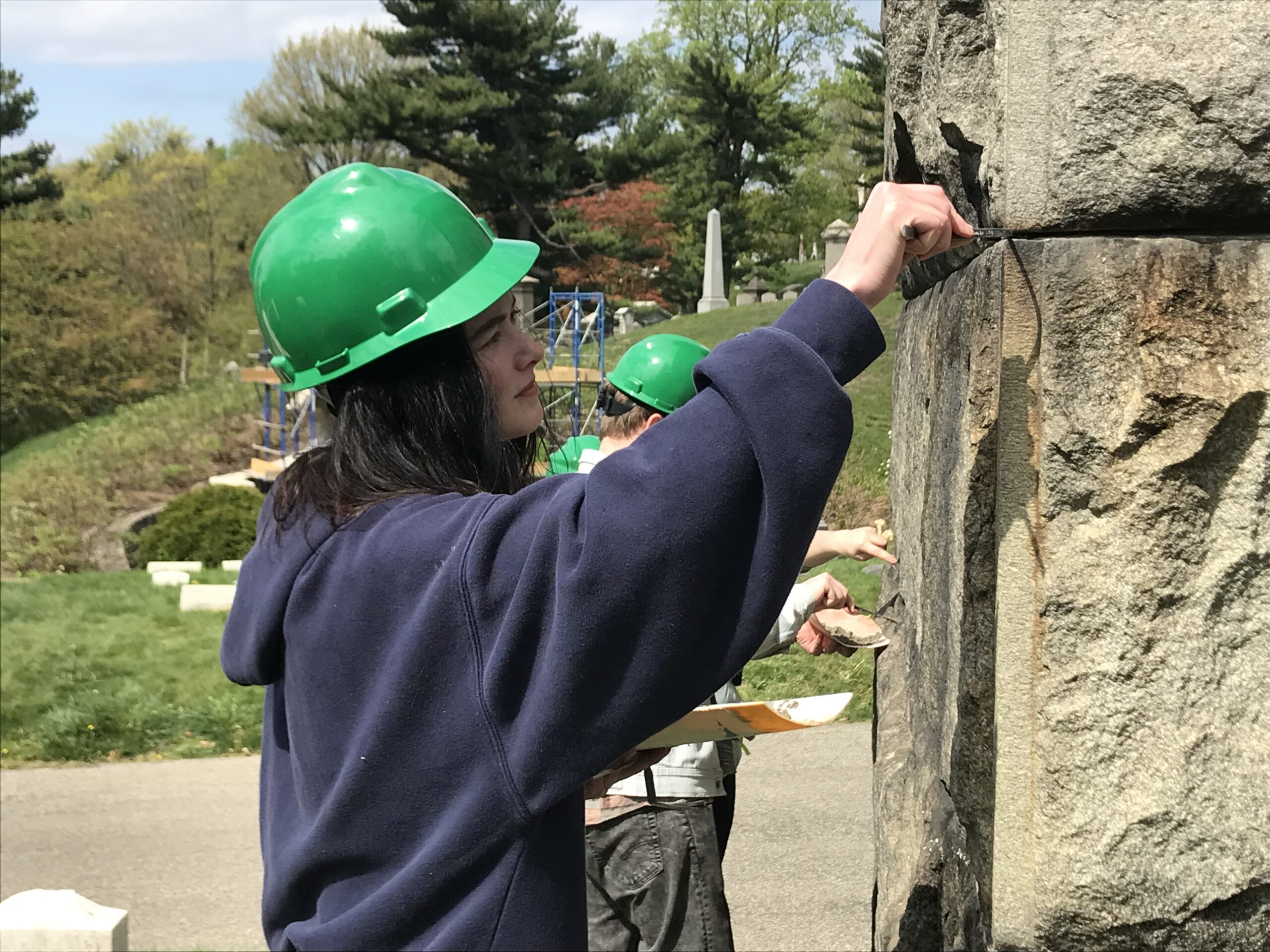
- Historic Preservation
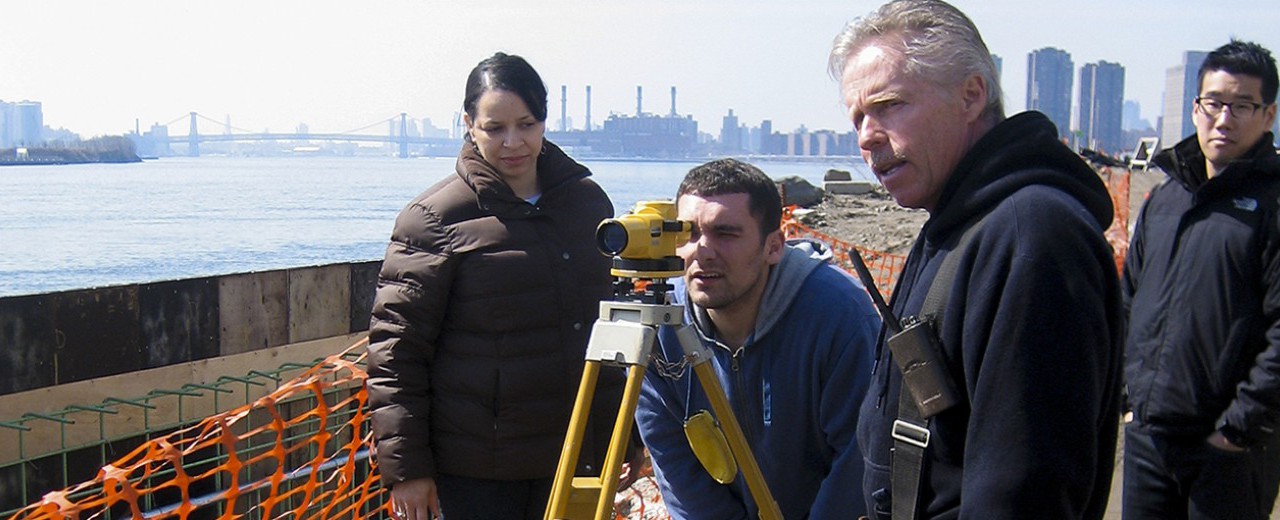
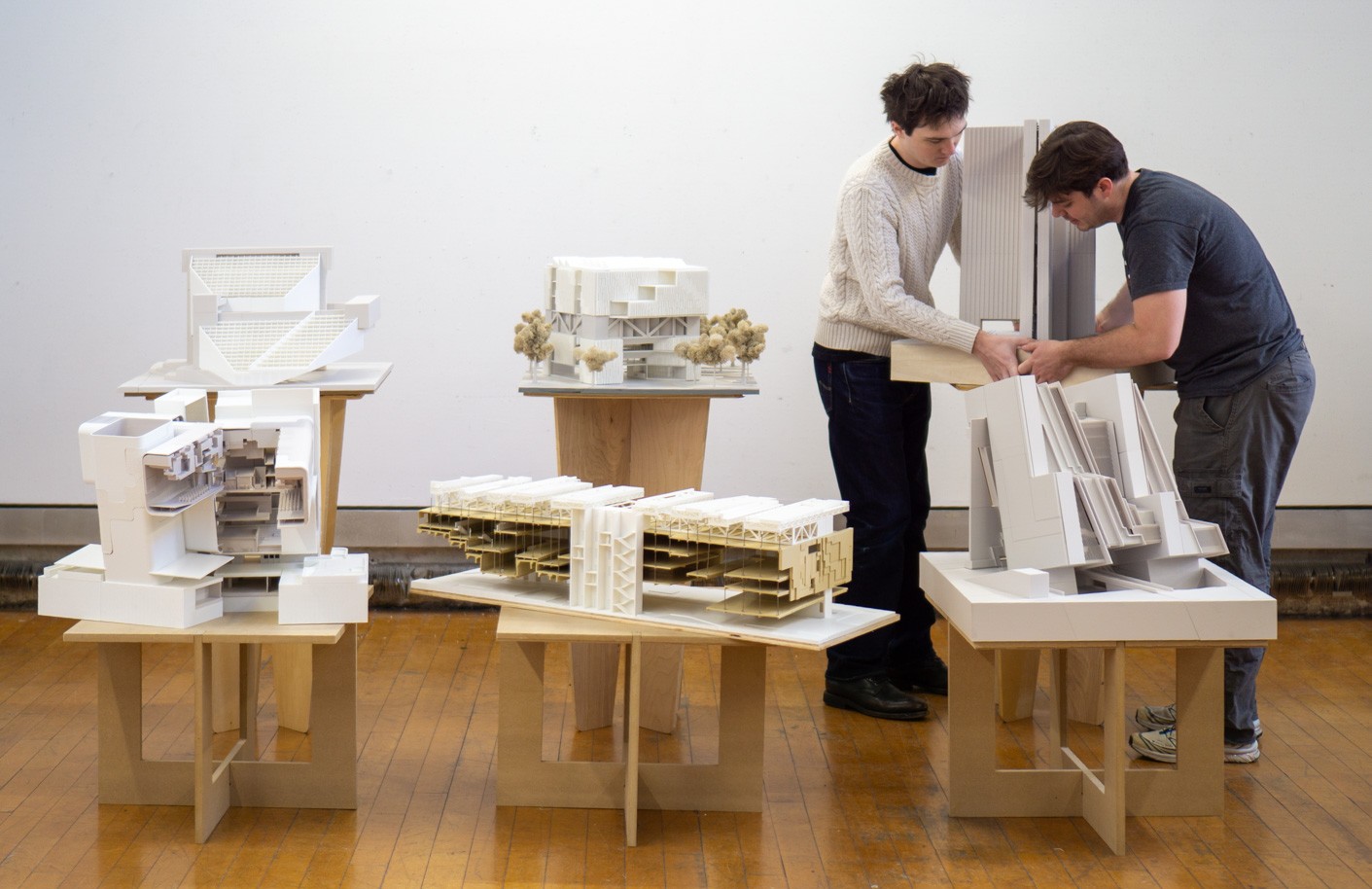
Each of the four graduate programs maintains its independence, degree, and depth of study. Yet with the advice of Coordinators and Chairs, students can move between the four programs, with the further option to follow set tracks for specialized or multifaceted studies. Studios bring together students from all four graduate programs for interdisciplinary teamwork.
PSPD also offers a linkages to: the undergraduate Construction Management Program, with the opportunity to focus on real estate development; Brooklyn Law School, with opportunity for a joint Masters / Juris Doctor; and to the Pratt Center for Community Development, with opportunity to combine study and advocacy.
The primary mission of the PSPD is to provide a professionally oriented education to a student body with diverse cultural, educational and professional backgrounds. The PSPD welcomes applicants with undergraduate degrees in a wide range of academic disciplines. In the application process, the PSPD values creativity, civic engagement and depth of experience, as well as intellectual capacity.
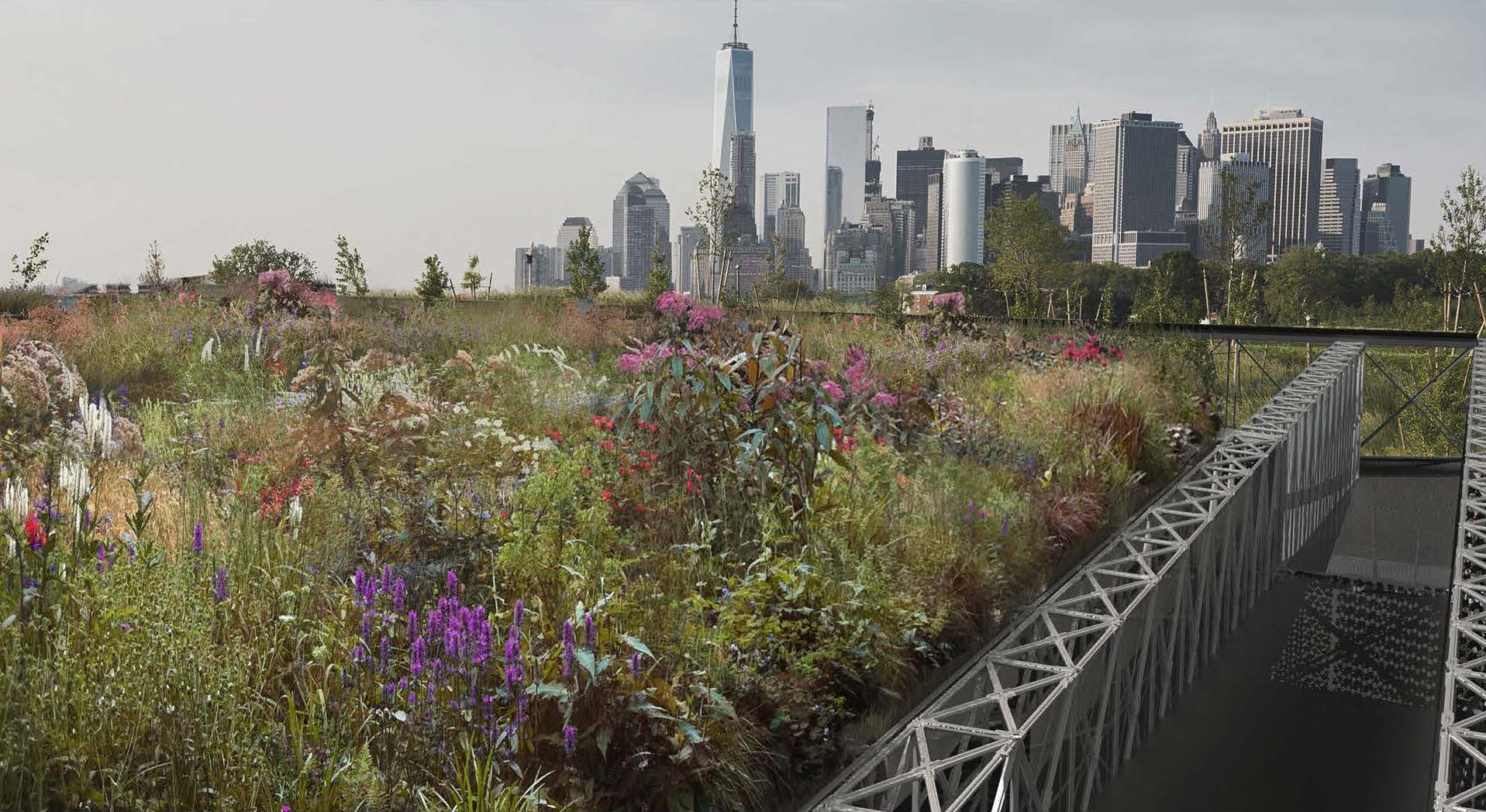
environmental sustainability The Environmental Systems Management Program is entirely devoted to urban environmental policy and systems. “Green development” and LEED courses augment the Facilities Management Program curriculum. The Historic Preservation Program is already “greened,” as the most sustainable action is to preserve and reuse.
urbanism In this century as in the last, the major human force on our planet is migration to metropolitan areas; while the major challenge of the present and future is addressing global warming. Prior city planning values of aesthetics (as per the City Beautiful movement of the late 19th century) and new technology (as per the City Efficient movement of the mid 20th century) must now be augmented with a new city sustainable movement. The PSPD is especially committed to realizing this paradigm on the community as well as the citywide basis.
social equity and economic viability True sustainability considers factors such as social justice and financial realities. Advocacy and participatory planning are core principles, further propelled by the Livable Cities and the Environmental Justice movements. Sustainability is not just a new set of technologies and standards; it is also a value system.
professionalism and internships Relevant employment and internships are an important component of the PSPD’s educational approach. Students entering with work in a relevant field may earn up to 25 percent of their credits through advanced standing. Paid internships are available; and students with unpaid internships may credits waived. The resulting variety of professional experiences enriches seminar discussions and studio teamwork, provides students with a wealth of contacts in the field, and strengthens their job qualifications.
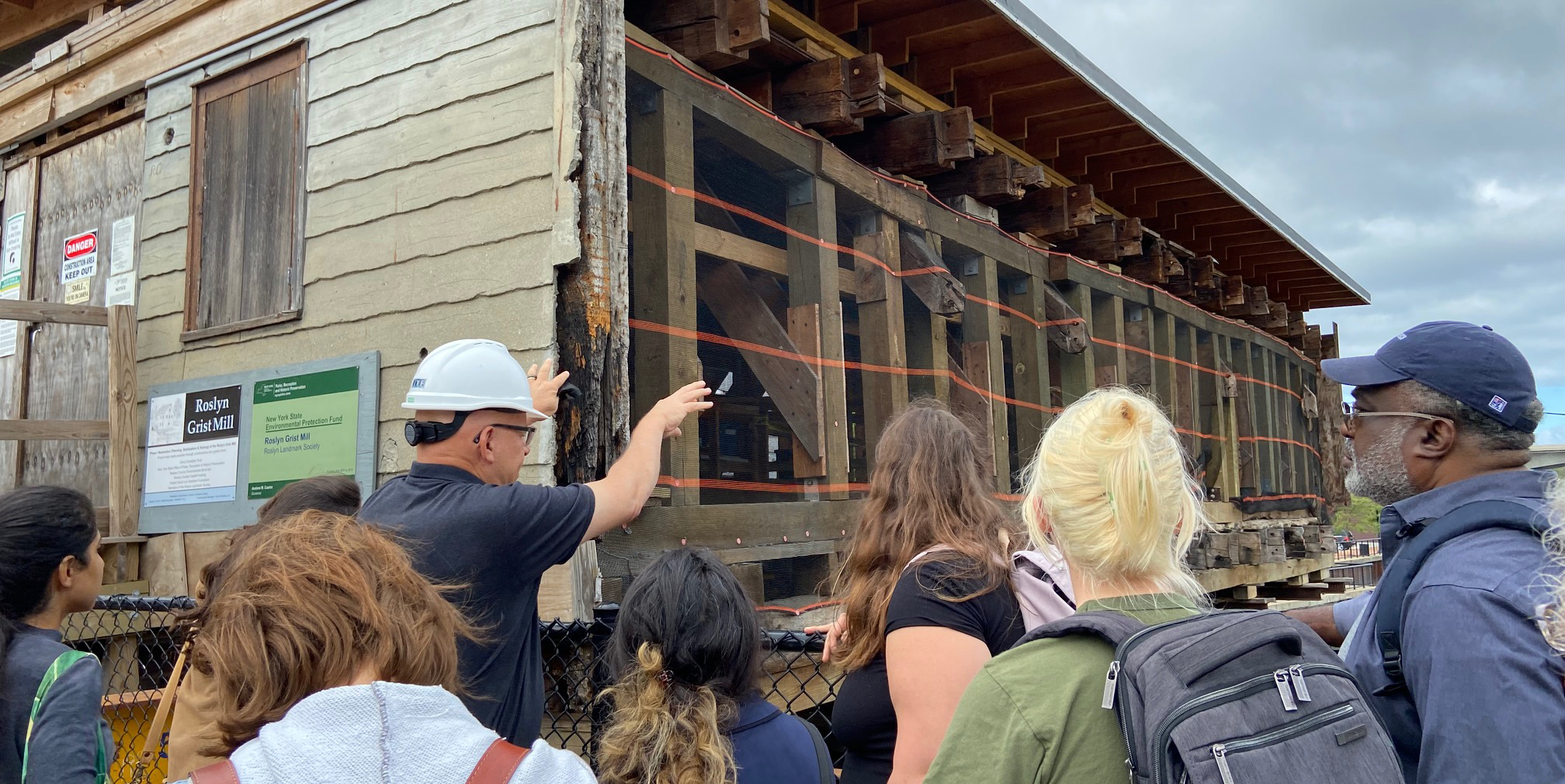
impact Through internships, partnerships, studios, demonstrations of professional competence, and directed research, students have ample opportunity to work on real-world and real-time issues. Successes are illustrated in this catalogue, and in the PSPD newsletter (check the websites for each program).
New York’s history, diversity, and international character offer a rich training ground for planners, preservationists, developers, and sustainability practitioners.
Students graduate equipped with the technical know-how, collaborative skills, and critical thinking necessary to pursue professional careers and plan for environmental and social justice in urban places. Alumni play leading roles in a broad spectrum of jobs in the public, private and non-profit sectors.
PSPD courses are offered in the evenings, except for the Historic Preservation Program’s courses, which are concentrated on two weekdays and evenings. This scheduling affords students maximum flexibility to work or intern, and affords the PSPD the ability to tap as faculty the region’s most accomplished professionals. These include the founders of community organizations, executives in development firms, New York City commissioners, political leaders, and more.
The PSPD strengthens the research credentials and sustainability values of the School of Architecture and Pratt Institute. In 2009-2010, for instance, the PSPD has been engaged to participate in the 2035 Sustainability Master Plan for Long Island, New York. The PSPD frequently organizes lectures and conferences on urban issues. Recent examples are Affirming Green: Emerging Trends in Ecological Design, and Art in the Contested City: A Conference Exploring the Role of the Arts in Contemporary Struggles Over Urban Space. One PSPD professor was co-curator of the U.S. exhibit at the 2008 Venice Architecture Biennale, Into the Open: Positioning Practice.

the pratt center The PSPD collaborates closely with the Pratt Center for Community Development (http://www.prattcenter.net) – one of the nation’s foremost university-based research and technical assistance organizations in the service of disadvantaged communities. A number of courses relate to Pratt Center projects. Many students intern at the Pratt Center. Pratt Center senior staff teach in the PSPD. Other faculty work closely with the Pratt Center on research and advocacy efforts. Pratt Center’s services include:
• Visioning to identify community needs and workable strategies.
• Testimony and events to inform groups and officials about community challenges and opportunities.
• Research; recommendations for action; and advocacy to advance community plans.
• Neighborhood to regional coalitions to advance specific policy recommendations.
The PSPD also enjoys a relationship with the New York Industrial Retention Network and with Project for Public Spaces. NYIRN is the City’s leading advocate and technical assistance provider for industry, and a national leader in studying and advocating green construction and industry. PPS is the nation’s leading proponent of placemaking, traffic calming, public markets and more, with projects all around the world. PSPD students have ample opportunity to intern with NYIRN and PPS, and work on their projects.
sustainable pratt The PSPD is one of the founding members of Sustainable Pratt (http://www.sustainablepratt.org), an interdisciplinary committee of students, faculty and staff. Sustainable Pratt facilitates awareness, communication and cross-departmental interaction about environmental sustainability.
global practice The PSPD is responding to the challenges of the “global village” with courses that run partly or entirely abroad. These courses are as much about students learning global innovations and practices as about providing opportunities for students to study in foreign places. As examples: Pratt students have traveled to Brazil to consider innovative approaches to affordable housing; with European students studied the revitalization of former industrial districts in the Czech Republic, Germany, and Brooklyn; and with Indian students fleshed out the community details of a regional sustainability plan for Goa.
joint degree in law Pratt Institute and Brooklyn Law School sponsor a program leading to the degrees of Master of Science in City and Regional Planning and Juris Doctor (J.D.). By taking full advantage of the PSPD’s alliance of programs, all PSPD students can further specialize in community development, environmental policy, preservation, or real estate. Students can also participate in Brooklyn Law’s Community Development Clinic, which represents community development corporations, cultural institutions and affordable housing providers that serve underrepresented communities.
The joint degrees can be earned in four to five years of full-time study – representing less time than if the two degrees were pursued independently. Students must apply and be accepted to both schools independently. Unlike the PSPD, Brooklyn Law does not admit students in spring; and prospective law students must take the LSAT. The joint degree can be pursued simultaneously, or sequentially so long as 15+ credits of the Pratt Masters degree are completed after matriculation at Brooklyn Law.
Contact: Julie Sculli, Academic Services Coordinator, Brooklyn Law School
((JavaScript must be enabled to view this email address)) 718.780.0626 http://www.brooklaw.edu/academic/joint/jointprogramsphp#mscity
Prospective students of the Pratt Institute City & Regional Planning Program are always welcome to drop by on the first Monday of each month (holidays included). Location: Higgins Hall North, Room 206D, 61 St. James Place (at Lafayette). Higgins Hall is one block south of the main campus directly south on Hall Street (Hall Street is the same as St. James Place). G train to Clinton/Washington, exit at the back of the train, and Higgins Hall is one block east. RSVP preferred: contact (JavaScript must be enabled to view this email address)
. Please indicate what program(s) interest you: City & Regional Planning, Historic Preservation, Environmental Systems Management (Environmental Sustainability & Policy).
Contact us: Graduate Center for Planning and the Environment, 61 St. James Place, Room 206, Brooklyn, NY 11238, 718-399-4340, Email: (JavaScript must be enabled to view this email address) or (JavaScript must be enabled to view this email address).
View or download Pratt's Academic Calendar
Learn more about the Pratt Center
Learn more about the America Reads/Counts tutoring program
Learn more about Pratt's Libraries
WAC offers several programs that bring writing into the studio classroom.
Use our new online course catalog to find any course in any field