Urban Environmental Systems Management
Pratt’s graduate degree in sustainability, Urban Environmental Systems Management, provides an excellent practice-based education for professionals. Our curriculum, which is focused on the integration of environmental science, policy and design covers:
- Integrated urban systems designs for water, energy and solid waste
- Sustainable community development
- Environmental & Social Justice
- Inter- and trans-disciplinary study
In our climate challenged future, urban systems require an integrative approach that balances environmental, economic and social impacts. At Pratt, our approach to sustainability is trans-disciplinary. Our faculty and students represent a wealth of disciplines and they truly believe that solutions to complex urban issues can only be developed through many points of view. As part of the graduate School of Architecture, we are immersed in one of the Nation’s top art & design schools. At Pratt you will study environmental sustainability with artists, designers, architects, planners, preservationists and managers. We place particular importance on the development of critical analysis, systems thinking, oral presentation and writing skills.
Current Initiatives
Pratt Disaster Resilience Network
http://prattdrn.wordpress.com/
Open Houses
PSPD's Brooklyn-based programs (City & Regional Planning, Urban Environmental Systems Management, and Historic Preservation) have an open house on the first Tuesday of every month from 6-8pm. Arrive at Higgins Hall North suite 206 at 6pm for an overview of the PSPD, then meet with the coordinators of each program based on your interest(s). If you cannot make it by 6, please feel free to arrive later for the program-specific meetings. Please RSVP to Dana Feingold at dfeingol@pratt.edu and indicate your program(s) of interest.
These programs also have two Saturday Information Sessions per semester. Fall 2012 Saturday Information Sessions are October 20 and December 1 from 10am-12pm. Please visit this page for more information.
“...a new paradigm for city-regions is emerging. Its goal is the balance of three factors: economy, environment and equity.”—Robert Geddes
Spring 2013 Highlighted Courses
Productive and Performative Landscape
Faculty: David Seiter
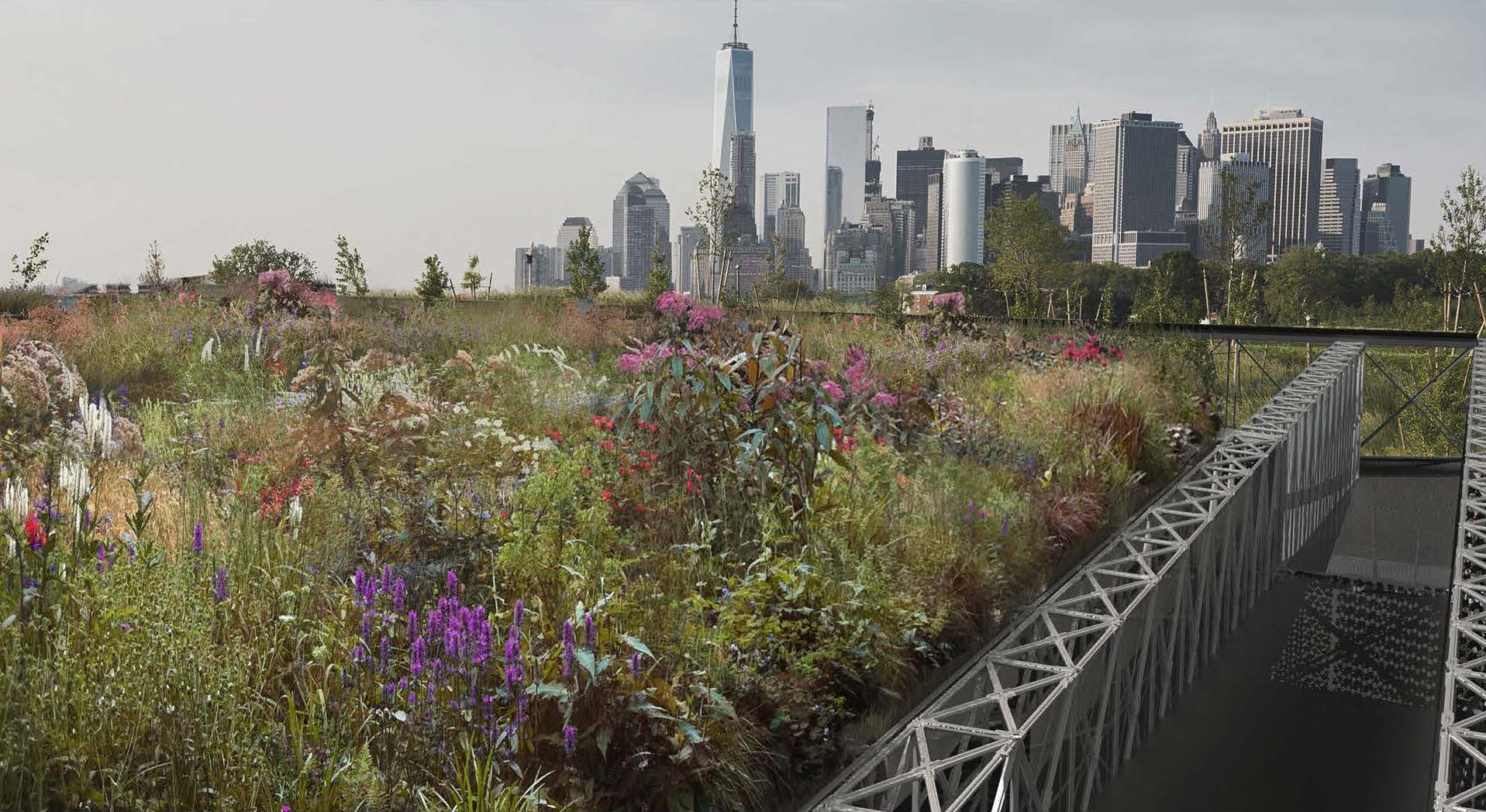
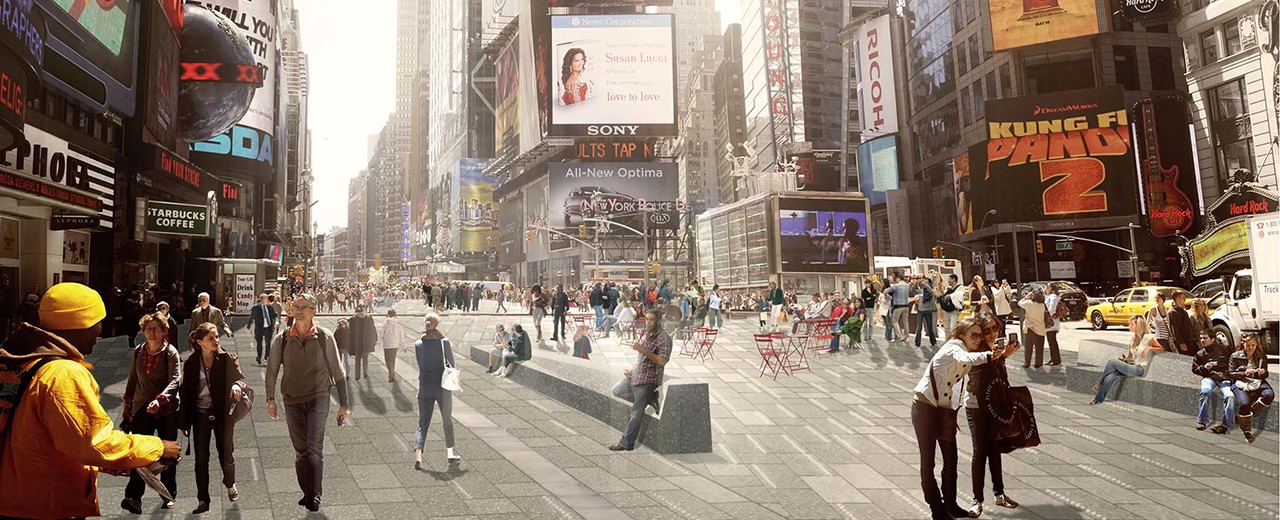
Through a patchwork of productive and performative landscape typologies – such as the ecological green roof, the phytoremediation field, the street tree orchard and the urban micro farm - new paradigms are being created for urban public space that are not limited to the prototypical landscapes of the park or garden. This course will explore these emergent trends in landscape design as essential components of a developing urban green infrastructure. The landscape typologies will be introduced through a series of case studies with projects ranging from Seville, Spain to Ridgewood, Queens. Each class is organized around a “performative” or “productive” concept and is articulated through substantive readings, interactive lectures and engaging guest speakers. In addition to highlighting innovatively practical solutions to typical infrastructural problems, the projects we will examine reflect the poetic possibility of urban landscapes to emerge as both ecologically functional spaces and cultural experiences.
Climate Change and Cities
Faculty: Michael Haggerty
Global Warming and Climate Change represent among the greatest challenges to global well-being and security and to the future of humans on Earth. This course will examine the science and history of this crisis with a focus on the various policy initiatives and actions being taken globally and locally to both mitigate and prepare for the impacts of climate change. The class will look at case studies from different cities around the world and pay particular attention to New York's PlaNYC, which sets the goal of 30% reduction from current greenhouse gas emissions by 2030.
NYC / Sao Paulo Urban Challenges
Faculty: Perry Winston
Many of the urban challenges faced by the low income population in many places in the
world are similar even in cities as diverse as São Paulo and New York. Even though each city has its own history and characteristics, the necessities and struggles of the poorest families have similarities and frequently are astonishingly identical. The struggle for better housing and land tenure, good food, medical services, education, and public security are active areas of popular organizations in many countries.
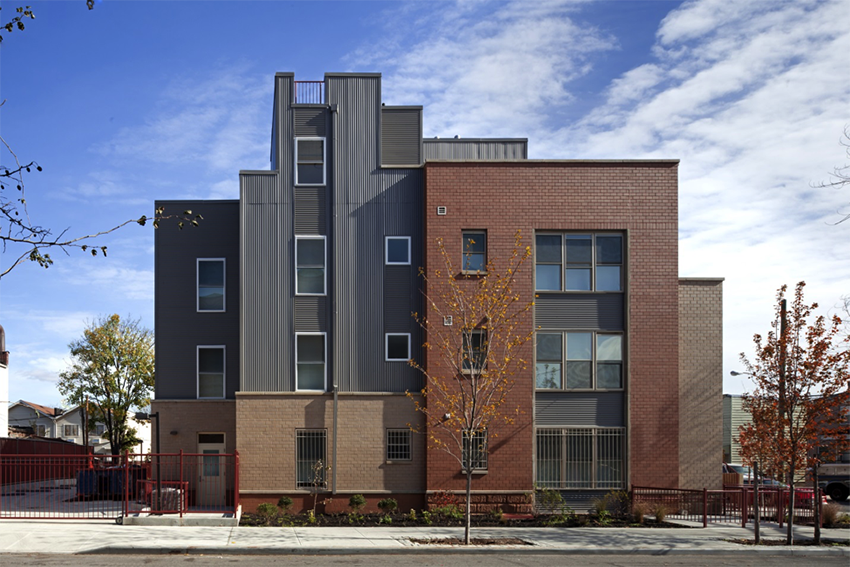
A relatively-new concept for those who are involved with urban is the Right to the City, a concept written into the Brazilian national constitution of 1988. In order to comply with this right, the low income population must be truly included in the urban processes. Access to affordable housing and to city services are key elements in allowing all the citizens to have legitimate access to the city. Unfortunately this access is not happening in our cities, not only in the so-called developing world but also in many rich countries worldwide.
The low income population in both cities is the focus of this exchange. Two specific challenges faced by this population will be approached: 1) low income housing; 2) access to city services. How have these two issues been approached in both contexts? Which solutions have been found? Which actors are involved? Which contributions can each city give to the other? Several solutions adopted in the Brazilian context have parallels in the American context and vice-versa. The exchange is a collective learning exercise in which all the people involved have the opportunity to show, listen and discuss experiences. It can help each one involved to draft solutions that hopefully will not only be discussed during the exchange but mainly used afterwards in the context of each city and community. Students/researchers and professor from Pratt Institute, planners and organizers from Inter Accão, specialists, and representatives from São Paulo community development movements will be part of this exchange.
Contact Us
Programs for Sustainable Planning and Development
Higgins Hall, Room 206
61 St. James Place
Brooklyn, NY 11238
Jaime Stein
Coordinator, Urban Environmental Systems Management
jstein9@pratt.edu
Phone: 718-399-4323
Dana Feingold, Assistant to the Chair
dfeingol@pratt.edu
Phone: 718-399-4340
Learn more about the America Reads/Counts tutoring program
Search for any Pratt course online
Premier provider with the American Institute of Architects
Pratt Manhattan is proud to be an authorized training center