Haresh Lalvani
Professor
- Department
- Undergraduate Architecture
- School
- School of Architecture
- hlalvani@pratt.edu
- Phone
- 718.399.4305
Education
B.Arch., Indian Institute of Technology, Kharagpur, India; M.S.Arch., Pratt Institute; Ph.D. Arch., University of Pennsylvania.
Current Courses
Work Samples
-
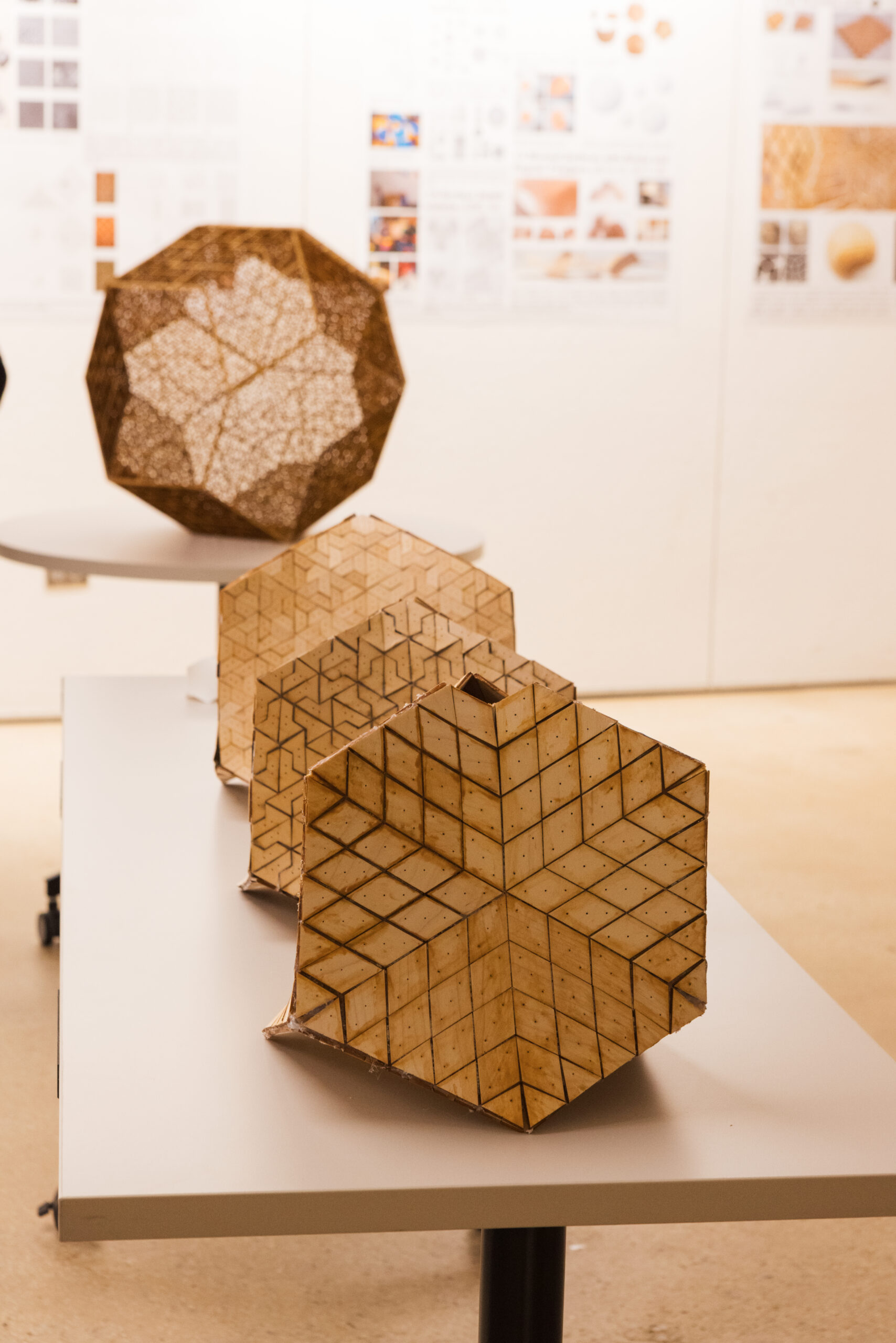
HyperTILES, HyperBRICKS
"Brick construction, among the oldest in architecture, and its relatives – tiles, blocks, grilles – exemplify a powerful atomic approach to building technology. Throughout its millennia of use, the shape of brick has remained practically unchanged despite improvements in size, proportions, materials and methods of manufacture. With the availability of digital fabrication combined with new discoveries in geometry (mathematics) in recent decades, brick design is primed for a shape revolution.
In the 1980’s-90’s, the PI developed an infinite class of 2D shapes for tiles/bricks/blocks projected from higher dimensions. These flat hypertiles (hyperbricks, hyperblocks) have equal edges, are convex or non-convex and symmetric or asymmetric, widely expanding the shape repertory of tiles. Based on the infinite number series: 2, 3, 4, 5, 6, 7, …, hypertiles come in distinct families of shapes for each number which represents the number of directions (dimension) of tile edges. However, hypertiles are restricted to making flat surfaces. It is mathematically impossible to build compound curved surfaces with more than 120 identical tiles making gaps between tiles unavoidable for large number of tiles. For architecture, gaps are a non-issue; filler materials like adhesives (glue, mortar) can enable physical structure. This makes hypertiles/hyperbricks with gaps viable for building.
The multi-directional orientation of hypertiles enables connecting with other tiles in many more ways, increasing design options. Multi-directionality of shapes also leads to greater structural engagement and increased surface contact between tiles. We expect these important features to impact their environmental performance (structural, thermal, etc.) favorably, something we are keen to test.
The models show hypertiles built as a sphere, polyhedra and curved minimal surfaces. Visible gaps between tiles/bricks are digitally precise and require inventive methods of installation – formwork, robotic construction or use of drones. Machine learning algorithms should enable more uniform gaps, providing a practical solution for any brick mason. "
-
X-REED HYGROSTRUCTURES: Introducing Triply Green Building Technology
"This project is a work-in-progress on HygroStructures (‘hygro’ from the root Greek word ‘hugros’, meaning ‘wet’), a new class of physical structures that conserve form, material and process. HygroStructures are formed by water and air acting on absorbent material by wetting and drying to make rigid structures. A green process.
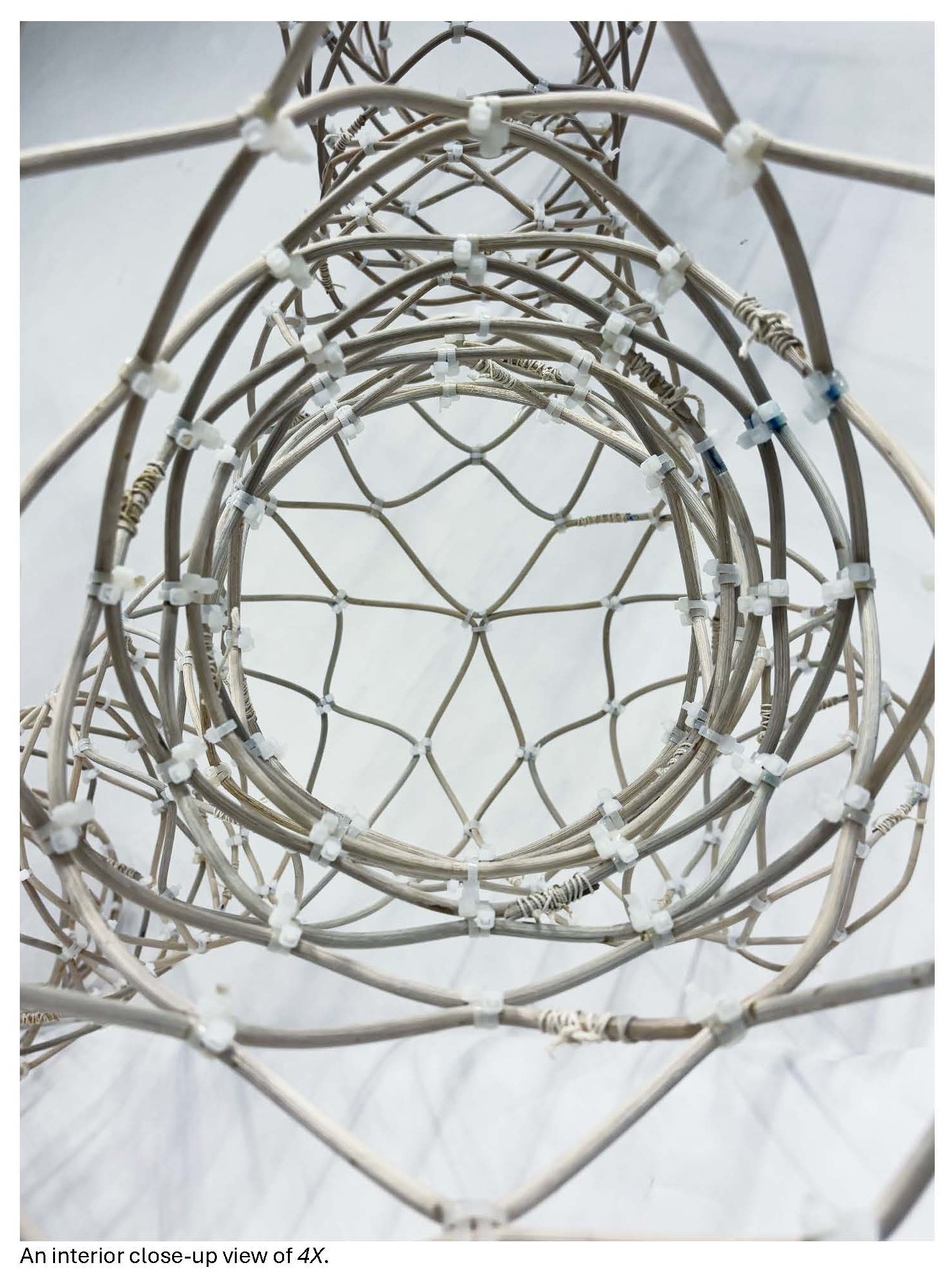
Within HygroStructures, we show one application to X-Reed, eXpanded structures made in reed, a green material. X-Structures start from 2D and expand into 3D forms by applying force, another green process. Expanded structures build on X-Structures in metal by the principal investigator with the metal fabrication company Milgo-Bufkin as one of Milgo Experiments (1997-2014).
X-Reeds are formed by force, air and water. We present one example – 4-Way X-Reed, or 4X - as proof-of-concept of a new building technology. 4X (Plates 1-3) is a minimal structure in two ways. It has a minimal surface for the volume covered and is based on the diamond lattice, a minimal 3D lattice. Its form is minimal, a green form.
4X has a green form made from a green material using a green process, an introduces a triply green building technology. In future, we expect to apply this technology to a small experimental pavilion.
Plates 4-6 show earlier stages of development of 4X.
Since reed is limited due to available sizes and strength, our hope is to adapt expanded structures to X-Bamboo to enable larger structures in bamboo, a more resilient material with a negative carbon footprint. "
-
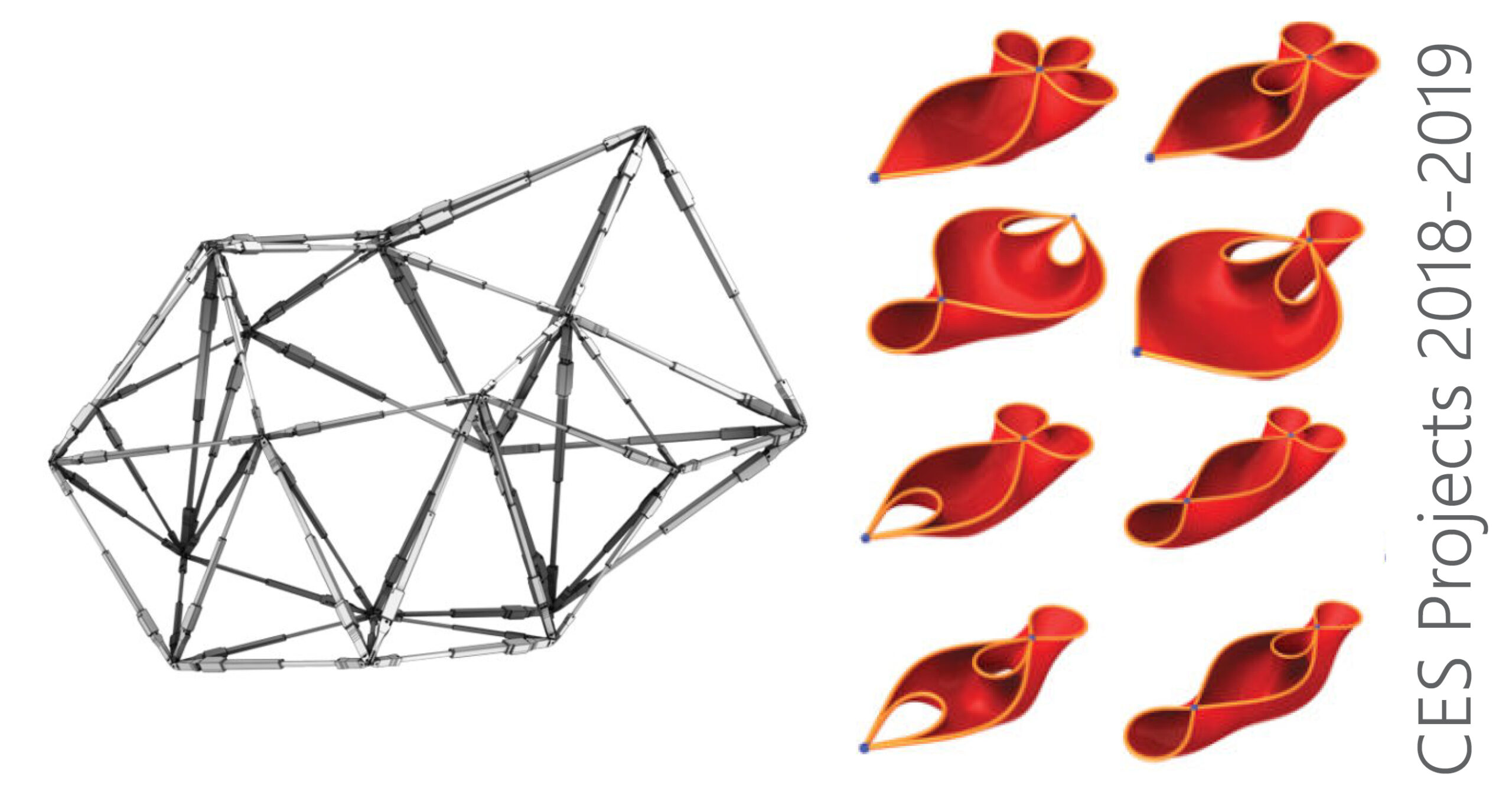
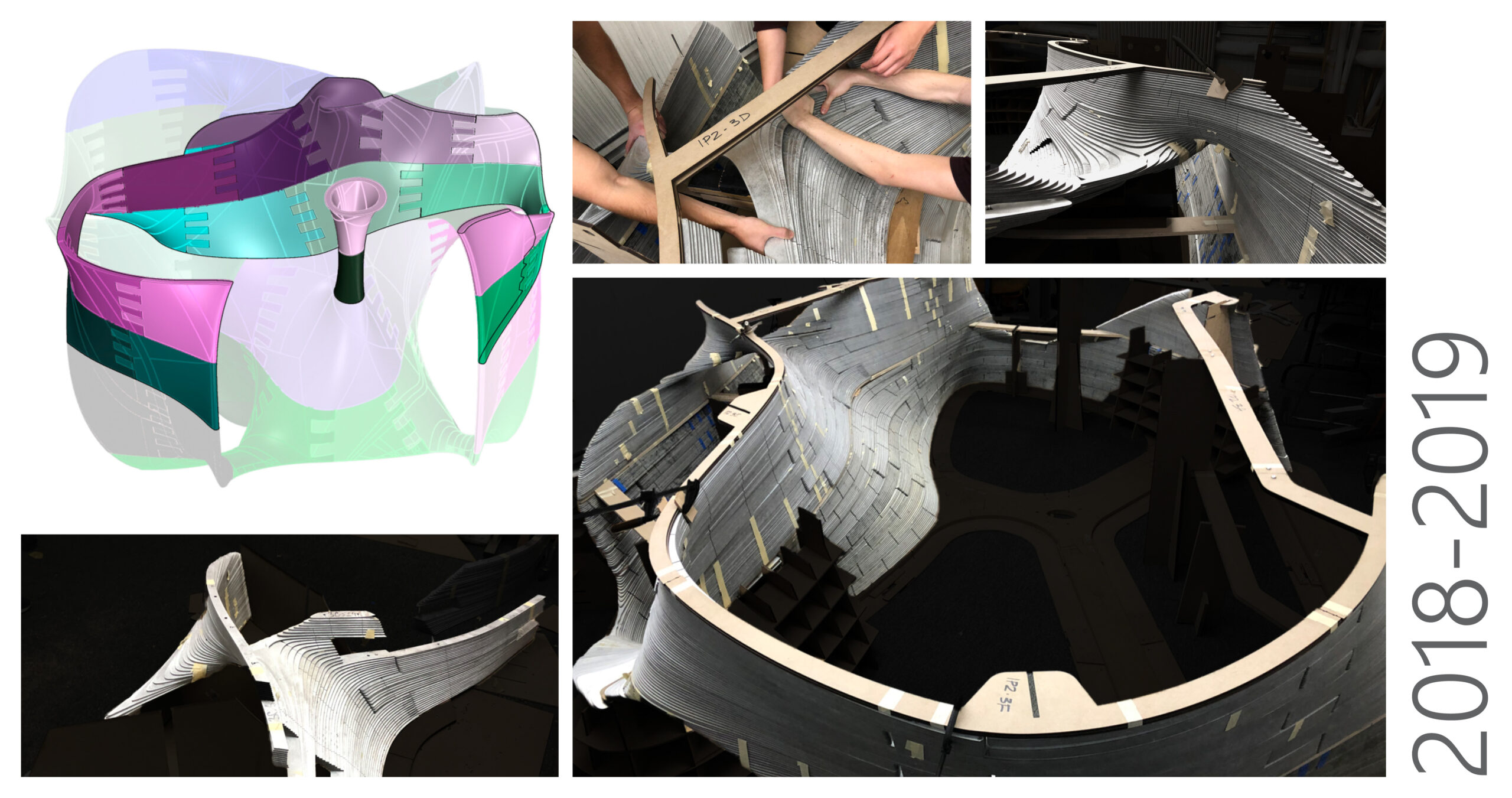
CES Projects 2018-19
-
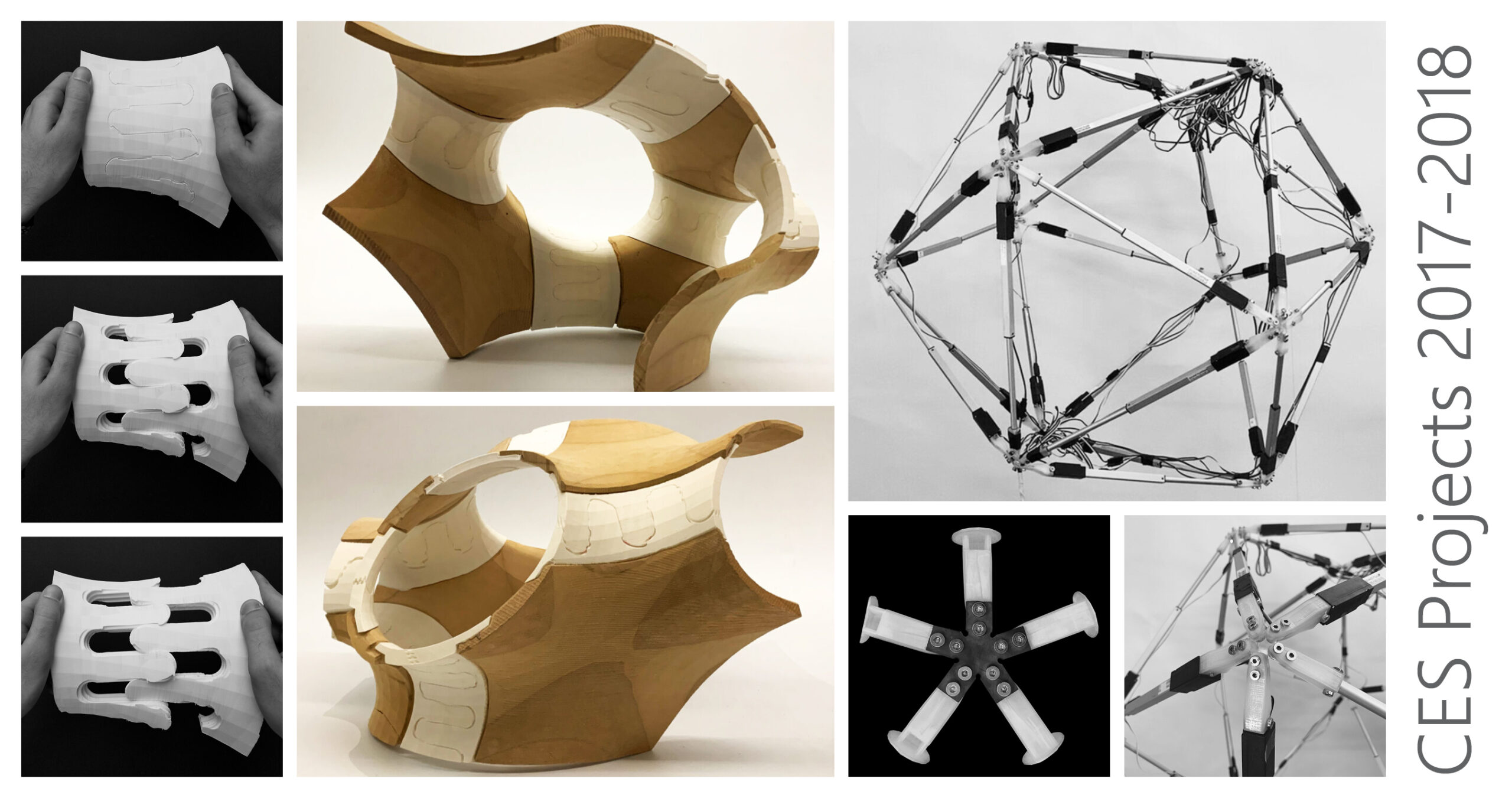
CES Projects 2017-18
-
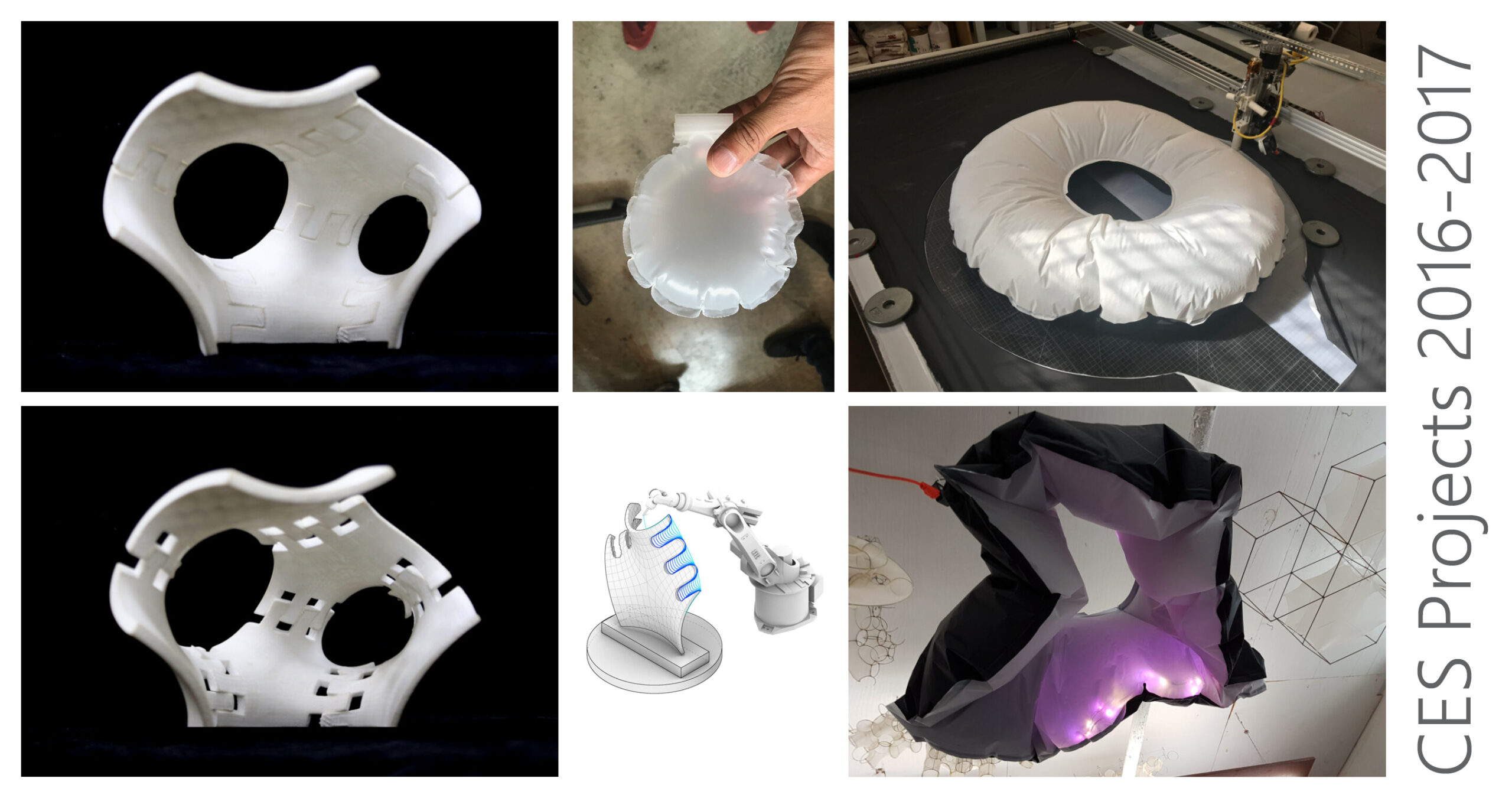
CES Projects 2016-17
-
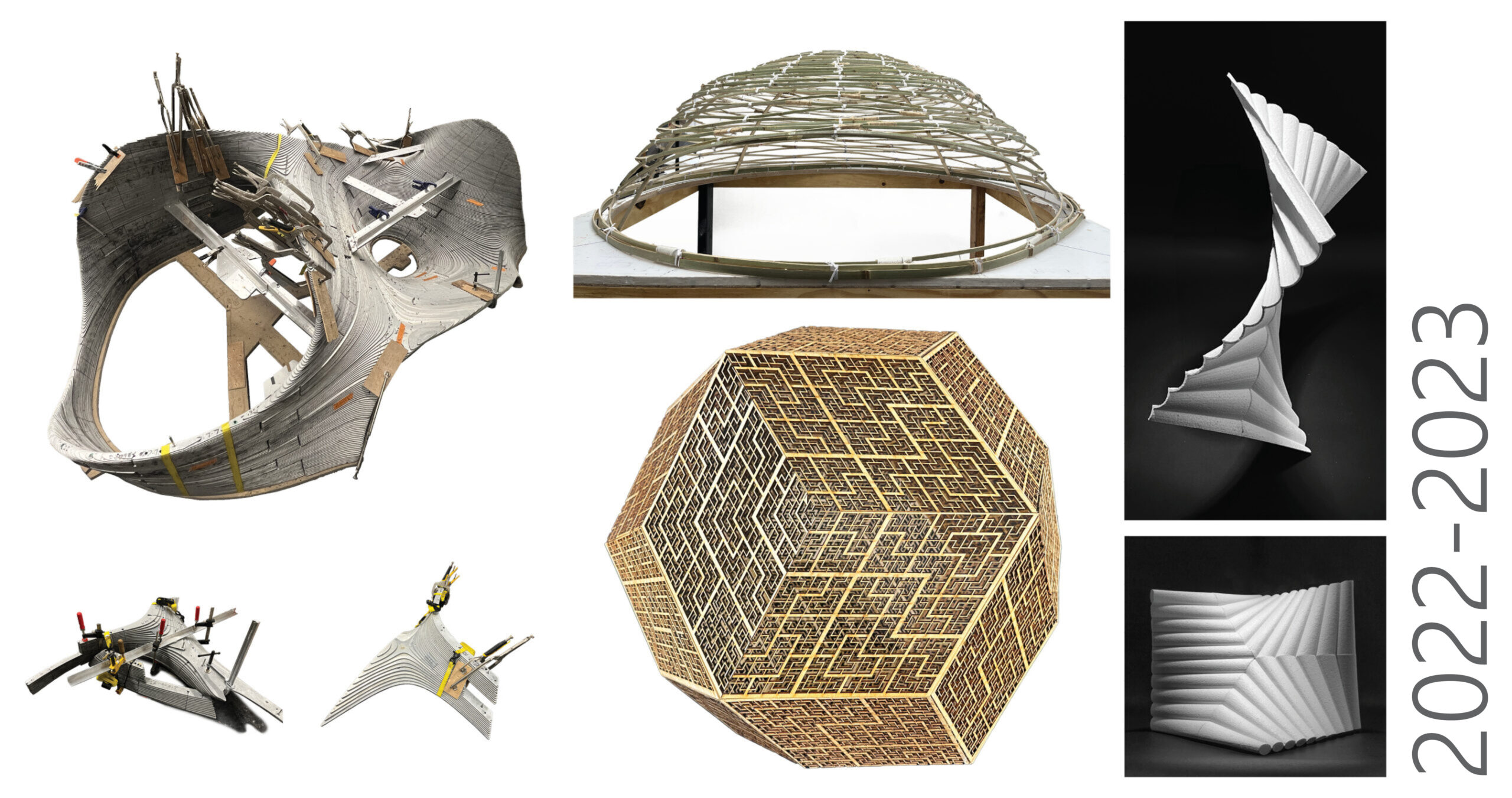
Haresh Lalvani 2022-2023
School of Architecture, Center for Experimental Structures -
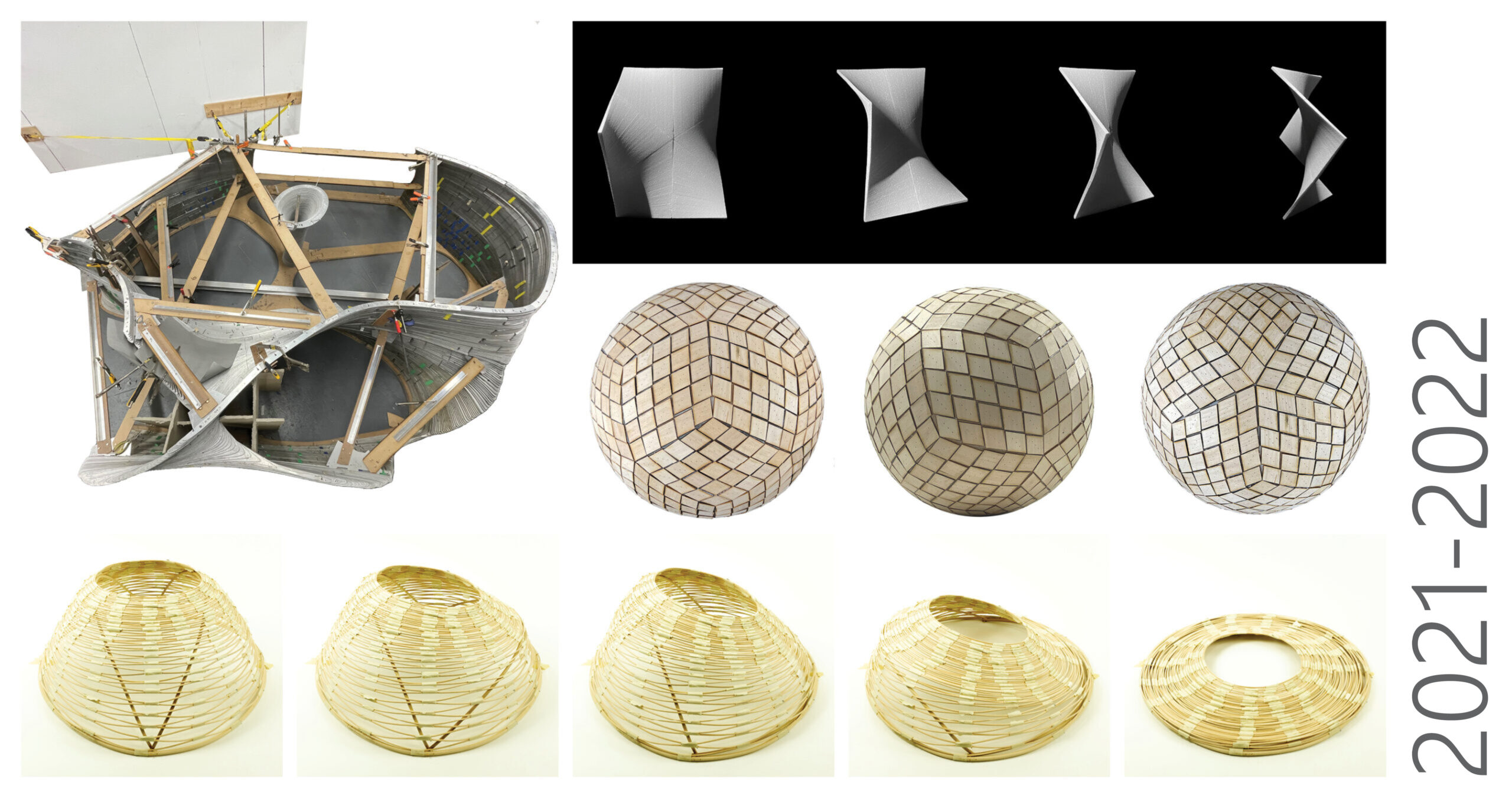
Haresh Lalvani 2021-2022
School of Architecture, Center for Experimental Structures -
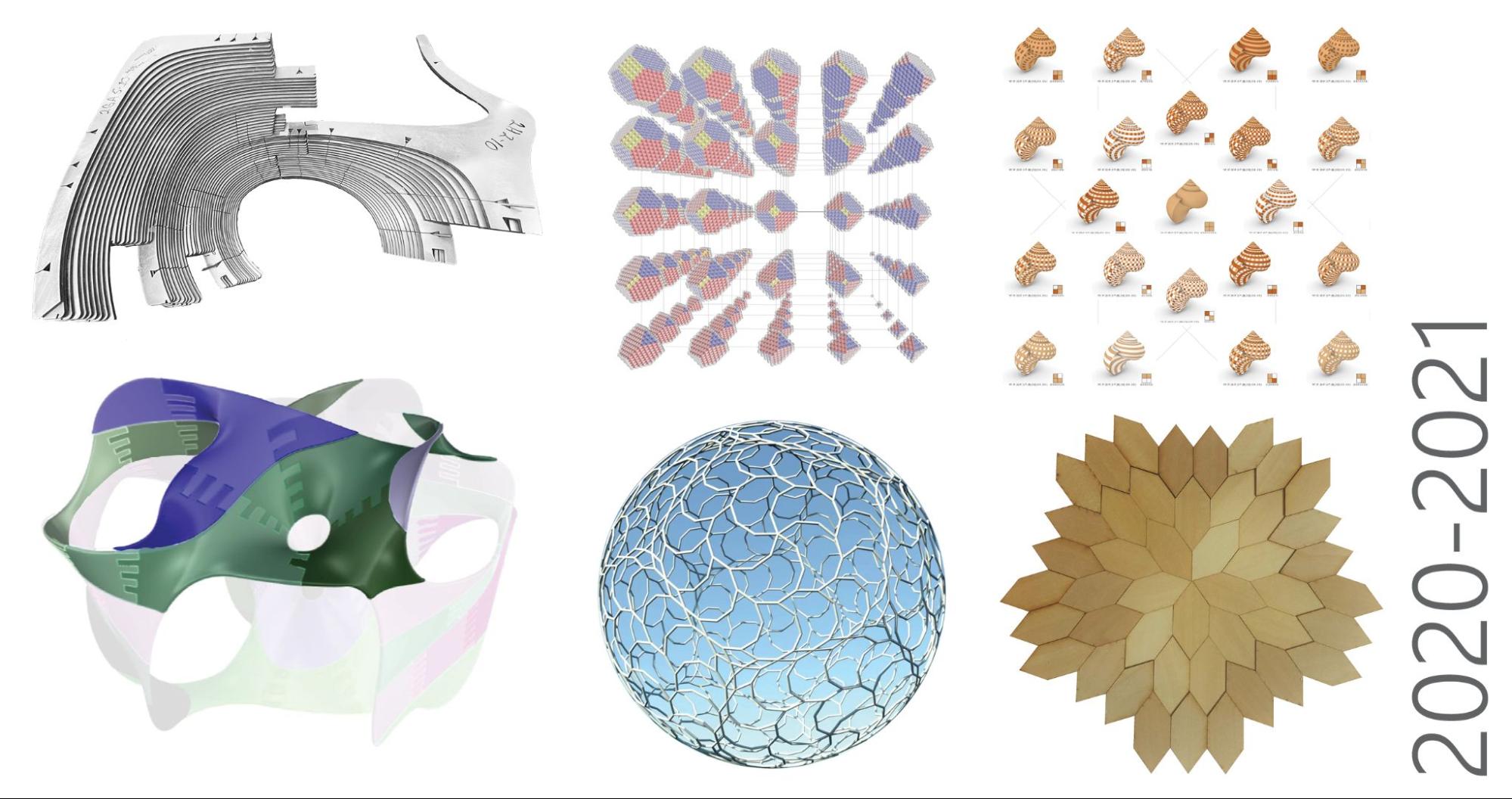
Haresh Lalvani 2020-2021
School of Architecture, Center for Experimental Structures -
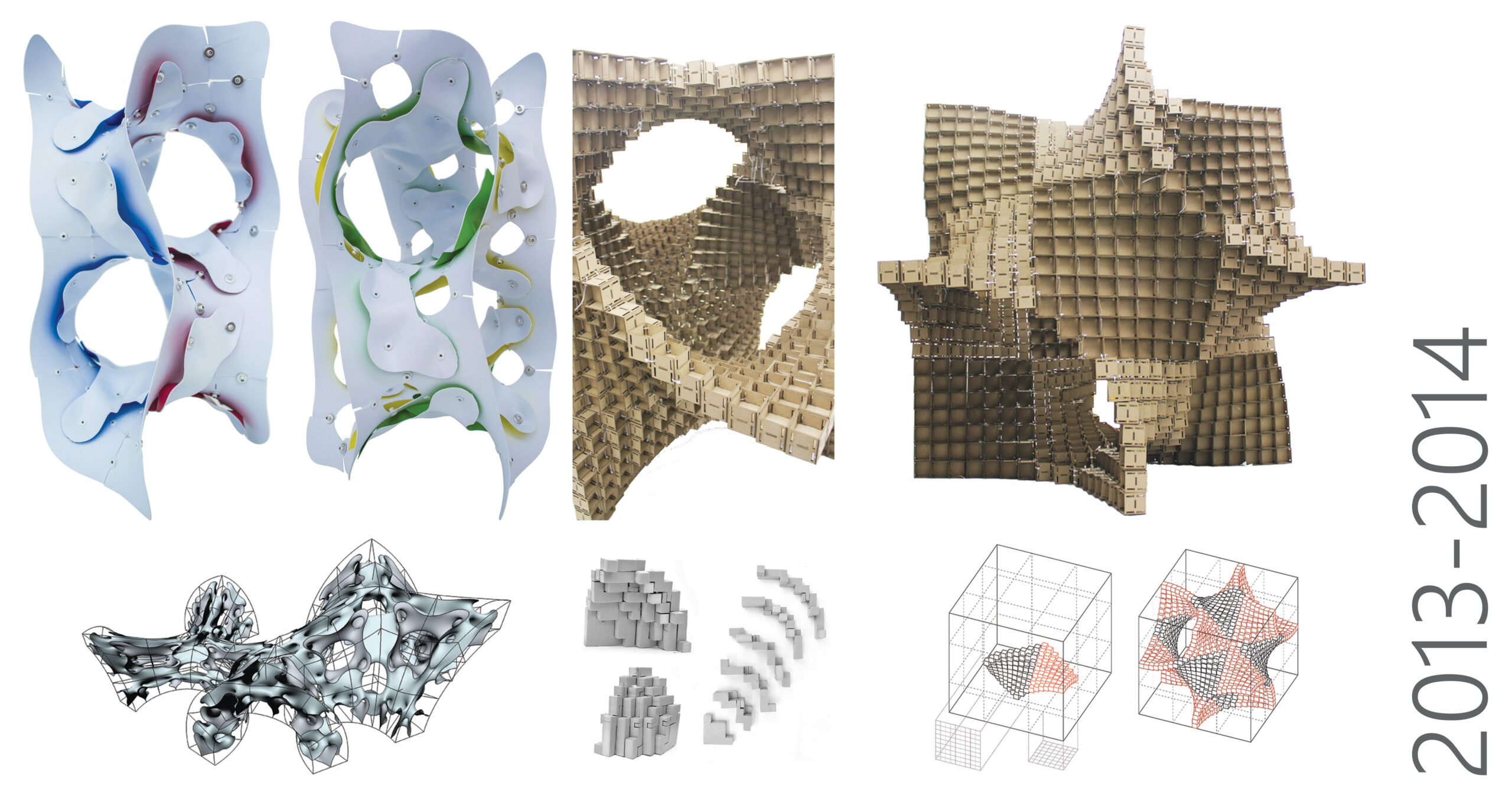
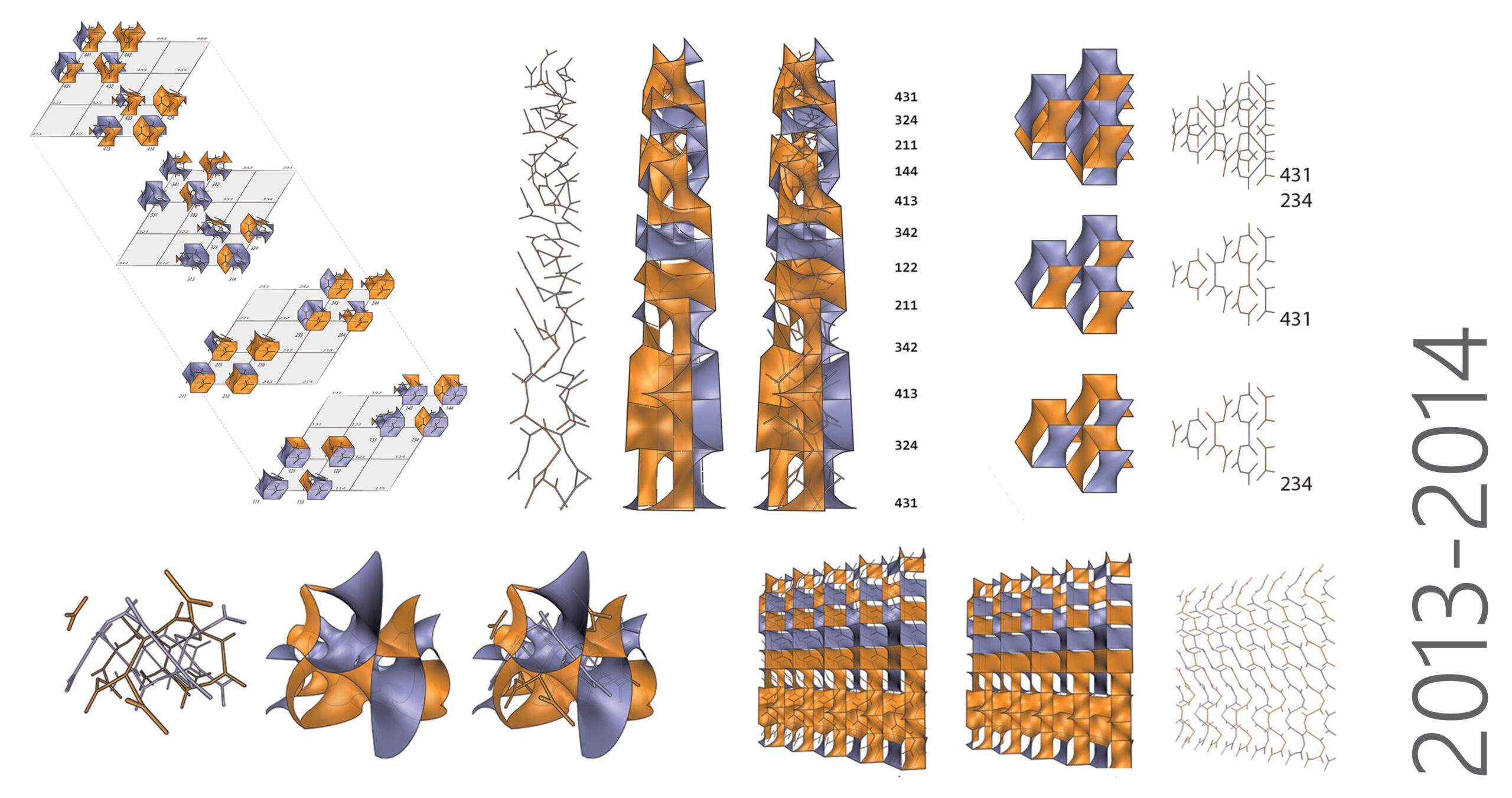
MORPHOLOGY STUDIOS 2013-2014
School of Architecture, Center for Experimental Structures -
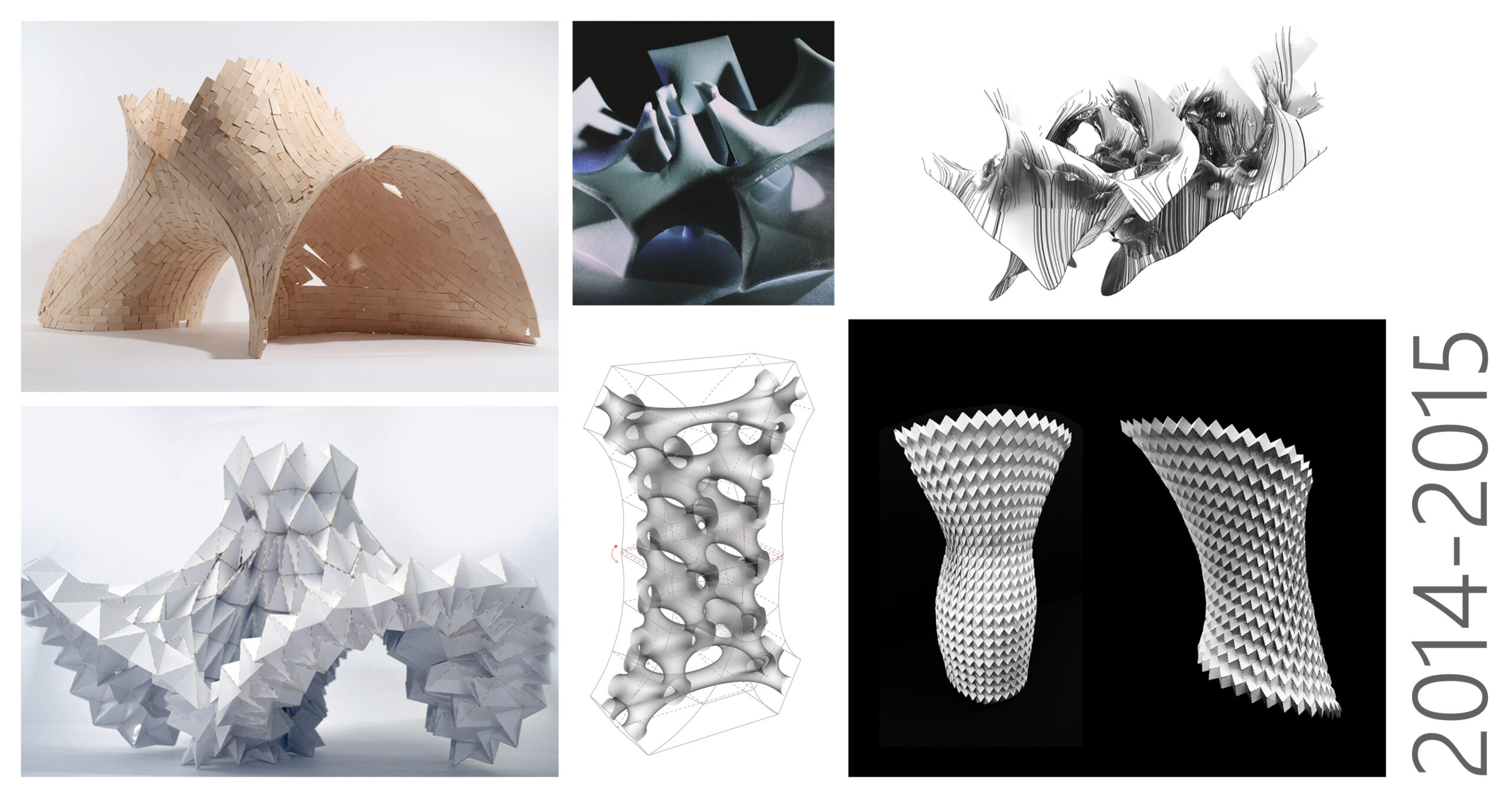
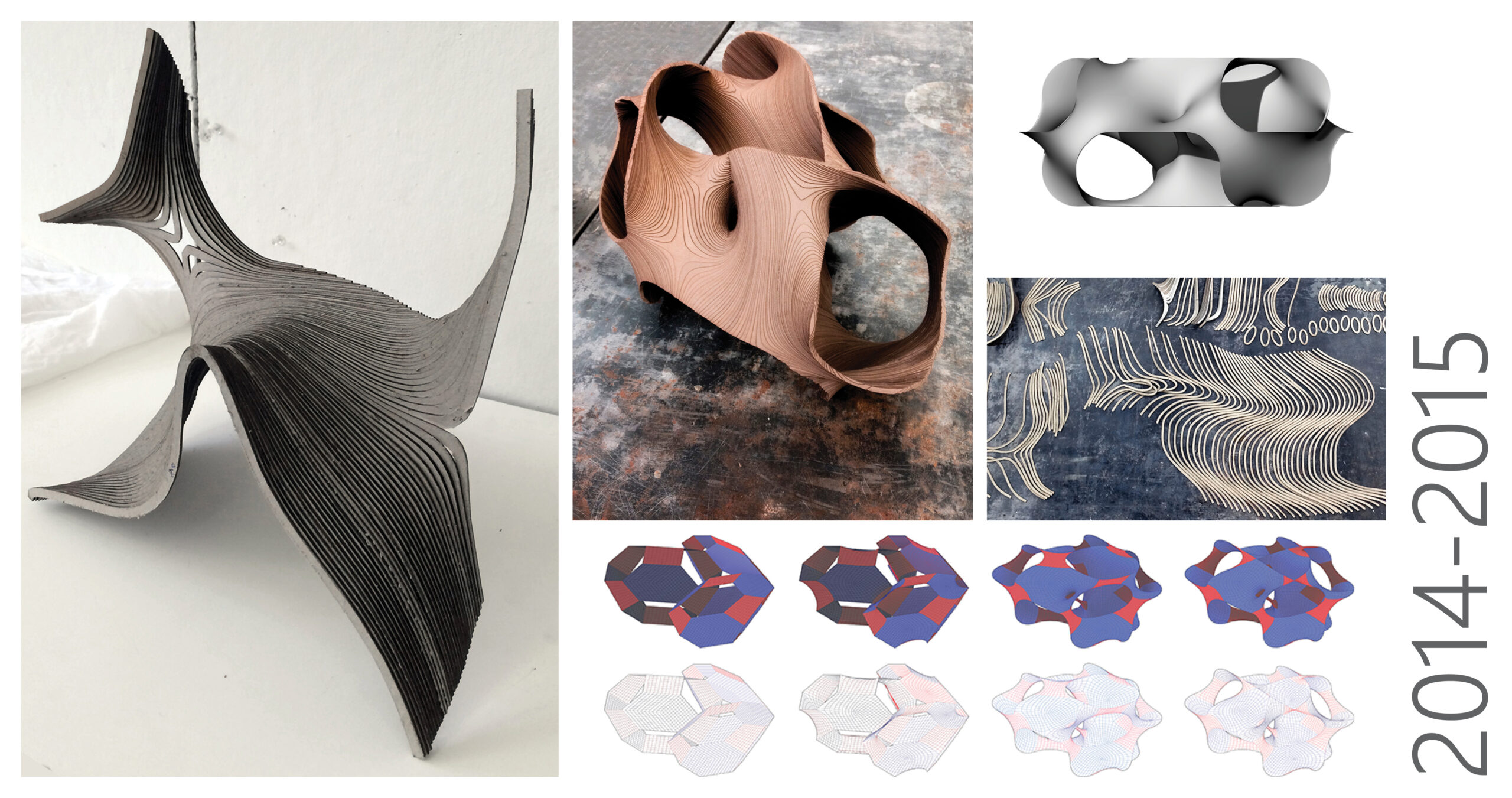
MORPHOLOGY STUDIOS 2014-2015
School of Architecture, Center for Experimental Structures -
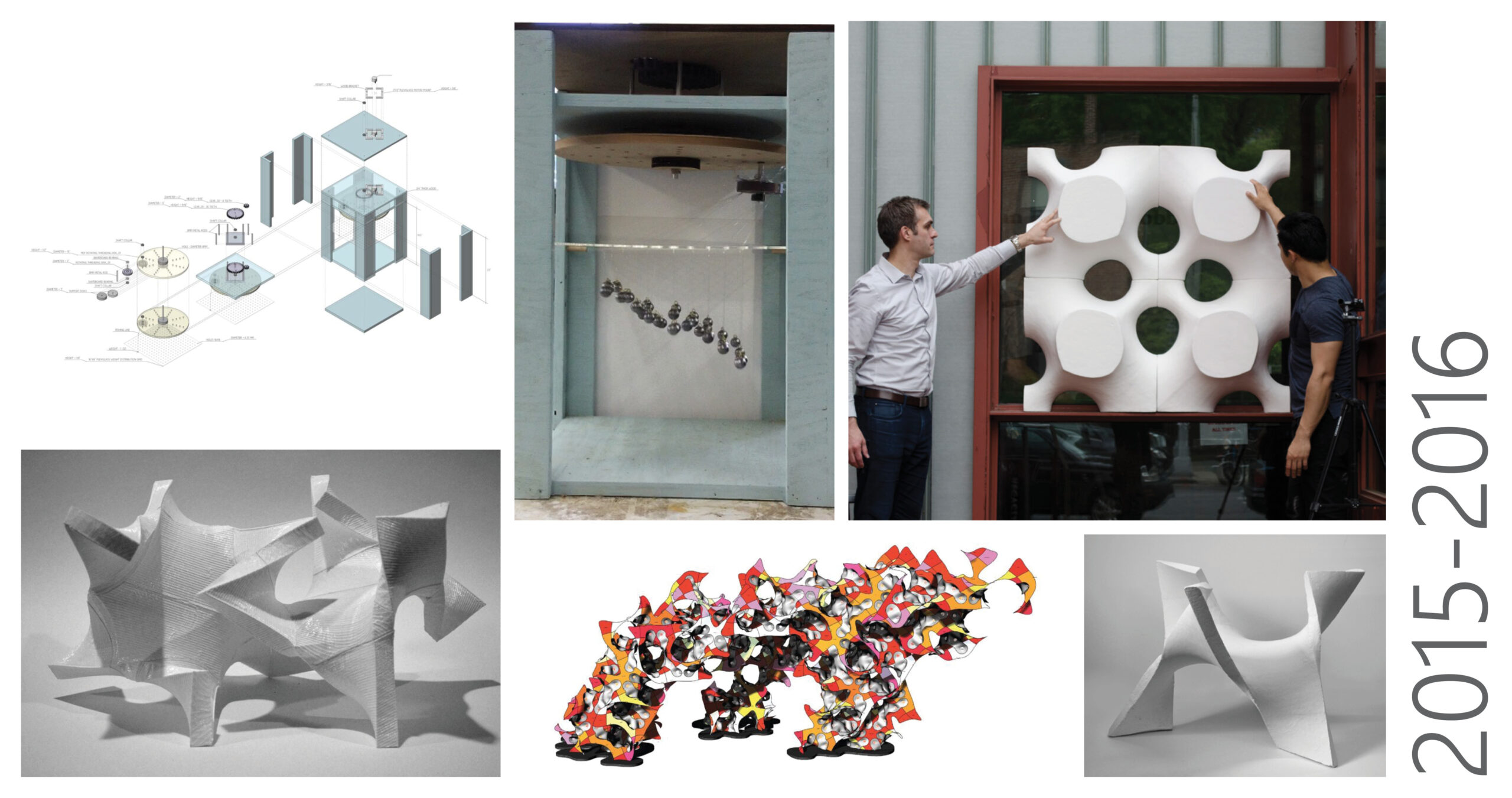
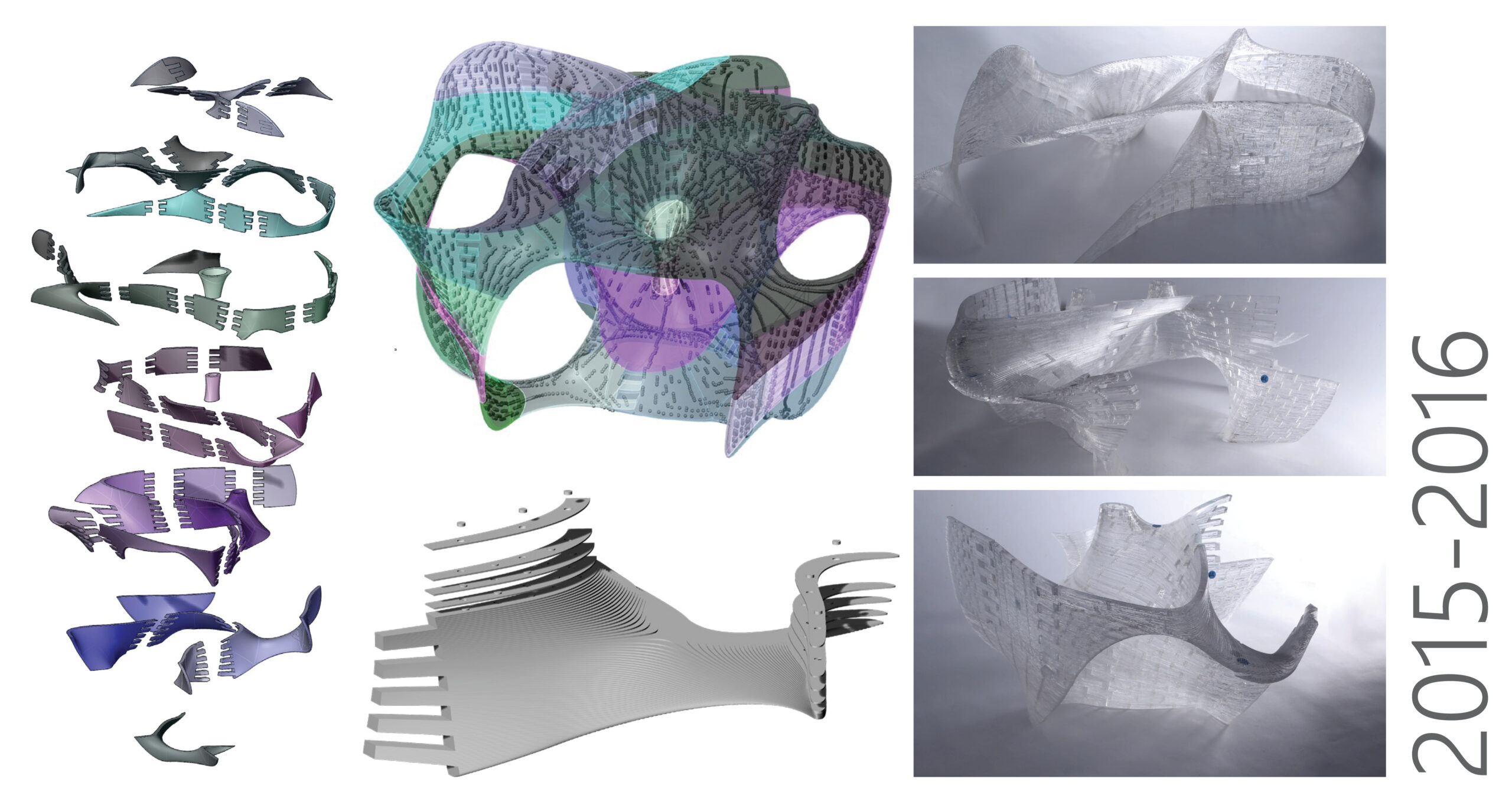
MORPHOLOGY STUDIOS 2015-2016
School of Architecture, Center for Experimental Structures -
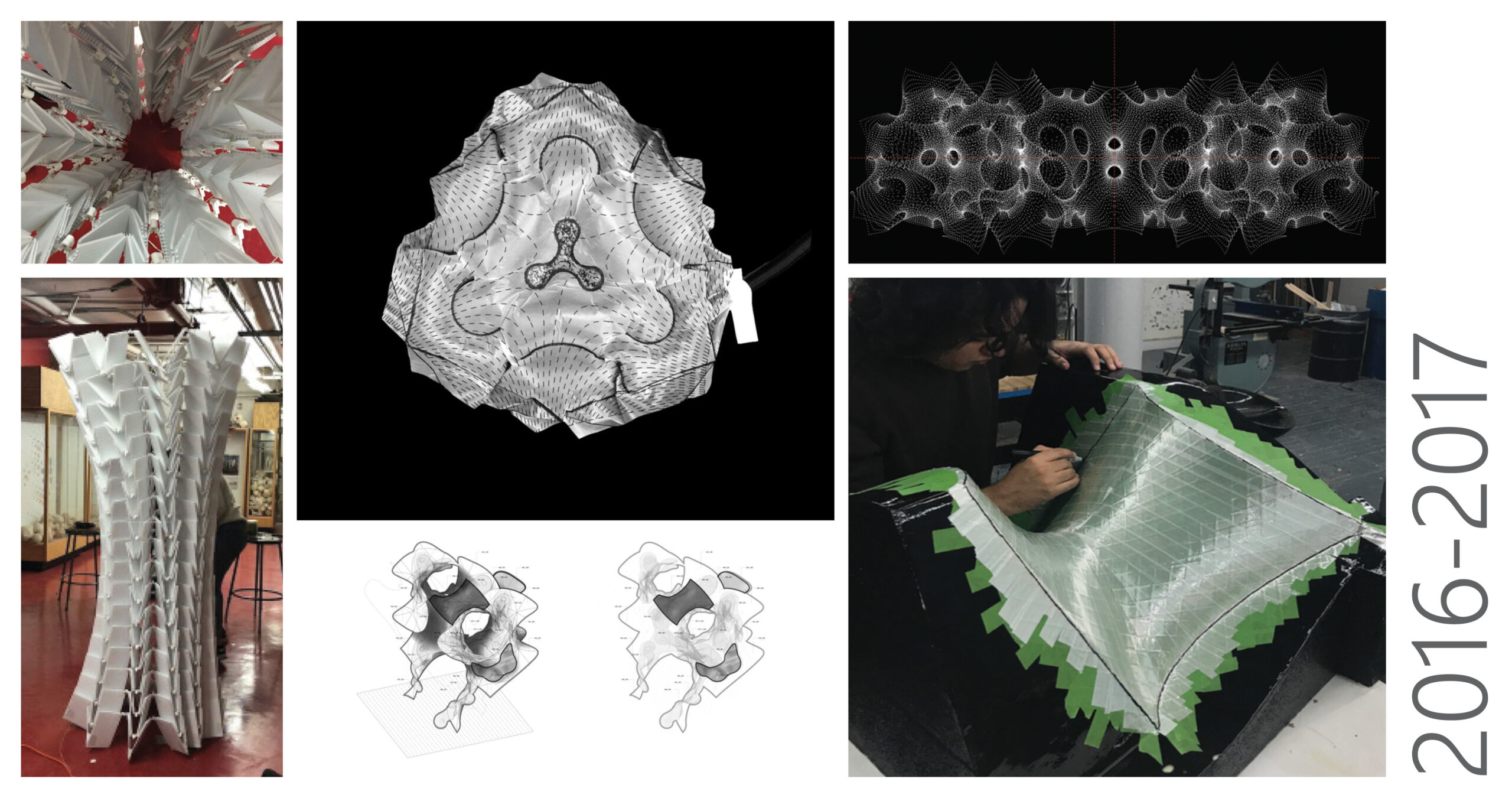
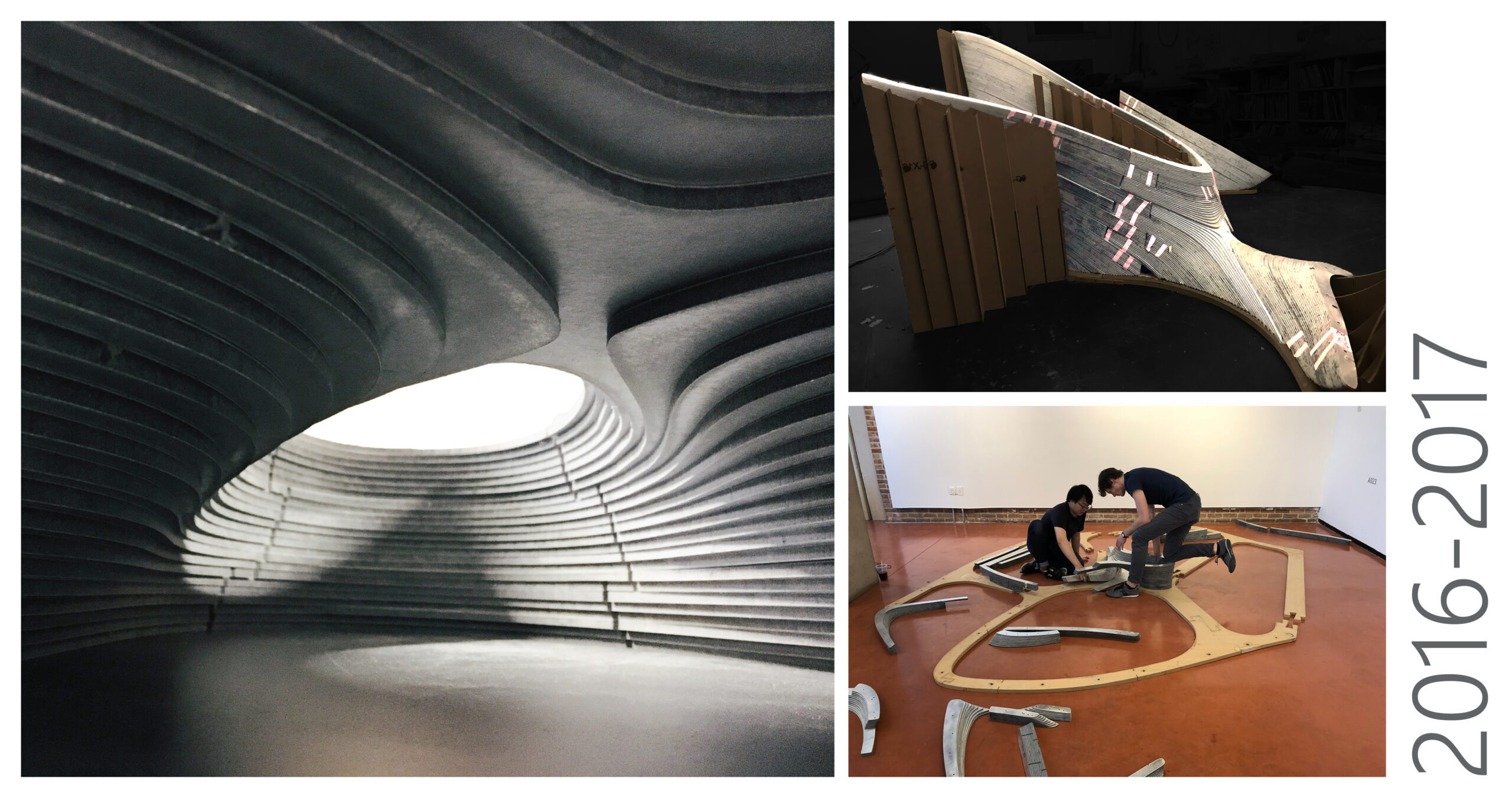
MORPHOLOGY STUDIOS 2016-17
School of Architecture, Center for Experimental Structures -
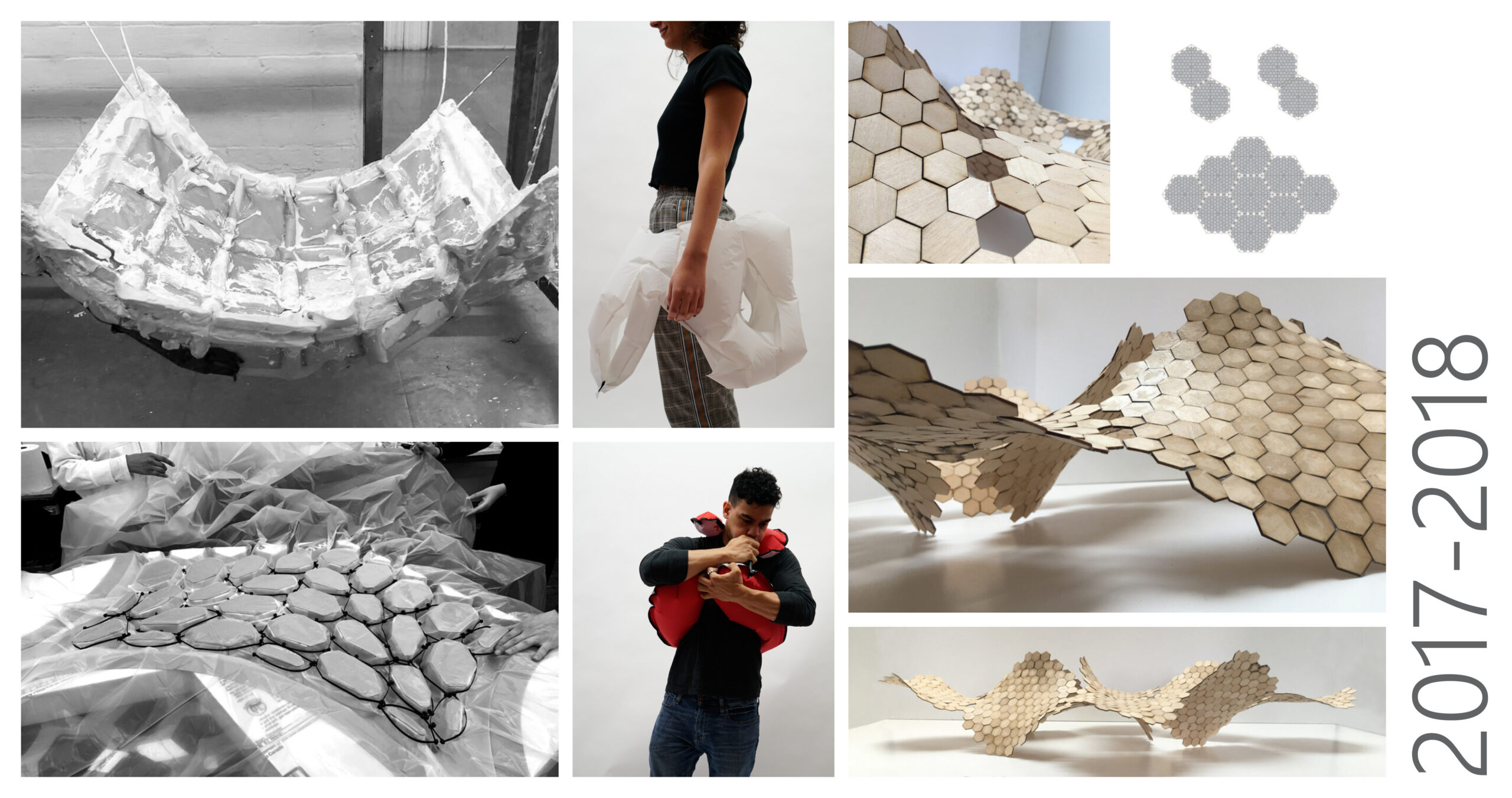
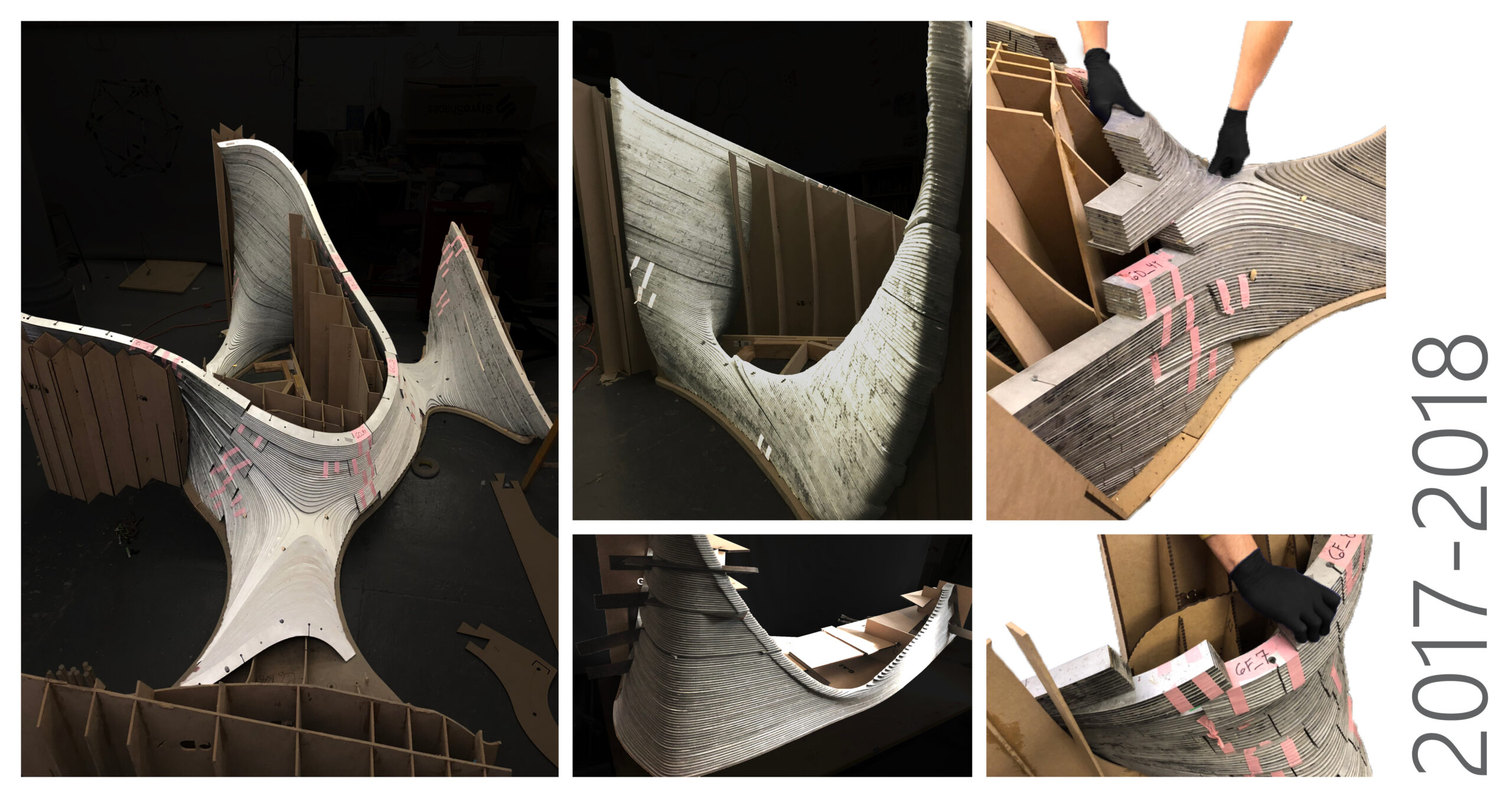
MORPHOLOGY STUDIOS 2017-18
School of Architecture, Center for Experimental Structures -
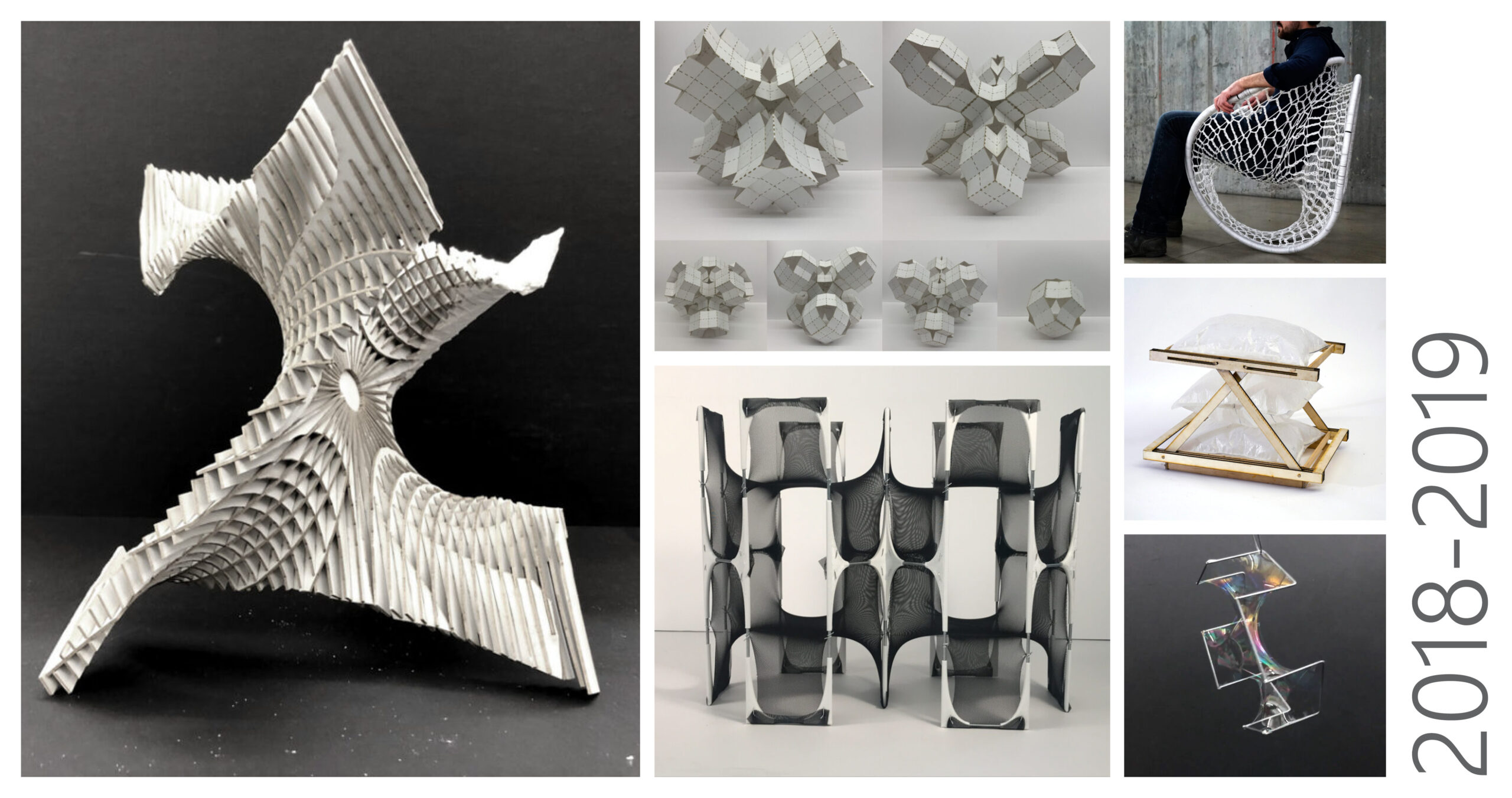
MORPHOLOGY STUDIOS 2018-19
School of Architecture, Center for Experimental Structures -
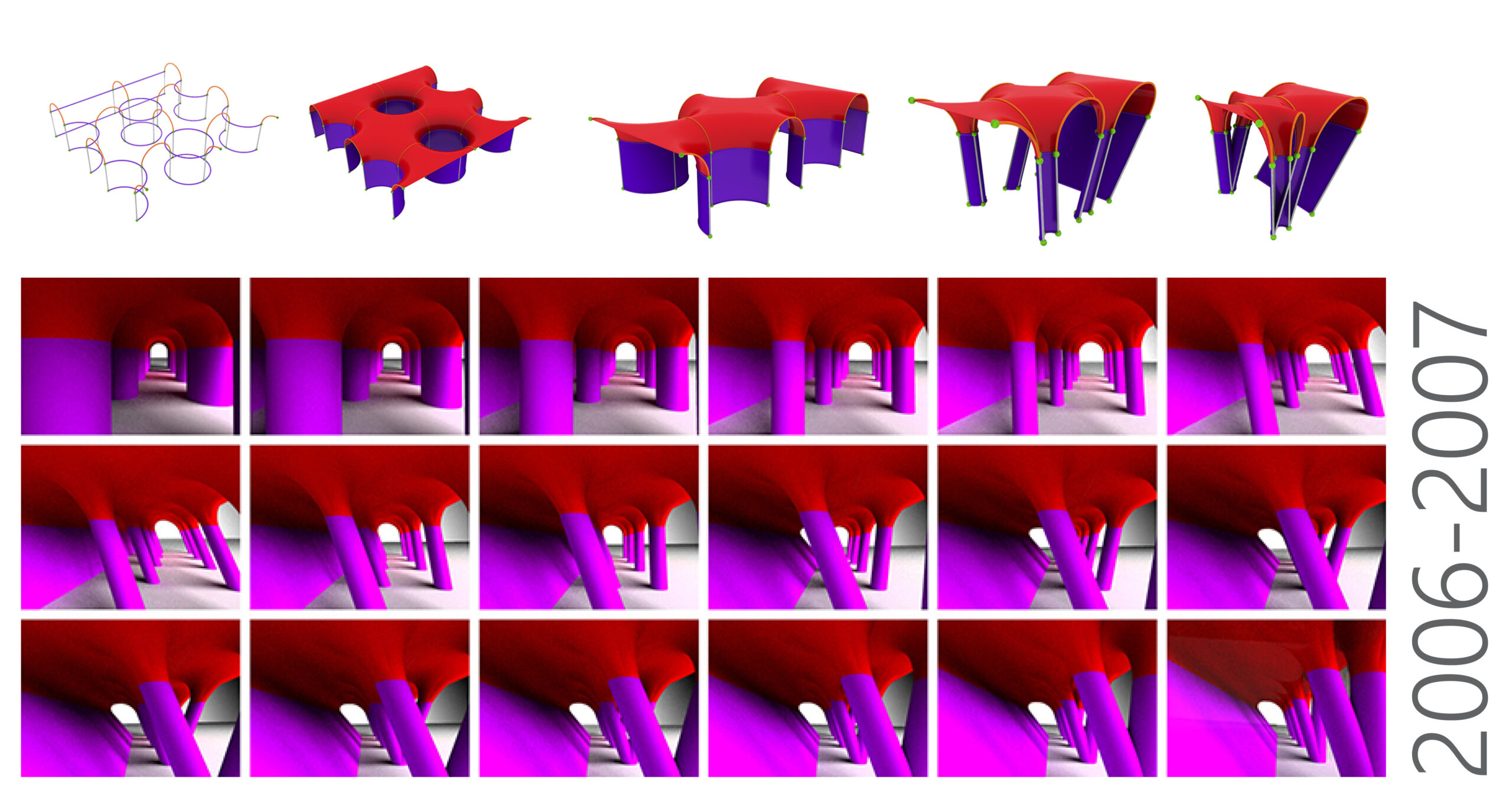
HARESH LALVANI 2006-2007
School of Architecture, Center for Experimental Structures -
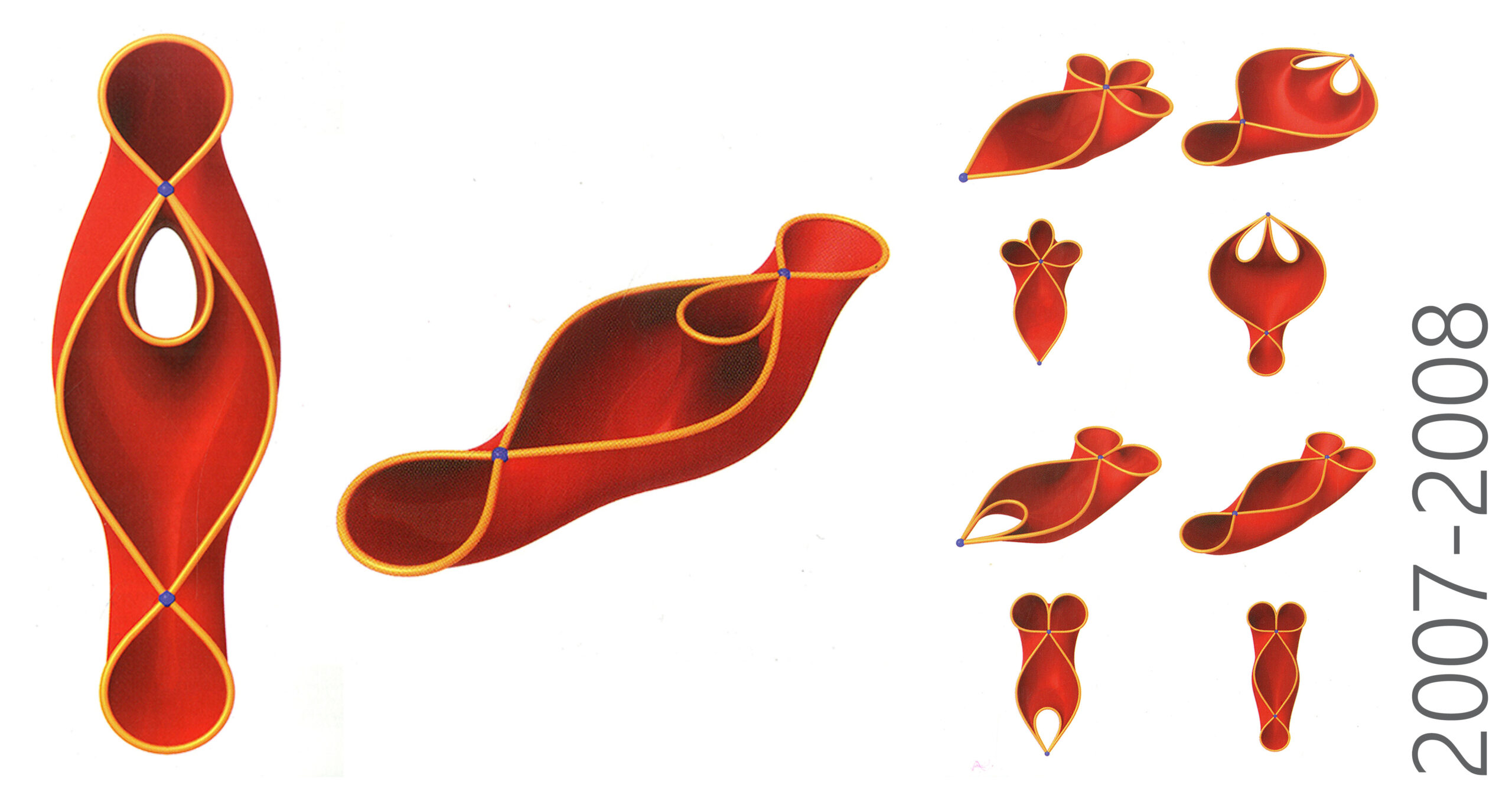
HARESH LALVANI 2007-2008
School of Architecture, Center for Experimental Structures -
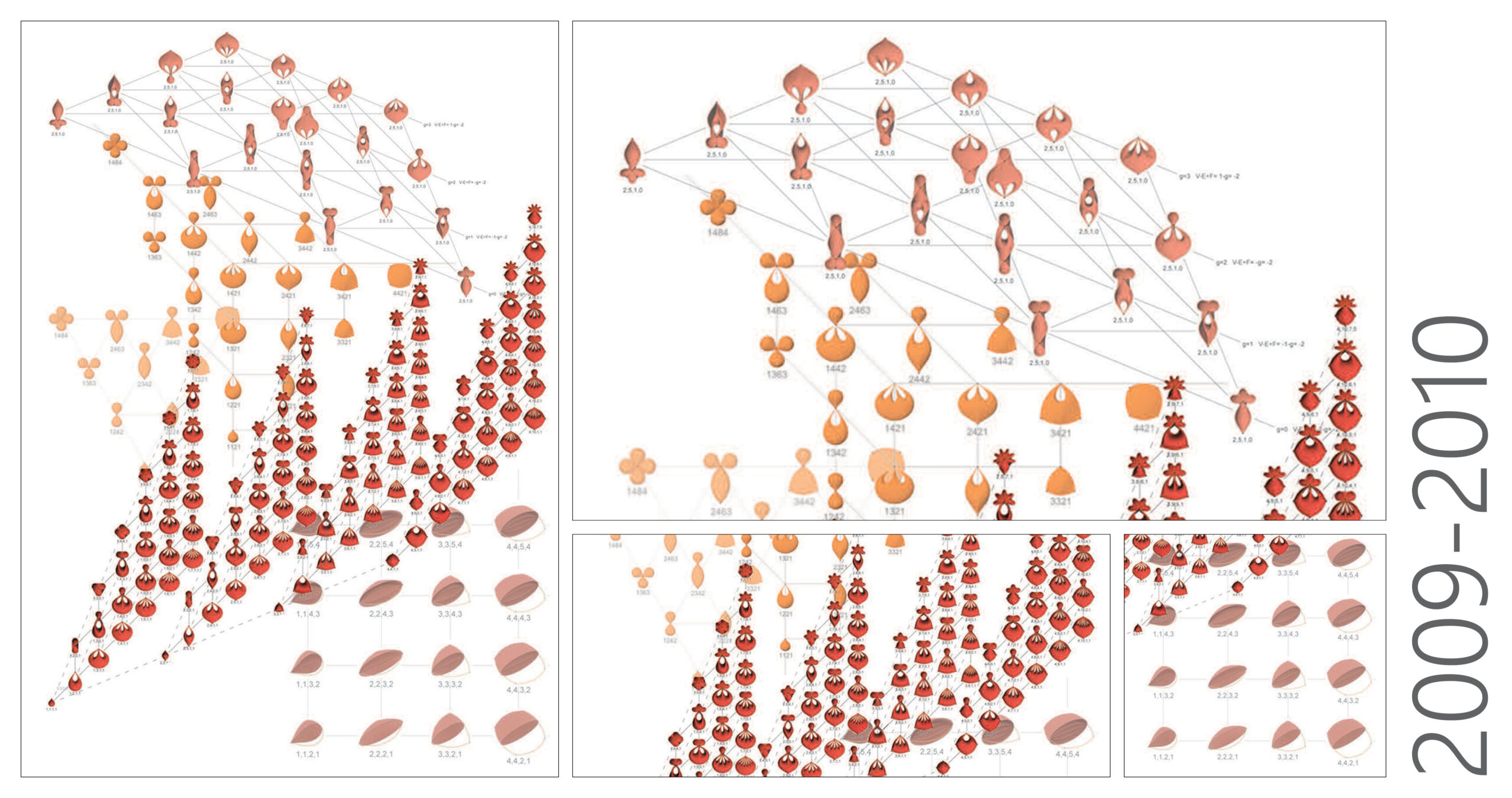
HARESH LALVANI 2009-2010
School of Architecture, Center for Experimental Structures -
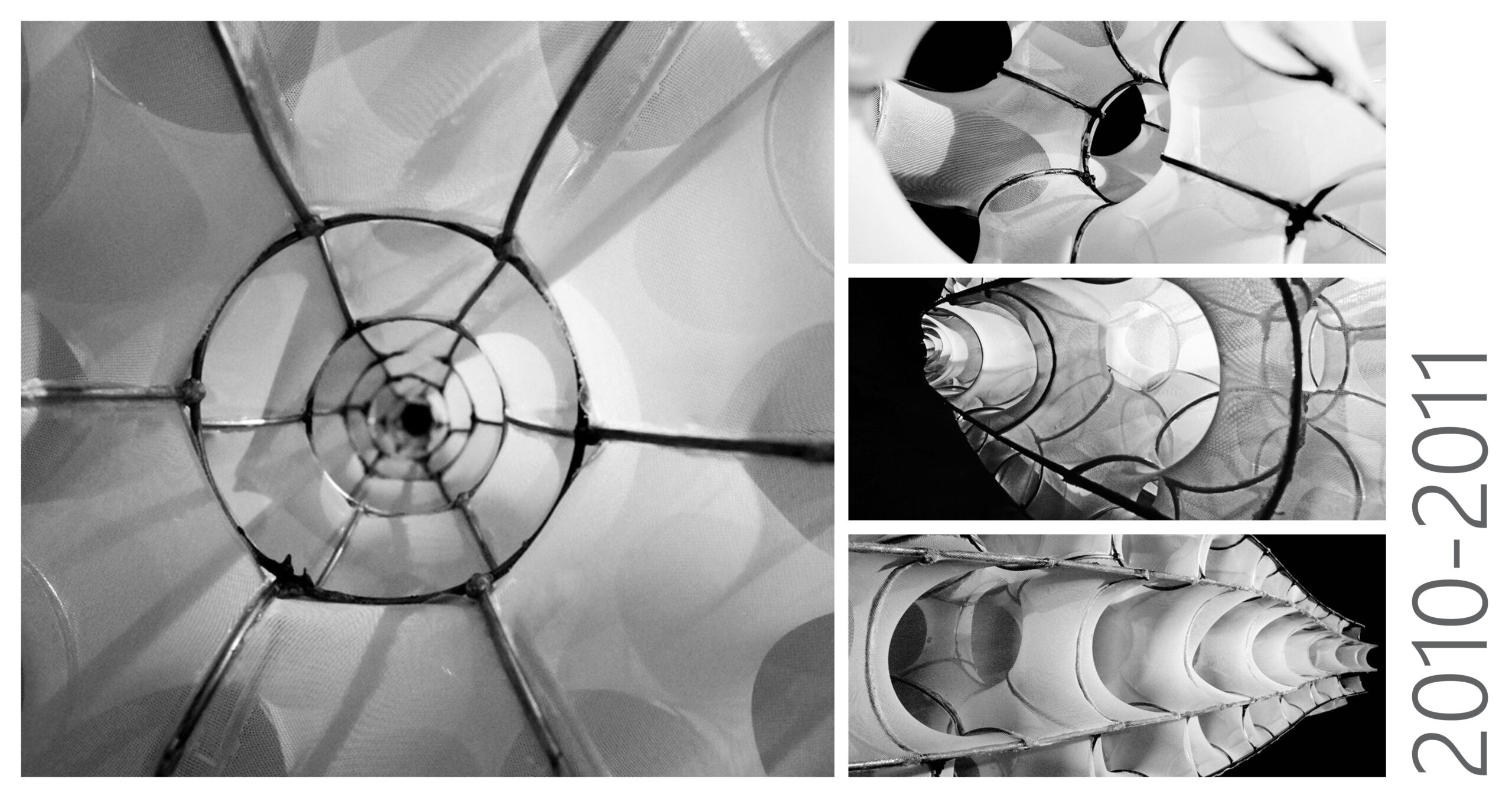
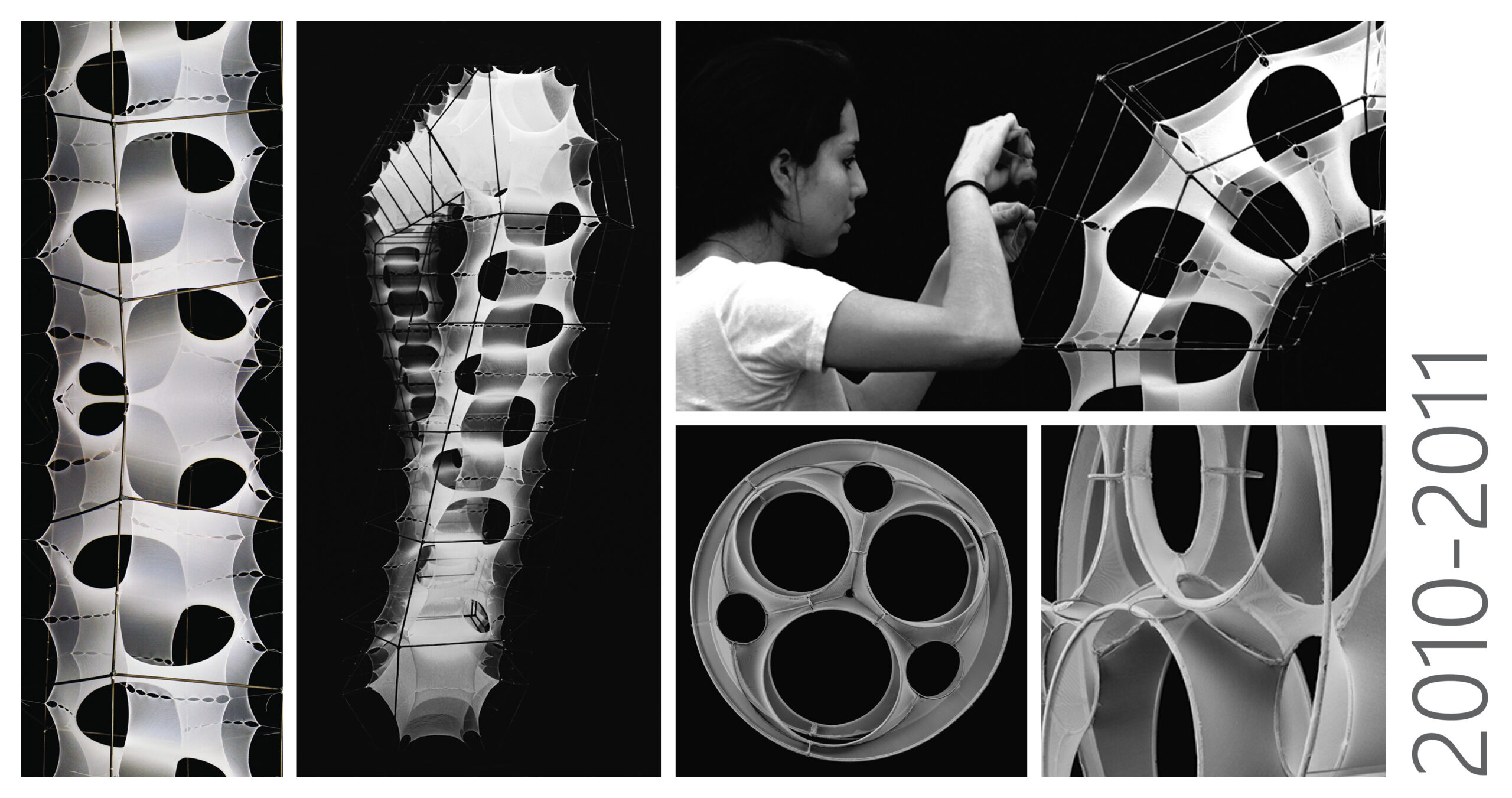
HARESH LALVANI 2010-2011
School of Architecture, Center for Experimental Structures -
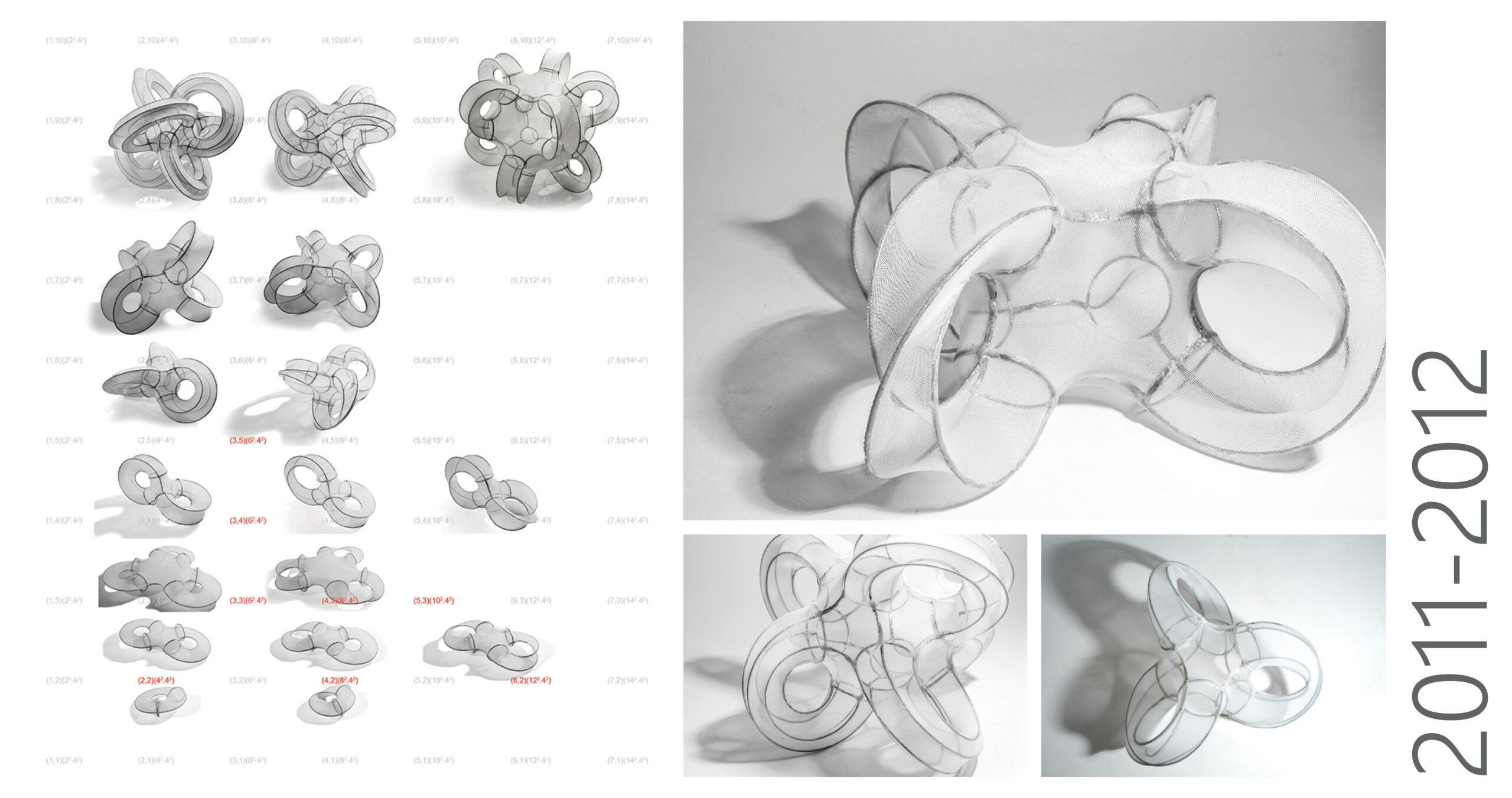
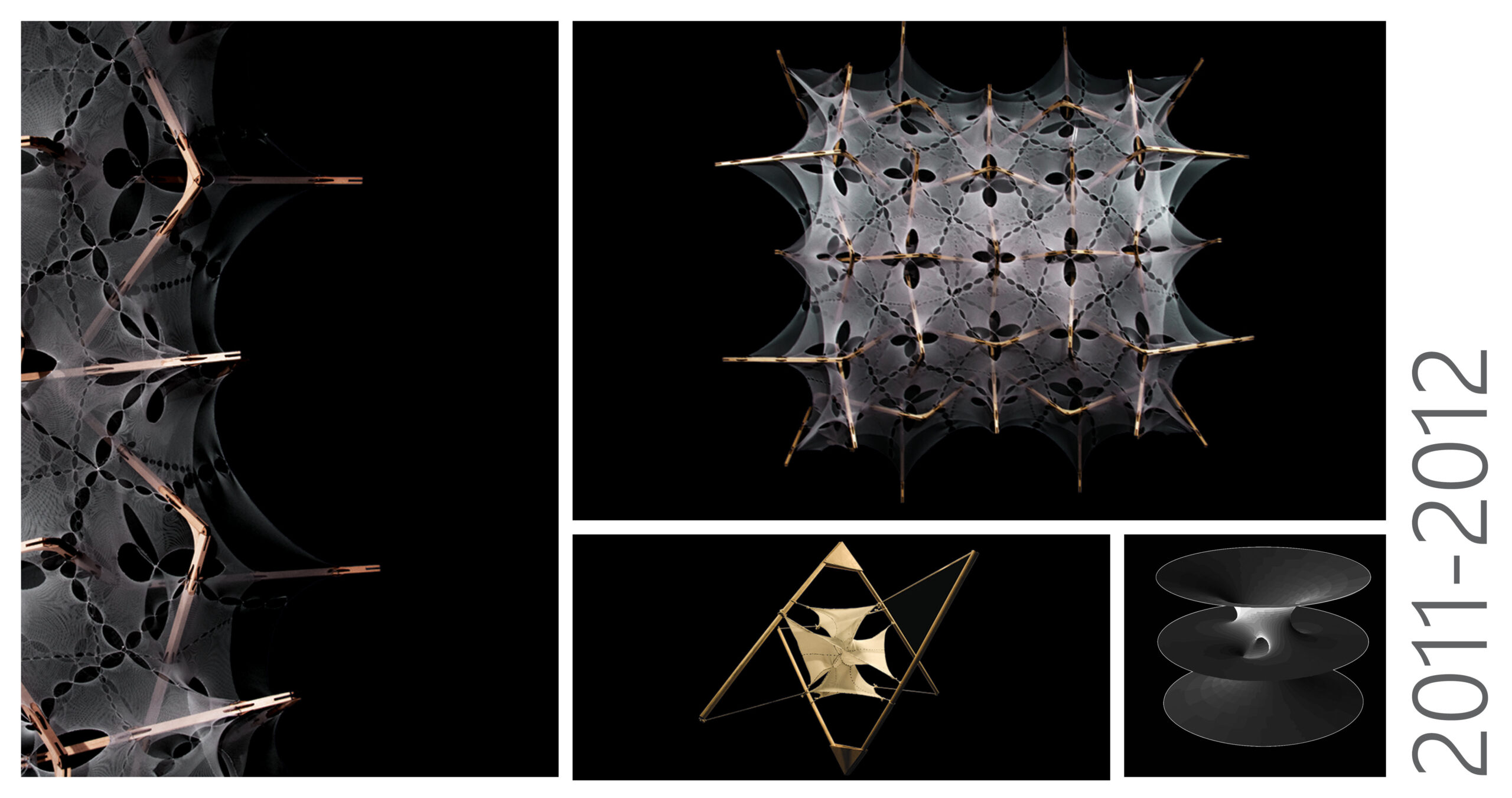
HARESH LALVANI 2011-2012
School of Architecture, Center for Experimental Structures -
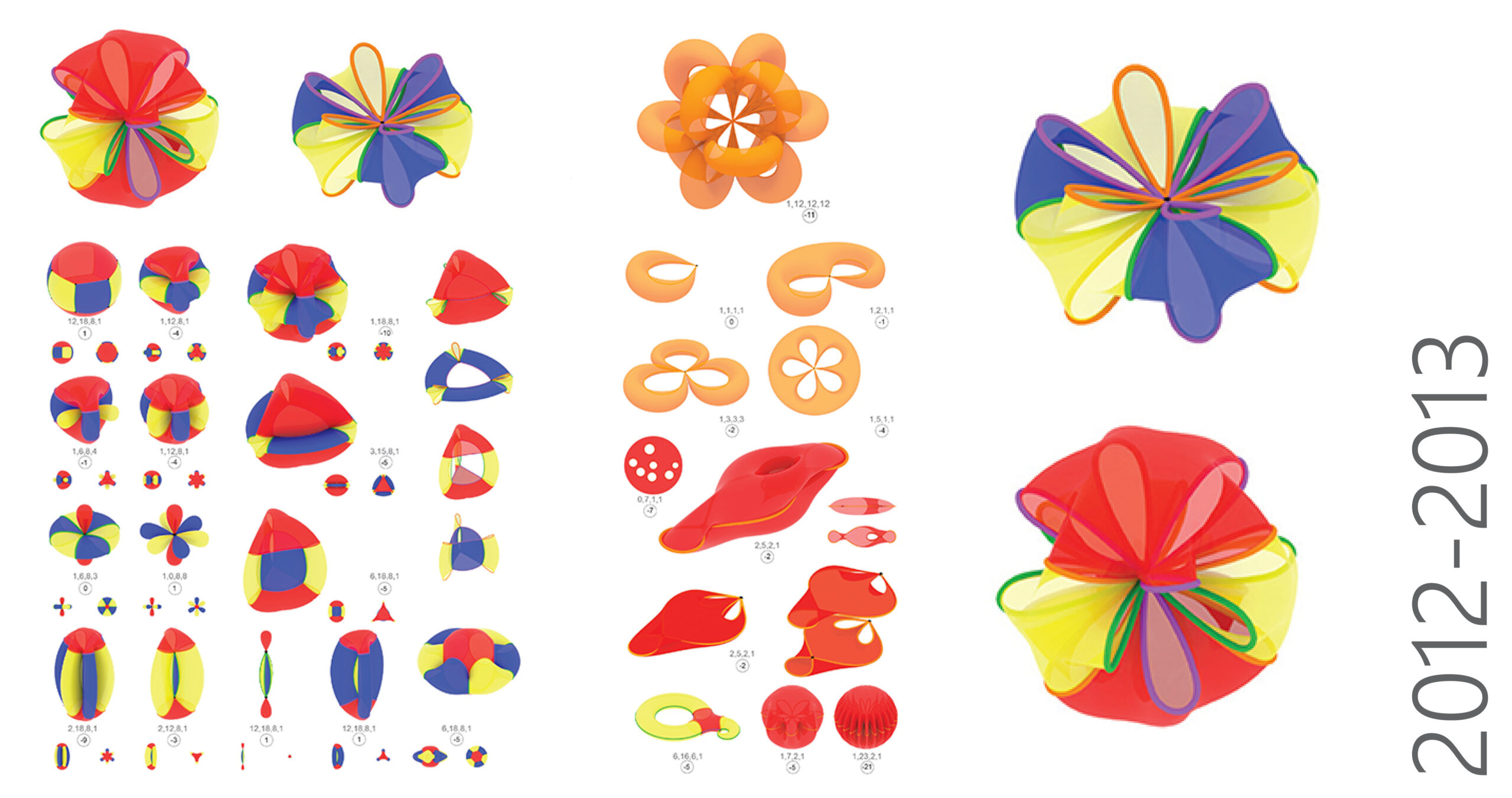
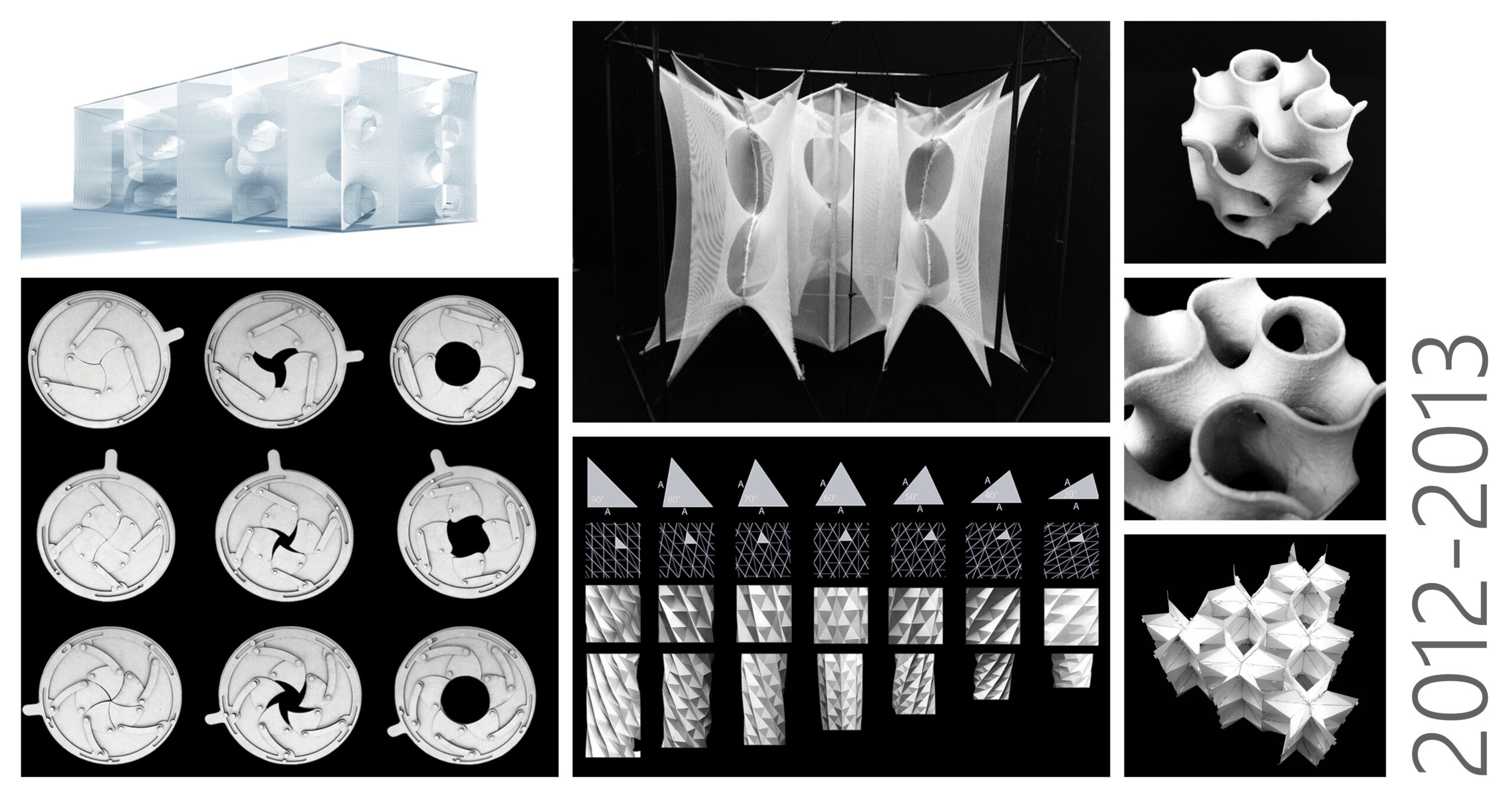
HARESH LALVANI 2012-2013
School of Architecture, Center for Experimental Structures -
HARESH LALVANI 2013-2014
School of Architecture, Center for Experimental Structures -
HARESH LALVANI 2014-2015
School of Architecture, Center for Experimental Structures -
HARESH LALVANI 2015-2016
School of Architecture, Center for Experimental Structures -
HARESH LALVANI 2016-17
School of Architecture, Center for Experimental Structures -
HARESH LALVANI 2017-18
School of Architecture, Center for Experimental Structures -
HARESH LALVANI 2018-19
School of Architecture, Center for Experimental Structures -
MORPHOLOGY STUDIOS 2012-2013
School of Architecture, Center for Experimental Structures -
MORPHOLOGY STUDIOS 2011-2012
School of Architecture, Center for Experimental Structures -
MORPHOLOGY STUDIOS 2010-2011
School of Architecture, Center for Experimental Structures -
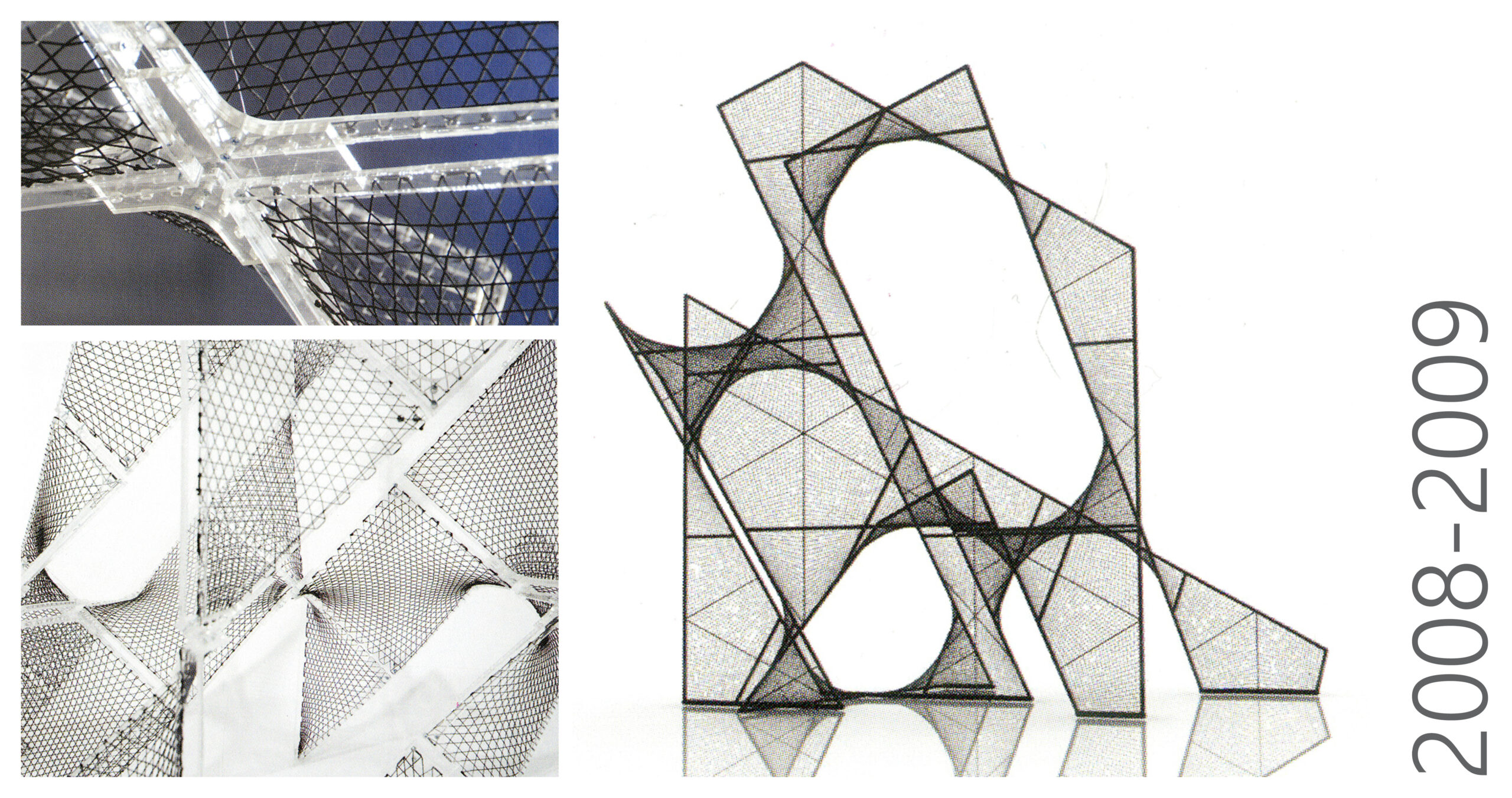
MORPHOLOGY STUDIOS 2008-2009
School of Architecture, Center for Experimental Structures