Yvette Yoon, BFA Communications Design ’23, is a brand designer at EliseAI, an AI platform for the housing and healthcare industries. Securing a coveted internship at Apple while still a student at Pratt set her on a path that combines technology and design. In the following Q&A, she shares how seeking feedback and expanding her perspective helped her launch her career.
Can you tell us about your current role and what a typical day looks like for you?
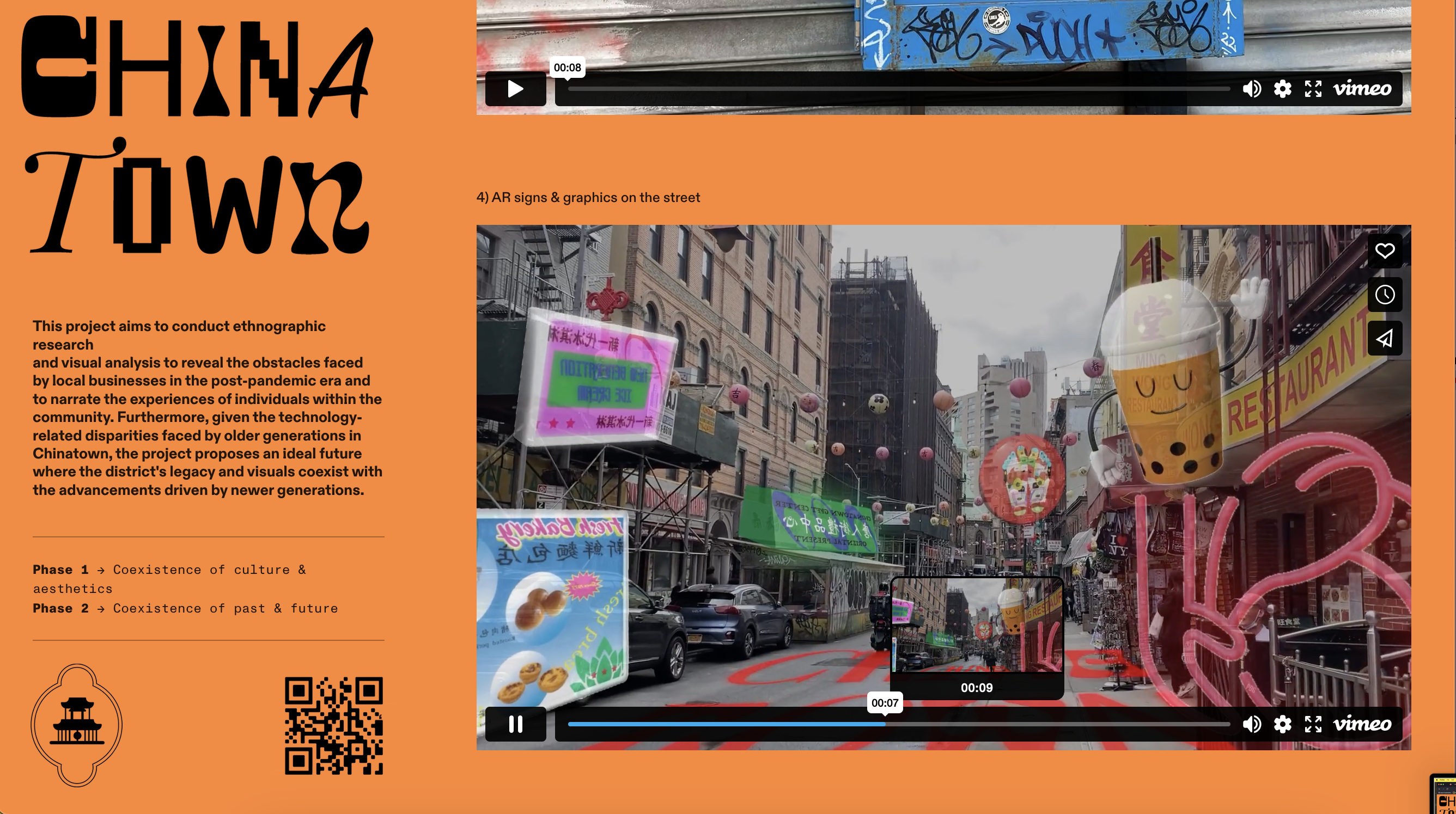
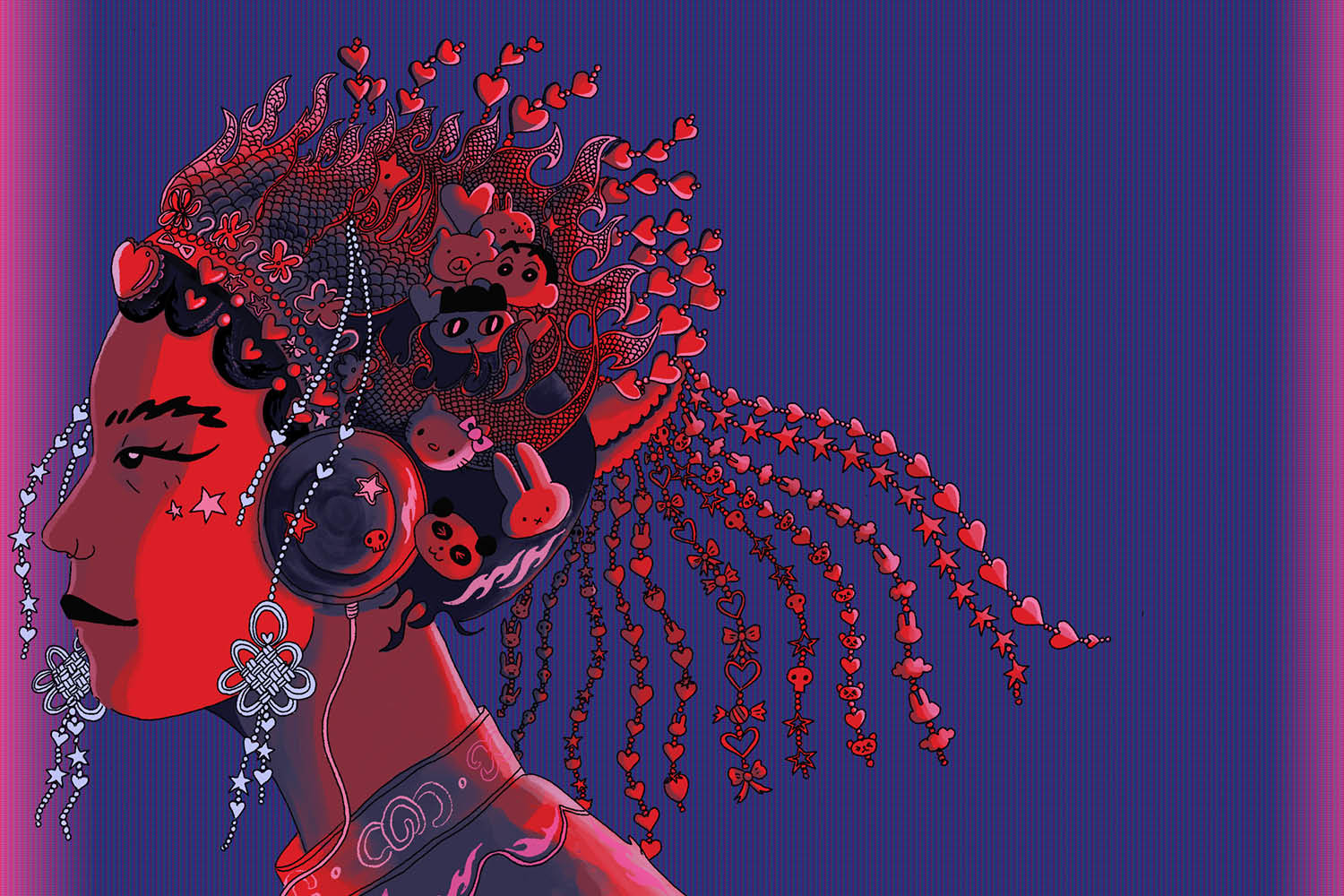
As a brand designer at EliseAI, I help develop the brand’s overall look and feel as well as produce customer-facing static and motion deliverables. This includes building guidelines, designing campaign assets, producing brand and product animations and out-of-home campaigns. A recent highlight was Elise Wrapped, our year-in-review campaign, where I helped develop the visual system and produced a set of assets across formats.
Looking back, what was the most valuable part of your Pratt education?
Pratt taught me to look beyond what’s wrong in a design and focus on what it’s trying to communicate. Through my professors and peers, I learned how to widen my perspective—seeing intention, context, and meaning, not just execution. That shift still shapes how I critique my work and build concepts today.
Can you walk us through your journey from graduation to your first full-time creative role after Pratt?
After junior year, I interned at Apple and joined full-time as a junior designer after graduation. One of the biggest turning points was support from my professor Glen Cummings, who took time on a Sunday to help me prepare for the interview. I didn’t have much interview experience at the time, and his guidance gave me the confidence and structure I needed to land the role.
Thinking about your portfolio, is there a specific project you consider a turning point in your career?
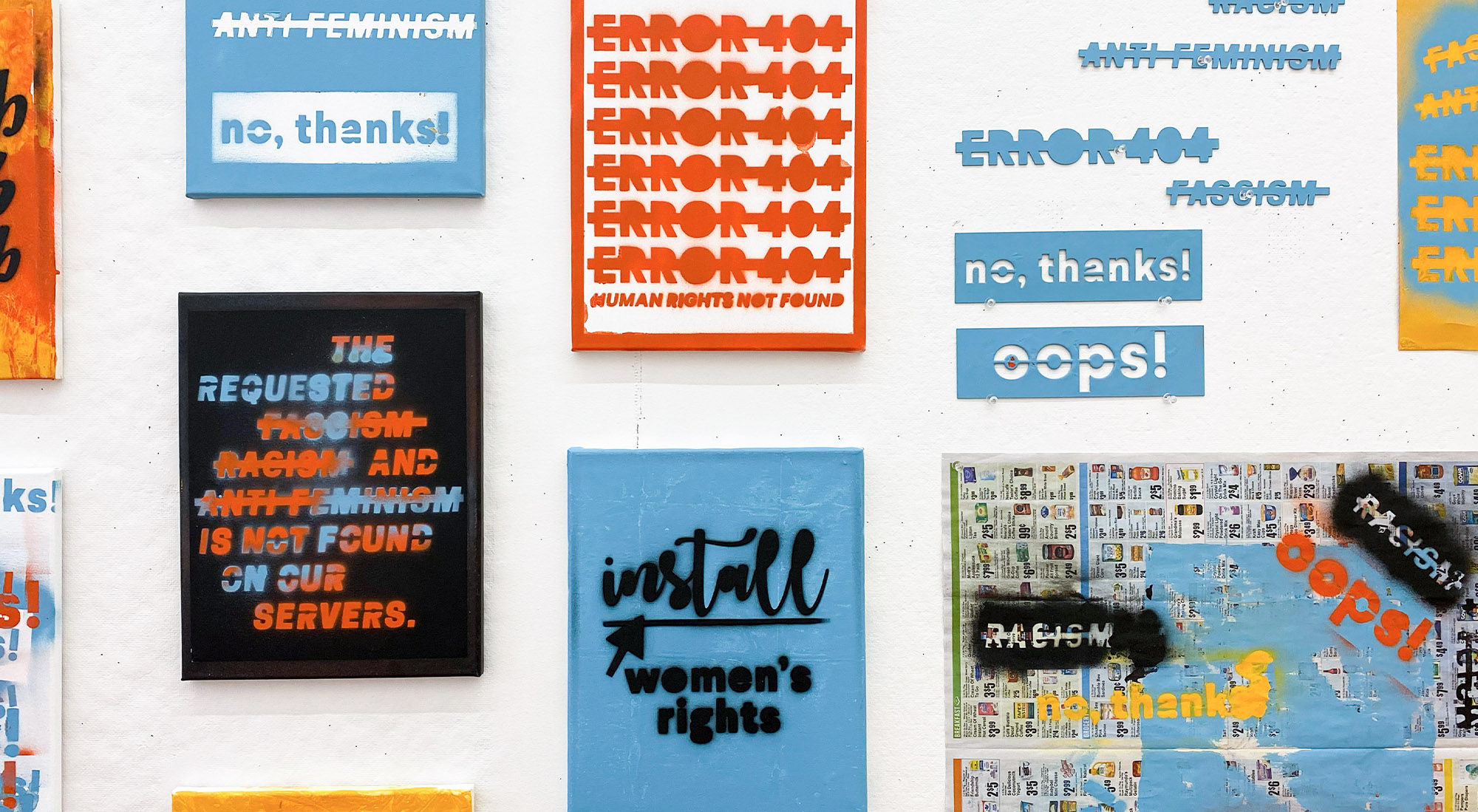
At Pratt, projects required me to take ideas from start to finish, and because more design today is animated, I often had to expand my work to include motion and even 3D. That experience made it natural for me to consider both static and motion deliverables from the very beginning of the design process. Because of that, I was constantly learning new tools, and those skills became a visible part of my portfolio that opened up new opportunities.

Has there been a point in your career where you’ve had to consciously pivot or learn a major new skill to stay current or pursue a new opportunity?
Learning new tools has been a constant at every stage of my career. As new software and technologies become available, staying current helps me work faster, explore more creative options, and prototype ideas more independently. Having the right tools lets me contribute more fully—from the initial ideation stage through final production—because I’m less limited by what I can execute, and it’s helped me take more initiative on projects.
What advice would you give to a student about making a creative career a reality?
I think it’s most important to be proactive about finding resources. That means asking for feedback early and often from professors, peers, and mentors, but also actively building your skill set by learning whatever programs your projects require. The more you seek critique and keep expanding what you can execute, the more prepared you’ll be when new opportunities open up.
Learn more about Communications Design at Pratt