Since graduating from Pratt Institute, Suhyeon Lee, BFA Fine Arts ’24, has built a one-of-a-kind career. From exhibiting his art to forging new global partnerships for the skincare brand SKIN1004, a talent for connection bridges his professional pursuits.
In the following Q&A, Lee shares what he’s learned from building a professional community that’s opened doors from New York to Korea.
Can you tell us about your current role and what a typical day looks like for you?
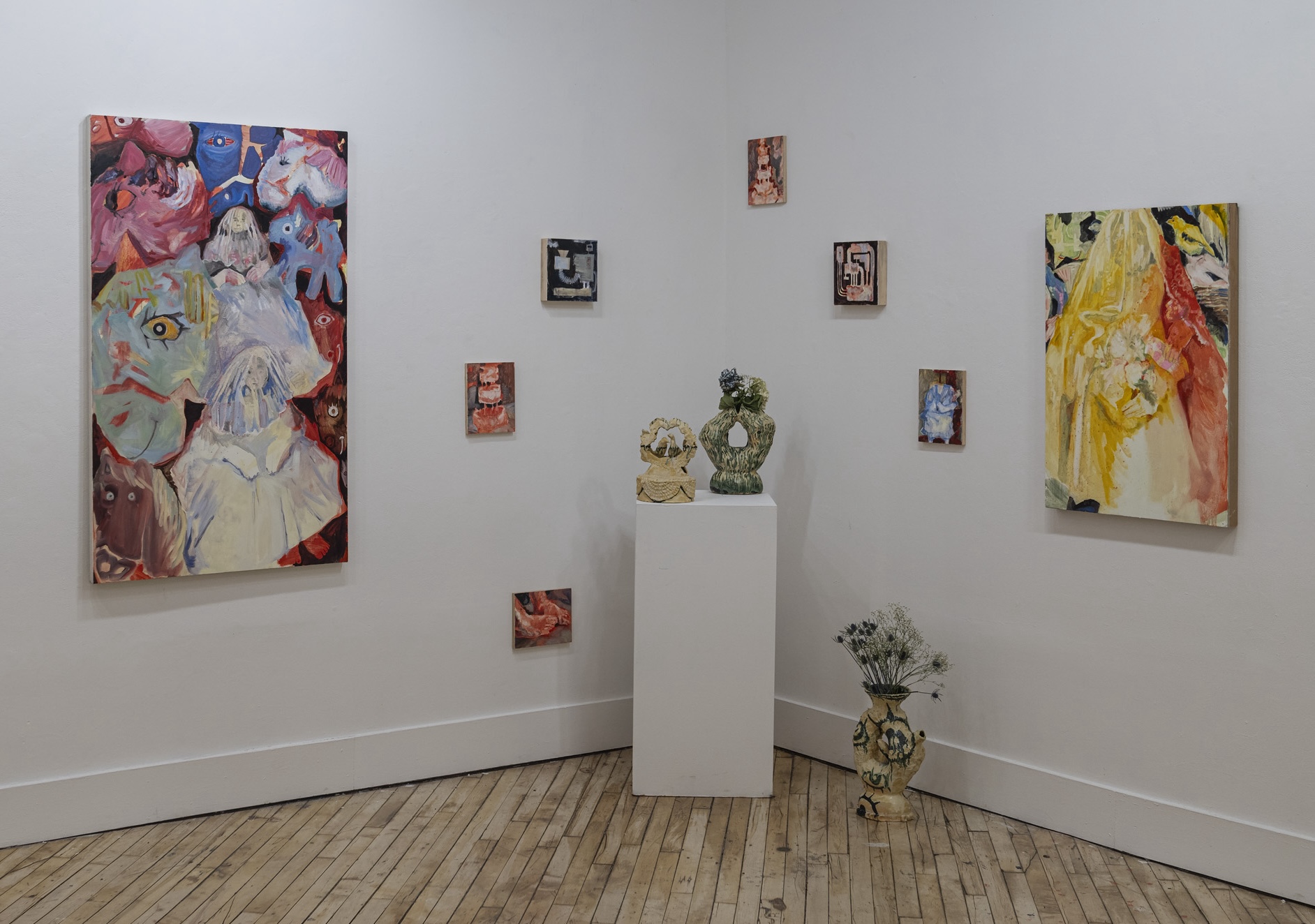
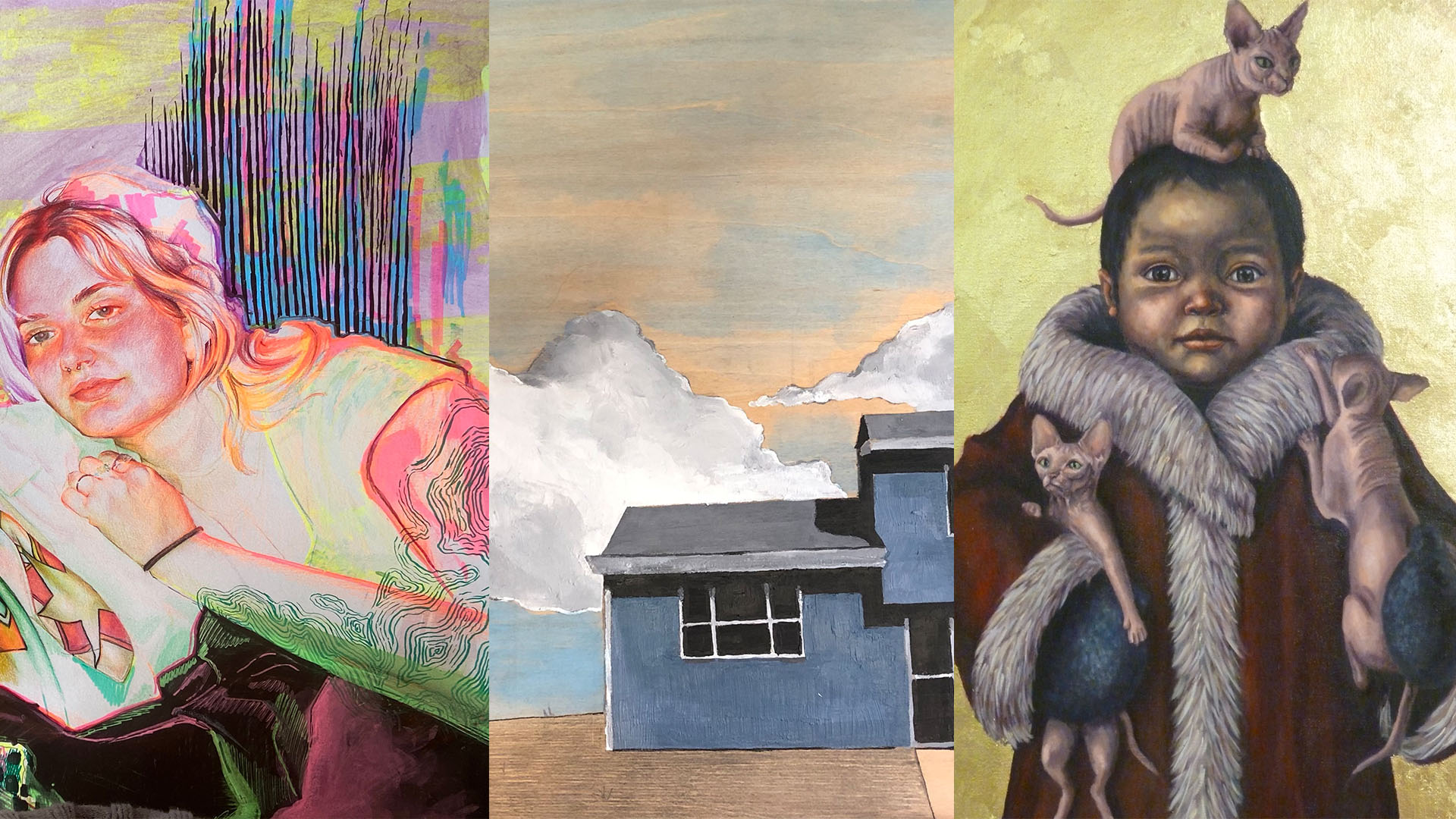
I graduated from Pratt Institute with a Painting concentration and took part in several exhibitions. But I wanted to work in a more commercial space, so now I’m a B2B account manager at SKIN1004, a Korean skincare brand.
My role involves selling products wholesale to distributors in Europe and Africa. On a typical day, I communicate with clients to discuss international shipping and promotional ideas. Lately, I’ve been focusing on building new partnerships in Africa, like in South Africa and Morocco—it’s exciting to introduce Korean skincare products that are still new to them.

Was there a class at Pratt that directly prepared you for the professional world?
One class that sticks out to me was Storyboarding & Storytelling Animation. This class covered storytelling techniques used by Hollywood and Pixar. Even as a non-animation major, I learned how valuable it is to craft stories that connect with people. It’s a practical skill I’ve applied to branding, content marketing, and writing.
But, of all the classes I took at Pratt, the Sustainability and Fashion course felt closest to the retail world. It went beyond eco-friendly fashion and dove into how platforms like Shein and Amazon have shaped the fashion industry. We even created TikTok videos as an assignment, which felt very relevant to today’s landscape.
What’s a professional skill you developed at Pratt that you rely on today?
Fine arts and beauty-brand sales seem worlds apart, but my art school background gave me a unique perspective compared to traditional business graduates.
Artists are essentially small-business entrepreneurs: we handle creating, packaging, and shipping our works, while also thinking about personal branding, marketing, and building relationships with curators and collectors.
Exploring all these aspects during my studies indirectly prepared me for product development, marketing, sales, and logistics—which helped me adapt quickly to my current role in consumer goods.


How did your connection to Pratt influence your early professional life?
Pratt’s reputation definitely opened doors when I applied to open calls for exhibitions. It also helped when networking with curators from the Whitney and Tate Modern who judged competitions I participated in.
Can you tell us about a particularly difficult professional challenge you’ve faced?
From a younger age, I only dreamt of becoming a designer or artist, so I focused heavily on visual tools like Adobe Suite or Final Cut Pro. What surprised me in the professional world was how much companies rely on Excel. I had to adjust to making decisions based on numbers and spreadsheets first, before getting to the creative or visual outcomes. I wish I’d known this earlier.
Thinking about your portfolio, is there a specific project you consider a turning point in your career?
The project that stands out most is ONOFF NYC—a fashion performance involving about 20 collaborators, including models, photographers, and choreographers. It took place at Washington Square Park as part of New York Design Week.
Leading the project taught me a lot about teamwork. We also produced and sold around 100 bags as merch, which deepened my interest in branding and marketing. This project still remains one of my most meaningful experiences.
Has there been a point in your career where you’ve had to consciously pivot or learn a major new skill to stay current or pursue a new opportunity?
I have gained plenty of experience working at art fairs and exhibitions. But a recurring piece of feedback was that I seemed better suited to art sales than being a fine artist.
With my outgoing personality and global background, I decided to lean into that strength and started my career at a Korean beauty brand. I’ve always loved the MoMA Design Store more than the MoMA itself, so adapting to consumer-goods brands felt natural.


What advice would you give to a student about making a creative career a reality?
Of course, the education you get in college is valuable. However, don’t forget you’re spending your early twenties in New York City. Sometimes, going to a gallery opening in Chelsea or a party in Williamsburg can lead to more connections than finishing an assignment. Many creative projects happen because passionate people meet each other. Don’t spend your weekend in Willoughby Hall—get out and meet as many people in the city as you can.
Learn more about programs in Pratt’s School of Art