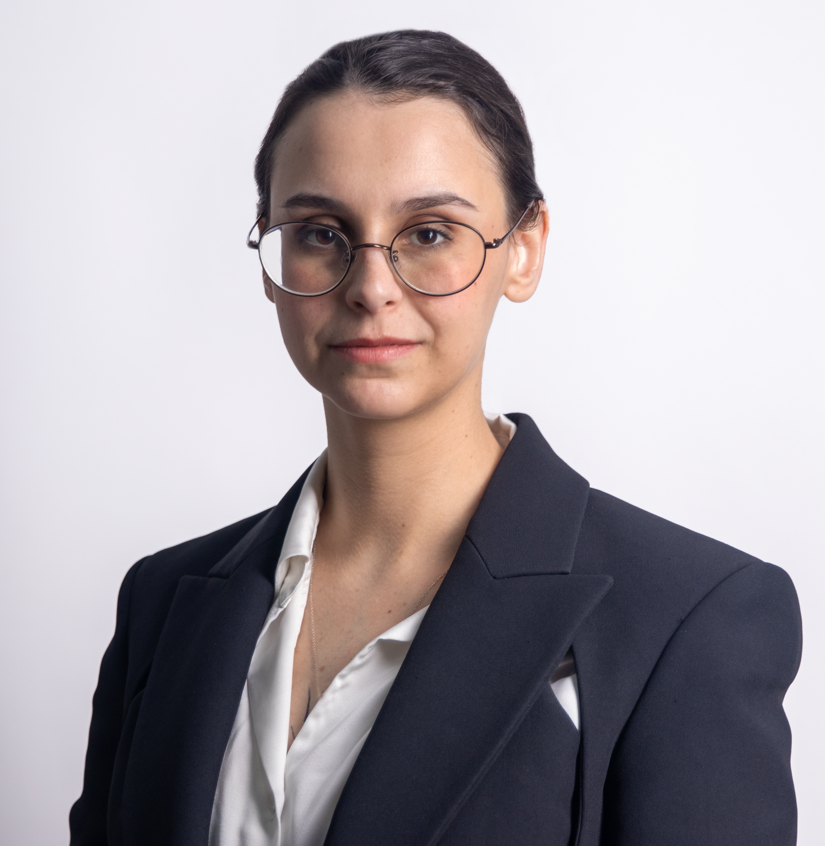
Masha Potemkin, AOS Graphic Design ’23, is the director of operations at the Bone Museum. Located in Brooklyn’s East Williamsburg neighborhood, the museum houses the largest collection of human bones and skeletons on public display in the United States.
In the following Q&A, Potemkin shares how her Pratt education led to her one-of-a-kind career path educating the public about the science of human bones and the history of the medical bone trade, both in-person and through Webby-nominated social-media content.
Can you tell us about your current role and what a typical day looks like for you?
My role sits at the intersection of administration and creative direction. My day includes managing logistics and operations, but also curating exhibits, designing spatial layouts, and shaping the overall visitor experience. Every decision is guided by how we can create an environment that is not only educational, but memorable, something that stays with visitors long after they leave.
I am also one of our social media educators. I research, write, and present content focused on osteology, medical history, and the stories behind our collection. Our goal is to make complex topics accessible and engaging, while also raising awareness about the history of the medical bone trade.
Your background is in graphic design, but now you’re curating museum exhibits and managing operations. What skills from Pratt transferred to this work, and what did you have to learn on the job?
My background in graphic design plays a central role in how the museum is curated, and operated. I design all written materials and interpretive signage, but more importantly, design taught me how people process, and want to receive, information. That understanding allows us to create a museum that is accessible to everyone, regardless of their background. The operational side of my role was largely learned through experience, but design gave me the foundation for building something people can truly connect with.
How did Pratt’s AOS program prepare you to start the Bone Museum?
Pratt’s AOS program was definitely intense, but incredibly valuable. The nonstop pace and demanding workload taught me endurance, discipline, and how to execute under pressure. Those skills translated directly into building the museum, especially during the early stages, where long nights and constant problem-solving were the norm.

You helped open the museum right after graduating. What was the hardest part of that process, and how did you work through it?
Building something entirely new is always challenging, especially when it involves a subject as sensitive as human remains. We knew from the beginning that this would require careful thought and responsibility. What helped us navigate that was staying focused on our mission to make osteology more accessible and to raise awareness about the medical bone trade.
How do you approach making a topic as specialized as anatomy education accessible and engaging for a general audience?
We approach this by simplifying complex topics without losing their depth. Through free, widely available online content and carefully designed exhibits, we ensure that visitors can really understand what they’re seeing. Every display is supported with clear visuals and explanations, so no one feels excluded from the learning process. We want people to leave feeling informed, curious, and maybe even inspired.
Is there a specific project or moment at the museum that you consider a turning point for you professionally?
A major turning point for me, and for the museum, was being invited to present our research at the American Association of Biological Anthropologists conference. It was a huge shift from building something independently as a small and very new institution, to being recognized within the academic community. Beyond that recognition, it opened the door to meaningful connections with institutions that saw value in our work, leading to ongoing conversations around research and collaboration.

If you could go back and tell yourself something during your time at Pratt, what would it be?
I would tell myself not to change anything. Every project, challenge, and connection played a role in getting me to where I am today. The path wasn’t always easy, but it was necessary. I’ve always been someone who follows where opportunities lead, and I would remind myself to trust that instinct, and allow things to unfold as they’re meant to.
Learn about Associate Degree Programs in Pratt’s School of Art