Photo/Video Consent Policy and Guidelines
Policy
- Office
- Communications and Marketing
Revised March/April 2026
Pratt Institute’s Communications and Marketing (PCOMM) division provides a range of policies intended to safeguard the Institute’s identity, reputation, and educational mission and to ensure compliance with laws governing Pratt Institute communications.
Image-Use Policy
Pratt Institute is subject to privacy laws that require permission to use images of certain recognizable individuals in our marketing or promotional media. Pratt’s image-use policy establishes standards for the use of these images.
To publish images and/or video in Pratt’s print or digital marketing and promotional media, the Institute, by way of the unit that assigns or supervises the work, must have permission from any individual deemed 1.) recognizable and 2.) the subject of the photograph or video.
When Permission Is Required for Image Use
New York Civil Rights Law § 50 compels Pratt to obtain written consent from an individual prior to utilizing that individual’s name, portrait, picture, likeness, or voice for the purposes of promotion, advertising, or trade.
Permission is required when one or more individuals in the image are identifiable as the subject or focus of the image, and the image may be used for marketing and promotional purposes, such as promoting academic or administrative programs, publicizing upcoming events, raising funds, recruiting, and encouraging attendance or participation. This guideline applies to any image used in publications, emails, websites, and social media.
With these requirements, permission is required for all images with one or more identifiable subjects in order to be used in Pratt Institute print and digital materials.
Copyright/Intellectual Property
Image-use permission (consent from the person in the photo/video to have their likeness published) is distinct from copyright/intellectual property protection (consent from the copyright or intellectual property holder for use of their artwork, design, or written work).
Works of art, music, presentation slides, and recordings require permission from the creator, presenter, or copyright/intellectual property owner and are governed by a separate policy and guidelines.
Pratt’s Rights
In addition to the above permissions, Pratt Institute must either own the copyright of the still and motion assets we produce for use in our print or digital marketing and promotional media or have an agreement with the photographer/videographer that allows use of the images.
When a freelance photographer/videographer is hired to produce assets for use in Pratt’s print or digital publications, the standard Photography/Videography Agreement must be used and reviewed with Pratt’s legal counsel. This also is governed by separate procedures.
Similarly, any image owned by another (e.g., an image found on the web) cannot be used for marketing or promotional purposes without written consent from the owner of the image.
The Following Guidelines
This policy and the following guidelines only pertain to image-use permissions (consent from the person in the photo/video to have their likeness published).
Guidelines for Managing Image Permissions
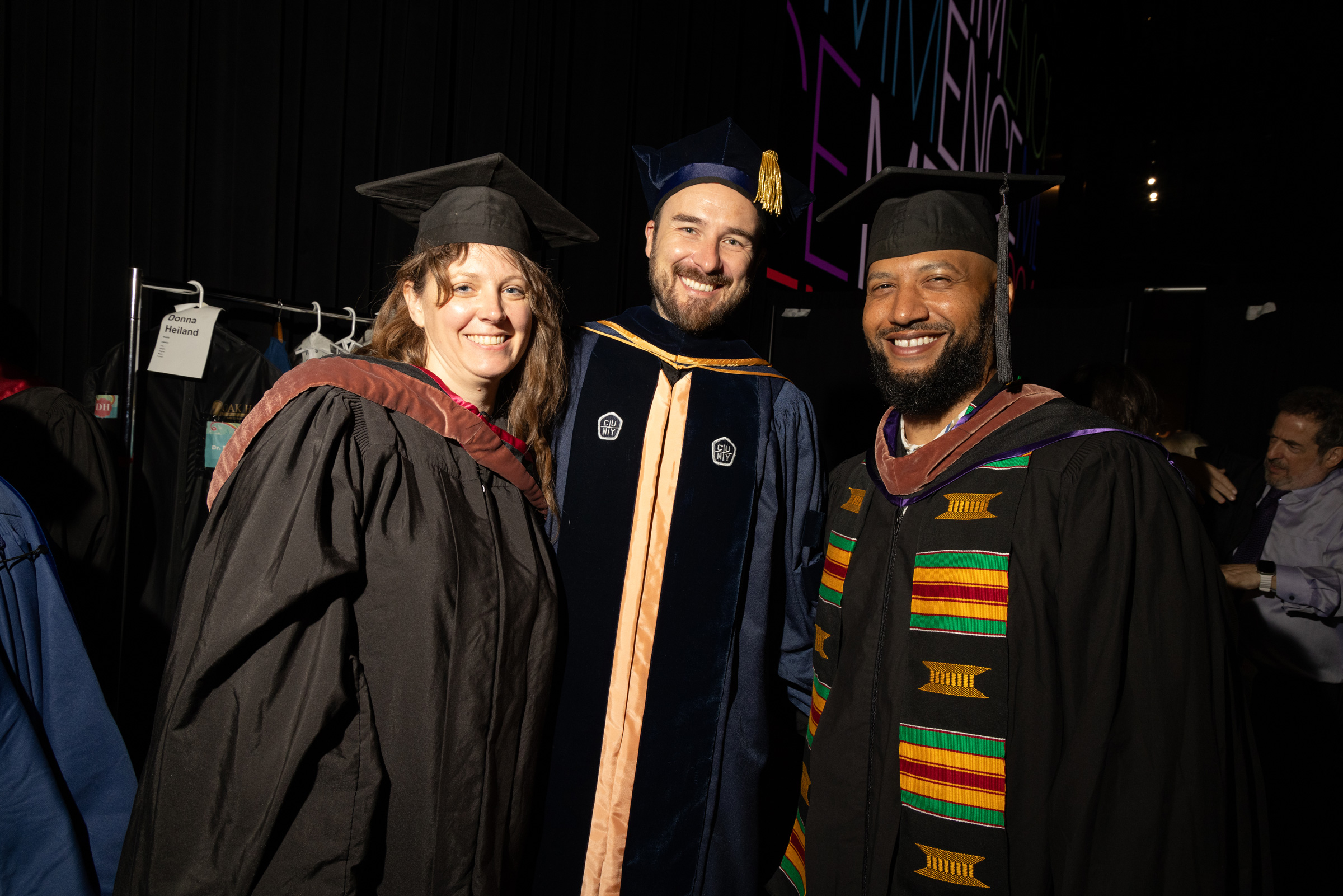
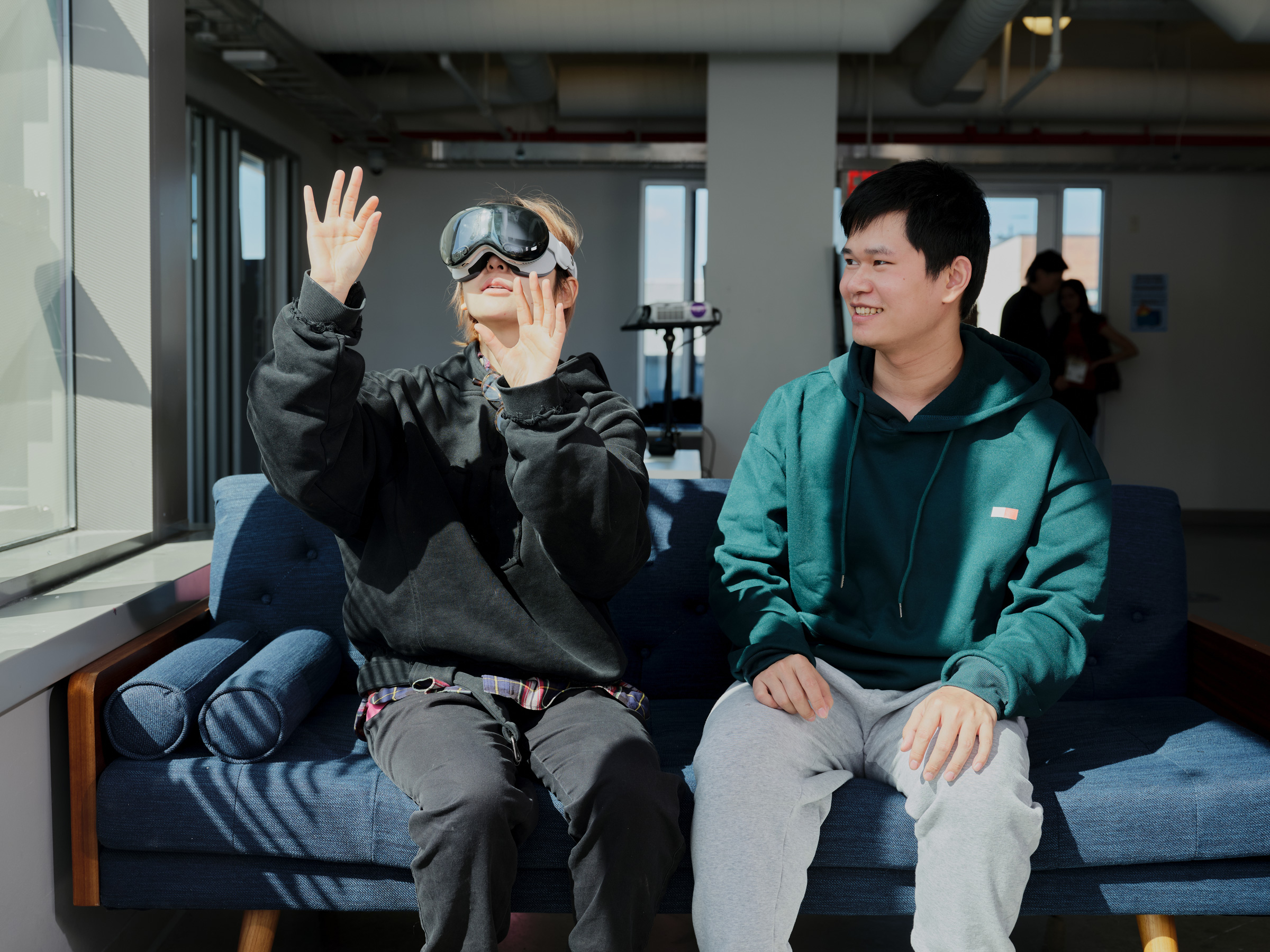
Individuals are recognizable subjects in these four assets, and consent is required for use.

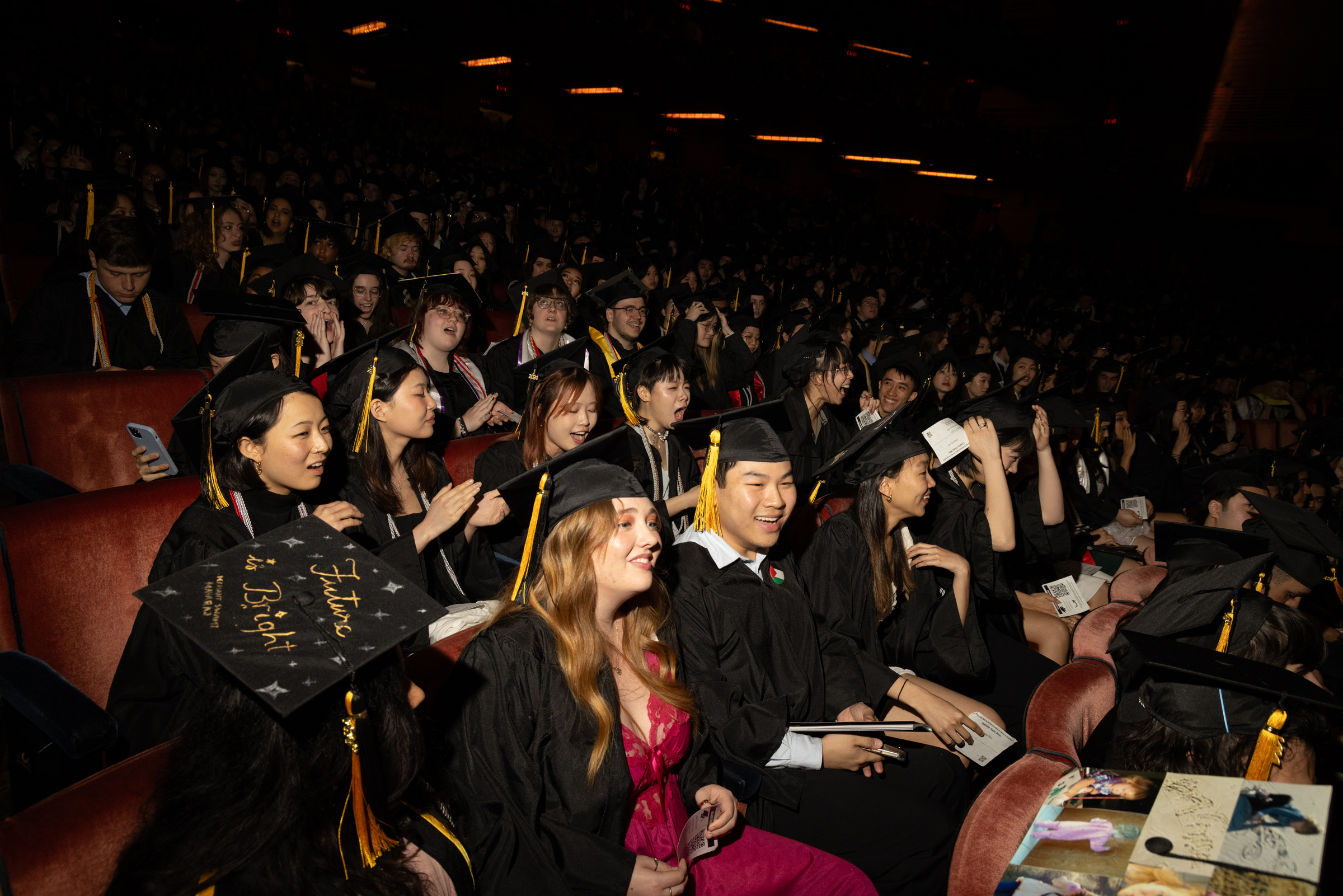
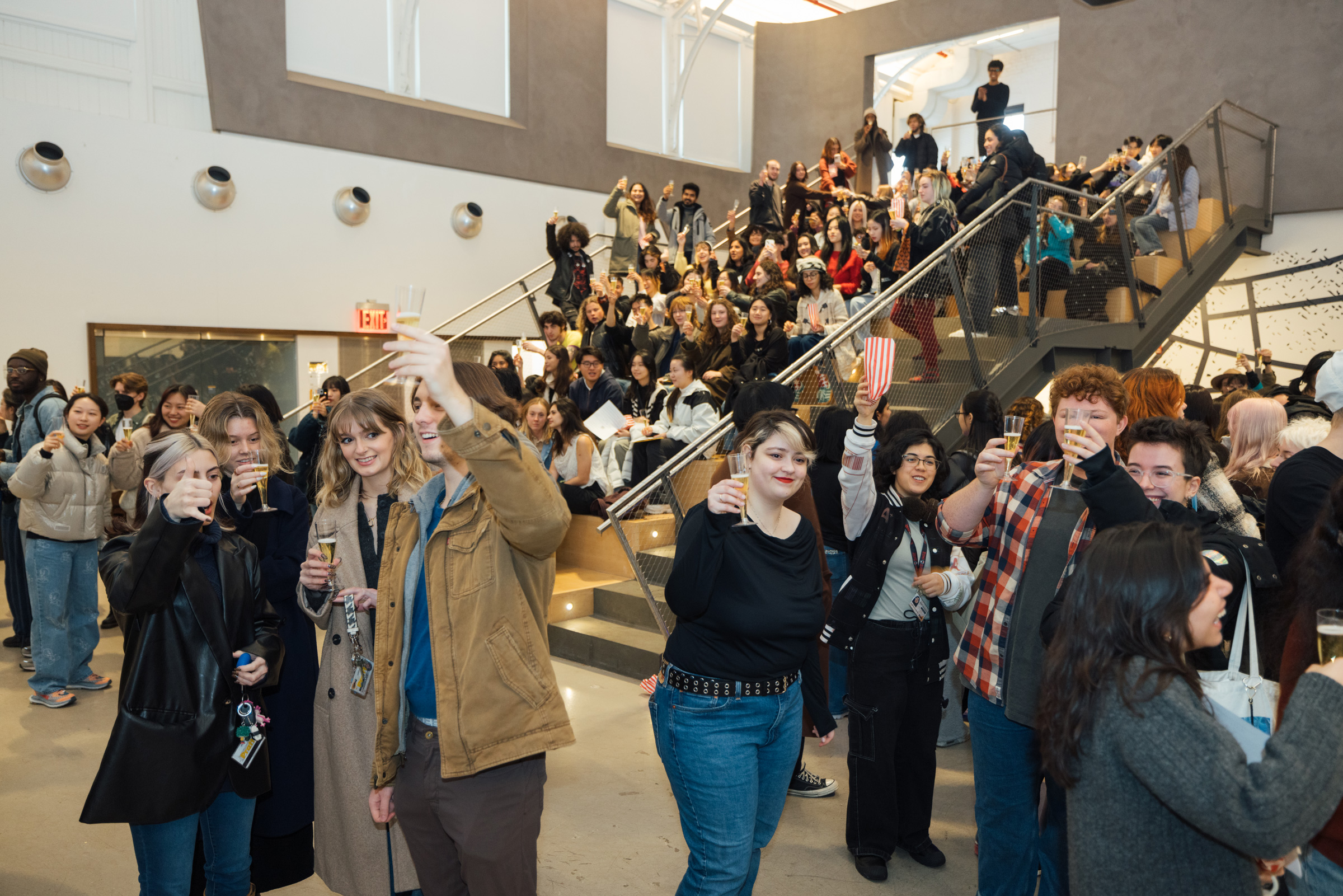
No individuals would be considered the subjects of the following four assets, and consent is not necessarily required.
Comparison Examples
-
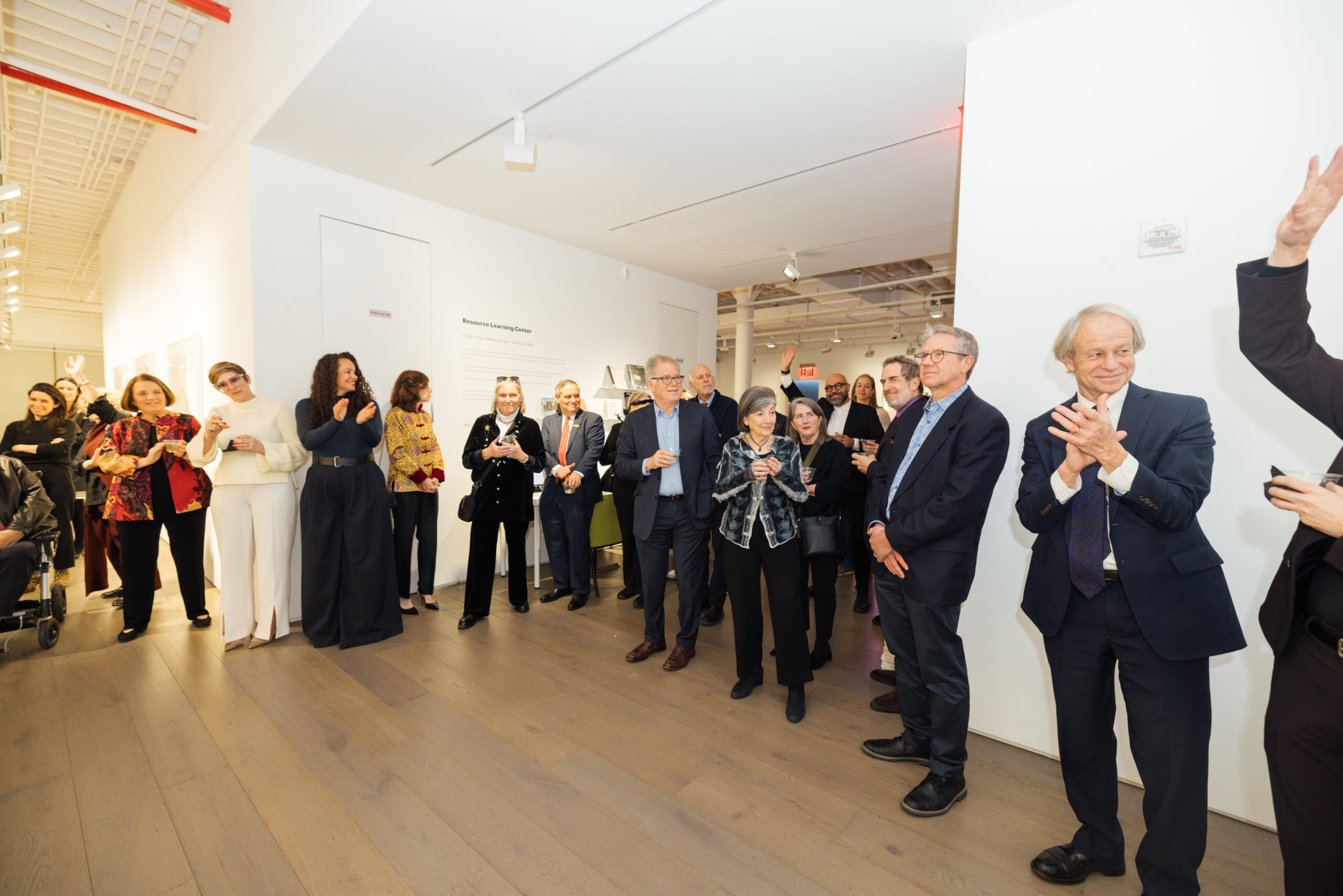
![A group of people is gathered in a brightly lit event space, engaging in conversation and socializing. Some individuals are clapping or holding drinks, while others are looking towards a speaker off-camera. The atmosphere appears festive, with a mix of formal and casual attire, and a wall displaying information about a learning center in the background.]() Consent Not Required
Consent Not Required
Here, no one is considered the subject. -
![A group of four adults stands together, smiling for the camera in an art gallery setting. The man on the left wears a blue blazer over a white shirt. The second person, a woman, is dressed in a colorful patterned top with red accents. The third person has curly hair and wears a maroon outfit, while the fourth woman is in black attire and holds a drink, accessorized with a colorful scarf. Background features art pieces and other attendees.]() Consent Required
Consent Required
All four people are subjects of this photo.

-
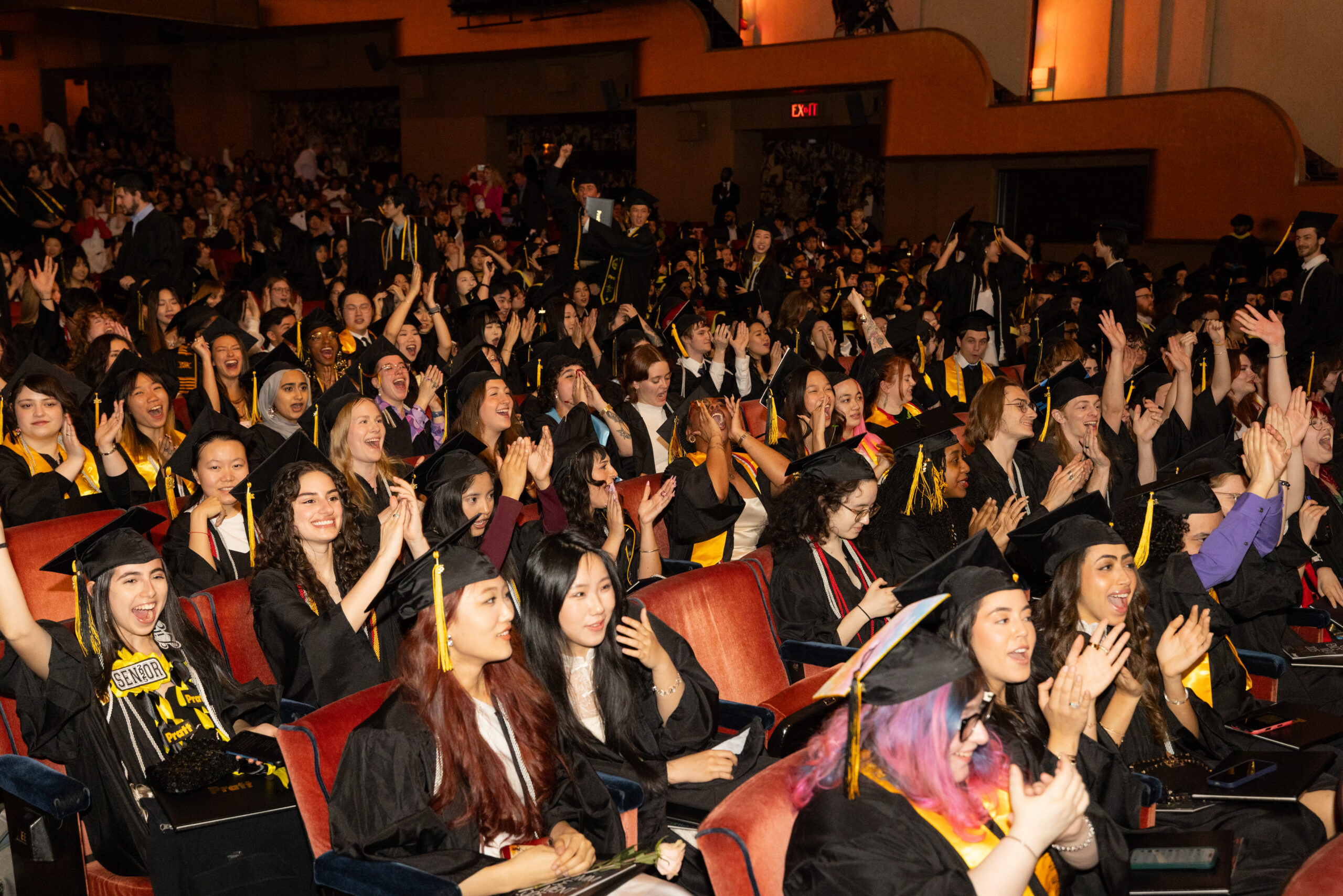
![A large group of graduates in black caps and gowns is seated in an auditorium, enthusiastically clapping and celebrating. Many are smiling and cheering, creating a lively atmosphere. The crowd includes a diverse mix of individuals, with some holding signs or flowers. The venue has an elegant design, with warm lighting and a backdrop of cheering friends and family.]() Consent Not Required
Consent Not Required
In this case, there is no specific subject. -
![A crowded auditorium filled with graduating students wearing black caps and gowns. In the foreground, a woman claps with a focused expression, while a man behind her claps enthusiastically. The audience is engaged, with some students visible in the background, celebrating the graduation event.]() Consent Required
Consent Required
Here, the student who is in focus in the front row on the left is considered the subject.

Please note, these guidelines are meant to help you when deciding which subjects require consent. However, with an abundance of caution in mind, you may want to be attentive to anyone who might be considered a recognizable subject and secure their consent.
How do you know when you need consent for a photo?
Use this grid for basic answers. Reach out to PCOMM for further help.
| Is there anyone in the photo who could be considered the subject or subjects? | Are faces clearly recognizable? | Will you possibly use the photo in a Pratt digital or print publication? | Is consent under NYS law required? | |
|---|---|---|---|---|
| Large event or gathering | No | Yes | Yes | No |
| Presenter(s) or attendee(s) at an event, but out of focus or from behind | Yes | No | Yes | No |
| Presenter(s) or attendee(s) at an event | Yes | Yes | Yes | Yes |
| Wide view of classroom | No | Yes | Yes | No |
| Out-of-focus individual or individuals in a classroom or from behind | Yes | No | Yes | No |
| Individual(s) as the recognizable subject of attention in a classroom | Yes | Yes | Yes | Yes |
| Recognizable individual as the subject of a photo | Yes | Yes | No | No, but better safe than sorry |
Whether capturing an event or a staged photo/video shoot, any individual who could be deemed a recognizable subject must provide consent for the use of their image.
The photographer/videographer, the event organizer, or staff support must capture verification of consent in one of these ways:
- Capture verified consent on the spot with the QR code on a badge or link to the digital form or the printable Consent and Release Form.*
- Capture the subject’s email information on the spot to contact and obtain consent after the event** but before publishing.
- Capture verified consent after the event** by working with the organizer to identify and contact the image subject and obtain consent before publishing.
*When using the digital form, the database must be cross-referenced to ensure consent was captured.
**Capturing consent on the spot is preferable. Remember, the further you get from the actual event, the harder it is to identify individuals and obtain consent.
Consent must be granted and documented before you may do any of the following:
- publish or print the image
- share the image in digital media
- store the image among usable image files
- upload the image to the Digital Asset Management (DAM) system
Not capturing and documenting consent before doing any of the above is a violation of privacy law and puts the individual and the Institute at risk.
Blanket Statements at Registration or Entrance
Organizers often ask, “Why can’t we just have everyone give their permission at registration?” or “Why can’t we post a sign at the entrance that says ’by attending the event, you give your permission’?”
Unfortunately, relying on blanket permission at enrollment, registration, or at the entrance is not only insufficient but also puts the Institute at risk. New York State law requires written consent. Creating the impression that someone must consent to attend an event violates that law and may limit their full participation in their education and our community.
Remember, some people may have personal safety or legal reasons for not giving permission to use their image, and the Institute wants to be sensitive to their needs. It is always best to get written consent per specific event or situation. This allows the person to opt out, one situation at a time, and still participate in the program or event without giving up that right.
Consent Forms
Pratt’s Communications and Marketing (PCOMM) division provides QR code badges—both virtual and printed—tailored to your school or department for Institute-wide use. These badges link directly to a digital consent form, allowing individuals to easily provide consent from their mobile devices.
Customized virtual QR code consent badges are intended for use by staff and faculty, while printed QR code badges should be managed by department heads and are designated for student contributors and/or freelance professionals. For reference, please see the below Virtual and Print User Guidelines and Best Practices for using the QR code badges.
On-the-ground QR code badges—whether virtual or printed—are designed to streamline consent collection and ensure compliance with Pratt’s Communications & Marketing Photography/Videography policies and guidelines.
Virtual QR code badges
- Overview: Schools and administrative departments can request a customized virtual QR code badge tailored to their unit.
- How to Request: Submit an Asana request form to receive a virtual badge.
Usage: Virtual badges should only be used by staff and faculty members and can be displayed on a mobile device and used on-site to collect consent by directing individuals to scan a QR code and fill out the digital form.
Printed QR code badges
- Overview: Each school and/or administrative department has received a set number of printed Photography/Videography QR code badges.
- Where to find: Printed badges are managed by department heads and are intended for use by only student contributors and/or freelance professionals.
- How to Request: If additional printed badges are needed, please contact photo-video@pratt.edu.
Usage Guidelines & Best Practices
- How to use: Your badge includes a QR code linked to your school’s and/or administrative department’s consent form. QR code badges are not interchangeable; always use the correct badge associated with your school and/or administrative department.
- When to use: Badges should be used on-site immediately after a photographer or videographer has captured an image or video in which subjects are recognizable. It must not be used at the point of entry or check-in prior to images being taken.
- Suggested sample language when obtaining consent: “Hi! I just took a great photo of you — would you mind scanning the QR code on my badge to provide consent? It simply allows Pratt to use the image for marketing and communications purposes. Thank you!”
- Consent process:
- When obtaining consent, use consistent language when requesting consent
- Ensure all consent form fields (such as event/location names) are accurate and representative. This helps maintain a well-organized and searchable Google Form response database.
- Once consent is completed, the participant will receive a consent receipt via the email address they used to complete the form.
- Google Form Response Database: Each school or department has a dedicated response database. Photographers and videographers should review submissions to confirm that consent has been properly recorded.
In addition, we offer a fillable PDF Photography/Videography Consent and Release Form. This printable digital form allows individuals (including guardians of minors) to grant permission for photography and/or videography related to a specific event or request.
Customized QR code badges for departments or events are available upon submission of a request form. If you have any questions, please contact us at photo-video@pratt.edu.
Student, Freelance, or Other Photographers/Videographers
Event or program organizers who do not engage PCOMM’s photo/video coverage or project management are still required to obtain permission before publishing or sharing images of individuals as outlined above. Consent can be obtained via the “How to Obtain Permission” section above. Please contact Creative Services’ photo/video team at photo-video@pratt.edu for assistance, best practices, and/or guidance on obtaining proper consent.
Special Circumstances
Presenters and Honored Guests
We recommend that event organizers collect permission from speakers, presenters, and honored guests ahead of the event. This can often be completed at the same time that you secure permission for their intellectual property, presentation needs, or accommodations. Most presenters and honorees expect their image to be captured and published and usually give their consent freely. If they prefer otherwise, it’s good for the organizers to know ahead of time. In some cases, they may have requirements of their own, such as the right to approve published images.
Minors, Athletic Teams, and Travel Groups
Similarly, underage program participants, athletic teams, and travel group members often require other permissions and forms, and image use permission can be collected along with these for a specific time period or event, as long as the permission is not a requirement of attending the event or program, and the organizers can ensure that they can faithfully accommodate the wishes of individuals who do not give their consent.
Pratt Leadership
Finally, the Institute will secure a full year’s consent from each of its senior leaders (trustees, president, provost, vice presidents, and deans) at the same time that other annual forms are requested. This annual consent will eliminate the need for additional consent at any other instance throughout the year. An individual senior leader may rescind their permission at any point going forward in the year by contacting PCOMM.
PCOMM manages a Digital Asset Management (DAM) database for all institutional photo and video assets, ensuring that the necessary permission for every image in the DAM is stored along with it and accessible so that members of the Pratt community can share or publish these images in the Institute’s print and digital materials with confidence. Access to the DAM is limited, contact the Photo/Video team to request access or learn who may already have access in your school/department.
Event or photo shoot organizers working independently of PCOMM are responsible for securing consent using either the PCOMM-issued digital consent form/badge or safely storing and sharing completed Photography/Videography Consent and Release Forms. When submitting imagery or video content to any PCOMM team for marketing materials or projects, completed forms or verified digital entries must be provided.
- Why use a QR code?
When using a digital form, a QR code is more efficient than carrying a phone or tablet to gather individual consent because of the risk of losing individuals when trying to capture multiple consents with one device. Using a QR code makes consent collection quicker and more efficient with the individual’s own phone. - How does the QR code work?
PCOMM-issued badges contain QR codes that individuals can easily scan and go directly to the digital Consent and Release Form via a digital device with Wi-Fi or cellular data access. - What if I have consent from some but not everyone who is a recognizable subject in a photo?
If a group is captured, and there is even one of the recognizable subjects who does not give consent, do not store, use, or share the image until consent is obtained from everyone. - What if the recognizable subject of the perfect photo won’t give consent?
If someone does not want to give consent for any reason, always respect their wish. Treat them kindly, move on to another image, and do not store, use, or share their image—even if you think it’s a really good one. - Can I collect image consents in advance of my event or use a blanket statement for consent?
Image-use permission should be collected at the time of the event as long as the permission is not a requirement for attending the event or program and the organizers can ensure that they can faithfully accommodate the wishes of individuals who do not give their consent. - Can I use any digital form or badge I have access to?
No, best practice is using the PCOMM-issued badge and digital form for your school/department. Utilizing those is the best way to cross-reference and verify consent was given and that you’re protecting the Institute in an organized way. - How can I cross-reference incoming consents?
PCOMM provides you with review access to the database where consents are captured for your ability to do the cross-referencing. - This seems like an impossible task!
Believe us, we’re not looking to make extra work. We are simply working to protect the Institute from lawsuits.
PCOMM has already followed these guidelines for every photo shoot since the beginning of 2024, including two Commencements, Pratt Shows, public symposia, and other events. If you are already working with PCOMM, you know that we cover these procedures for every shoot that we manage and staff.
Bring your questions and concerns to us. We can help you with guidance and ideas for a successful event shoot that is also legally compliant and respectful of individuals’ rights.