For students considering an arts education, one question looms large: What comes after graduation?
The simple answer is that no two creative careers look identical. This open-ended trajectory is why Pratt students receive specialized training through courses like Professional Practices and Writer as Worker, which prepare them to pursue opportunities to grow as artists and sustain their careers after graduation.
Among those opportunities are residencies, which offer artists dedicated time and workspace to deepen their practices, often providing an environment to focus and access to specialized equipment or facilities. At residencies, the typically solitary endeavor of artmaking takes place within a community of peers, creating valuable opportunities to cross-pollinate ideas and build relationships that can lead to future collaborations.
Acceptance into a competitive residency is also the type of recognition that helps artists build their CVs, increase visibility, and gain the attention of curators, funders, and others.
And while the term “artist residency” may conjure images of remote artist colonies in the countryside, like the century-old MacDowell and Yaddo, Pratt alumni are increasingly pursuing opportunities at a new generation of New York City programs, making the most of flexible schedules that allow them to fulfill their creative ambitions without putting their lives on pause.
Finding a Space to Experiment

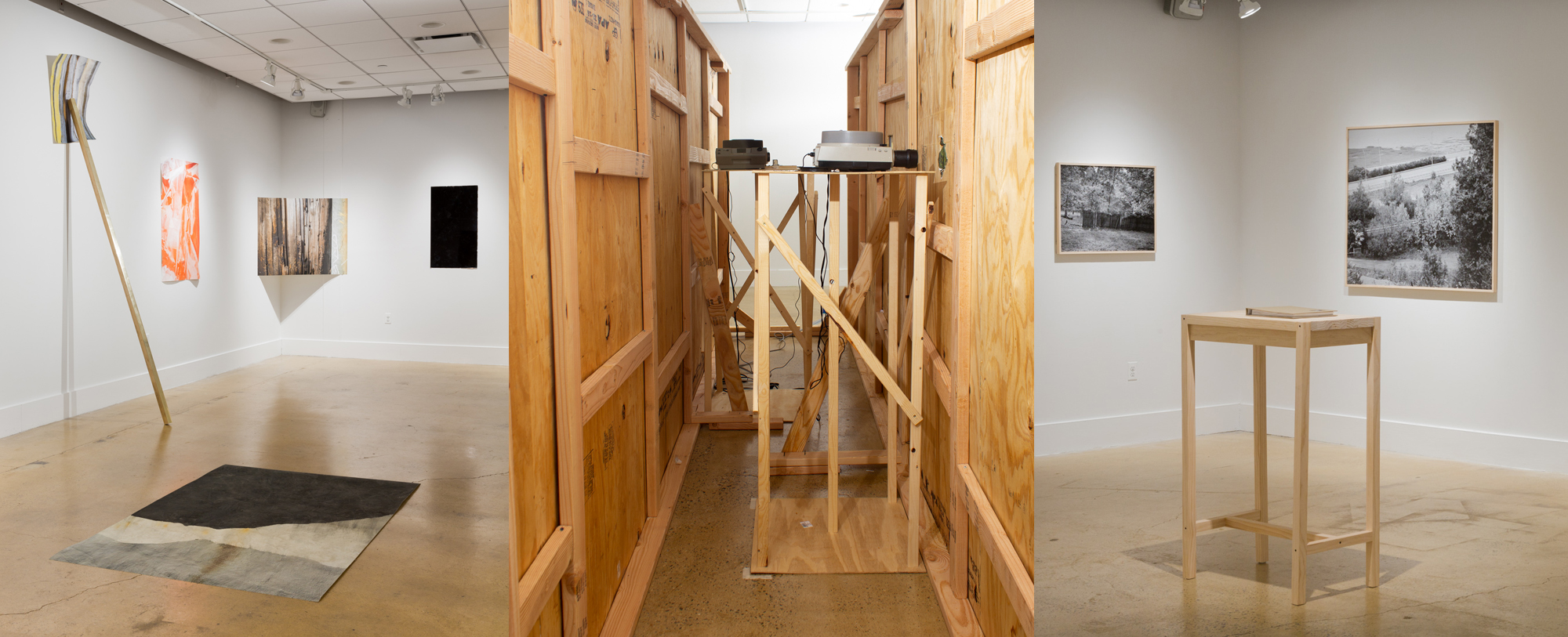
Artist Brandon Foushée, BFA Photography ’21, knew he wanted to apply to the BAXTER ST Residency after a class trip there in 2017. BAXTER ST, located in Downtown Manhattan, was the first gallery he’d been in that was dedicated to experimental forms of photography. “I just knew I wanted to be in that space and be seen there,” he said.
Three or four applications later, Foushée was accepted into the program, joining a roster of his favorite artists who also list the NYC residency on their CVs. “It felt really nice to be a part of that lineage and family,” he said. During his residency, Foushée was provided 24-7 access to his studio space, where he set out to take his photography practice to a new place, experimenting with different materials and processes such as the multimedia photo transfers he creates today.
Foushée’s work revolves around his family. He describes using “their traces and ephemera and archive to interject nuances and describe poetic discovery about being Black in America.” With his family mainly located in New York and New Jersey, and his work entering a new, experimental phase, doing a residency in this city felt important to him.

The New York-based residency also enabled him to continue his full-time job at Jack Shainman Gallery in Chelsea. For Foushée, working while continuing his artistic practice is a natural fit. “At least for me, I work better when there’s a little bit of structure around me,” he said.
Now, Foushée has moved on to a printmaking fellowship at Robert Blackburn Foundation in Chelsea, New York. The experience at these residencies has opened doors for him and given him the freedom to experiment. Discovering something new about your practice, and meeting new people—“That’s where I think is the real joy,” he said. For Foushée, success comes down to a love of the process. “For me, I want to be able to make art for the rest of my life.”
Creating and Connecting Through Art

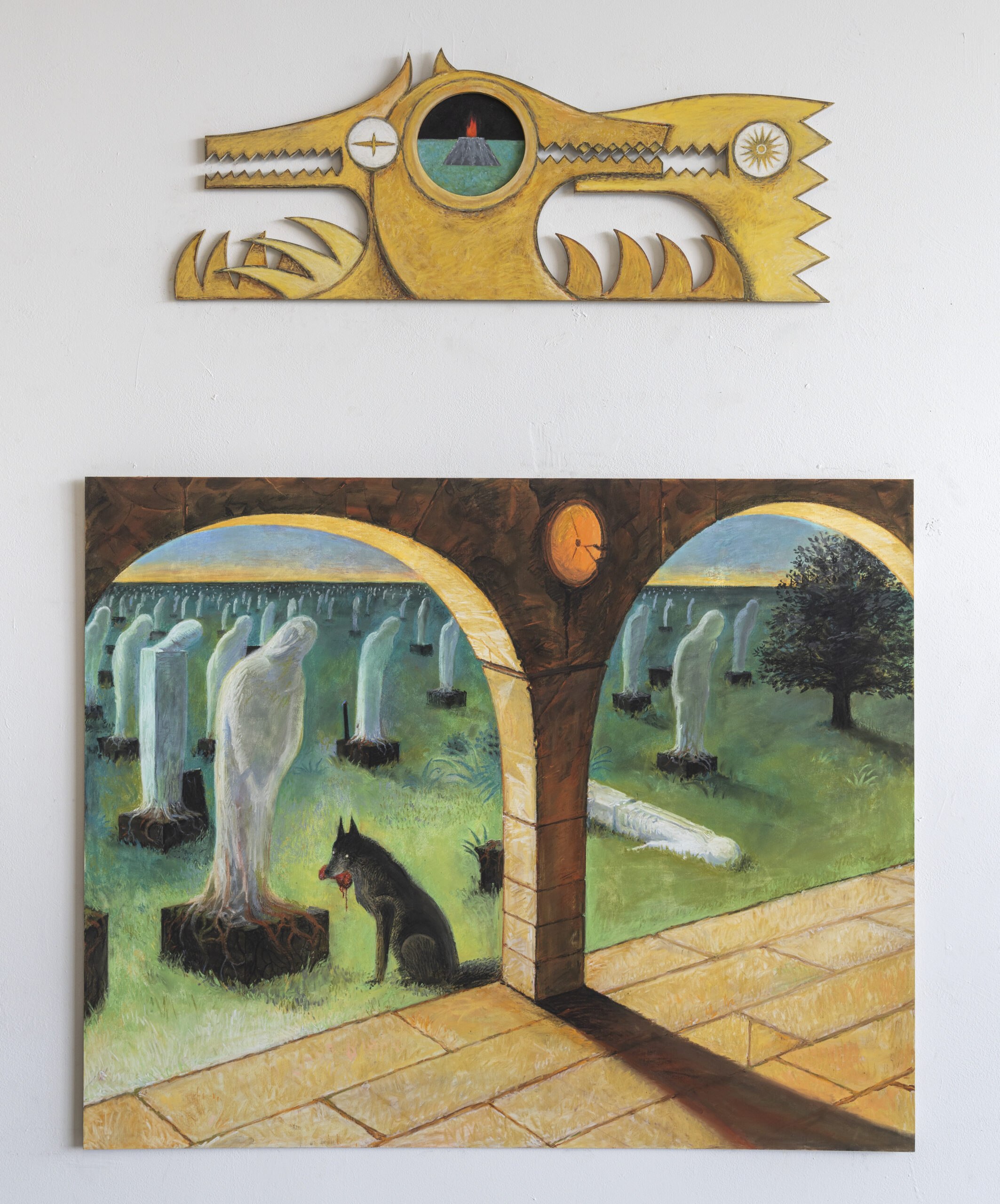
Multidisciplinary artist Dana-Marie Bullock, MFA Fine Arts (Painting and Drawing) ’25, is currently in residence at Silver Art Projects, located at the World Trade Center in Downtown Manhattan. There, she is developing a new body of work about loss and grief, spanning paintings, sculptures, installations, and a performance film based in Jamaica. “It’s been very eye-opening for me because I feel like there’s a lot coming full circle … this environment, this place, it’s so layered in loss.” Connecting it to her own personal experience with loss, she added, “I think it’s inspired a lot of how I’m seeing this new body of work, too.”
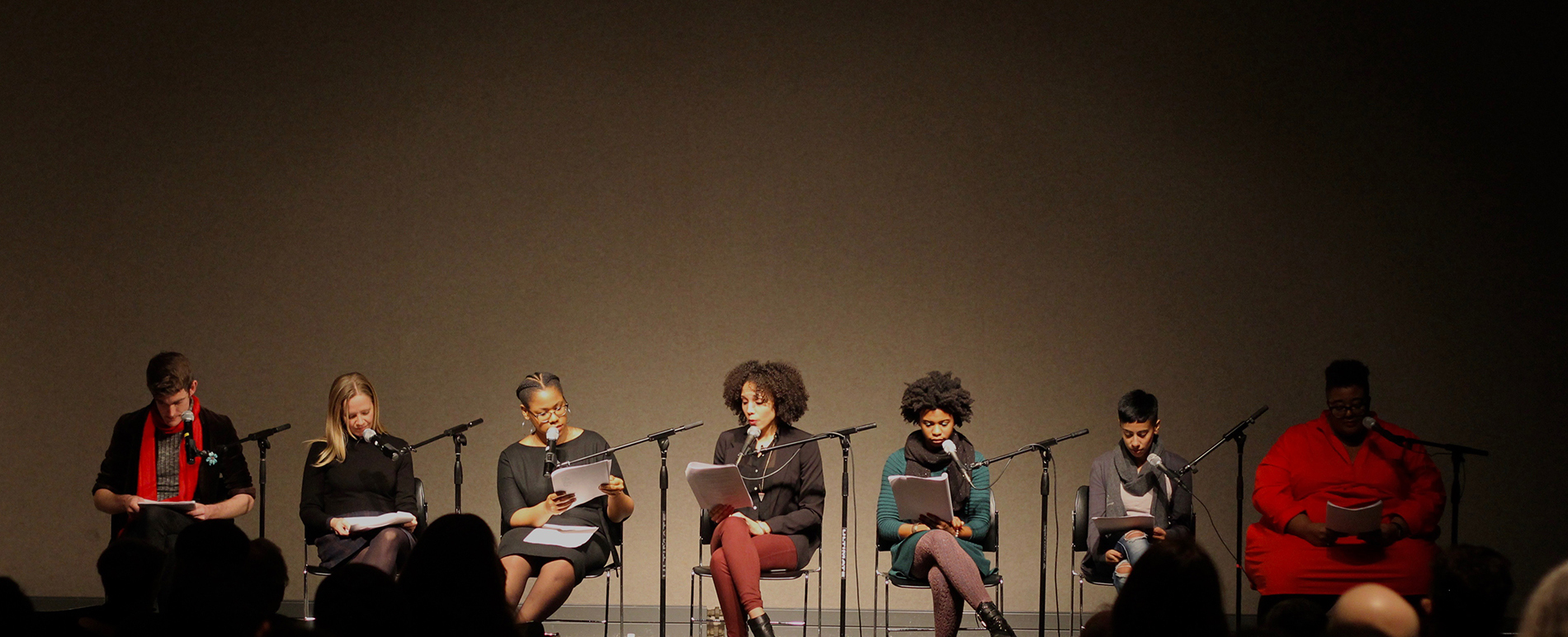
When she’s not working late into the night in her studio, Bullock has found a bustling social environment at Silver Art. There are a multitude of activities, talks, and other opportunities to connect with people in the field, including fellow residents, curators, gallerists, and representatives from institutions around the city. “It’s a really great place to network and meet people,” she said. Fellow residents have even become part of her art collective, Collectif Mondial.

As a full-time artist, applications are part of her day-to-day reality. “I apply for residencies, I apply for grants. While I’ve gotten my fair share of no’s, which comes with the territory and is not a reflection of the quality of my work, I’ve been fortunate enough to experience quite a few positive outcomes which have benefited me greatly. These experiences have allowed me to branch out and focus on other things such as the creation of my art collective, Collectif Mondial, and doing community work,” she said.
In addition to Silver Art Projects’ residency program, Bullock has completed a residency workshop at Ox-Bow School of Art in Michigan and at Anderson Ranch Arts Center in Colorado, both of which she completed while working towards her MFA at Pratt, an experience that continues to shape her trajectory as an artist. “Pratt for me was one of the best experiences of my life. I’m so glad I went there and I’m so glad I worked with the professors I worked with and had the friends I had,” she said. “I’m using all the things I learned now in my work.”
Finding Focus in Ridgewood

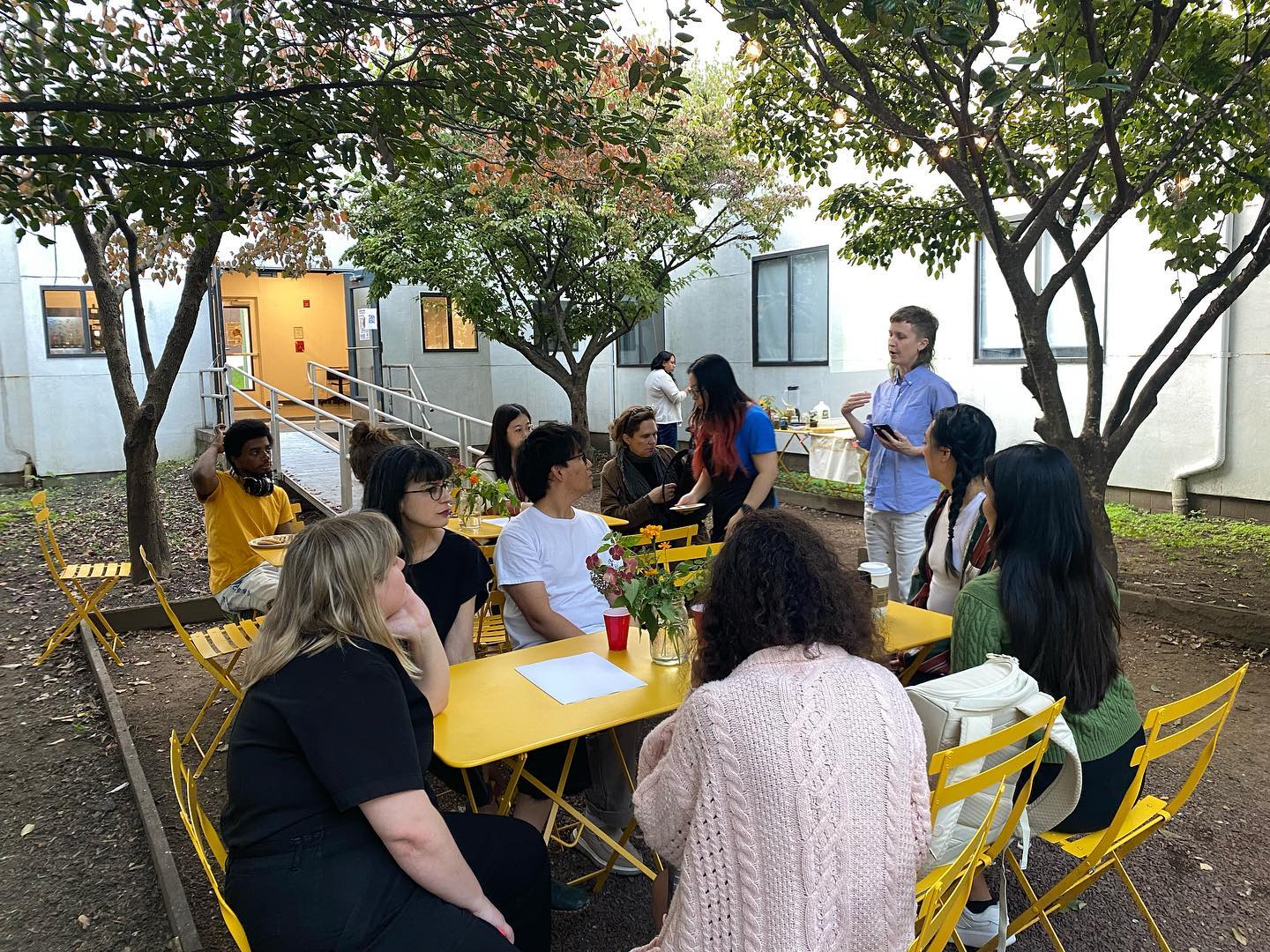
Writer and editor Amanda K Horn, BFA Writing ’15, recently completed a four-month residency at Woodward Residency in Ridgewood, Queens. Upon acceptance, she received access to the dedicated workspace that the program provides to artists and designers, which she was able to access according to her schedule. She worked alongside a cohort that spanned disciplines, including music composition, writing, photography, visual art, and architecture, and mingled at a weekly mixer called “Tea and Cake.”
Horn balances her writing practice with a career in publishing and her role as founding editor-in-chief of the literary magazine Twin Bird Review. This past year has been a transitional time for Horn professionally, and she was looking for an opportunity to focus on completing her novel. For her, the flexibility of what she calls a “working residency” was a major draw. “It’s difficult to step away from your life,” she says. “At this age, you have responsibilities. So, being able to work around the demands of a normal life was super important.”

A dedicated workspace helped Horn eliminate distractions and focus. “Having a designated space where you come specifically to create was so helpful,” she explains. “There was kind of a Pavlovian response that happens a little bit, where you’re like, okay, I’m in the place, your brain turns on, and now it’s time to do the thing.”
The results surprised even her. “I tend to be a very slow writer and very easily distracted,” Horn admits. “Over the course of four months, I got through almost a complete draft of my novel, which is crazy to me.” Without the residency, she estimates she would have completed only a quarter to half as much of her climate fiction novel, titled The Earthist.
The interdisciplinary community also fueled her creative momentum. Twice during her four months, participants gathered for work shares to present their projects. “Being able to see all the different angles that people take to approach themes and artistic goals was exciting and energizing,” Horn says. “So much of creativity is just maintaining passion and momentum for the project, so anything you can do to kind of bolster that, feed it, is really helpful.”
Learn more about programs at Pratt