To Designing in Nepantla: Articulating a Design Value System for the Mexican Context
By Jose de la O
This proposal expands upon an ongoing body of work that uses speculative design and counterfactual tactics to explore how design can serve as both critique and imagination—especially when it emerges from contexts that have historically been excluded from dominant narratives. Central to this investigation is the idea of Nepantla—a Nahuatl term describing an in-between, liminal condition—which becomes a conceptual framework for engaging with Mexican identity, design, and philosophy.
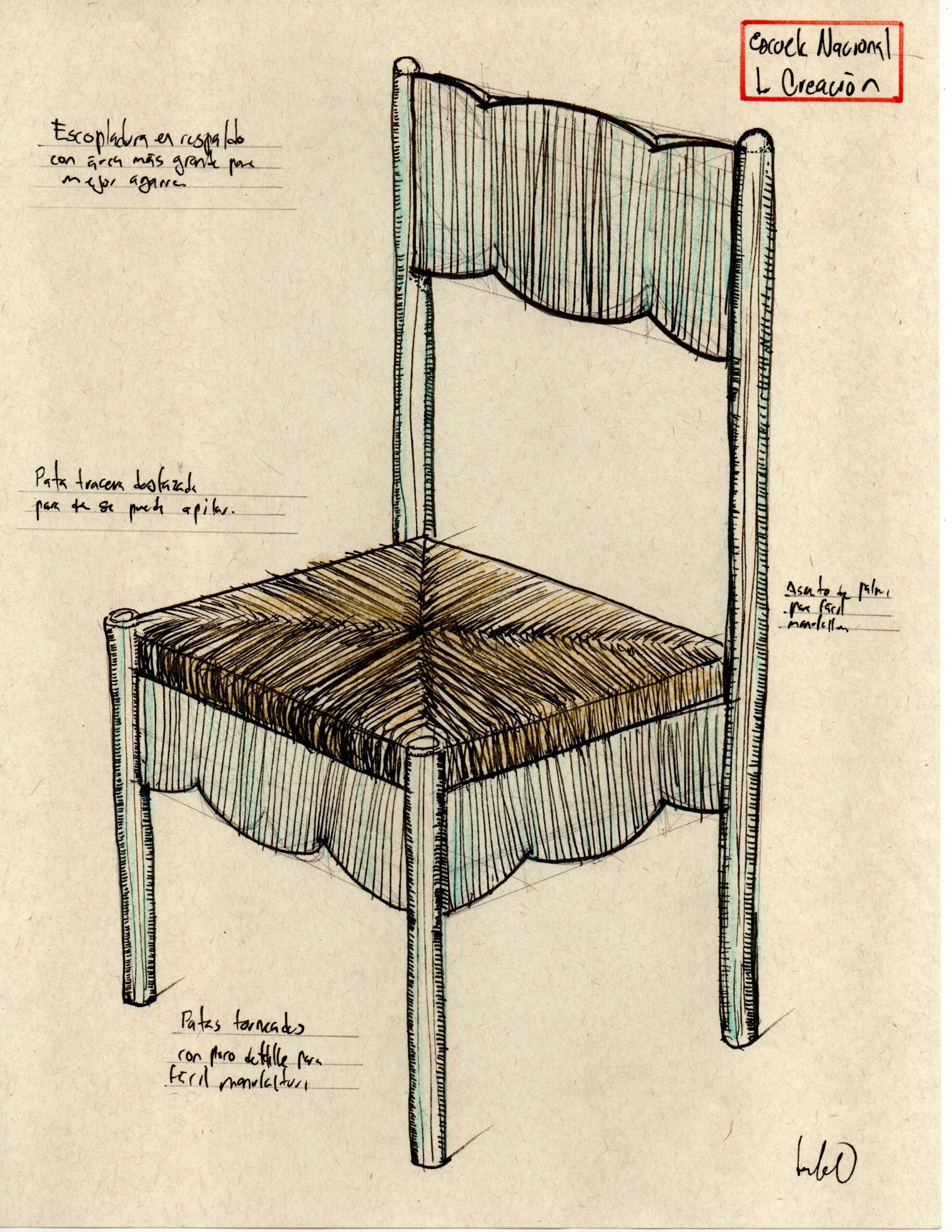
At the heart of the project is the Escuela Nacional de Creación, a diegetic prototype in the form of a fictional design school imagined to have been founded in 1929 during Mexico’s post-revolutionary reconstruction. This speculative institution functions not just as a narrative setting, but as a critical device for rethinking how design might have evolved if it had been shaped by Mexican philosophical thought rather than subordinated to imported Eurocentric paradigms.
Each of the school’s six imagined eras—ranging from early mestizo modernism to contemporary decolonial practices—provides a narrative arc that allows us to question, remix, and reinterpret design history. Figures such as José Vasconcelos, Adolfo Best Maugard, Emilio Uranga, Jorge Portilla, and Enrique Dussel serve as philosophical anchors for each era, helping shape the school's pedagogical frameworks, aesthetic strategies, and political positioning.
Through this speculative narrative, the project constructs an alternative yet deeply plausible history of Mexican design—one that resists fixed definitions and embraces intuition, informality, and improvisation. It operates through the lens of counterfactual design, asking not "what is" but "what could have been," using fiction as a serious tool to reimagine design’s social, political, and cultural role.
The parallels between Mexican philosophy and design become particularly revealing: both operate from the margins, both are hybrid, and both are marked by a productive contradiction. Just as the thinkers of Grupo Hiperión called for a philosophy grounded in lived, local experience, this project envisions a design practice that speaks from rather than about its context—affirming the complexities and ambiguities of Mexican identity rather than simplifying or resolving them.
For the Brooklyn Yard, this project proposes an expanded installation and performative lecture format that makes the Escuela Nacional de Creación tangible. Through diegetic artifacts, speculative curricula, and archival fictions, the installation becomes a space where visitors can engage with design not only as a form-making practice, but as a form of historical re-imagining and cultural resistance.
Ultimately, this approach does not seek to solve the contradictions of identity and place, but to embrace them as fertile ground for design. It asks: What kind of design language emerges when ambiguity, contradiction, and multiplicity are not obstacles, but foundations?
-
 Trained as an industrial designer with a Master’s in Conceptual Design from Design Academy Eindhoven and currently a PhD candidate at RMIT University, de la O is the creative force…