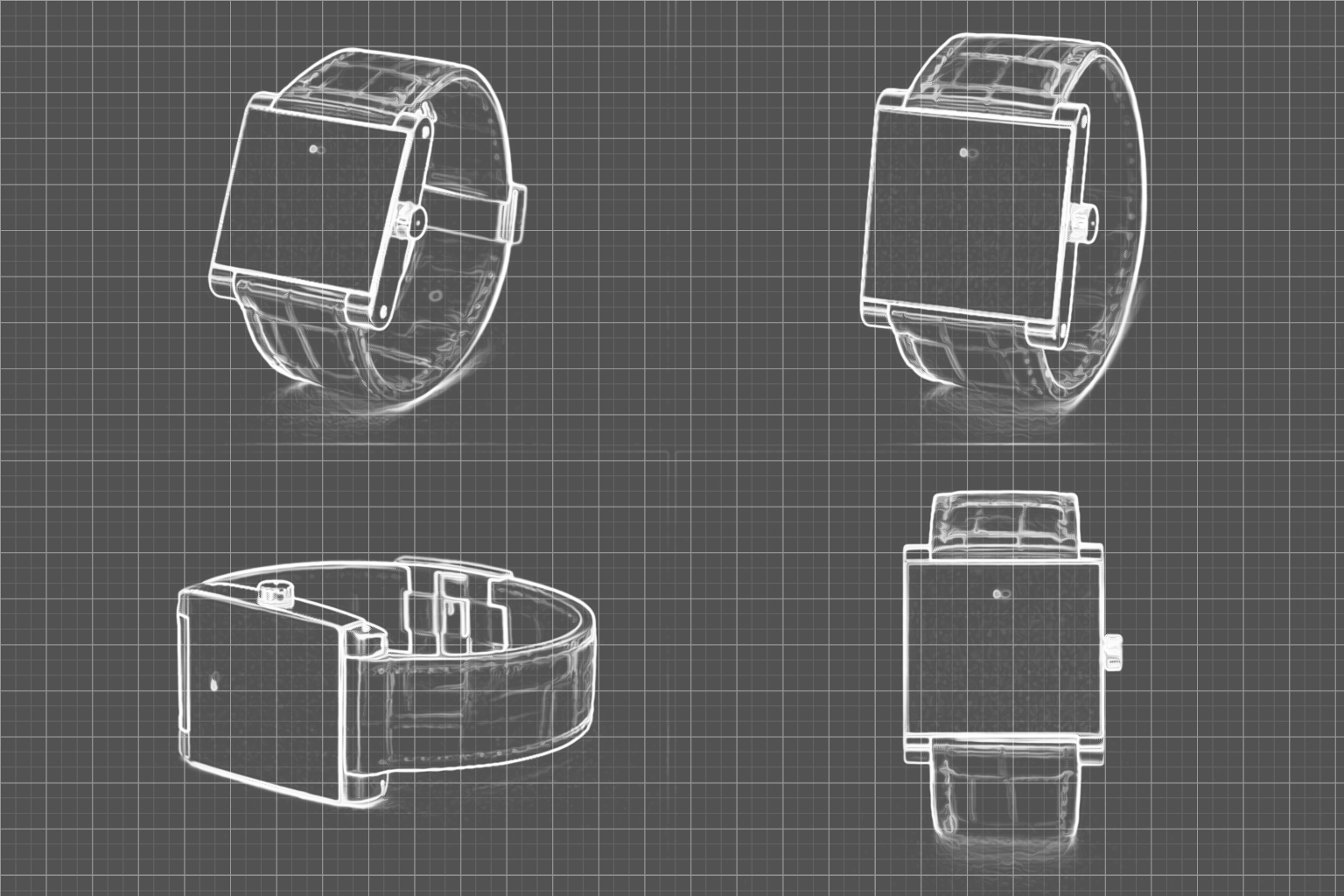
NOEM — Context as Infrastructure: Designing a Context-Aware AI System
By Sebastian Roda and Noemie Ducrey
NOEM is an experimental research project exploring how artificial intelligence systems might move beyond prompt based interaction toward continuous, embodied context awareness.
Current AI tools rely primarily on user input in isolated moments—text prompts, voice commands, or single queries—resulting in fragmented understanding and shallow situational awareness. NOEM proposes an alternative framework: treating context itself as infrastructure. The project investigates how environmental signals, physiological data, temporal continuity, and behavioral patterns can be structured into what we call “context packets”—persistent streams of information that allow AI systems to develop richer, more grounded interpretations of human intent and experience.
The research combines conceptual inquiry with applied prototyping. We are developing an early wearable device and software pipeline that collects low-frequency contextual signals (such as motion, ambient sound, and biometric indicators) and organizes them into a semantic graph that evolves over time. This system explores questions of ethical data collection, interpretability, and agency while also addressing technical challenges around signal ingestion, semantic density, and context drift.
NOEM operates at the intersection of design, computation, and critical theory, asking how future human–AI relationships might be reshaped when machines no longer rely solely on explicit commands but instead learn through sustained presence. The project aims to contribute to broader conversations around AI ethics, embodied computing, and post-interface interaction models, while offering a tangible prototype that visitors can engage with directly.