Skip to content

KINO

By Aidan Lee

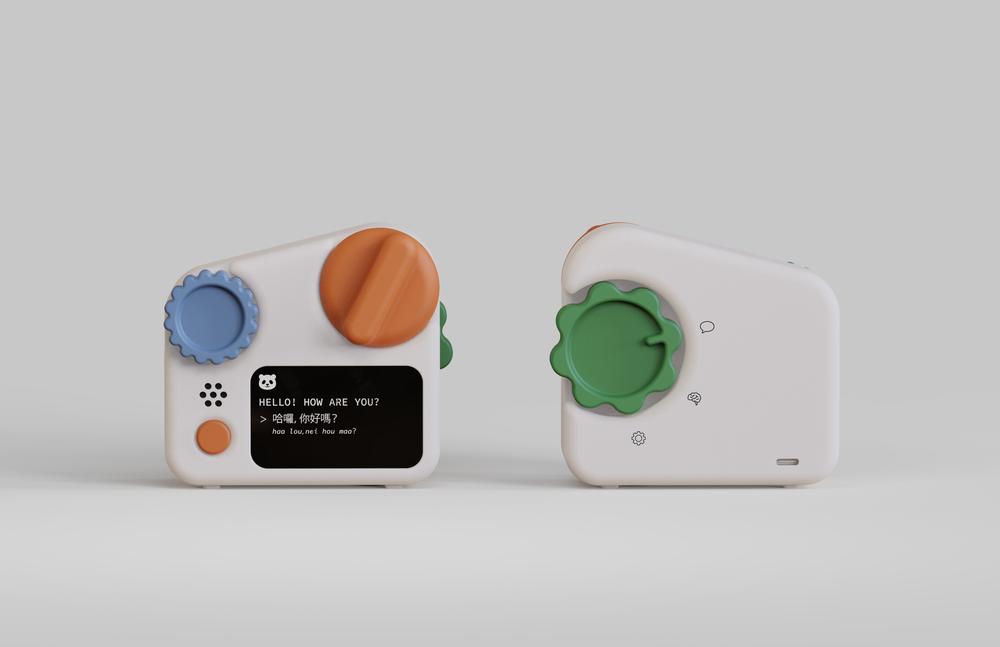
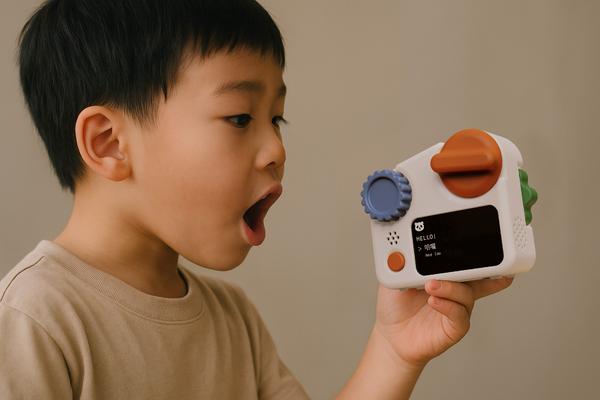
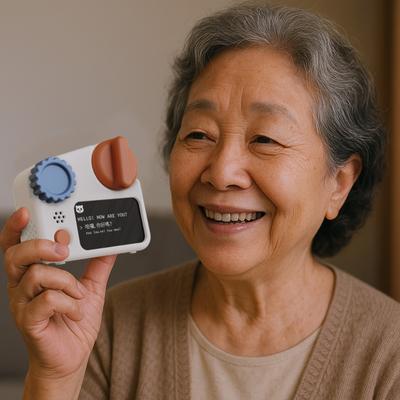
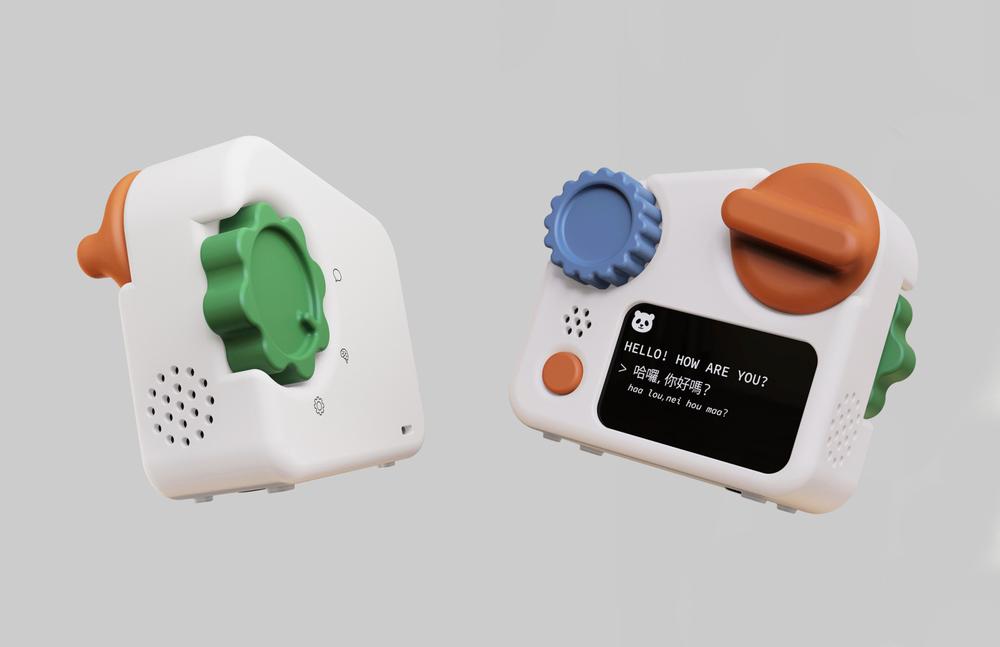
A playful, compact device resembling a toy, featuring colorful knobs and a small screen displaying text. The device has a white body with an orange knob, a blue gear-like dial, and a green flower-shaped button. Sounds can be emitted from a speaker located on one side. The screen shows a greeting in English and Chinese, inviting interaction.

KINO is a screen-free, AI-powered communication device that connects children and grandparents across language and cultural barriers. Designed for multilingual families, it enables asynchronous voice messaging with real-time transcription and translation. With simple buttons and dials, it’s easy for both kids and seniors to use independently, encouraging natural conversation without needing parental help. Daily prompts and AI-driven vocabulary tools help build deeper understanding and lasting connections through tactile, intuitive interaction.

project type

independent project

timeline

3 months (March-May)

the importance of connections

As of 2023, over 17.9 million children in the U.S. live with at least one immigrant parent. While families migrate for opportunity, distance and language barriers often disconnect children from their cultural roots.

Grandparents play a vital role in preserving heritage—they offer lived history, language, and values unique to the family’s origin. Maintaining this bond helps children build a stronger sense of identity, while giving grandparents a renewed sense of purpose, connection, and legacy across generations.
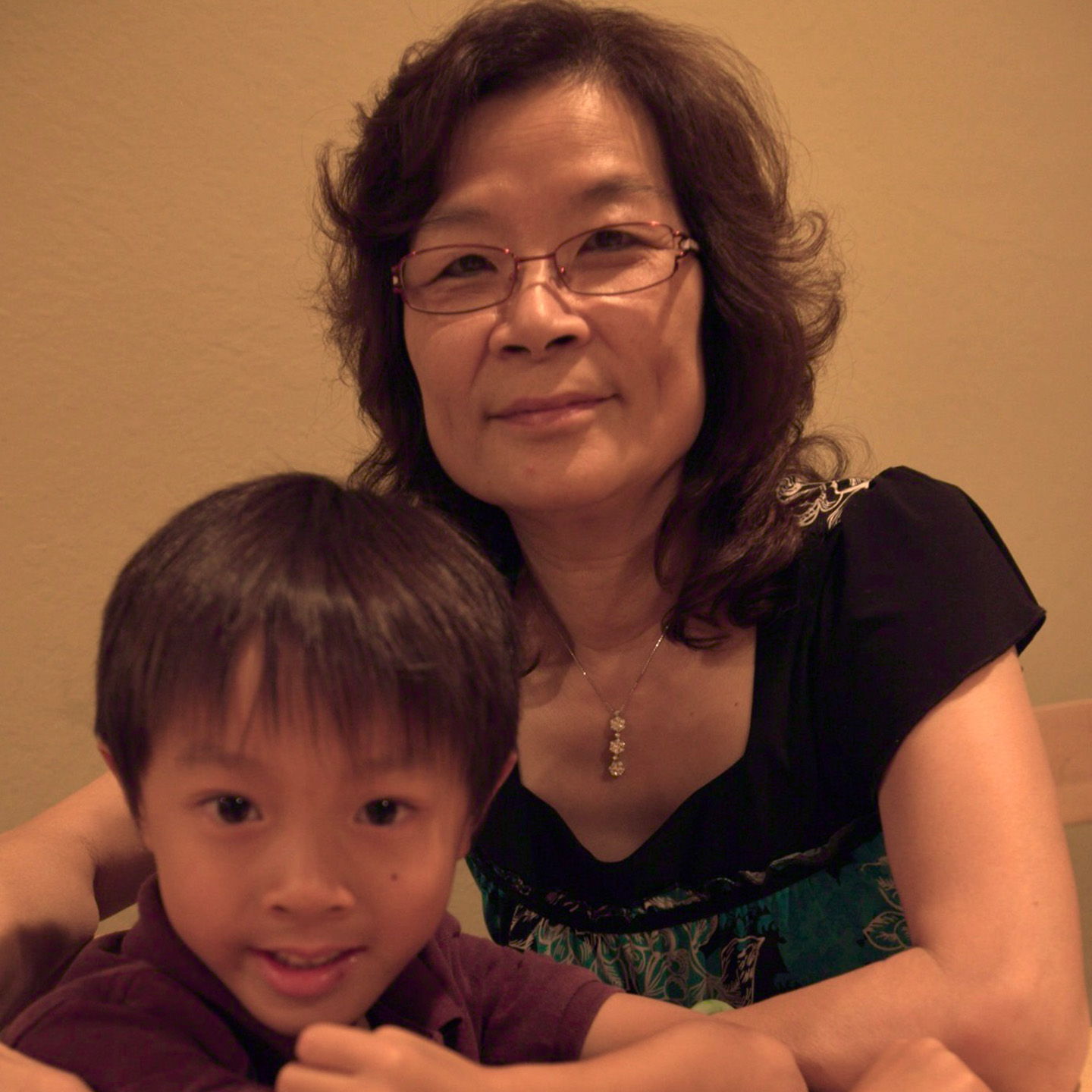
A woman with wavy dark hair wearing glasses sits next to a young boy with short dark hair. The woman is wearing a black top with colorful patterns. They both smile at the camera, with the boy in front and looking slightly to the side. The background is a plain beige wall.
2009
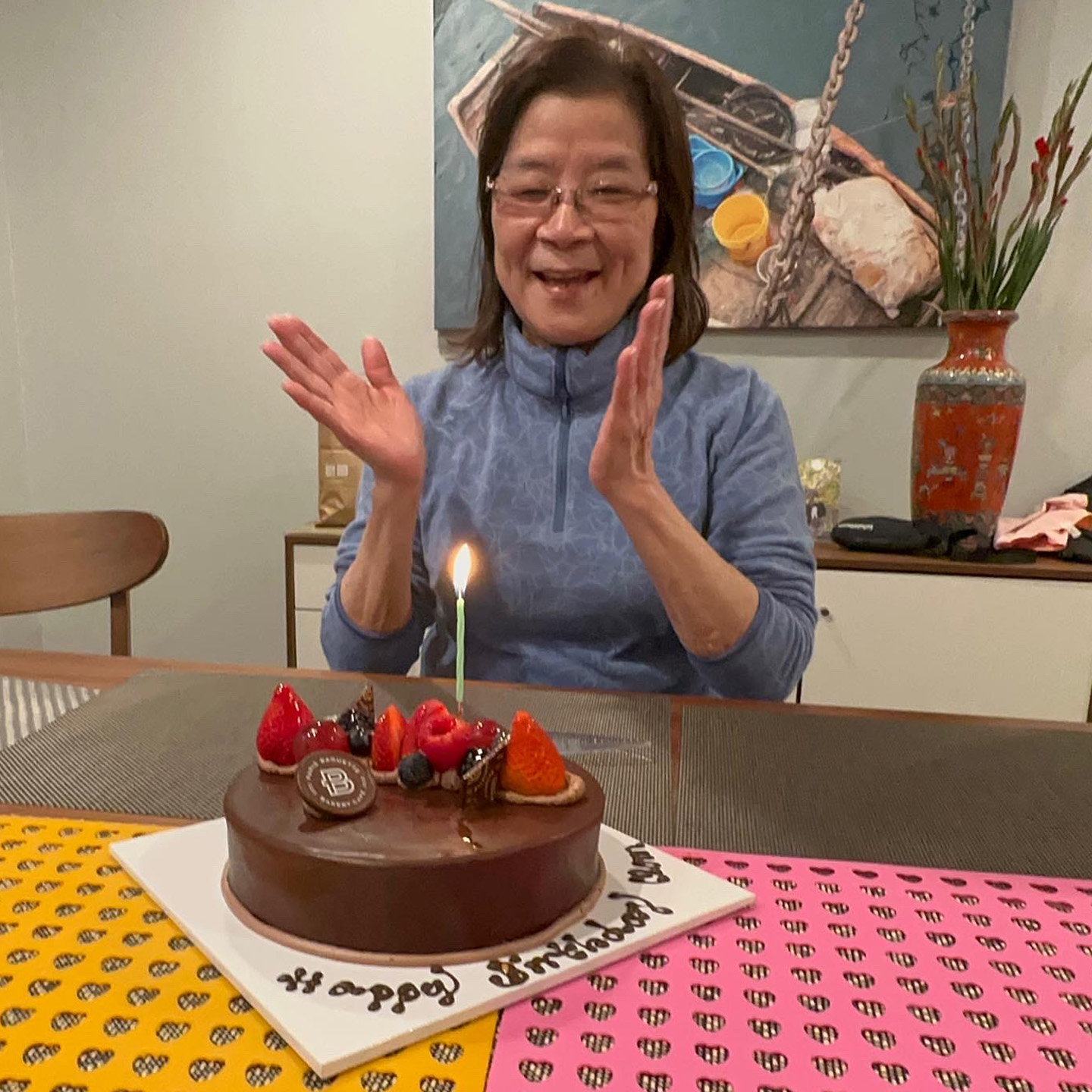
A woman is sitting at a table with a birthday cake in front of her, adorned with various fruits and a single green candle lit on top. She is smiling and clapping her hands in celebration. The background features a colorful art piece and a decorative vase. The table is covered with a patterned tablecloth in pink and yellow. The cake has "Happy Birthday" written in icing.
2025
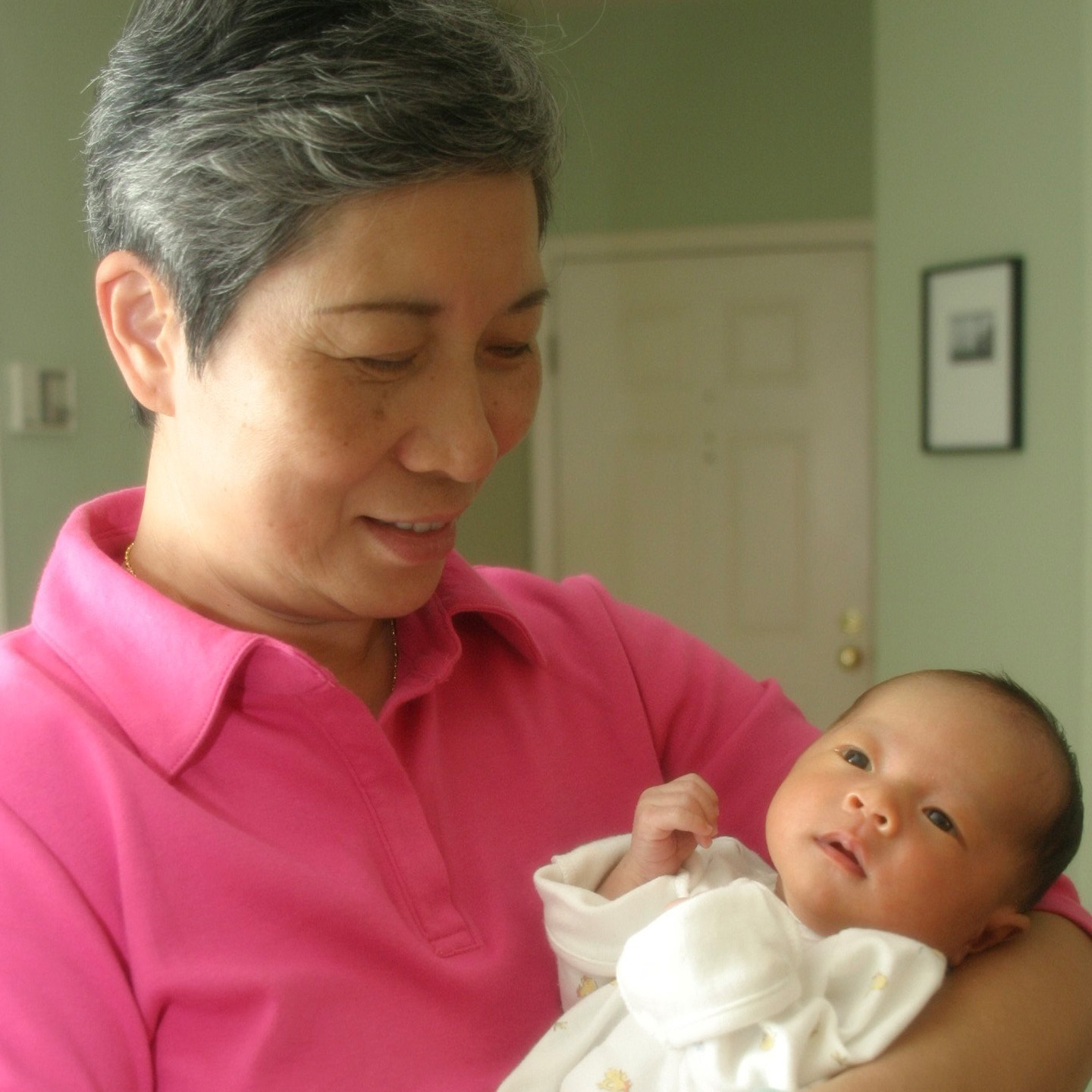
A smiling woman with short gray hair is holding a small baby in a white outfit. The woman is wearing a pink polo shirt and looking down at the baby, who is gazing back at her with curiosity. The background features a softly lit interior with a door and a framed picture on the wall.
2003
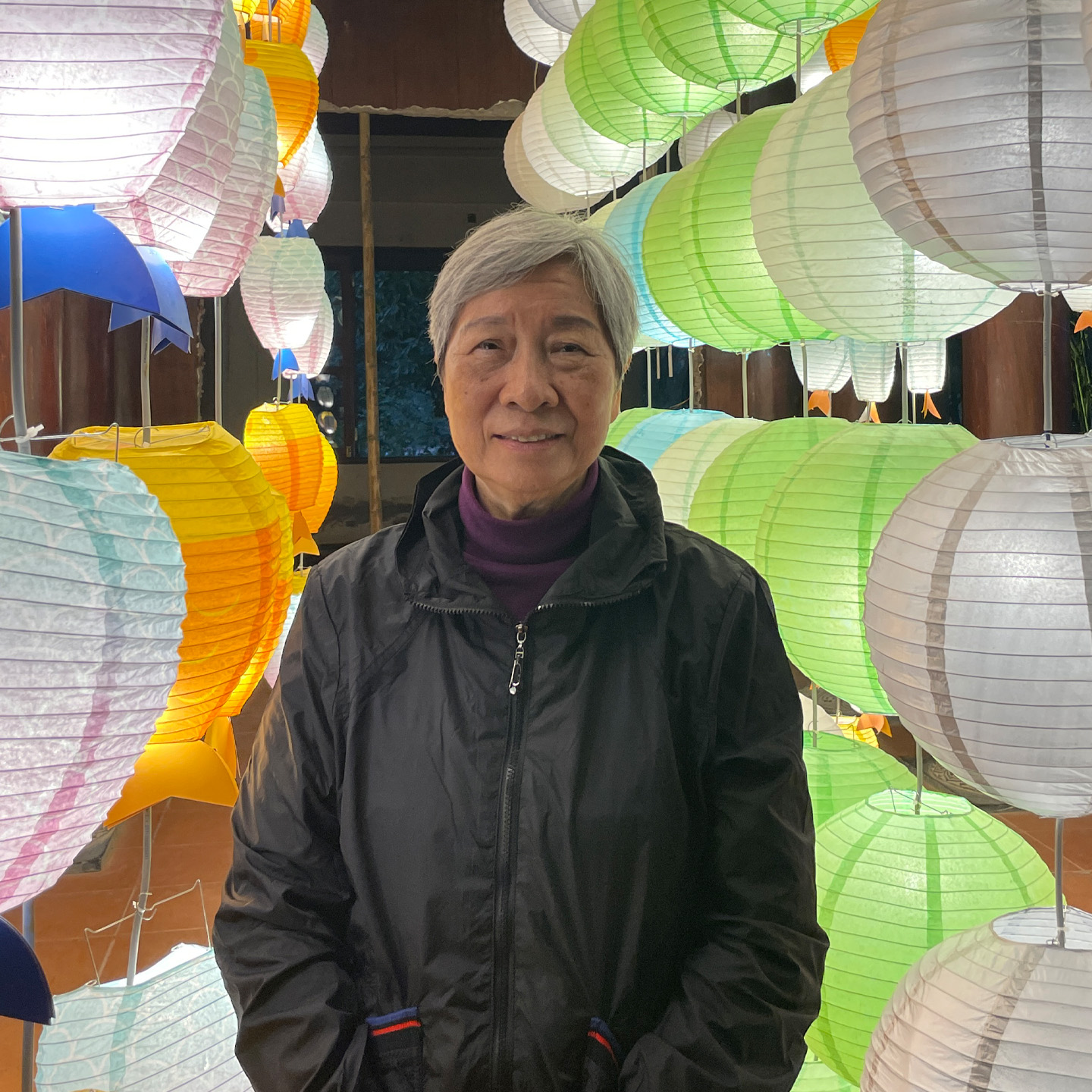
An older adult with short gray hair is standing in front of a colorful display of paper lanterns. The lanterns are in various hues, including orange, green, white, and blue, hanging above him and behind him. He is wearing a black jacket and purple turtleneck, smiling gently at the camera. The setting appears to be indoor, illuminated by the soft glow of the lanterns.
2025

exploring sketches

Early KINO sketches explored approachable forms with large tactile buttons for intuitive use across generations. Emphasis was placed on portability and comfort, drawing inspiration from classic house silhouettes to evoke warmth, familiarity, and a sense of home in every interaction. I ultimately chose a form inspired by half a house, an abstracted take on the traditional shape, capturing the essence of home while allowing for a more ergonomic form that accommodates all the necessary functionalities.
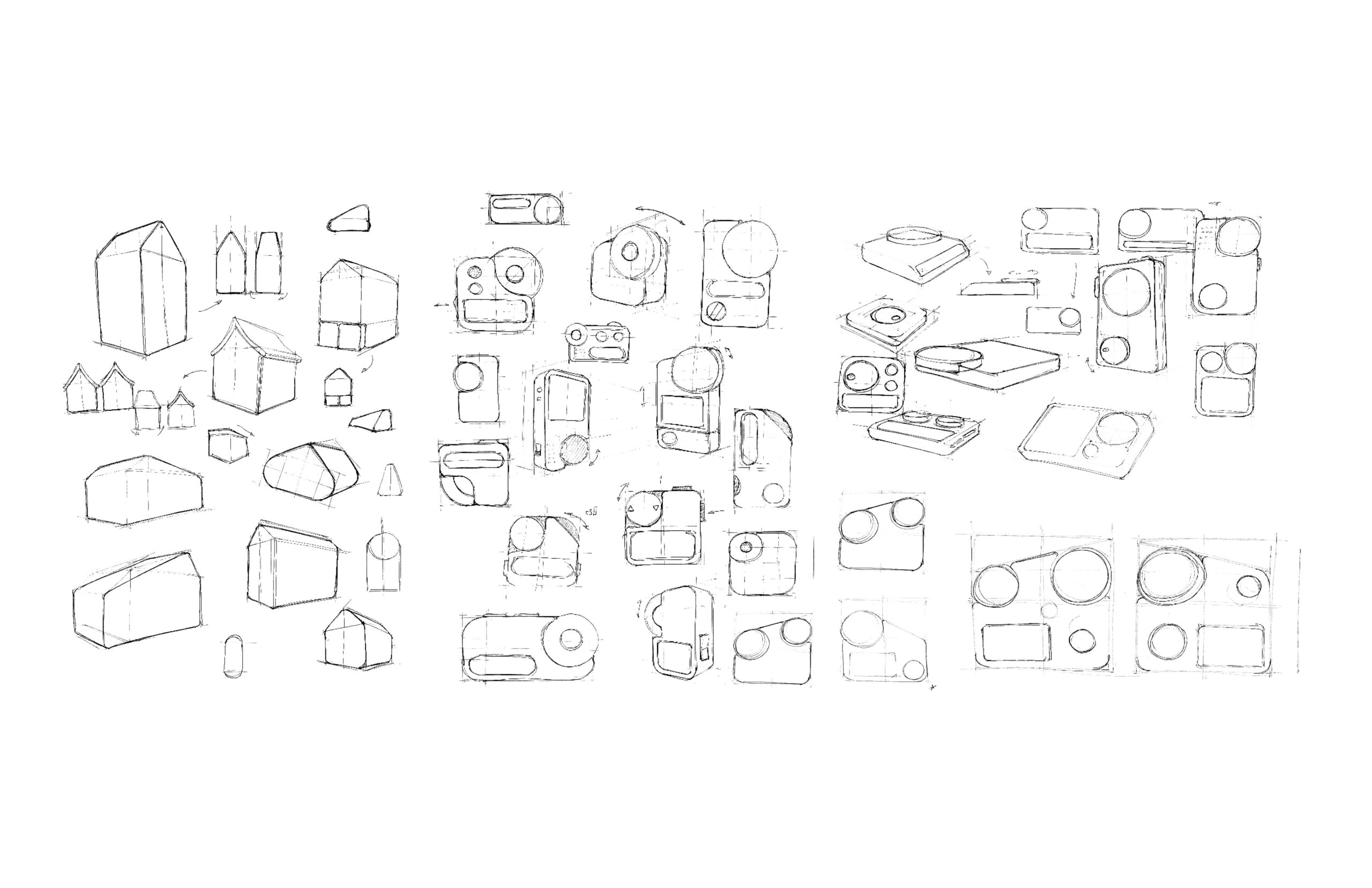
A collection of pencil sketches showcasing various geometric shapes and forms. The sketches are organized into sections, with the left side depicting stylized buildings like houses and geometric constructions, while the right side features more abstract forms resembling electronic devices and objects, including buttons and screens. The overall style is minimalist, with clean lines and no shading.

prototypes and coloring

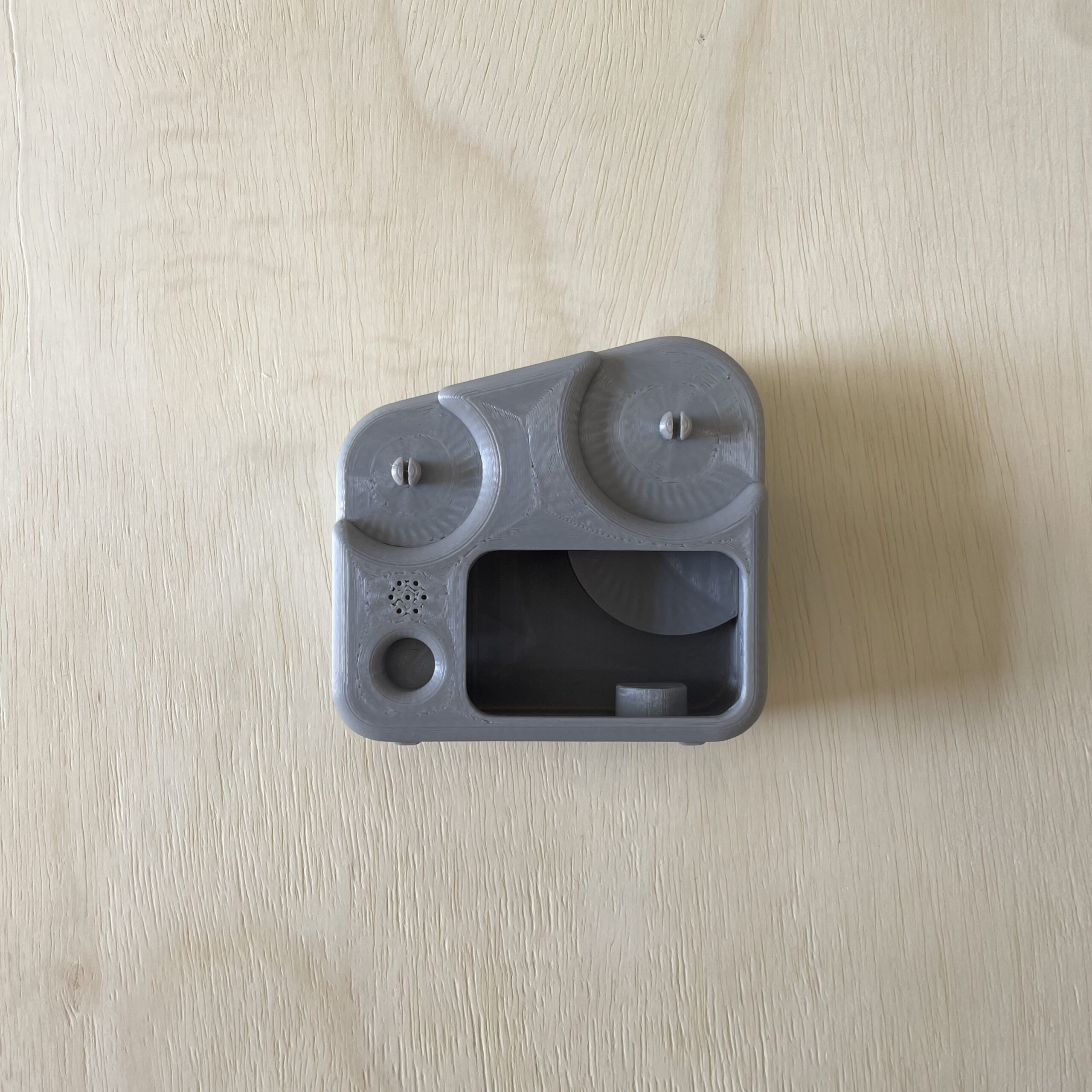
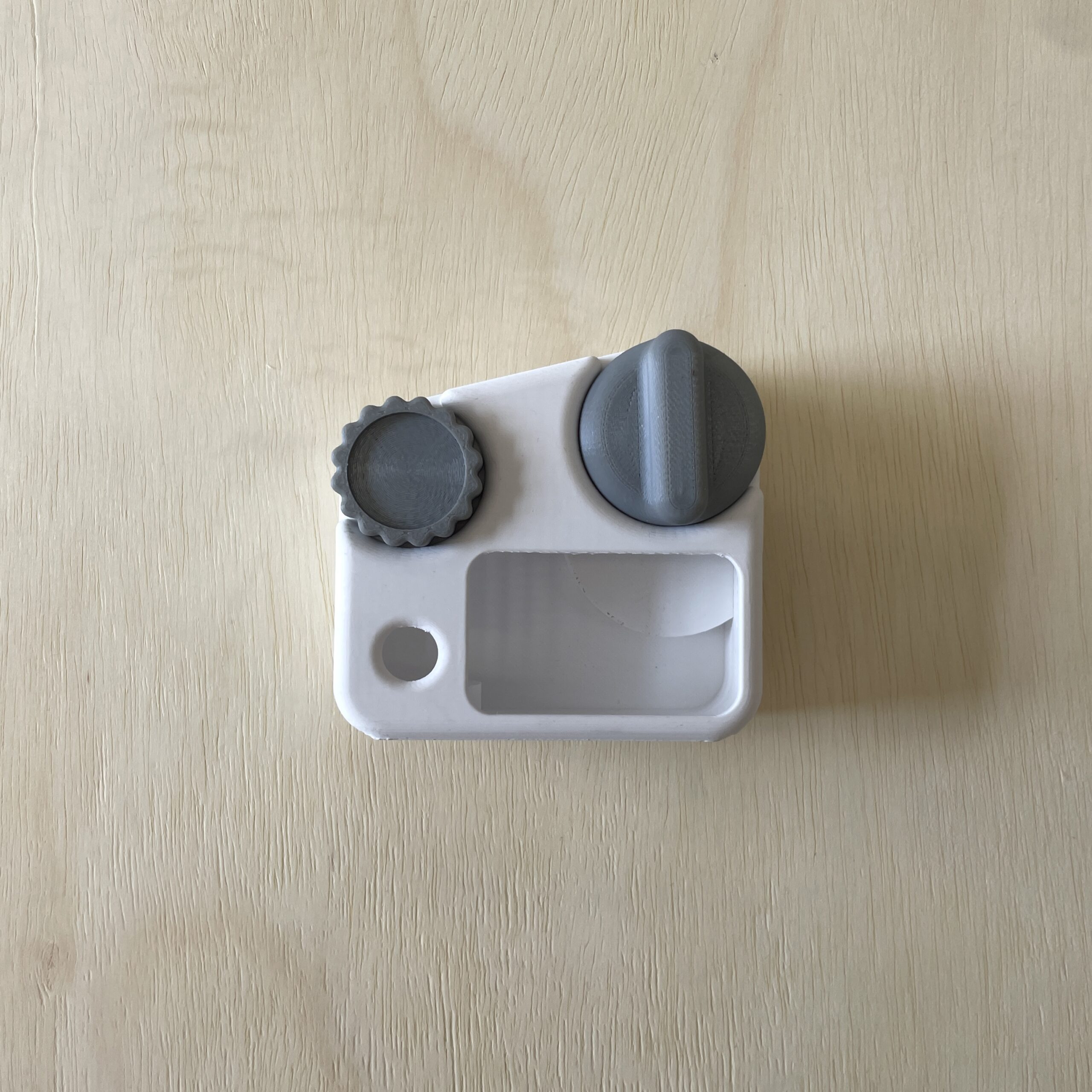
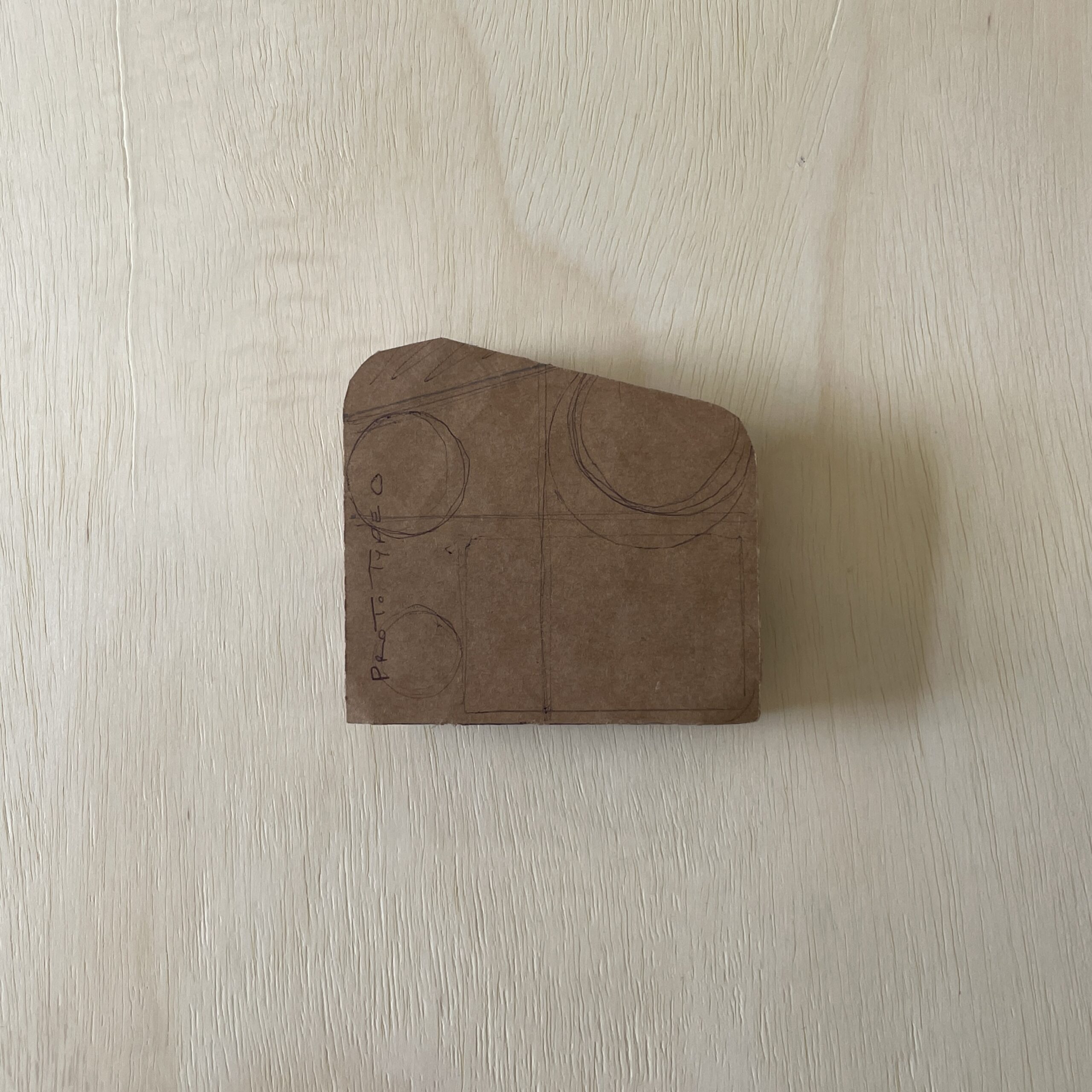
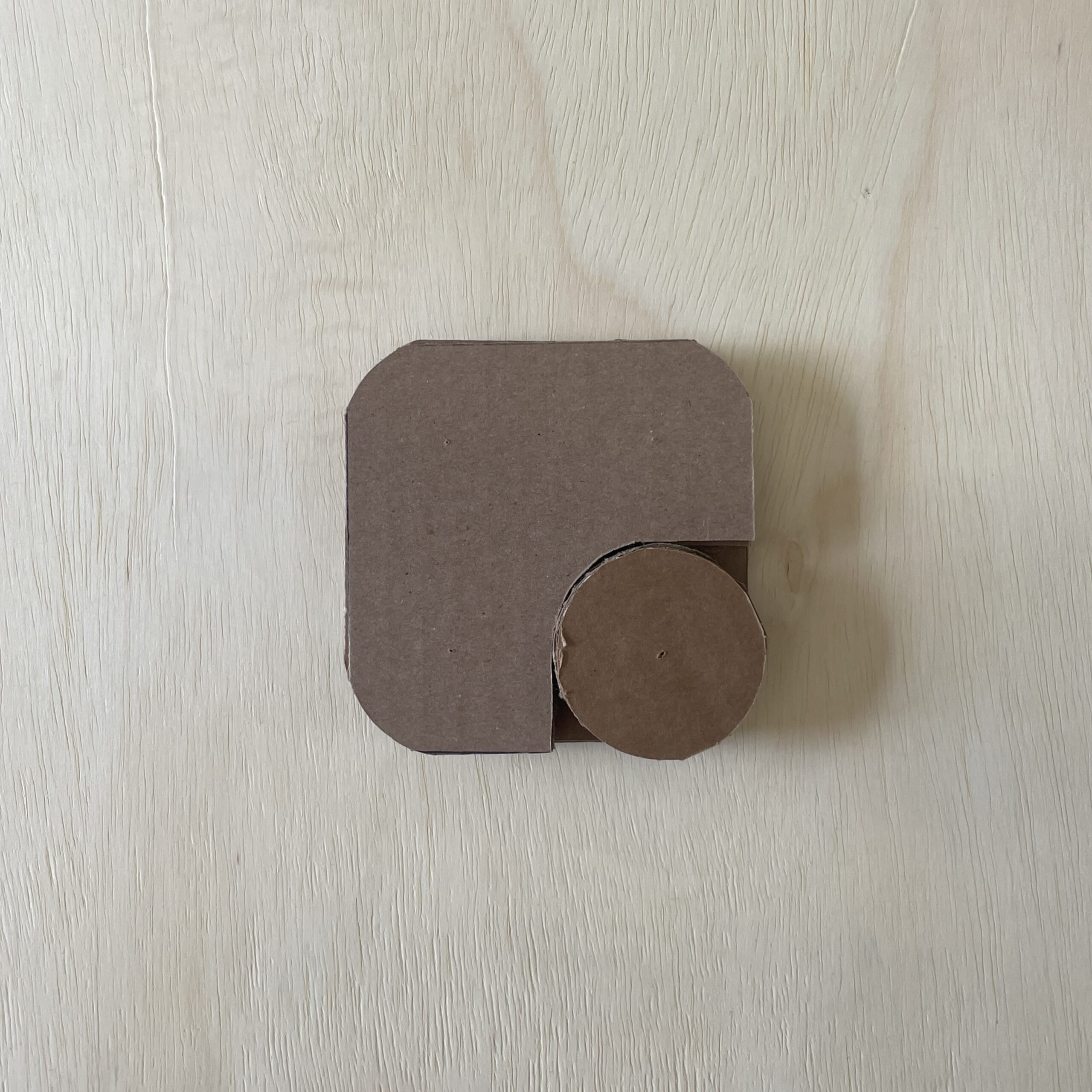
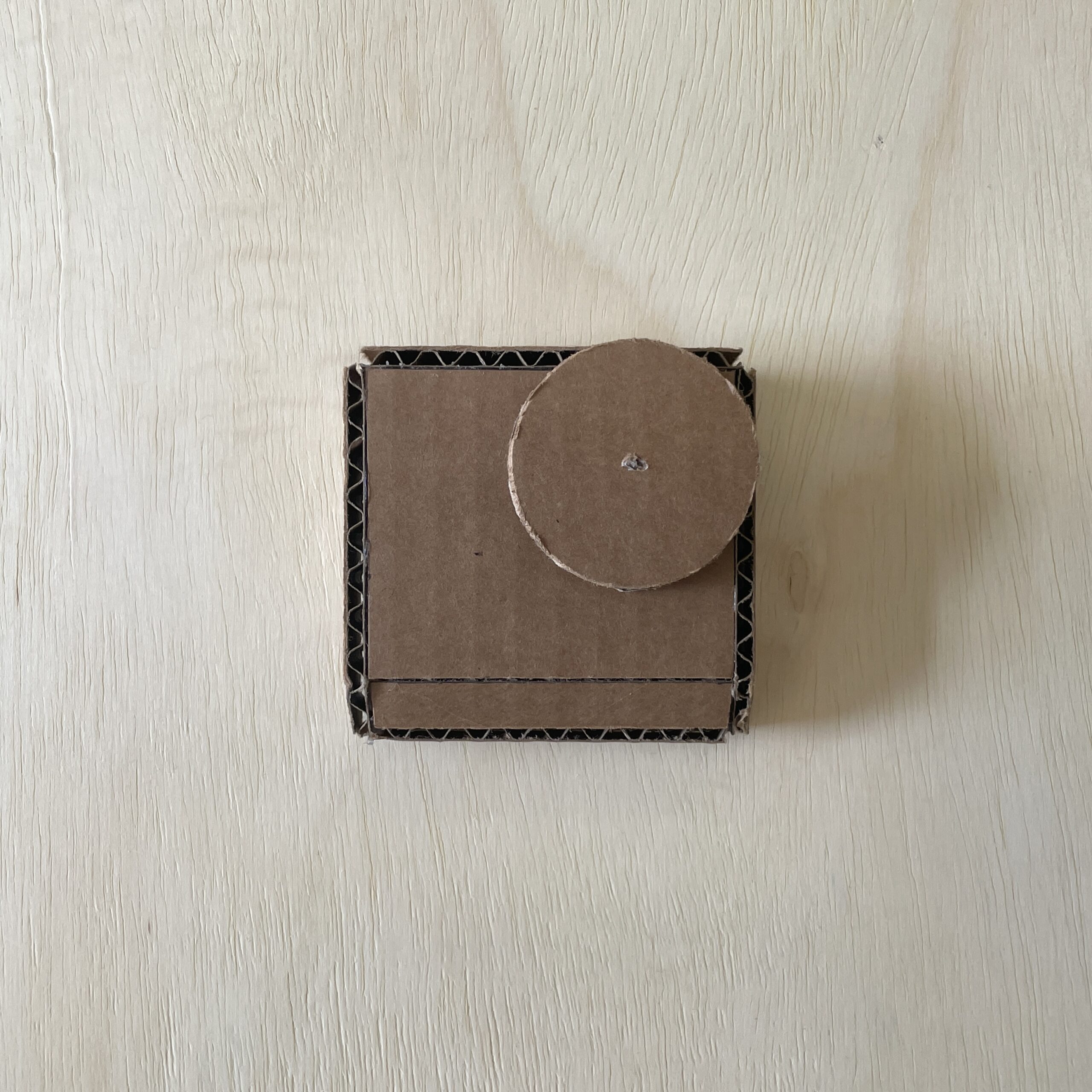
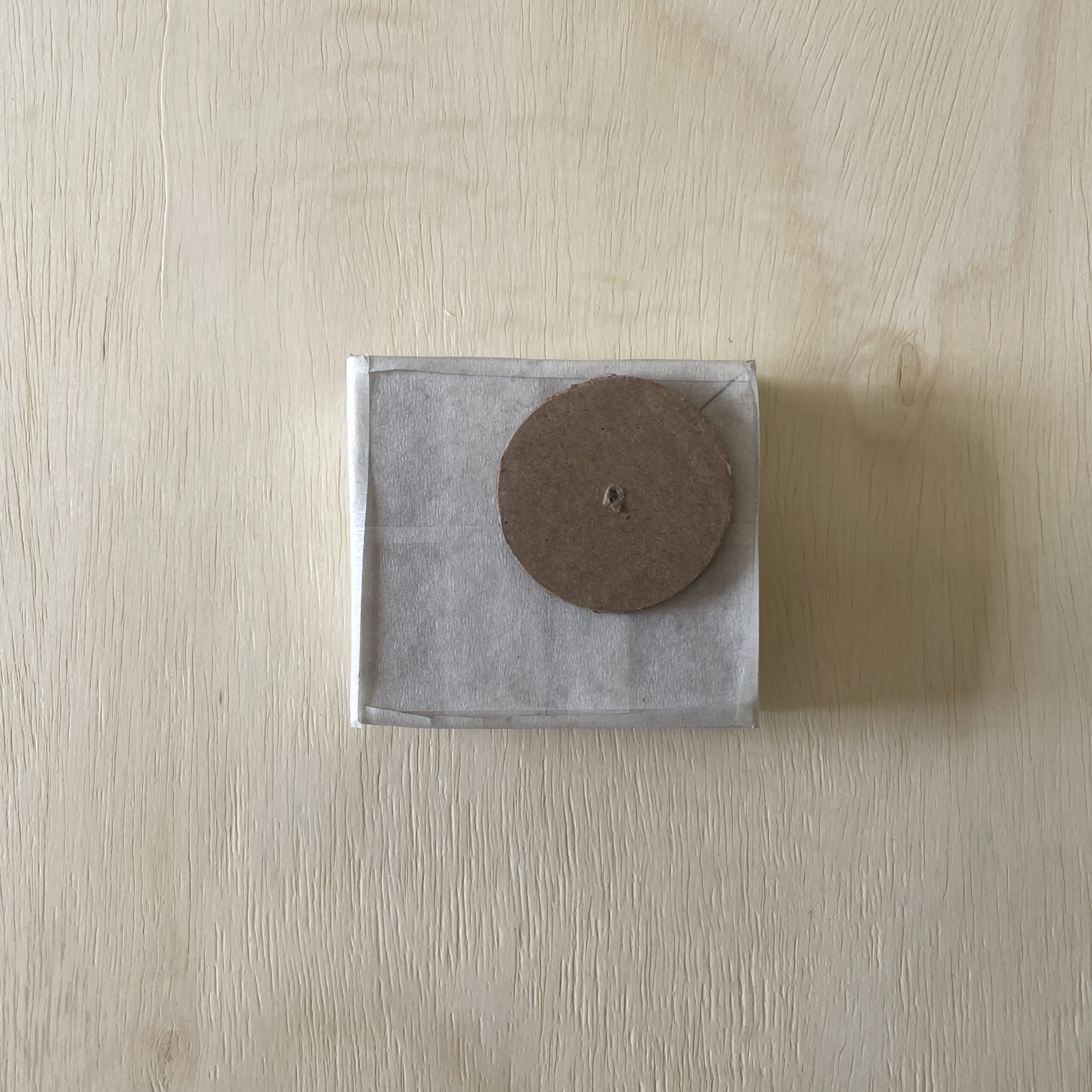
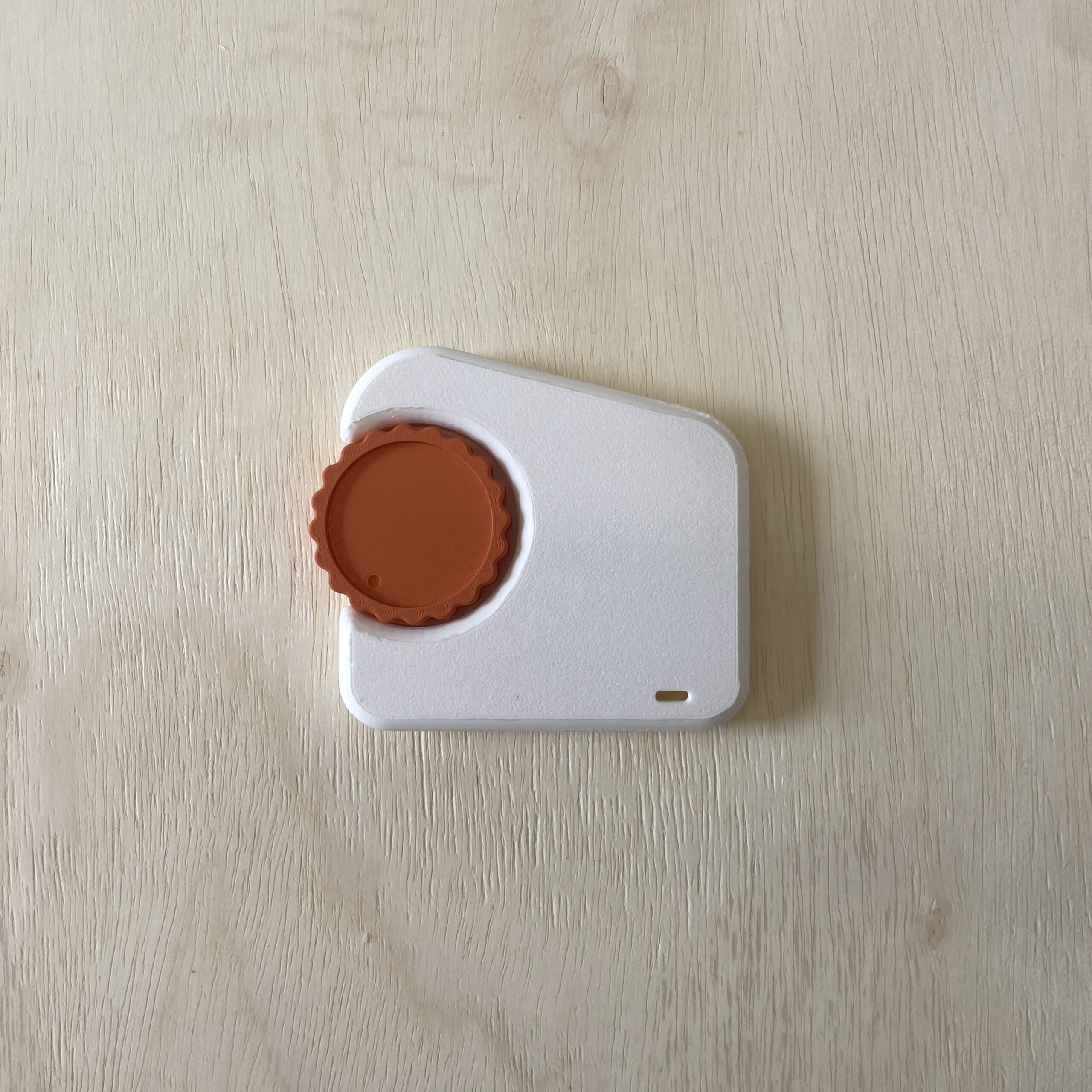
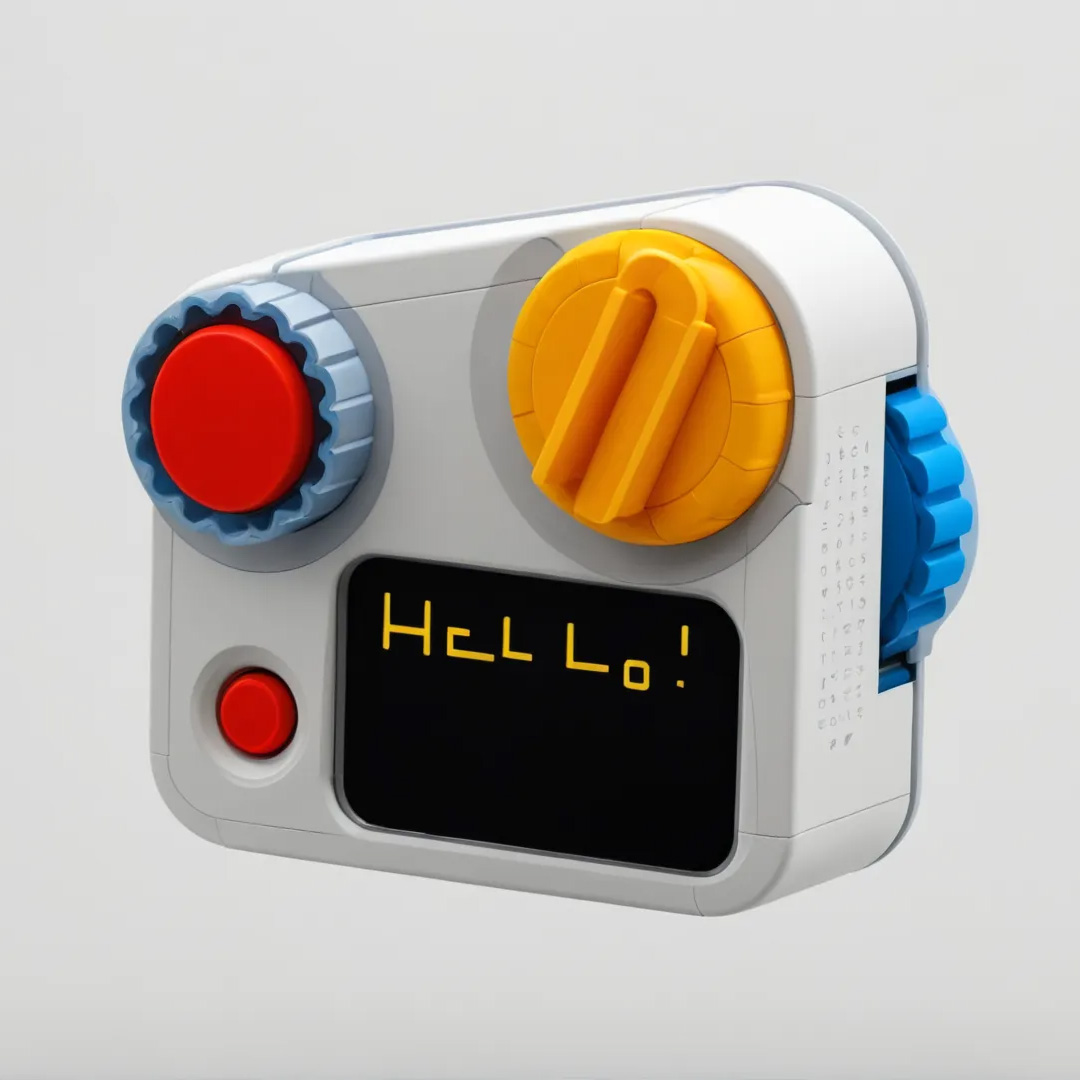
Several prototypes were developed to test body sizing, button shapes, and dial placements, ensuring the best ergonomic fit and intuitive interaction for both children and the elderly. AI tools were used to explore quick CMF concepts. Final colors were chosen based on function, making buttons and dials visually distinct to improve usability and reduce confusion.
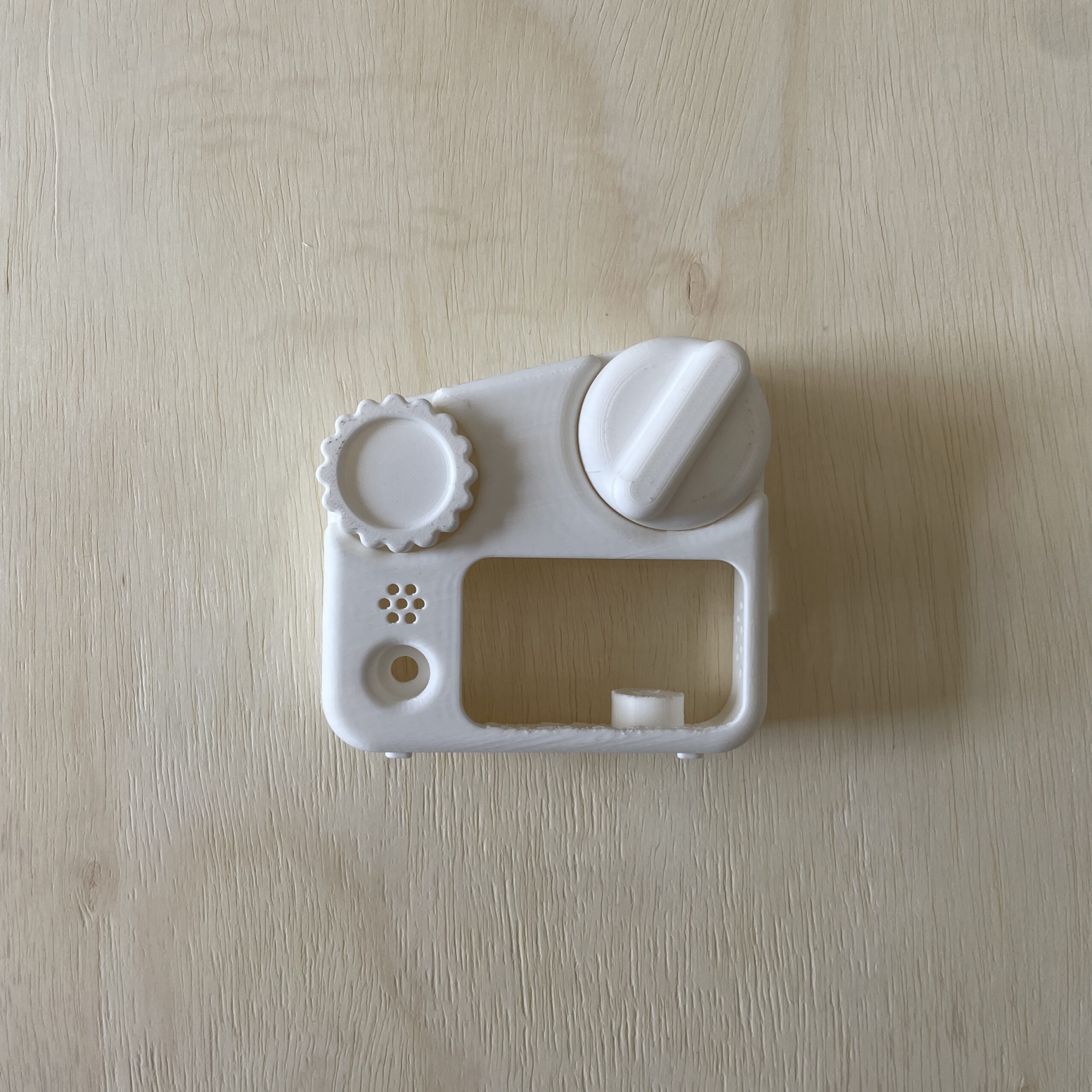
A white plastic component resembling a camera body is displayed on a light wooden surface. It features a large round knob on the right, a smaller gear-like knob on the left, and a rectangular opening in the center with a small button below it.
A close-up view of a small, white electronic device with a round orange button on top. The device has a slightly angled shape and a small indicator light at the bottom. It is placed on a light wooden surface with a textured finish.
A gray, rectangular 3D-printed object resembling a compact device with two circular dials on the top. The front features an open rectangular slot and additional smaller holes. The texture is smooth with visible print lines, sitting on a light wooden surface.
A small white plastic object with two gray knobs. The left knob is round with ridges, and the right knob is a rounded rectangle. The front features a small rectangular opening and a circular hole. The object is placed on a light wood surface.
A piece of brown cardboard with a rounded corner features hand-drawn geometric shapes and text labeled "Proto Type 0." It is positioned on a light wooden surface with a visible grain pattern. The background is light-colored and slightly textured.
A small piece of brown cardboard is displayed on a light wooden surface. The cardboard has a rounded square shape with one circular cutout on its side, resembling a simplistic design. The texture of the cardboard is visible, indicating its thickness and material.
A small square cardboard box with a circular lid is placed on a light wood surface. The box has a simple, unadorned design and features a layered texture. The circular lid sits slightly off-center on top of the box. The overall appearance is minimalistic and utilitarian.
A small, square package wrapped in light brown paper is placed on a light wooden surface. On top of the package, there is a circular disk made of brown cardboard. The disk has a small hole in the center, while the edges are slightly uneven.

functionality and features

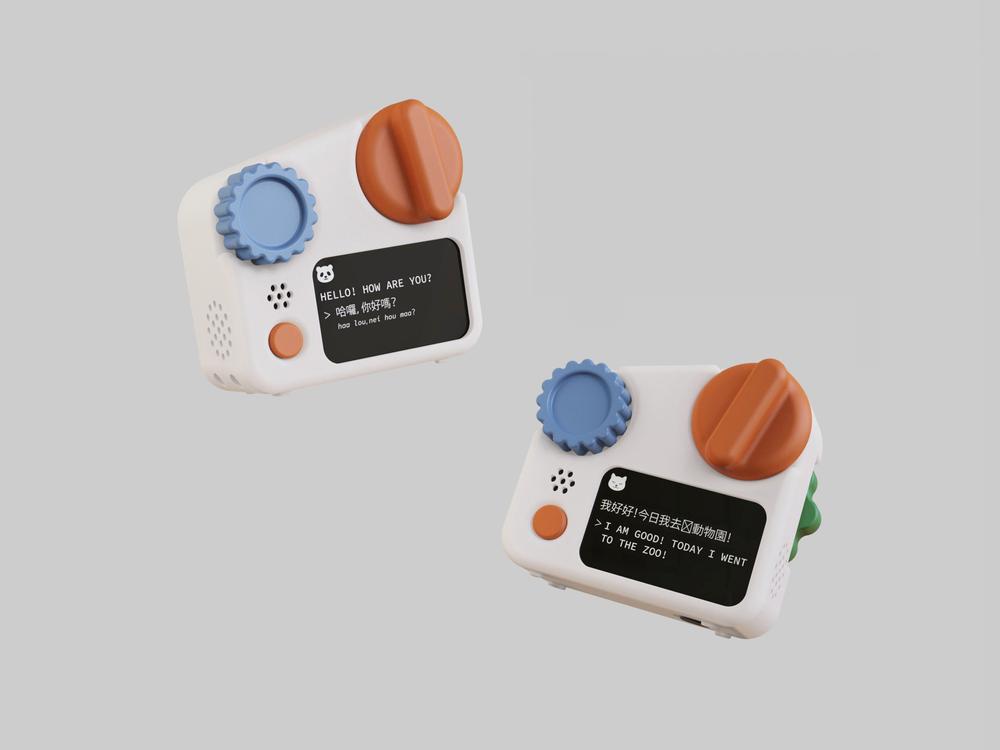
KINO’s functionality was designed for clarity and ease of use. Avoiding multifunctional controls, it uses distinct, color-coded buttons and dials as a visual cue as to which buttons and dials are to be used together. A simple rear mode dial lets users easily switch between Messaging, Learning, and Settings, making navigation intuitive for both children and elderly users without added confusion.
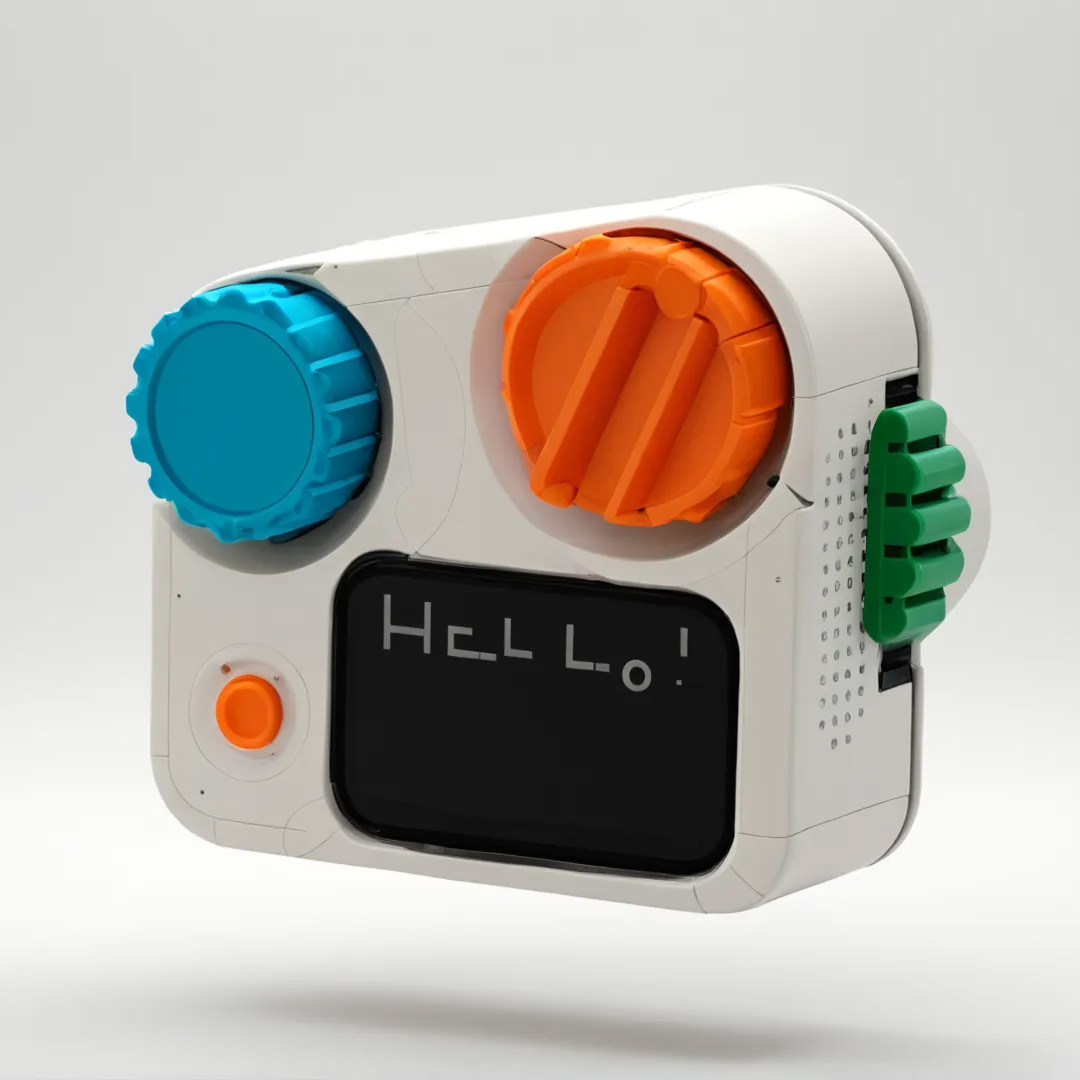
A colorful, modern electronic device with a white body features a black screen displaying "Hello!" in a playful font. It has a blue knob on the left, an orange round knob on the right, an orange button below the screen, and a green multi-grooved element on the side. The device is floating against a light gray background.
A playful, retro-styled gadget featuring a black digital display that reads "HeLl Lo!" The device has colorful knobs: a red one on the left, a yellow one on the top, and a blue one on the right. The body is primarily white, with additional buttons and a textured surface. It appears to blend classic design with a whimsical touch, possibly resembling a toy or educational tool.
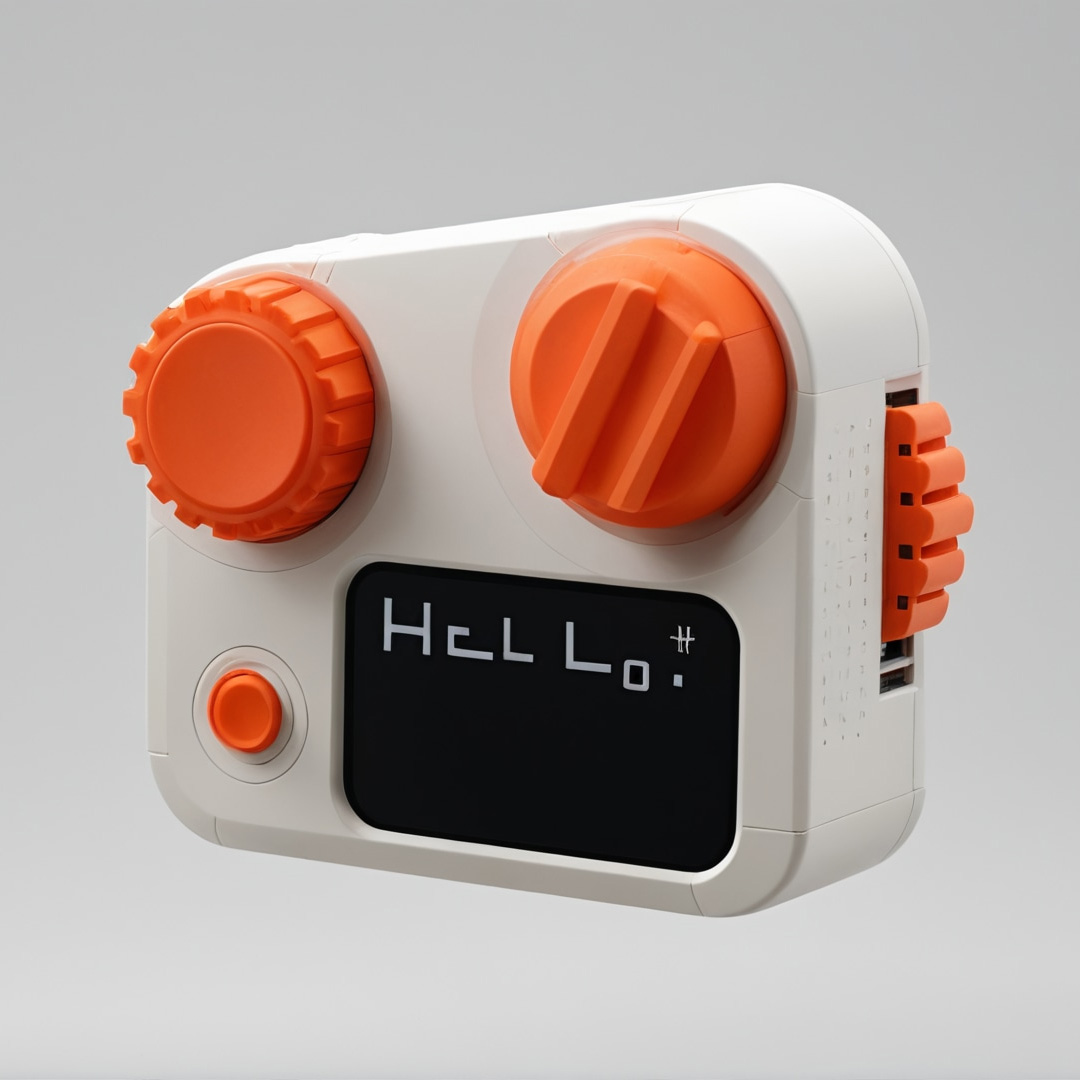
A compact electronic device with an off-white body, featuring two large orange knobs on the top. The front has a digital display that shows the text "HcLl Lo." There is also a small orange button to the left of the display and a connection port on the right side. The device has a modern, minimalist design, suspended against a neutral gray background.
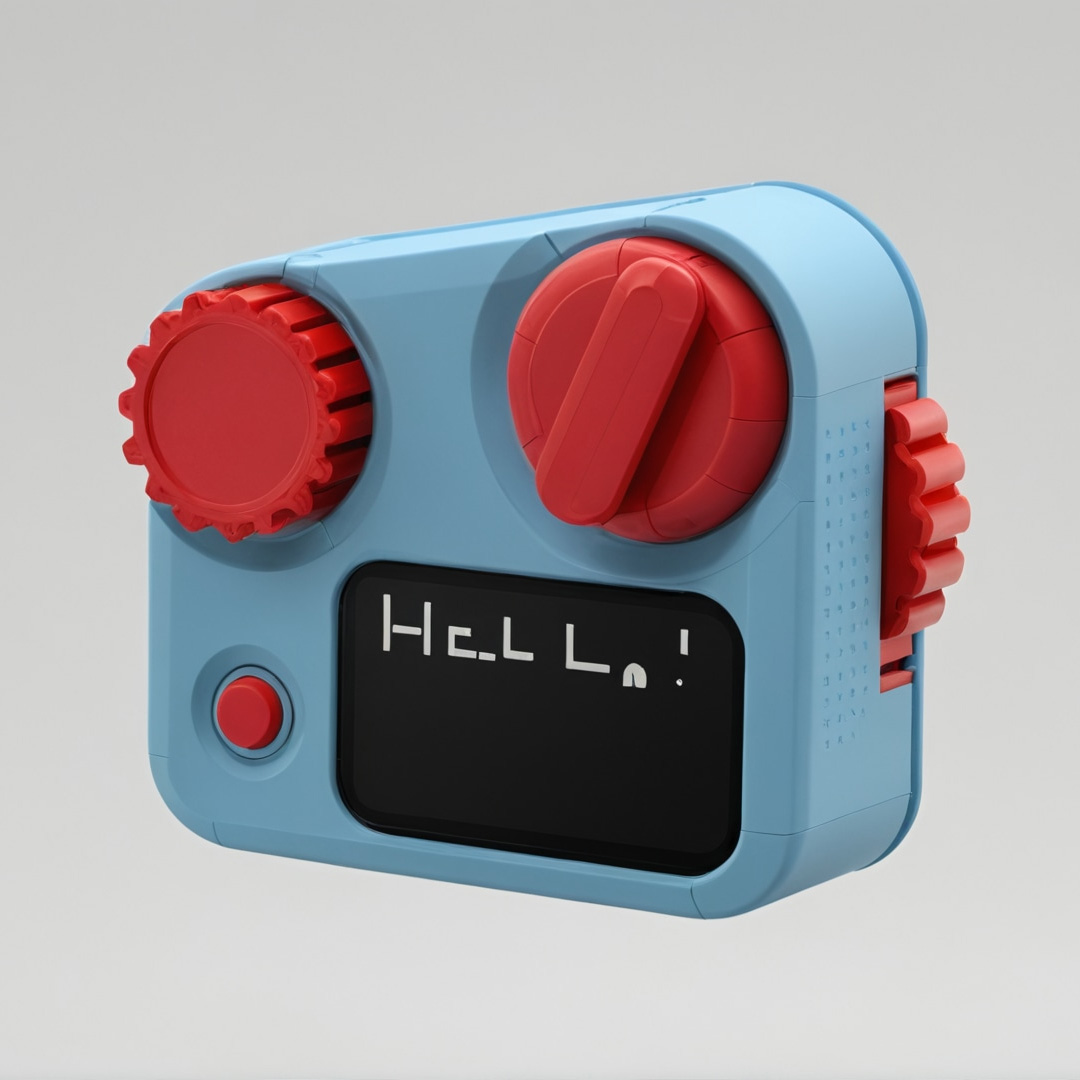
A playful, retro-style toy device features a light blue body with two prominent red knobs on top. One knob is round and textured, while the other is flat and circular. A small red button is located on the front, above a digital screen displaying the text "HeLlO!" in a blocky font. The design combines elements of vintage aesthetics with modern technology.