Designed to Exclude
Designed to Exclude
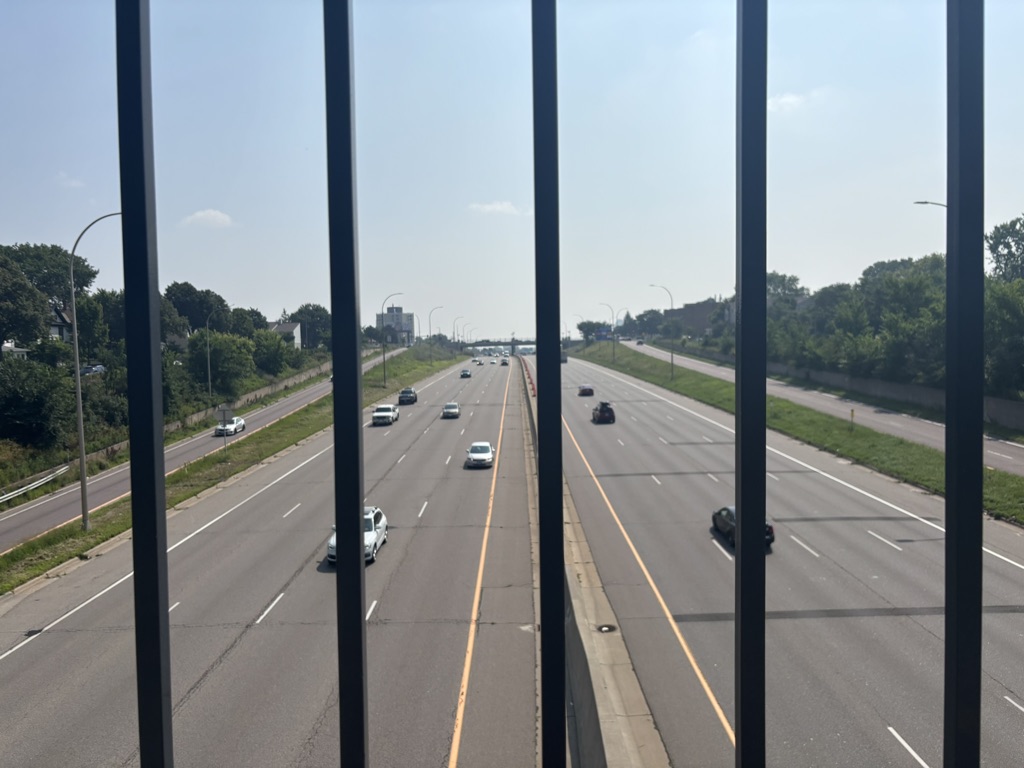
This work directly addresses the ROH theme of "Planning and Policy" by exposing how architecture and urban design can create an order that affronts quality of life that impedes physical, social, and economic mobility. This exhibition showcases research from my recent book "Human Rights and the Architecture of Conflict" that examines how urban design has been weaponized to enforce racial and ethno-national segregation. My comparative analysis reveals striking parallels between Belfast, Northern Ireland and American cities like Miami and Minneapolis where roads, walls, and other defensive architectural features systematically constrain mobility and deepen social divisions.
Research Significance
Planning, like many other areas of public policy, is “double-edged”, capable of both emancipation and oppression (Yiftachel, 2003). Through walking ethnography and documentary photography, the exhibition captures visual evidence of how planning policy serves as a tool for social control—from Belfast's "Peace Walls" to Miami's deliberately severed streets that maintain racial boundaries. The coercive planning practices featured here have been shown to impede community connectivity, concentrate disadvantage, and undermine sustainable urban development.
Exhibition Elements
The exhibition will feature:
• A visual timeline comparing coercive design practices across contexts
• Large-format photographs documenting architectural barriers
• Interactive maps showing how infrastructure reinforces social boundaries
• Extracts from interviews showing the impact of design on segregation and social exclusion.
This research aligns with the Planning and Policy theme by highlighting how governments, civic officials, developers, and design professionals can promote “Segregation by Design”. By exposing these practices, this work highlights the need for restorative development focused on more equitable planning and design approaches that foster connection rather than division.