Connecting Through the Senses
By Robin Theriault

Project Example: Installation, Robin Theriault, Printed zine, mixed media collage, yarn, beads, construction paper, colored pencil, and found objects, 60″x120″x36″, 2026
Thematic Curriculum
| Unit Plan Overview | |
|---|---|
| Unit Plan Topic | Human Connections Through the Senses Human connection is a powerful, multisensory experience that shapes how we understand ourselves and others. In this unit, students will explore how the five senses shape and deepen our relationships by researching how historical and contemporary artists use multisensory, multidisciplinary practices to express connection. Students will choose someone with whom they share a meaningful bond and begin by writing a text reflecting on that relationship. Using this writing as a foundation, they will create a series of artworks with a variety of modalities to investigate the sensory experiences tied to those connections. This will end with a cumulative project in which students use multiple modalities to present a multifaceted view of their relationship. |
| Grade Level | High School |
| Enduring Idea | Human Connection Humans are social creatures instinctually wired for connection. These connections take many forms – between family members, friends, neighbors, etc.- and they anchor us to the world, giving us a sense of belonging and community. Exploring human connection invites us to consider the important relationships in our lives and supports the development of pro-social behaviors. We deepen these bonds through sensory experiences; smells, tastes, textures, and other sensory cues evoke memories that strengthen and sustain our relationships. These memories may come to us in fragments that are fleeting and ephemeral. Through the exploration of those sensory experiences that are at the core of our closest relationships, we deepen our understanding of both those experiences and the many facets of that bond. |
| Key Concepts | Human Connections are complex and layered. Human Connections are expressed in many different ways. Human Connection is material and ephemeral. Human Connections are transformative! Human Connections are sensory. Human Connections are documented. Human Connection may be uncomfortable. Human connections are multifaceted. |
| Rationale | High school is a developmental stage where relationships and connections become more complex. Peer relationships are increasingly important, early romantic relationships emerge, and family relationships continue to evolve. Students are navigating how to express, question, and redefine the many kinds of love and connection they experience. By studying the tangible and sensory ways people connect, students will have the opportunity to reflect on the richness of these relationships while also holding space for their complexities. To frame their investigation, students will analyze artists who engage the senses through soundscapes, performance, and installation, expanding ideas of what art in the classroom can be. For example, Marina Abramović, who uses the body as a medium to show acts of vulnerable and brave connections, and Deja Milany Jones, who creates immersive, sensory-driven works that bring her audience together in shared connection. |
| Unit Essential Question(s) | How do the senses expand the possibility and understanding of a connection? How does an exploration of the senses expand the meaning of relationships? How do we communicate aspects of our relationships through the five senses? How does each sense provide a different perspective on the relationship? How do artists activate multiple senses to show multiple perspectives on their relationships? How can personal texts be transformed into artworks? How do artists select media to best express their ideas? How do artists engage with non-traditional media in art? Why do artists use multiple modalities in their practices? How do artists combine modalities to expand their ideas or show multiple facets of their ideas? |
| Unit Learning Objectives | Students will be able to: Write a poem with a “We are…” structure to use as inspiration for their future artworks. Use performance, video, photo, and sound to document sensory experiences. Plan and execute a cumulative, multi-sensory project communicating the relationship between them and their chosen connection. Select media to best express their ideas. Work collaboratively with peers as art assistants and directors. Transform personal texts into multi-modal artworks. Use computer software to edit photos, audio, and video. Present their research and proposals to their peers and engage in peer-to-peer critique. Students will understand that: Artists explore how we build, express, and experience meaningful connections through the senses. Text is used to investigate how human connections can be transformed into sensory experiences. Artists use research to explore how artists use installation, sound, performance, and sensory experiences to communicate aspects of their connections. Artists use poetry and text as a way to activate the non-visual senses and ephemeral ideas. Artists explore different aspects of their relationships through the five senses. Artists can use design thinking frameworks to explore the intersection between fine art and design. |
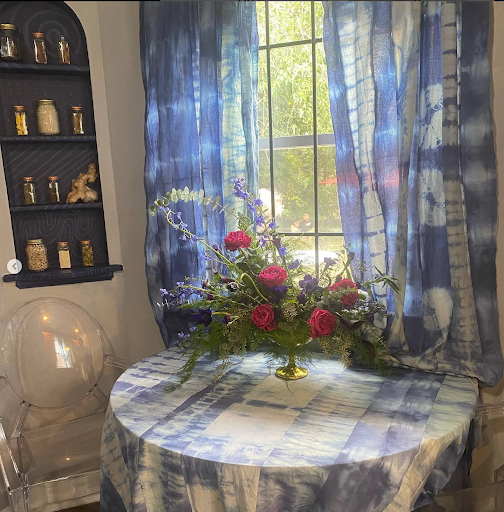
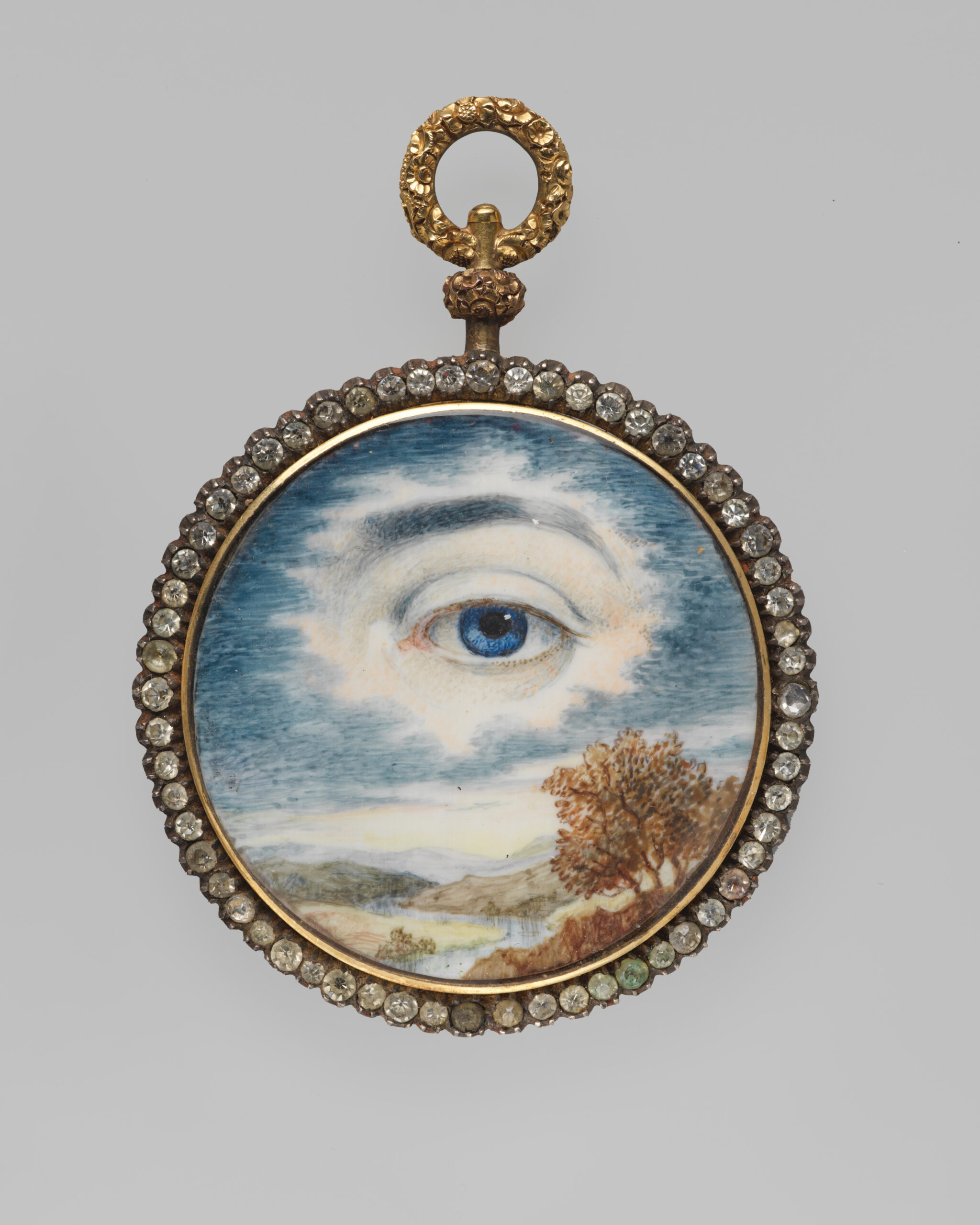
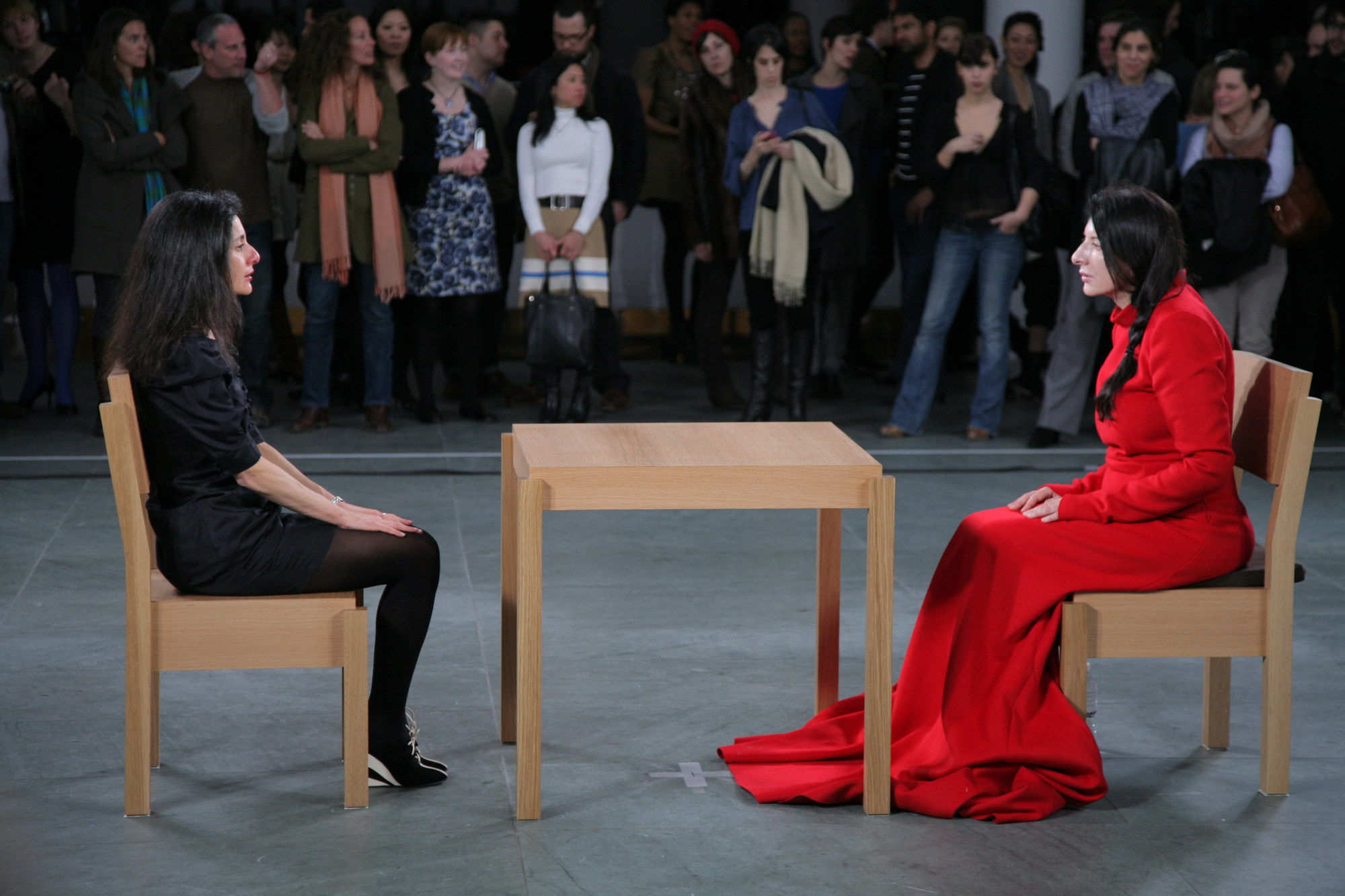
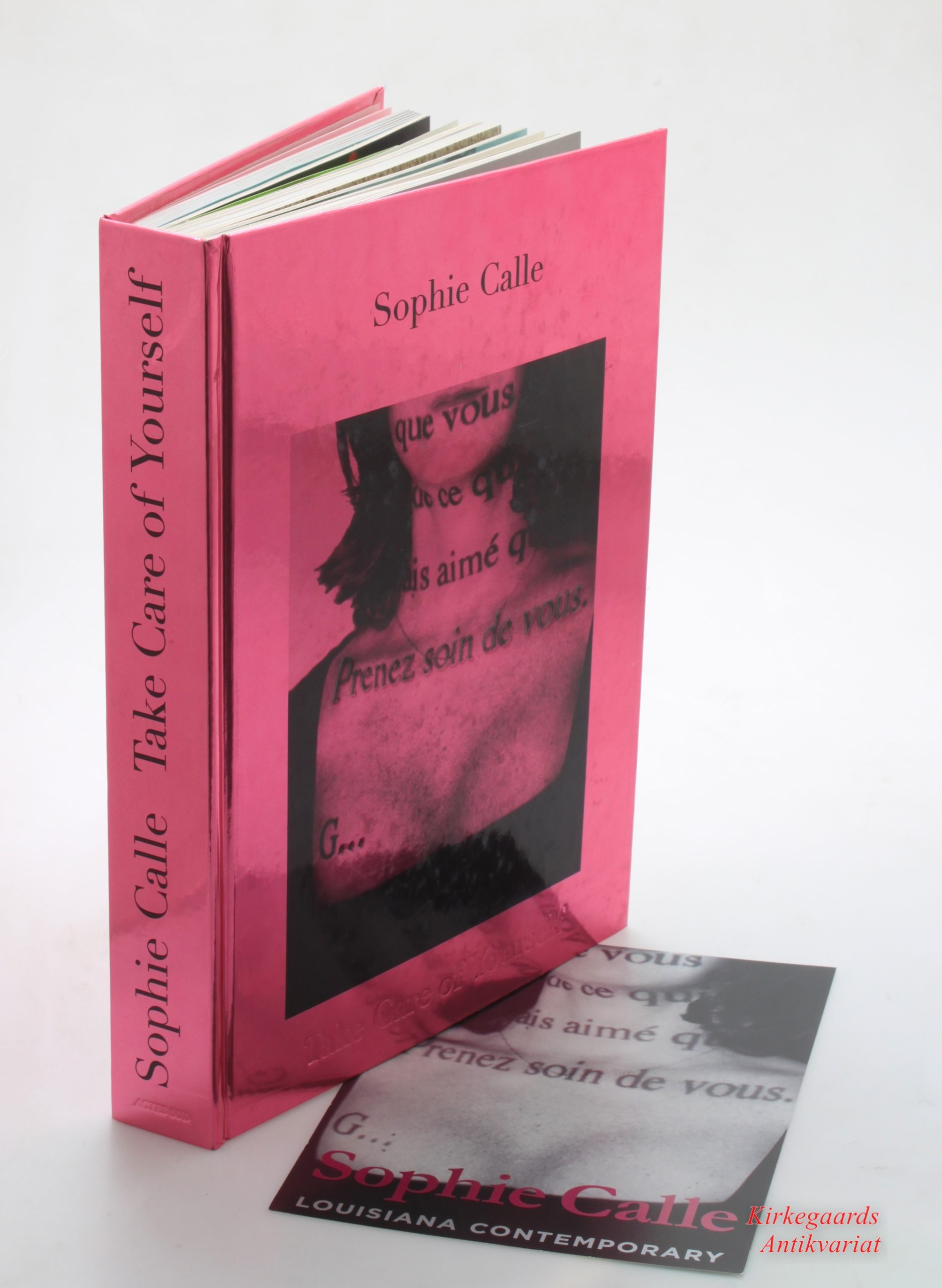
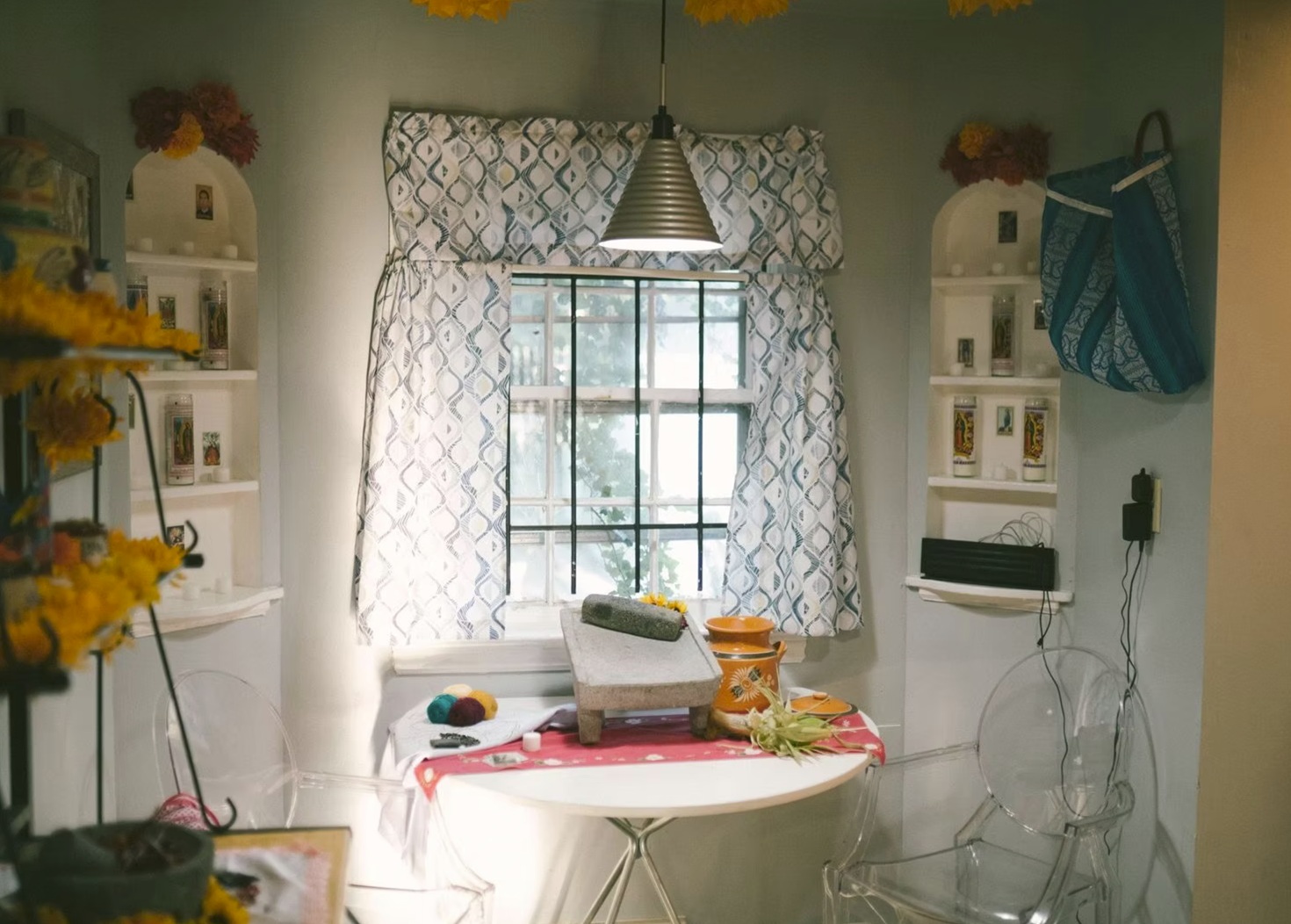
Image #1: It’s in the Kitchen encapsulates the kind of work students will explore and create throughout this unit. It incorporates multiple media and modes of presentation, including installation, performance, photography, written and spoken word, and the use of both handmade and ready-made objects. Deja Milany Jones intentionally engages multiple senses, reflecting on how our relationships are formed and remembered through these rich, sensory moments. This artwork becomes an act of remembering, a recording of a relationship, and an investigation into how fragments of memory can be transformed into fully realized artworks.
Image #2: This small art object is an example of the Victorian-era Lover’s Eye lockets, which were often gifts from one lover to another. These intimate objects reflect the more private and often unspoken forms that human connection can take. Strict social etiquette of the Victorian era greatly limited physical touch outside of marriage. These lockets offered a socially permissible way to hold a loved one close, literally in the palm of your hand, carrying their likeness and gaze with you. This Lover’s Eye Locket from The Metropolitan Museum of Art includes a braid of hair in the back. The addition of the painted eye brings us from the single sensory experience rooted in touch (through the braided hair) into a more multi-sensory space, mirroring the themes we continue to explore throughout the unit.
Image #3: The iconic contemporary performance artwork, The Artist is Present, embodies an exploration of human connection through the sense of sight, extending the idea of looking beyond traditional visual art forms. In this unit, students will be asked to engage deeply in research as a way to inspire and inform their practice. Since research is so central to the unit, this piece was selected in part due to the substantial body of discussion, documentation, and research that already exists around it.
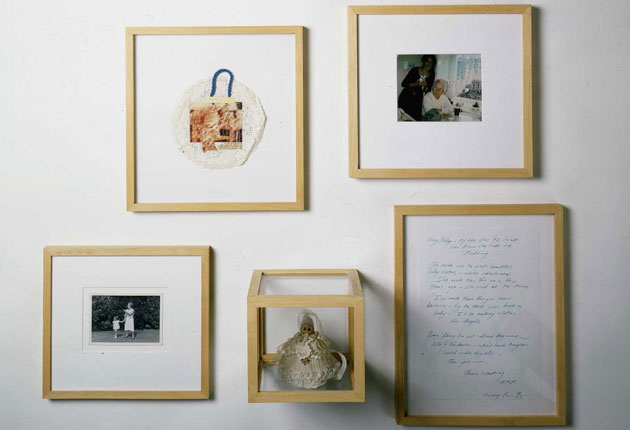
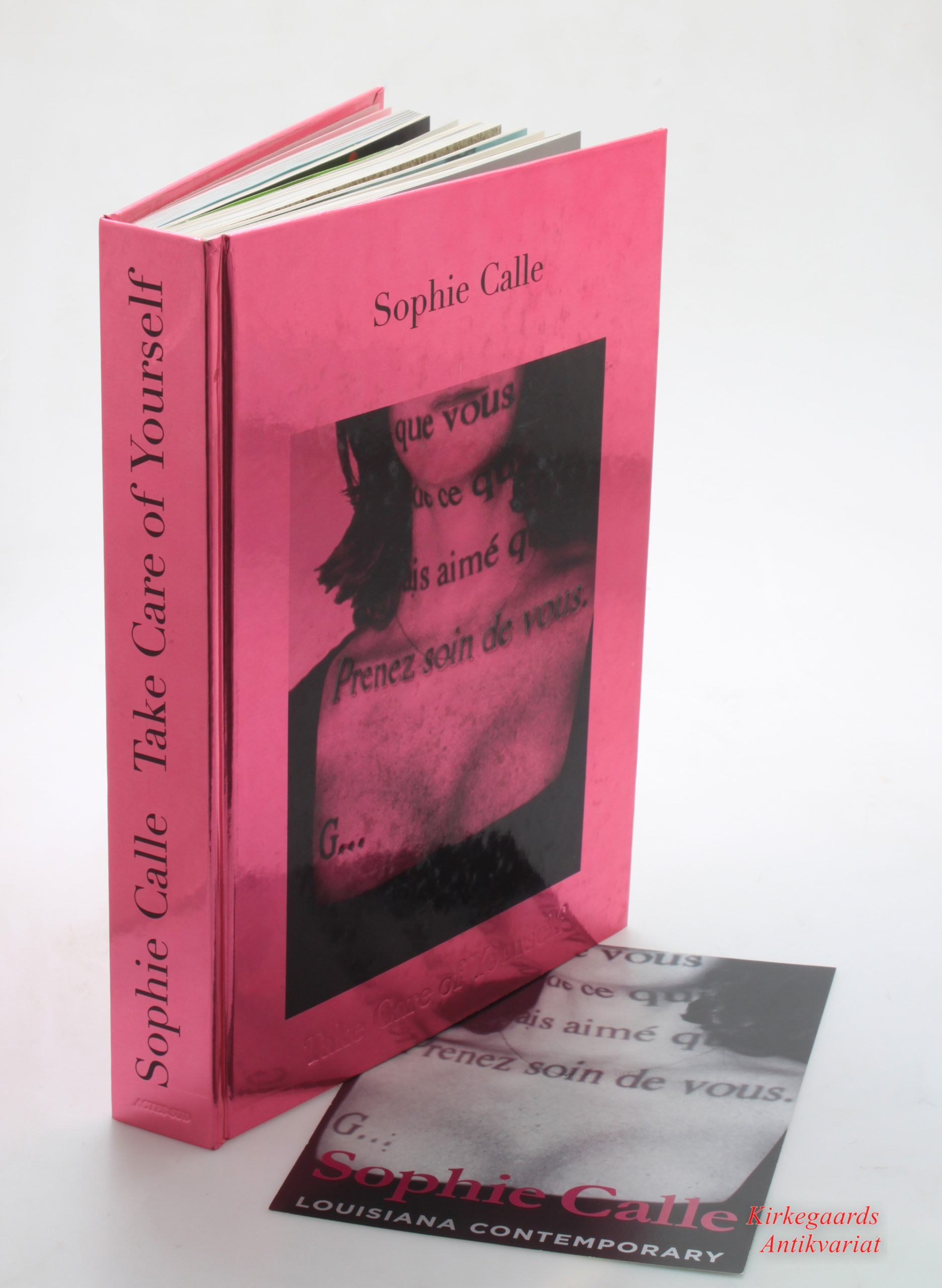
Image #4: Sophie Calle and a selected group of artists from various disciplines transform a personal text into a range of artworks involving video, sound, photography, and performance. This artwork takes the form of a book, but also has been curated into exhibitions. Each curatorial decision comes with its own meaning-making. As students move through this unit, they will be asked to make intentional decisions about their art-making, and about how their artwork is curated in their final exhibition. This demonstrates two essential ideas for this unit: first, the direct translation of text to artwork, and second, how curatorial decisions influence its meaning and interpretation.
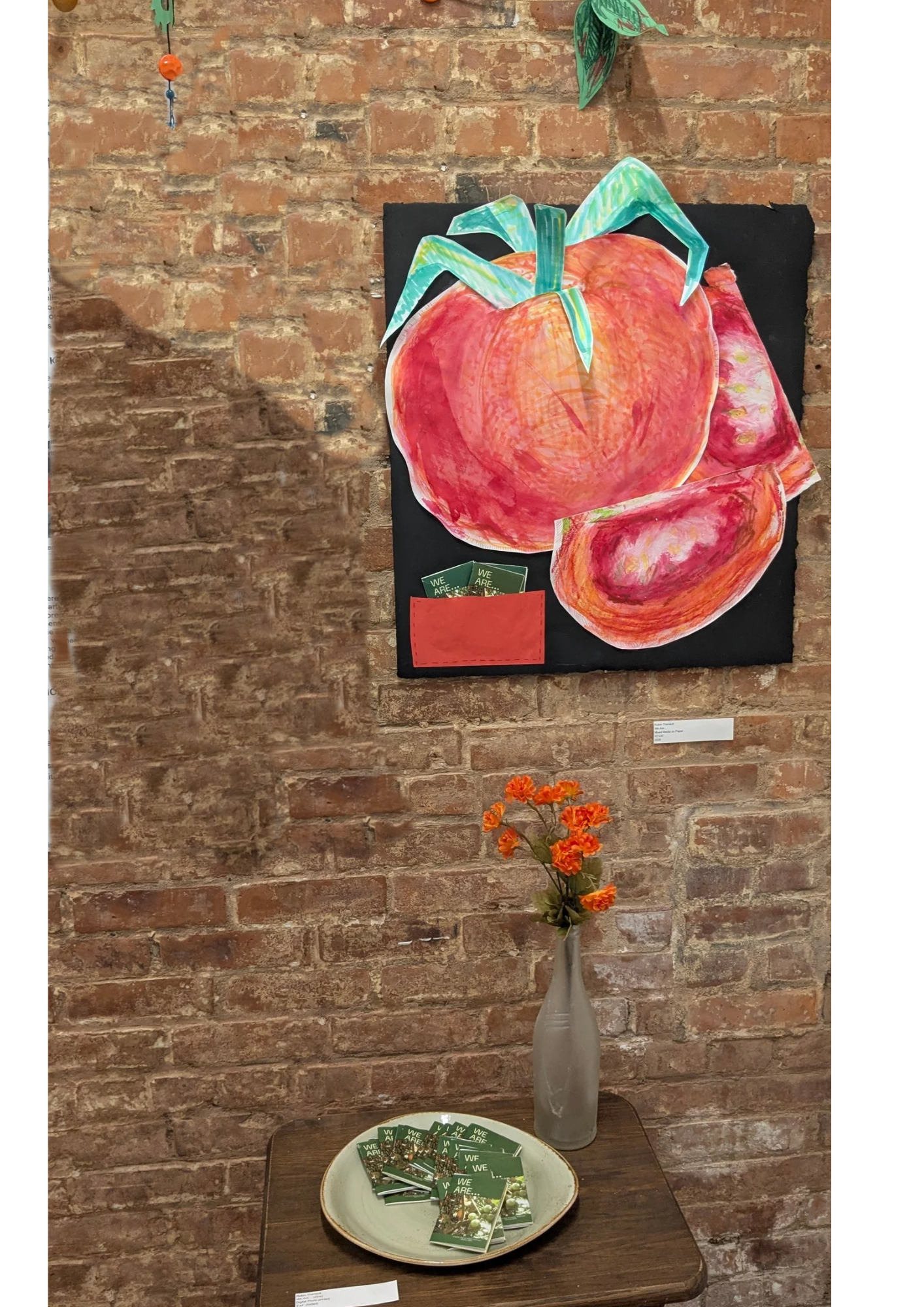
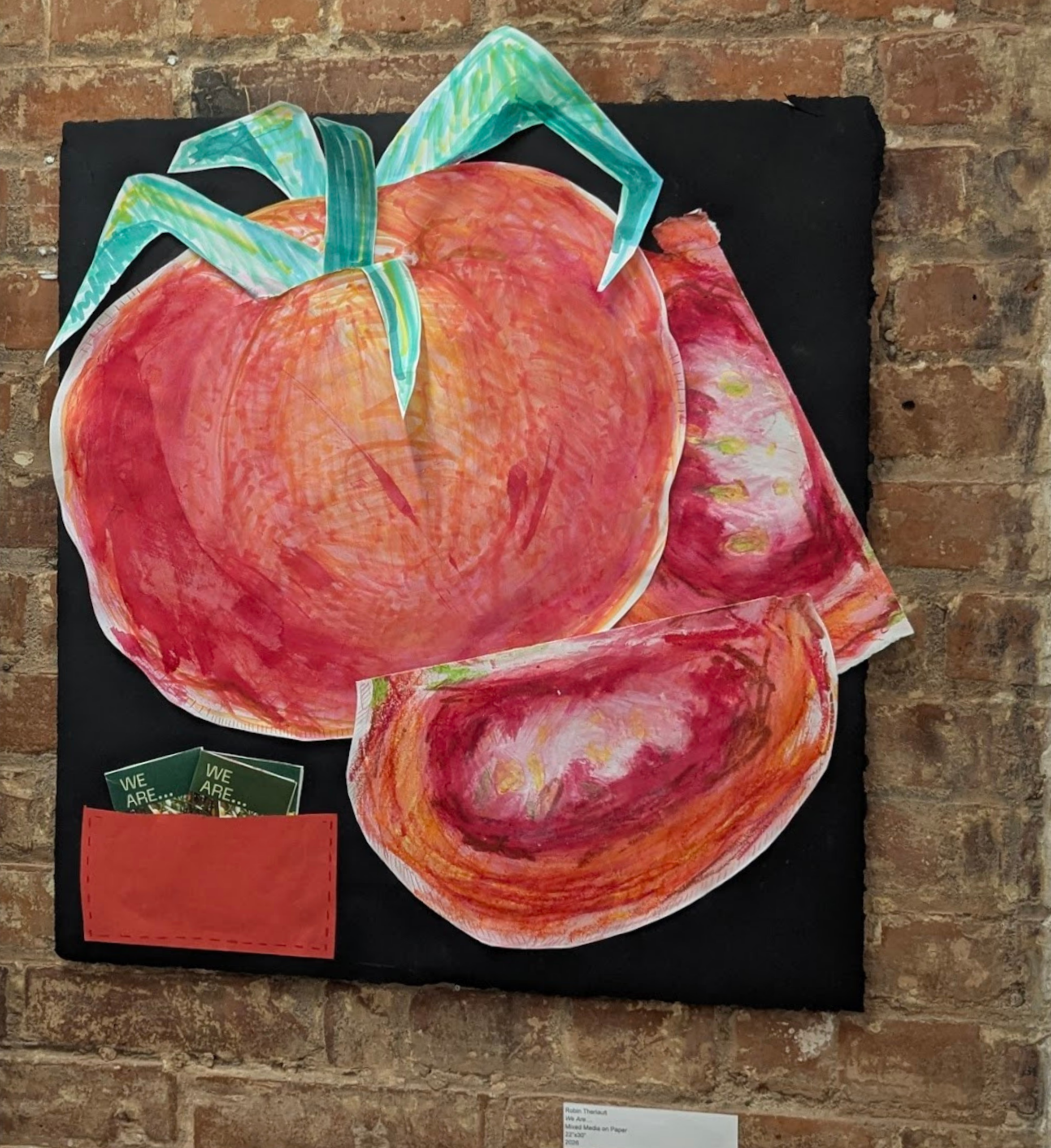
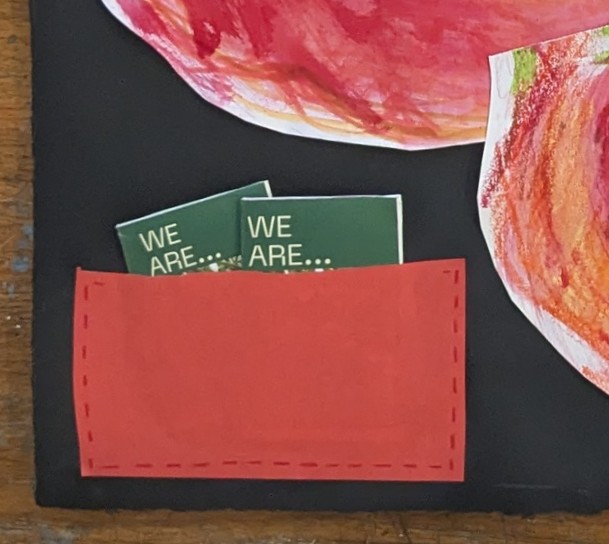
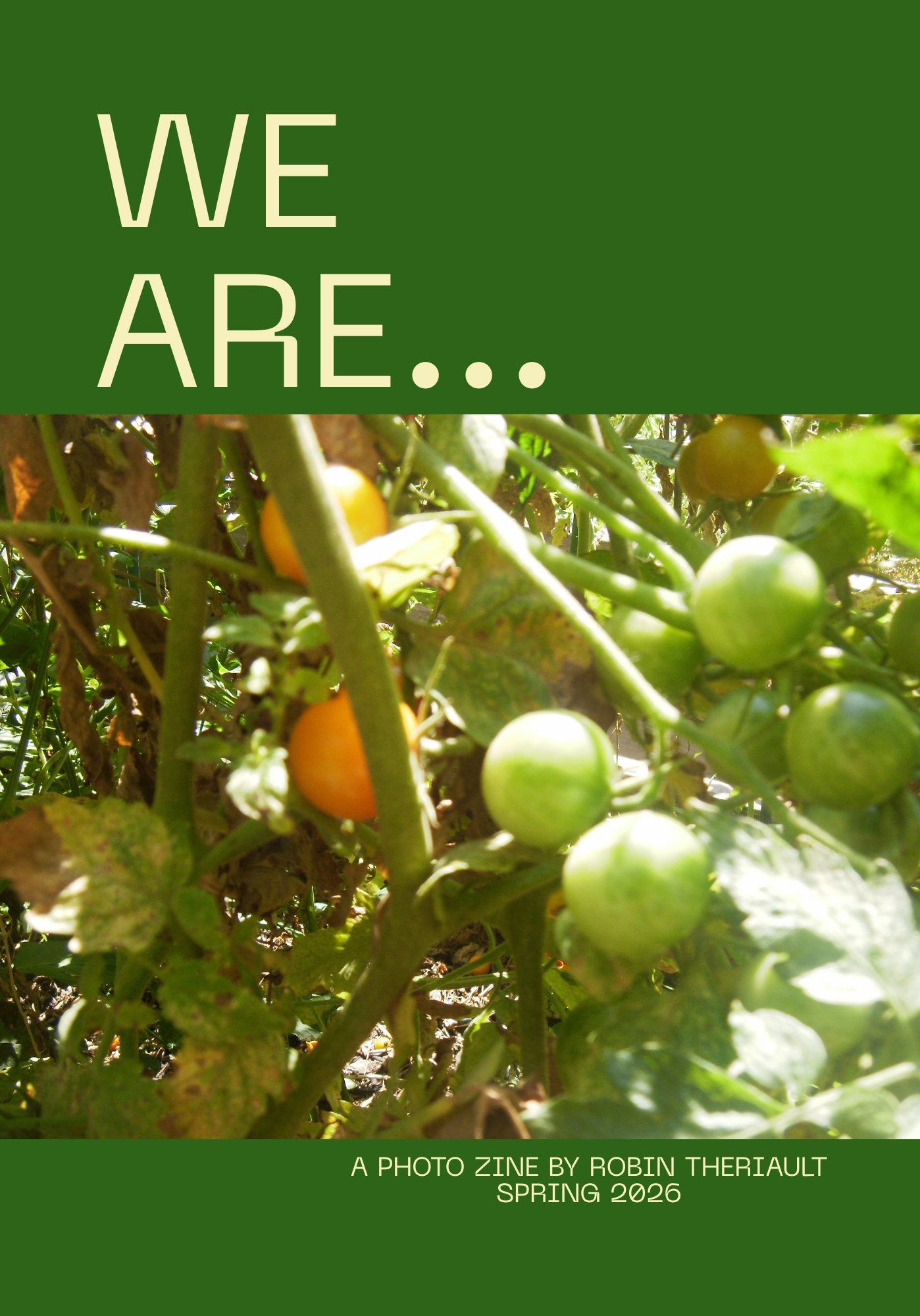
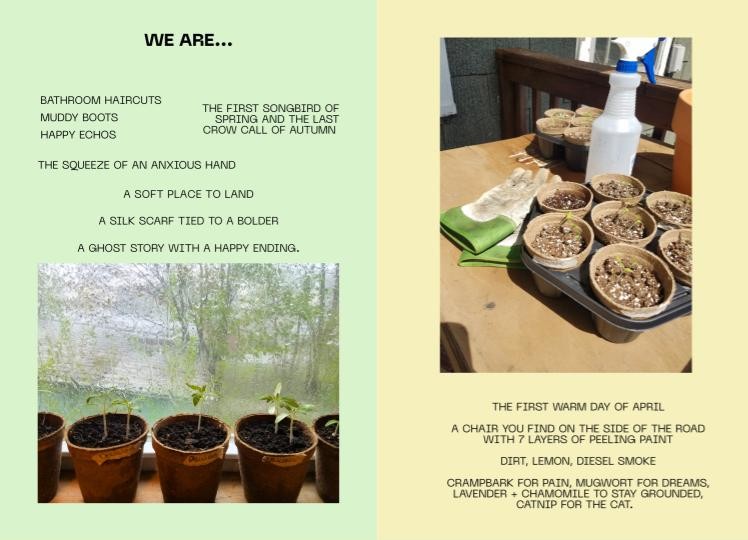
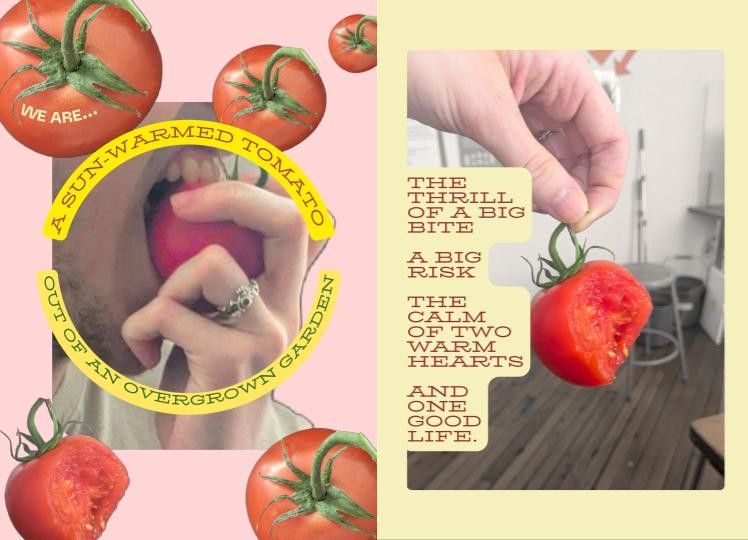
Image #1: Project Example: Installation, Robin Theriault, Printed zine, mixed media collage, yarn, beads, construction paper, colored pencil, and found objects, 60″x120″x36″, 2026
Image #2: Project Example: Installation Detail 2, Robin Theriault, mixed media, 23″x21″, 2026
Image #3: Project Example: Installation Detail, Robin Theriault, mixed media, 23″x21″, 2026
Image #4: Project Example: Zine Cover, Robin Theriault, digital image 2.75″ x 4.25″, 2026
Image #5: Project Example: Zine Spread 1, Robin Theriault, digital image 5.5″ x 4.25″, 2026
Image #6: Project Example: Zine Spread 3 Robin Theriault, digital image 5.5″ x 4.25″, 2026
Lesson Summaries at a Glance
| Lesson Summaries at a Glance | |
|---|---|
| Lesson 1 | Analysis of Multimedia Artworks Through participating in a small group analysis and discussion of the multimedia artwork, It’s In the Kitchen by Deja Milany Jones, with their sketchbooks and the Parts, Purpose, Complexities Thinking Routine, students will learn that artists use multiple media to capture, document, record, and embody sensory experiences in their human connections. Students will understand that different media allow artists to move beyond traditional methods and create immersive, engaging, and interactive experiences. |
| Lesson 2 | Analysis of Multimedia Artworks II Through researching contemporary and historical artists and artifacts around the theme of connecting through the senses, with a collection of works, their sketchbooks, and the Parts, Purpose, Complexities Thinking Routine, students will learn that research helps artists link their work to historical influences and reinterpret these connections into a contemporary practice. Students will understand that research is foundational and integral to the artmaking process. |
| Lesson 3 | “We Are…” Poem Through writing a poem with the sentence starter “We are…” with prompts based on the senses and their art journals, students will learn that artists use poetry as a tool to explore, express, and articulate their relationships with others. Students will understand that poetry allows artists to access and understand experiences in ways that differ from visual imagery. |
| Lesson 4 | Performance – Analysis Through an analysis of the work of artists who use performance to explore ideas about human connection and relationships with the Parts, Purpose, Complexities Thinking Routine, and their art journals, students will learn that performance art embodies sensory experiences with actions or gestures. Students will understand that human connection can be expressed through carefully choreographed gestures and movements that convey a range of emotions and experiences. Students will also understand that performance art, like traditional art-making methods, has a unique language that can be analyzed and interpreted. |
| Lesson 5 | Performance – Brainstorm Through brainstorming elements of their poems that could be turned into performative actions to create a short performance piece, with their art journals and We Are Poems written in week three, students will learn that brainstorming is an important piece of the artmaking process, especially when exploring a new medium, material, or method of working. Students will understand that artists use personal texts to inform artworks. |
| Lesson 6 | Performance – Making Through selecting an idea from their brainstorming, creating, and recording a short performance-based artwork with a studio assistant with a phone camera, and tripods, students will learn that recording a performance involves various tasks that need to be divided among individuals. Students will understand that collaboration and teamwork play a vital role in the art-making process. |
| Lesson 7 | Performance – Reflection Through reflecting on their performance pieces in a group critique with checklists of criteria and peer-to-peer feedback protocols, students will learn that reflection and critique help artists see their work from a new point of view/other perspectives. Students will understand that final critiques allow artists to consolidate perspectives and apply them to their future artmaking. |
| Lesson 8 | Audio – Analysis Through analyzing different expressions of audio artworks with the See, Feel, Think, Wonder Thinking Routine, with laptops and headphones students will learn that sound art captures sensory experiences in a way that reaches the visceral, emotional parts of the brain before the more analytical, cerebral ones, using sound design and audio editing. Students will understand that artists use sound to amplify the non-visual aspects of their relationships, while recalling moments and memories of those experiences. |
| Lesson 9 | Audio – Brainstorm Through brainstorming elements of their poems that could be interpreted through sounds for an audio artwork, with their art journals, and We Are Poems, written in week three, students will learn that brainstorming is an important piece of the artmaking process, especially when exploring a new medium, material, or method of working. Students will understand that artists use personal texts to inform artworks. |
| Lesson 10 | Audio – Making Through creating audio-based artworks with online software to gather, edit, and compose sounds, students will learn that artists use sound design and audio editing skills to create and express a non-visual concept. Students will also understand that artists edit their audio work to evoke mood, emotion, atmosphere, sense of time and place, or otherwise capture sensory experiences found in their human connections in their artworks. |
| Lesson 11 | Audio – Reflection Through reflecting on their audio artwork in a small group critique with the See, Feel, Think, Wonder Thinking Routine, and their art journals, students will learn that reflection and critique help artists see their work from a new point of view/other perspectives. Students will understand that final critiques allow artists to consolidate perspectives and apply them to their future artmaking. |
| Lesson 12 | Photography – Analysis Through analyzing and discussing photographic work with the theme of relationships and human connection, with the Parts, Purpose, Complexities Thinking Routine, and their art journals, students will learn that photographers document sensory experiences found in their human connections with images. Students will understand that photography is a way to record and re-contextualize these sensory experiences. |
| Lesson 13 | Photography – Brainstorm Through brainstorming elements of their poems that could be interpreted through objects for a photographic series, with their art journals, and We Are Poems, written in week three, students will learn that photography documents the sensory experiences in our relationships through images. Students will understand that brainstorming is an important piece of the artmaking process, especially when exploring a new medium, material, or method of working. |
| Lesson 14 | Photography as Documentation Through creating a series of photos documenting an object inspired by their We Are Poem with their selected object, phone cameras, tripods, backdrops, and lights, students will learn that artists use a variety of photographic principles in their work to document objects. Students will understand that artists select and apply photographic principles to document sensory experiences. |
| Lesson 15 | Photography as Narrative Through creating a series of narrative photographs inspired by their We Are Poem with phone cameras, tripods, backdrops, lights, and an object inspired by their We Are Poem written in week 3, students will learn that artists use a variety of photographic principles in their work. Students will understand that the principles of photography are deliberately altered to generate meaning and tell a story about the sensory experiences found in their human connections. |
| Lesson 16 | Photography – Editing Through editing one of their photos three different ways with editing software, and text from their We Are Poems written in week 3, students will learn that artists intentionally edit and add text to their photographs. Students will understand that photographers select and apply editing techniques and the thoughtful integration of text to document sensory experiences found in their human connections. |
| Lesson 17 | Photography – Reflection Through participating in a group critique of their photographs with the Parts, Purpose, Complexities Thinking Routine and their art journals, students will learn that reflection and critique help artists see their work from a new point of view/other perspectives. Students will understand that final critiques allow artists to consolidate perspectives and apply them to their future artmaking. |
| Lesson 18 | Video – Analysis Through analysis of artworks that use time-based visual media, with the See, Feel, Think, Wonder Thinking Routine, students will learn that time-based media records sensory experiences found in human connections with video and video editing. Students will understand that time-based media is a way to immerse in and unfold these sensory experiences over time. |
| Lesson 19 | Video – Brainstorm Through brainstorming elements of their poems that could be interpreted through moving images for a video-based artwork, with their art journals and We Are Poems written in week three, students will learn that time-based media records sensory experiences found in human connection with video and video editing. Students will understand that brainstorming is an important piece of the artmaking process, especially when exploring a new medium, material, or method of working. |
| Lesson 20 | Video – Shooting Footage Through shooting a video artwork with a peer assistant with their phone or video cameras, tripods, lights, and backdrops, students will learn that artists use production, directing, and storytelling skills in their time-based visual work. Students will understand that artists select and apply these skills to enhance a sense of mood, time, or place while directing videos that record sensory experiences found in their human connections. |
| Lesson 21 | Video – Editing Though editing a video artwork with laptops, video editing software, and their brainstorming notes, students will learn that artists use post-production and video editing skills in their time-based visual artworks. Students will understand that artists select and apply these skills to enhance a sense of mood, time, or place when recording sensory experiences found in their human connections. |
| Lesson 22 | Feedback on a Chosen Artwork Through engaging in a group critique of a chosen artwork with the Ladder of Feedback Thinking Routine, students will learn that midpoint critiques allow artists to ask their peers specific questions about their work. Students will understand that critiques on works-in-progress can provide clarity and next steps in the artmaking process. |
| Lesson 23 | Chosen Artwork – Revisions Through revising a chosen artwork with the feedback they received and their selected artwork, students will learn that going back to old works with fresh eyes after receiving feedback gives artists a perspective and a plan. Students will understand that revision is a part of the artmaking process. |
| Lesson 24 | Chosen Artwork – Reflection Through reflecting on their finalized chosen artwork in a group critique with the Parts, Purpose, Complexities Thinking Routine, and their art journals, students will learn that reflection and critique help artists see their work from a new point of view/other perspectives. Students will understand that final critiques allow artists to consolidate perspectives and apply them to their future artmaking. |
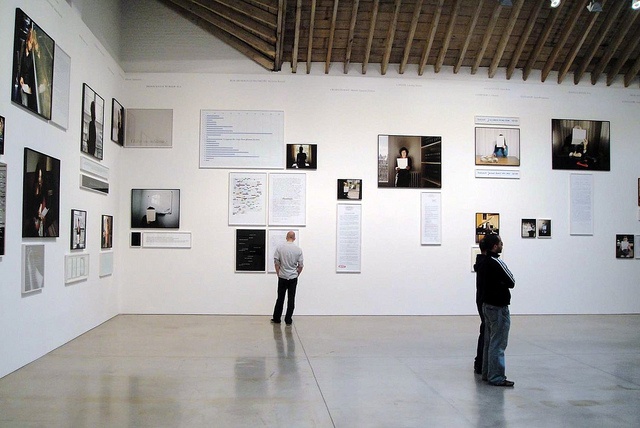
| Lesson 25 | Curation – Analysis Through analyzing and discussing the role of installation/display of multimedia works of art in small groups with a collection of gallery images and students’ art journals, students will learn that artists apply a variety of installation techniques to curate and contextualize sensory experiences found in their human connections. Students will understand that the ways artists choose to display their artwork can support or change the meaning of their pieces. |
| Lesson 26 | Curation – Brainstorm Through brainstorming and sketching a layout for their artwork for their class-curated art show, with their art journals, students will learn that artists curate their work in different ways, depending on their ideas. Students will understand that brainstorming is an important piece of the artmaking process, especially when exploring a new medium, material, or method of working. |
| Lesson 27 | Collaborative Curation Through class curation of their artworks to create an in-class gallery space with their finished artworks and any available spaces in the classroom or hallway bulletin boards, students will learn that artists intentionally organize their works to create specific ways for viewers to engage with and interpret their work. Students will understand that the way a work of art is displayed is crucial for fully communicating its meaning. |
| Lesson 28 | Art Show! Through hosting a class art show opening for their underclassman and sharing parts of their artmaking process, students will learn that hosting art shows brings art communities together in celebration and curiosity, allowing younger and older students to exchange ideas and ask questions. Students will understand that one of the roles artists take on is sharing their methods, techniques, and ideas with the next generation of artists. Also, artists take pride in their work and the work of their peers! |
Supporting Project Example

and Relationships adapted from the
Parts, Purposes, Complexities Thinking Routine
Robin Theriault
Paper, colored pencil, pen
2026
Artwork/Resources

| Lesson #1: Analysis of Multimedia Artworks | |
|---|---|
| Lesson Summary Statement | Through participating in a small group analysis and discussion of the multimedia artwork, It’s In the Kitchen by Deja Milany Jones, with their sketchbooks and the Parts, Purpose, Complexities Thinking Routine, students will learn that artists use multiple media to capture, document, record, and embody sensory experiences in their human connections. Students will understand that different media allow artists to move beyond traditional methods and create immersive, engaging, and interactive experiences. |
| Question of the Day | How do artists use multiple media in their practice? |
| Tools and Materials | Materials: Digital and printed versions of installation images, art journals, colored pencils, pens Project Zero. Parts, Purposes, Complexities. PZ Project Zero. Retrieved 2026 from https://pz.harvard.edu/sites/default/files/Parts_Purposes_Complexities_0.pdf |
| Learning Objectives | Students will be able to: Use the Parts, Purposes, Relationships Thinking Routine (adapted from Parts, Purposes, Complexities) to identify the different media used in one artwork, including writing, installation, and video. Describe the purpose of each of those media and identify the relationships between media. Students will understand that: Artists create works using multiple media, materials, and processes. Artists intentionally select the media they use to explore different facets of their ideas and relationships. |
| Standards | Blueprint Strands & Performance Indicators: 12th Grade Strand 2: Developing Art Literacy Looking at and Discussing Art |
| Academic Language | Multimedia Artwork: Artworks made from a range of materials and include an electronic element such as audio or video. |
| Questions | Essential Questions: How do artists engage with non-traditional media in art? How do artists combine media to expand their ideas or show multiple facets of their ideas? Generative Questions: Introduction: What kinds of materials do artists work with today that they couldn’t 100 years ago? Why might an artist want to use multiple media in their artwork? Demonstration: After taking some time to dig through this artwork, what would the different “parts” be? Why would the artist include this video or her reading the poem? Work-time: Where might the artist be making connections between the different “parts”? Do any parts share a purpose? Reflection: What does this artwork do that something like a painting couldn’t? How would this artwork change if one of the parts were removed? |
Supporting Project Example

Artwork/Resources
| Lesson #27: Collaborative Curation | |
|---|---|
| Lesson Summary Statement | Through class curation of their artworks to create an in-class gallery space with their finished artworks and any available spaces in the classroom or hallway bulletin boards, Students will learn that artists intentionally organize their works to create specific ways for viewers to engage with and interpret their work. Students will understand that the way a work of art is displayed is crucial for fully communicating its meaning. |
| Question of the Day | How do artists display their work to engage viewers and share ideas? |
| Supporting Project Example | Project Example: Installation Robin Theriault Printed zine, mixed media collage, yarn, beads, construction paper, colored pencil, and found objects 60″x120″x36″ 2026 |
| Tools and Materials | Tools: Phone camera Installation supplies Materials: Brainstorming notes |
| Artwork/Resources | |
| Learning Objectives | Students will be able to: Create a display for a chosen artwork that enhances the idea behind their work. Collaboratively plan how to arrange curated artworks for a class show. Students will understand that: The way an artwork is presented influences how its meaning is interpreted. The curation process, like the artmaking process, requires collaboration. In group exhibitions, artworks are curated to encourage viewers to explore the connections between the pieces. |
| Academic Language | Curation: The process of selecting, organizing, and creating additional elements for an artwork in an exhibition. It filters, organizes, and adds context to overwhelming amounts of information or objects, transforming them into meaningful, accessible, and high-quality experiences. |
| Questions | Essential Questions: How do artists select media to best express their ideas? How do artists activate multiple senses to show multiple perspectives on their relationships? How does the curation process influence our perspective on artworks exploring the sensory experiences of our relationships? Generative Questions: Introduction: What are the different ways an artist might display their work? How would you engage with Take Care of Yourself as a book versus as an exhibition? How do artists activate space? Demonstration: How does showing a photograph in a frame, versus pinning it to the wall, change its meaning? How can I curate my project to incorporate more information from my poem? Work-time: What materials will best support your curation process? Where in the room/building do you think this should be displayed? Explain your choice. Reflection: If you were to choose another medium to communicate your idea, which would you select and why? How would the curation of your object change? Explain your answer. What insights have you gained about yourself as an artist through this project? In what ways could you use these skills, techniques, or ideas in your next artwork? |
Through this process, I learned that I approach lesson and unit planning like a puzzle. I enjoy figuring out how pieces fit together and where to adjust for better alignment. My planning works best when it is either grounded in practical application or happening alongside deeper research. I need to either actively try something out or dive into fully exploring it.
I am reflective about my teaching practice and open to making changes when something isn’t working. I am also strong at creating multiple entry points so all students can access the material. This could be because I am willing to learn new materials and methods that are unfamiliar to me, but that fit the theme of the unit.
I would like to develop skills in whole-year curriculum planning for multiple grade levels, particularly building systems across grade levels and long-term spiraling. While I feel confident planning multiple learning segments for one class, I want to strengthen my ability to design a curriculum spanning across multiple years (i.e., Kindergarten through 5th grade or 9th through 12th grade).
My mentor teacher teaches at a high school focused on architecture and design, which pushed me to think about how to incorporate design thinking into a fine arts curriculum. I learned that design thinking can be more flexible than I initially approached it. It does not always need to follow a prescriptive structure. For example, performance art can be framed similarly to interior design, as both involve designing experiences within a space. In this context, students are designing an experience to express an idea rather than designing for a client. This still connects students to their overarching curricular goals of becoming thoughtful designers in a way that may feel less direct, but still builds connections between the art world and the design world.
Moving forward, I plan to establish clearer feedback structures and put more intentional thought into assessment. I will pay closer attention to tangible elements, such as resources and observable components, that would be important during a formal observation. This experience has brought so much richness to my planning; now I need to be sure that it will be reflected in my teaching practice.
-
Robin Theriault
Robin Theriault is a graduate of the Art and Design Education BFA/MA program, 2026. While designing his lessons and units, he focuses on finding ways to encourage play. This takes…