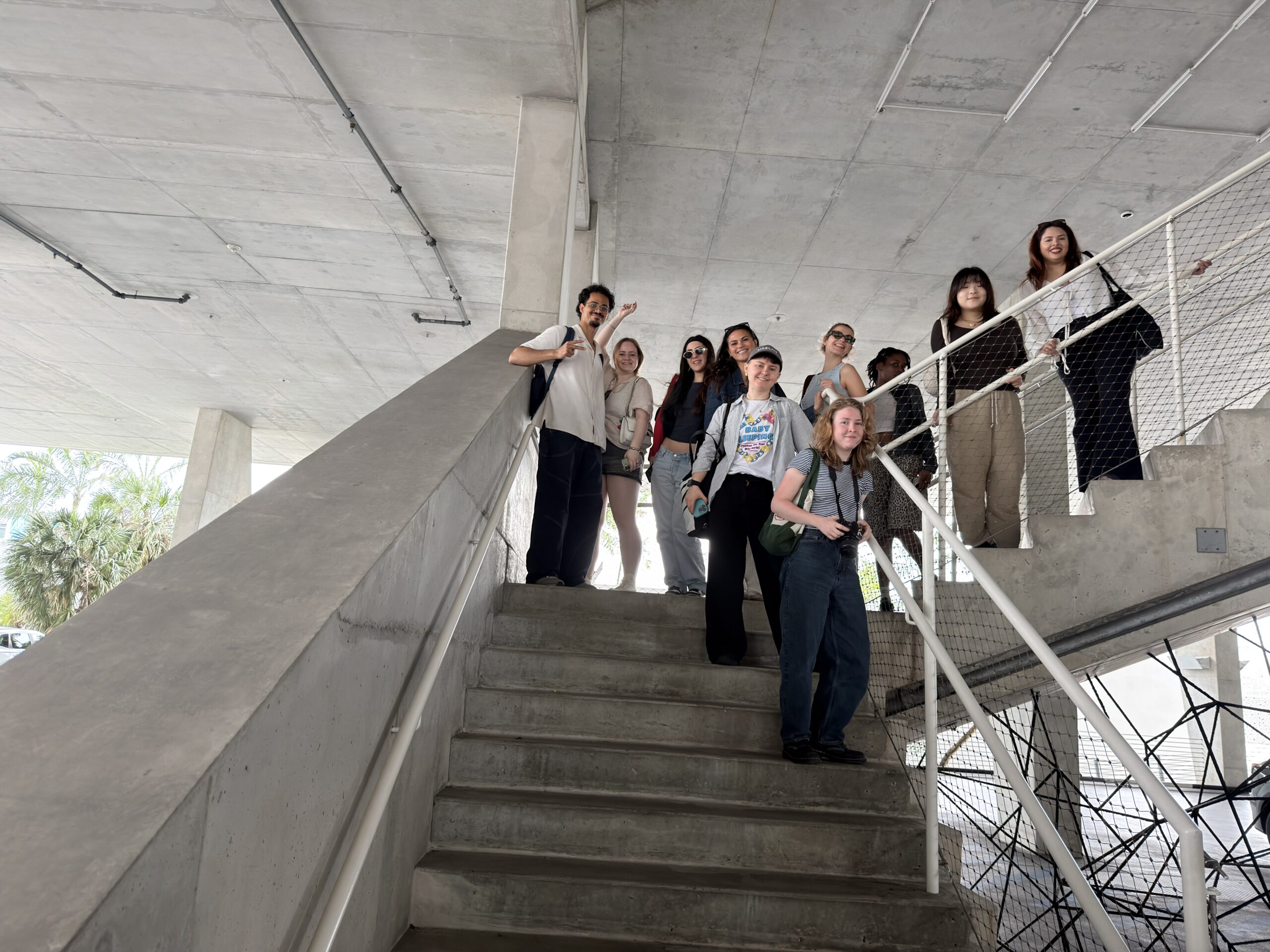
Much as the Cross Bronx Expressway transformed the South Bronx, Interstate I-95 bisected and upended Miami’s Overtown neighborhood in the 1950s, reflecting the car-centric model of urban development favored at the time. As Pratt Undergraduate Architecture students working on their Bachelor of Architecture (BArch) degree walked through Overtown this past spring break, the community’s adaptation to the highway could be seen in the fragmented street patterns, shaded spaces beneath overpasses, and buildings affected by flood-prone surfaces.
The students were visiting as part of an institutional collaboration between Pratt Institute and the University of Miami. With funding from longtime Miami architect and Pratt School of Architecture alum Bernard Zyscovich, BArch ’68, students from both schools will participate in coordinated Housing Innovation studios over four semesters in four academic years from 2026 to 2029, with the focus of each studio alternating between New York and Miami in recognition of the shared urban challenges that both cities face, including affordability, climate impacts, and density. With a particular emphasis on housing solutions, the work from the studios will be published and exhibited at a later date.
“Like New York, Miami is a growing city with environmental and social issues that are both similar but also different in some fundamental ways,” said Dean of the School of Architecture Quilian Riano. “Through these parallel studios, we are giving students a chance to confront those issues and learn from each other. Areas in both cities are growing quickly, and housing is needed (Miami needs around 100,000 units of housing, while New York City needs over half a million). That housing needs to respond to the effects of increased flooding, heat, and a crisis of affordability. Each semester, both teams will focus on one site and learn from each other, allowing them to compare contexts, policies, and social conditions—and learn ways to turn those into holistic design propositions.”

A Historical View
Visiting Assistant Professor of Undergraduate Architecture Gary Bates is heading the Spring 2026 studio and drew inspiration for the class from the Black Lives, Black Spaces panel in Higgins Hall in 2023, where he spoke about the need for architects to deeply engage with neighborhoods and prioritize affordable living. With this background, students engaged in cultural and literary analysis to better understand the lived experiences of Overtown residents before delving into the design portion of the studio.
“The students joined the studio knowing that they were going to have to read some pretty challenging stuff, everything from James Baldwin to Ralph Ellison’s The Little Man at Chehaw Station, and parts of Racecraft,” Bates said. “I think it’s incredibly important, if you’re going to work in this neighborhood, to read texts like these.”
Early in the semester, students also watched and discussed the 2026 Syrop Lecture from Teddy Cruz and Fonna Forman, founders of Estudio Teddy Cruz + Fonna Forman, a research-based urban and architectural design practice based at the University of California, San Diego, investigating borders and migration, informal urbanization, emergency housing, bioregional climate resilience, civic infrastructure, and public culture.
“We spent three or four hours just watching the lecture and going back and forth, looking at the drawings,” Bates said. “And then a few weeks later, we were so fortunate to have a one-on-one with Teddy Cruz. Students prepared questions, and we sat down for about two hours with him and had an amazing conversation.”
Pratt students formed teams to research one of four core topics—geopolitics, environment, infrastructure, and energy—and branched off to focus on specific areas of interest such as public transportation, food production, shading systems and heat management, building materials, and public spaces. Throughout, they came together as a group to discuss their learnings and debate the direction that they should take for their overall design proposal.
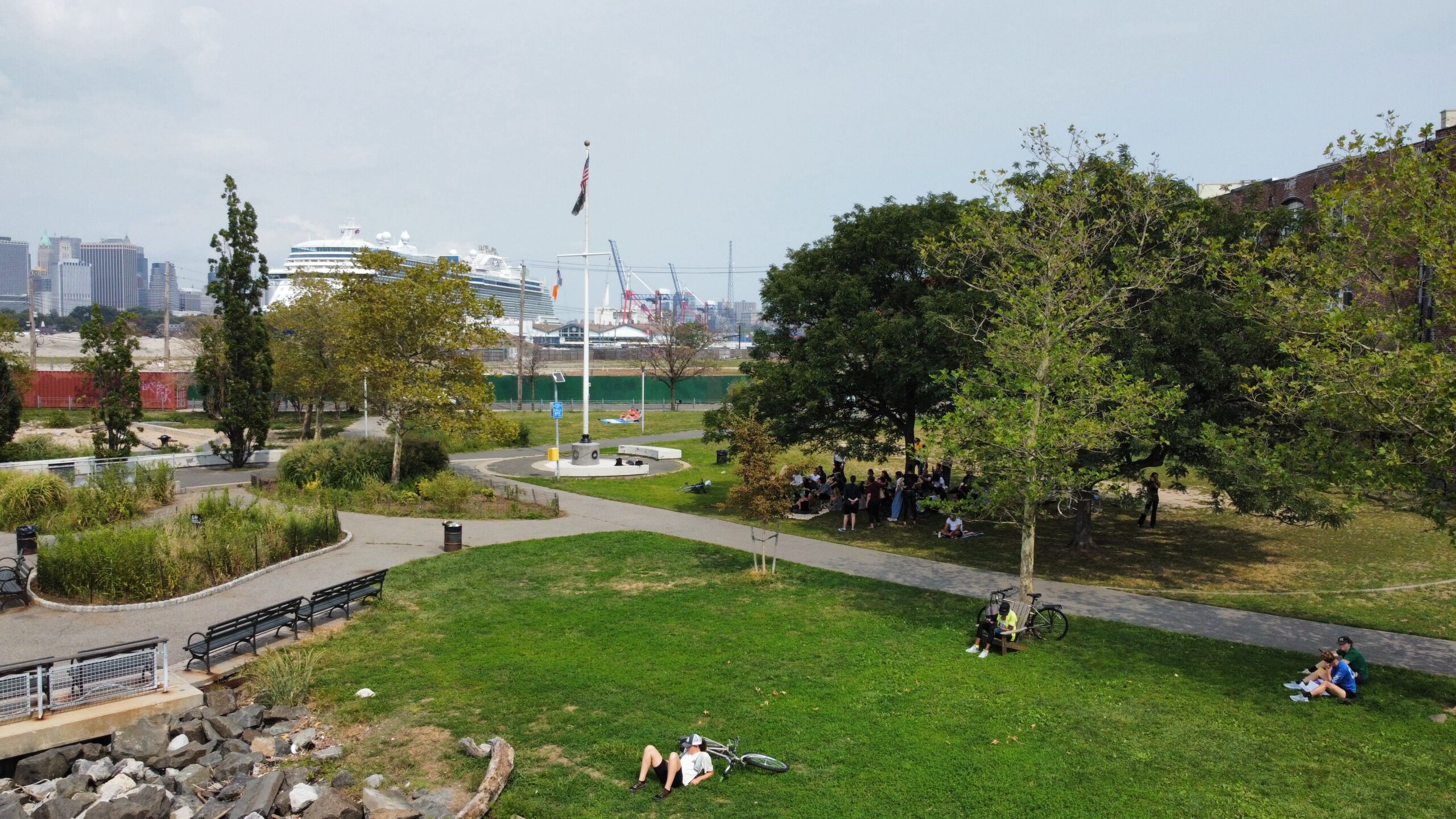
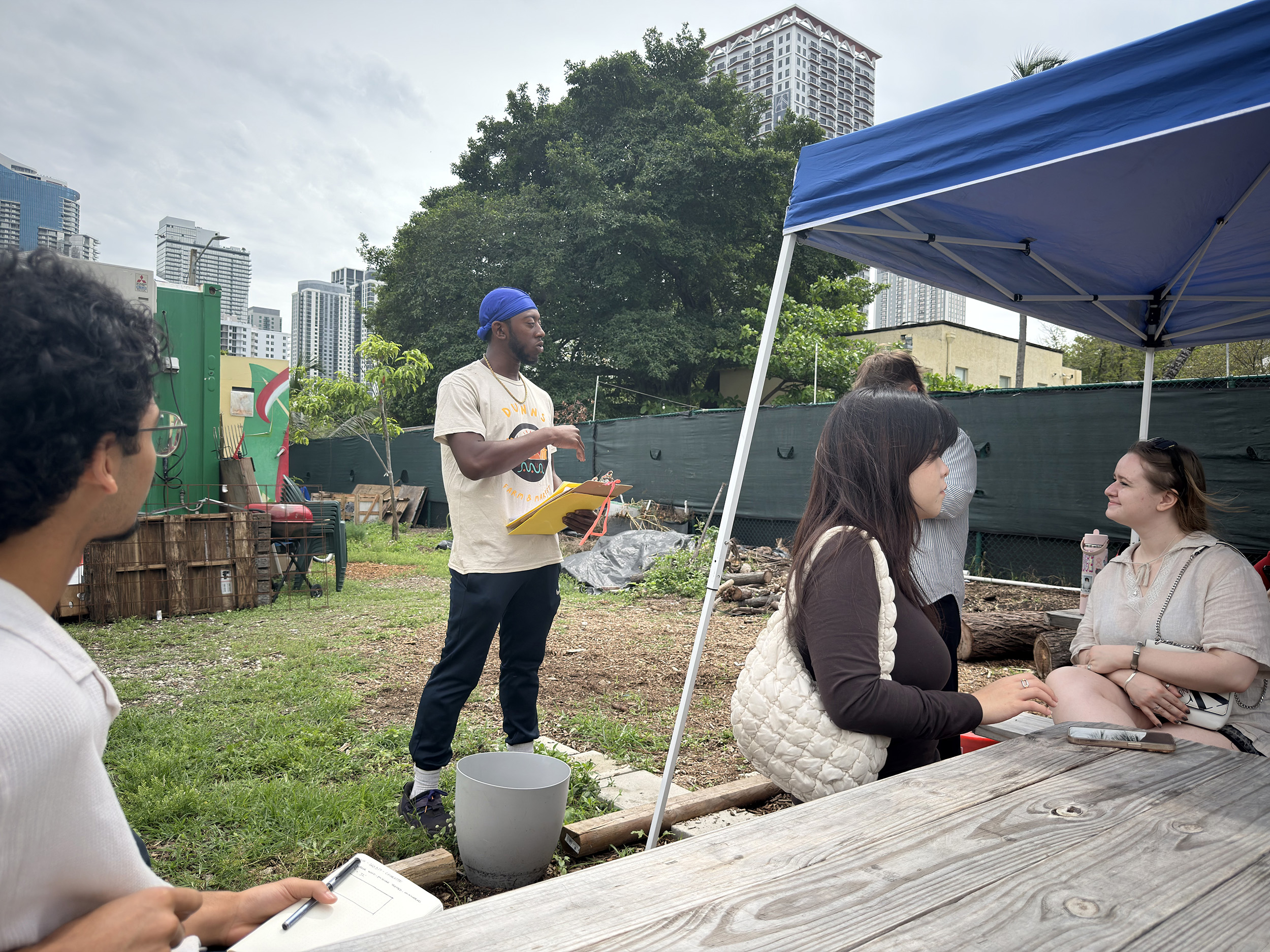
Students from the University of Miami visited Pratt’s Brooklyn campus for several days of discussion, and then Pratt students traveled to Miami to walk through Overtown; meet with community members, including Bernard Zyscovich, who helped explain the architectural backstory of different buildings; and visit important cultural sites such as the Lyric Theater and the Dorsey House.
-
![A community garden scene featuring a group of people gathered around a wooden trellis in the garden. Some individuals are tending to plants, while others observe. The garden is lush with various green plants, and a large building can be seen in the background. The sky is overcast, suggesting a cloudy day.]()
-
![]()
-
![]()
-
![A group of people is gathered outdoors in a community garden. One person, wearing a t-shirt and a blue headband, stands and speaks while holding papers. In the foreground, two people are seated at a wooden table with notebooks. One person observes the speaker, while another engages with someone beside them under a blue tent. The background features urban buildings and greenery, indicating a lively setting.]() Scenes from the trip
Scenes from the trip
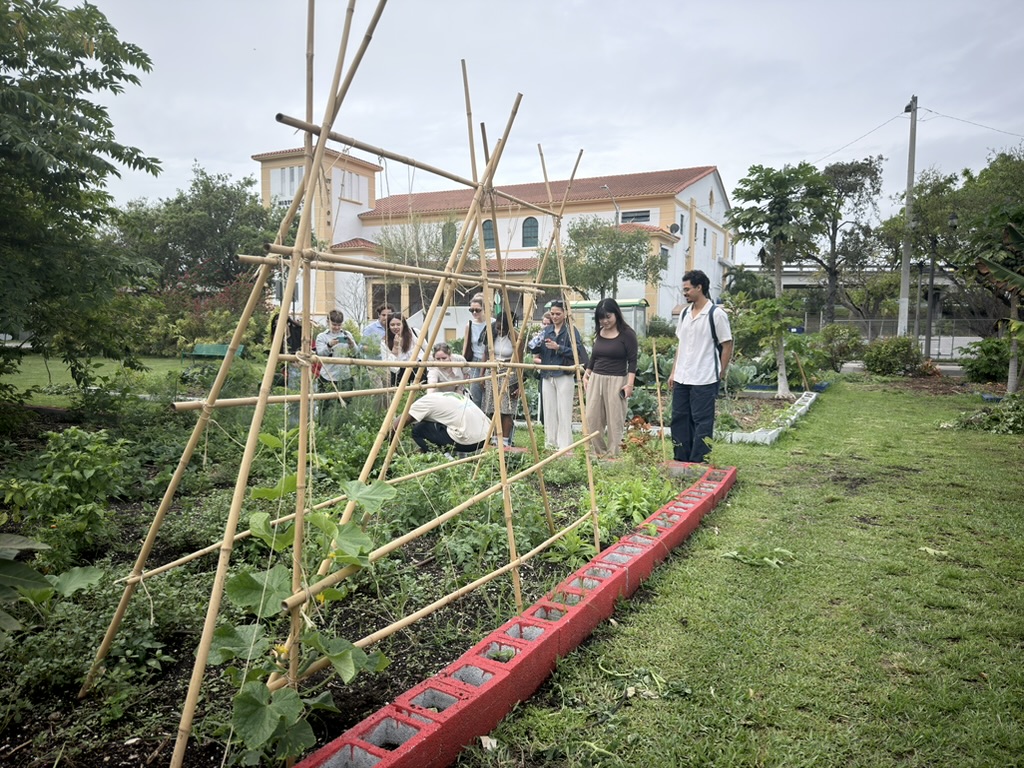
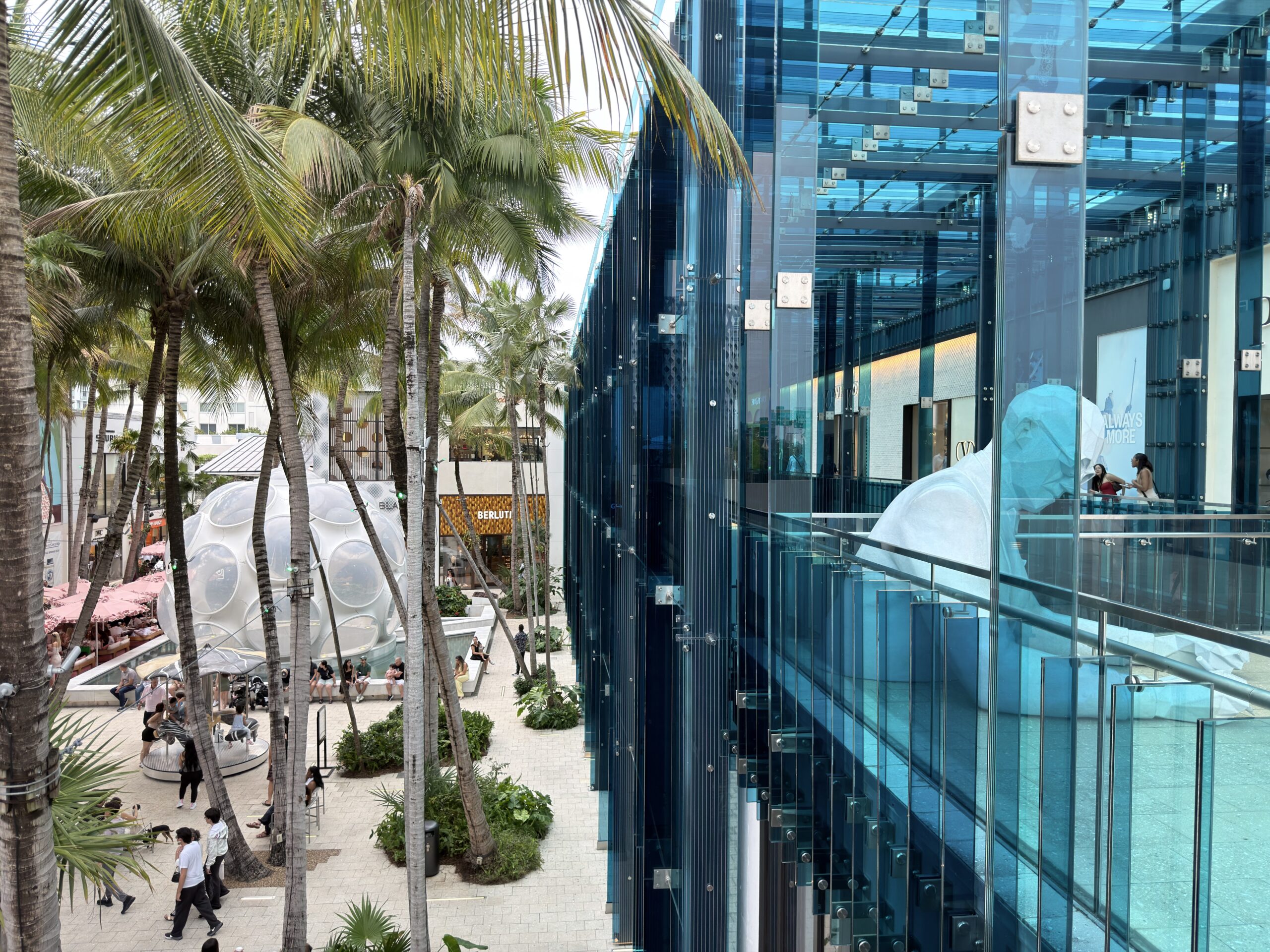
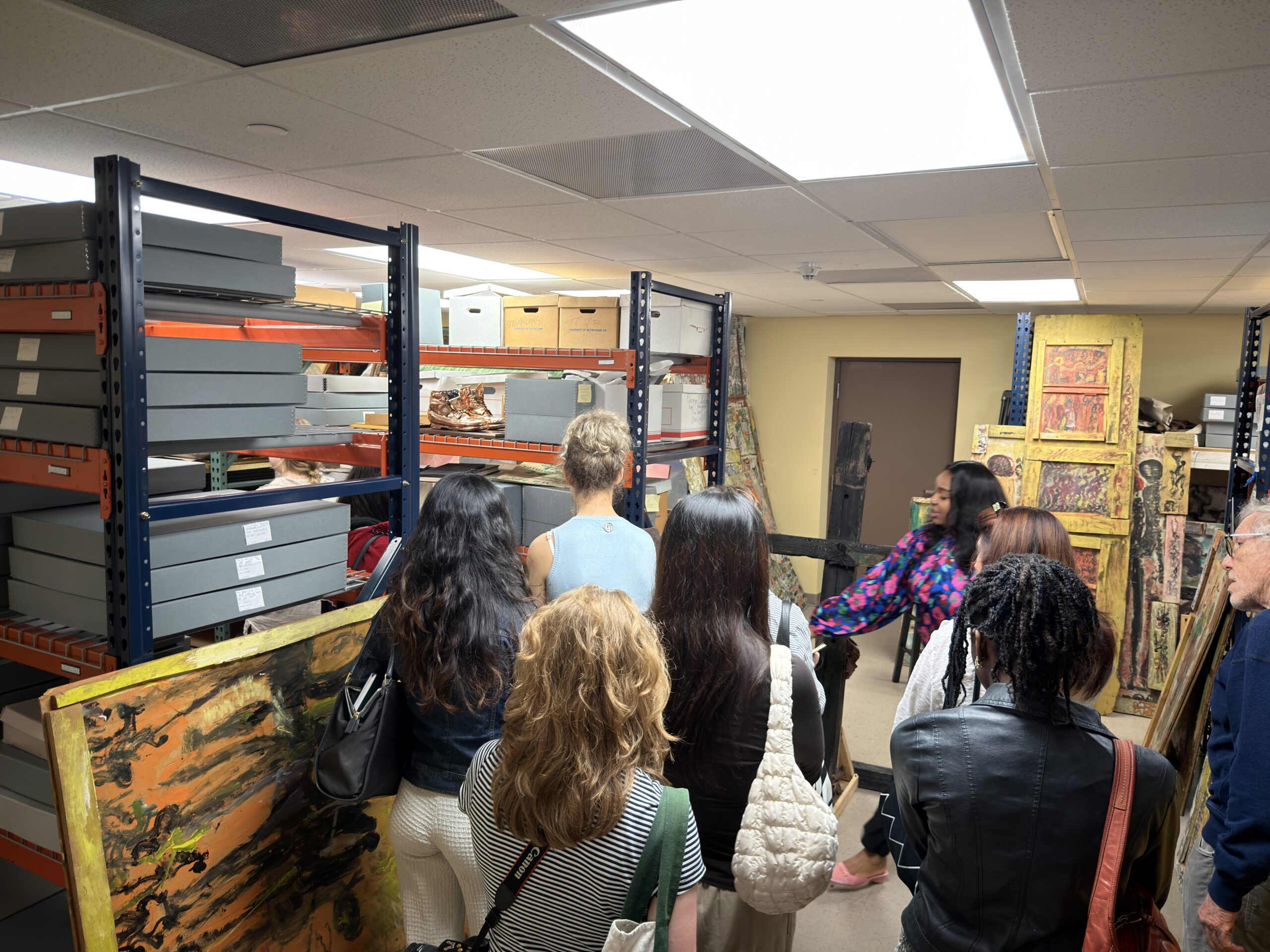
“A lot of the studio deals with invisible things, things that are underground, things that are in the air, things that are systemic within politics, structures of power that are in place,” Bates said. “And so a lot of the work the students had to do was to not look for the obvious things that are in front of you, but look for the things that aren’t in front of you. And I think that’s where they also really grew immensely, and where their enthusiasm was. While we were there, they were trying to understand what’s really behind the facade.”
Honoring Cultural Memory
The final project produced by the studio reflects this deep engagement with the cultural history, lived experiences, and political and architectural makeup of Overtown, with an introduction that echoes many of the ideas explored in the class’s early readings.
“Conventional architectural history tends to treat time linearly: before disruption, after disruption. Yet lived experience does not operate linearly,” the students wrote. “In Overtown, demolished structures do not vanish from cultural consciousness. Instead, they reappear through stories, behaviors, and spatial habits.”
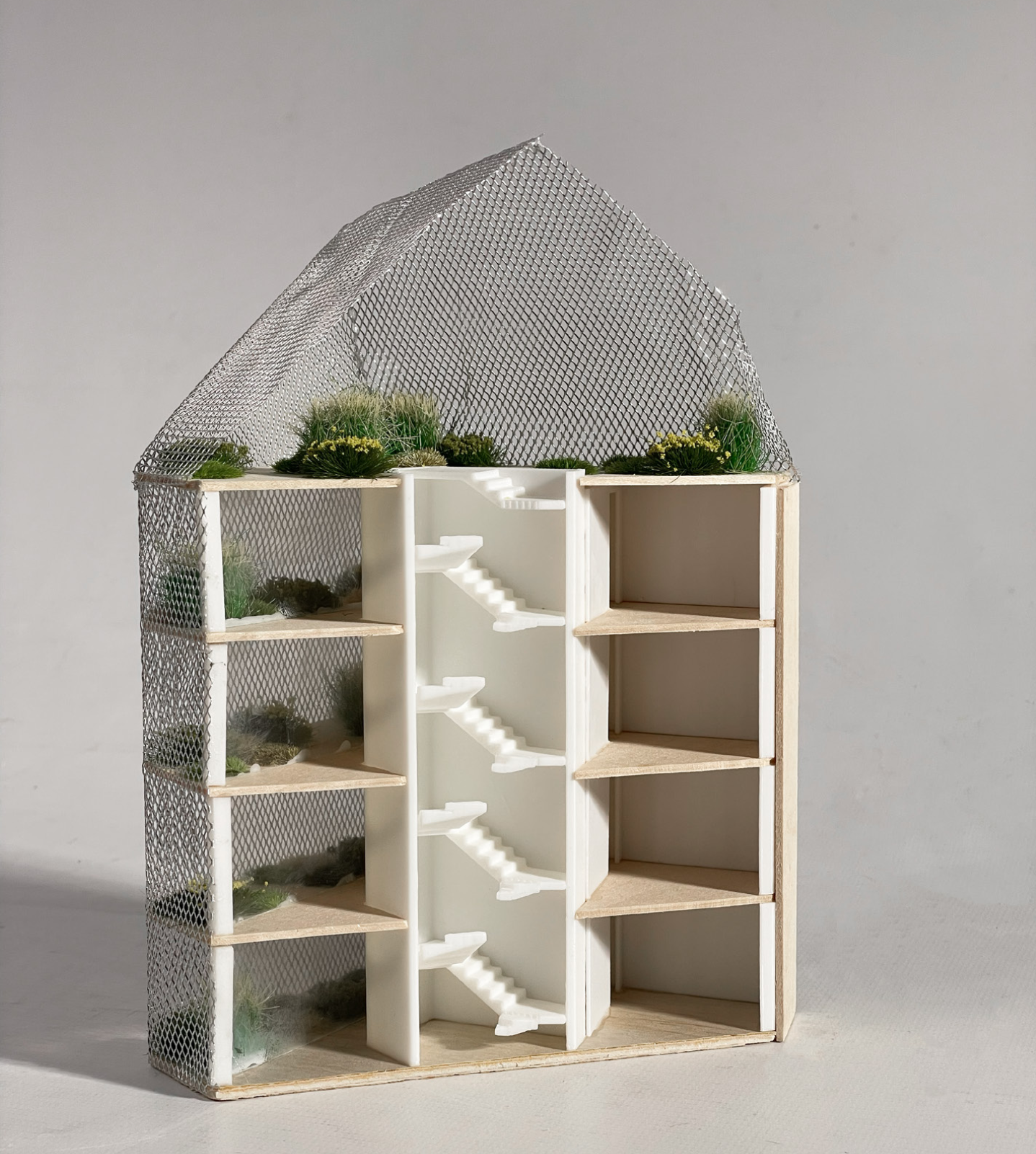
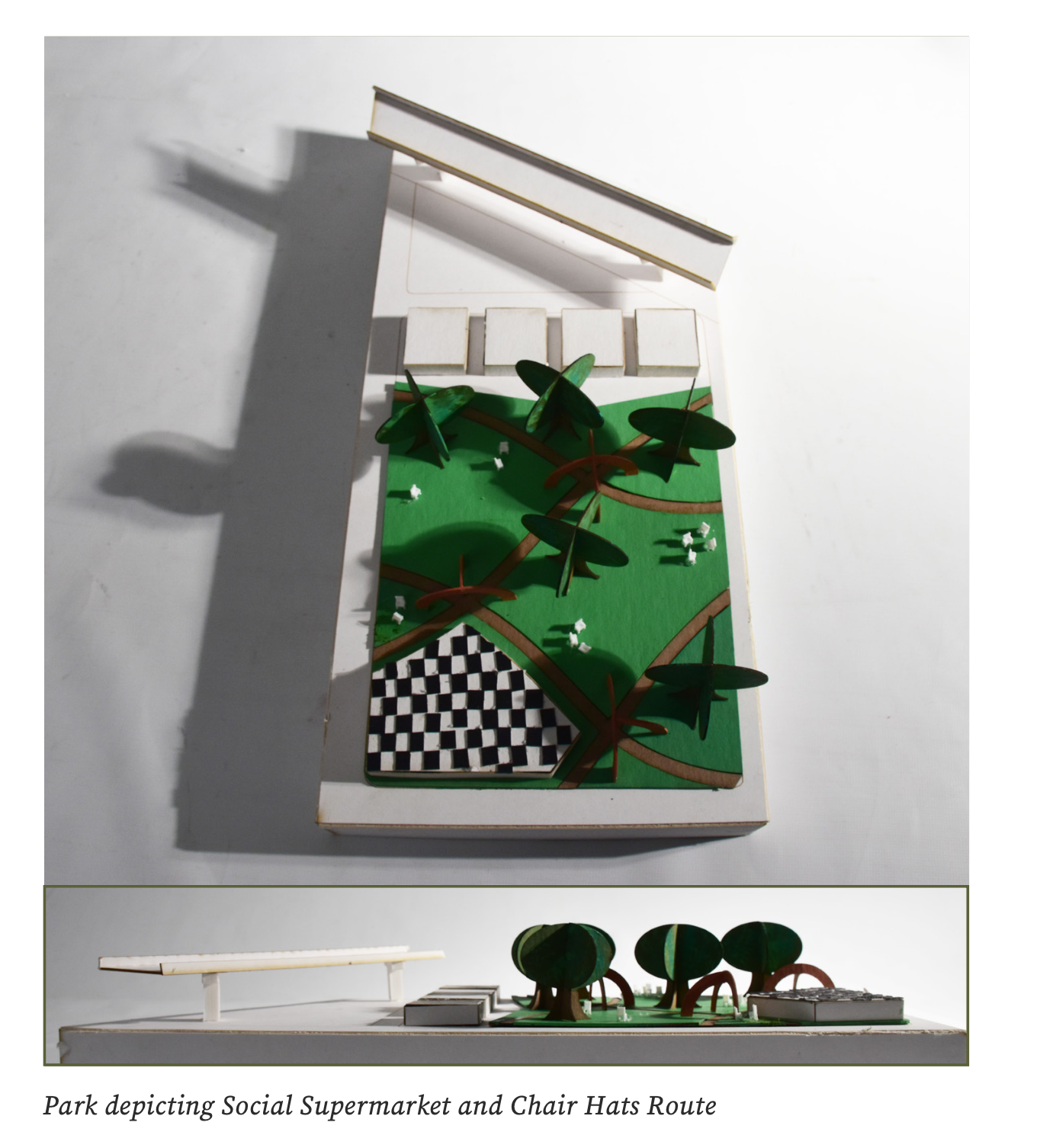
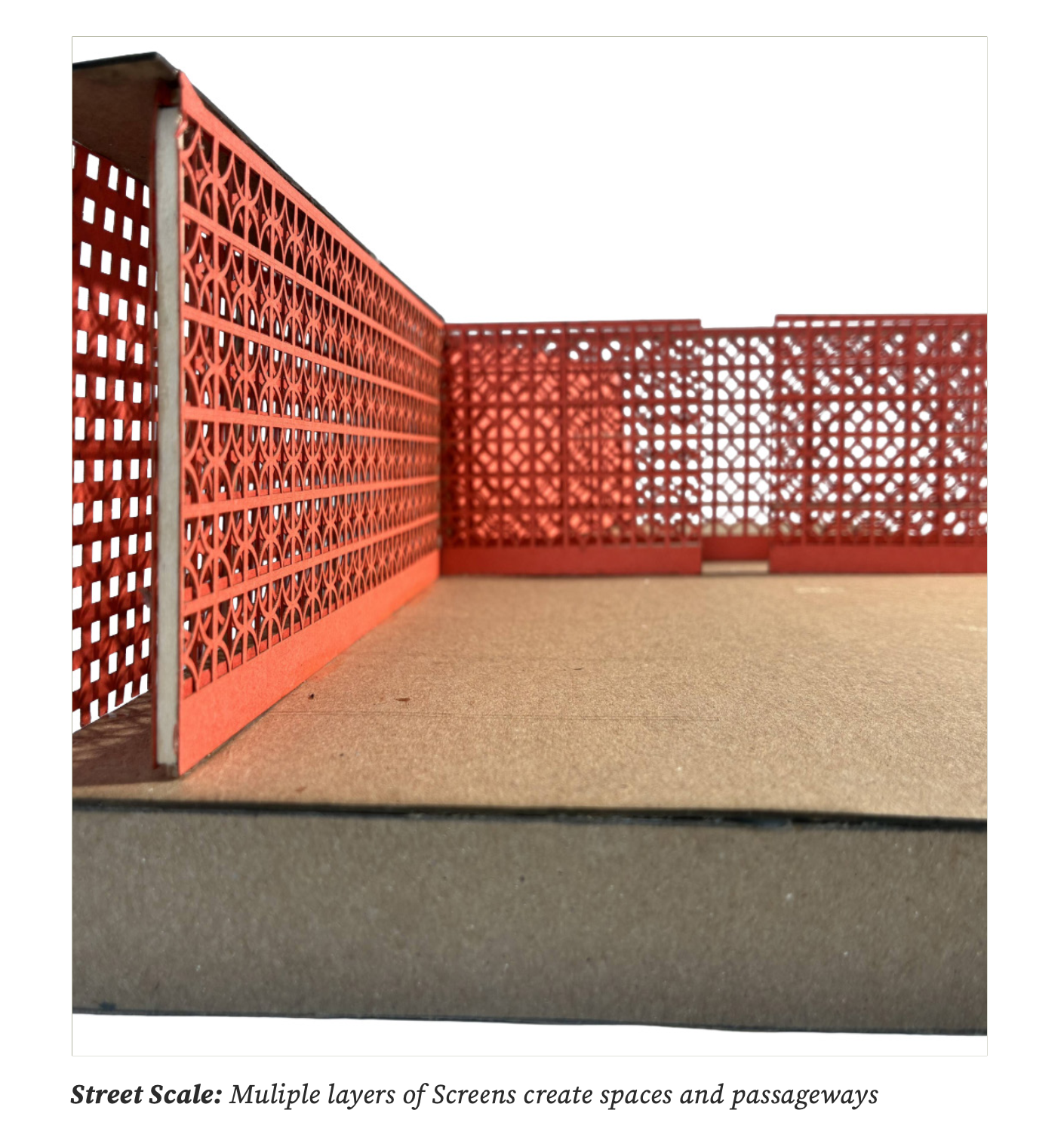
What follows is a compelling reimagining of Overtown’s future as a place of cultural reclamation and circular living, with flood-resilient housing, walkable streets, local agriculture, communal forms of land ownership, and clever infrastructural adaptations to I-95.
“In this era of market- and not mission-driven development, it is critical to have the students engage the topic of housing from the perspective of the community, their agents, and allies, and not wholly from that of the developer, so I’m happy to see how Professor Bates is leading the studio this spring,” said Chair of Undergraduate Architecture Stephen Slaughter. “In the department’s efforts to codify housing more formally in the curriculum as a track of study, the opportunity to work with alum Bernard Zyscovich and Professor Teymour Khoury, of University of Miami, provides valuable insight to our students and faculty as to how industry and the academy in Florida frame the issues of housing and development. Insight that wouldn’t be available without the collaboration or their expertise and knowledge critical to developing a position honed by the pedagogy at Pratt and practice in New York.”
Students are now in the process of developing assets for their final design proposals for Housing in Overtown, which will be compiled in a publication made available to community members and policymakers. Students joining the collaborative studio in the fall will research and provide proposals for a neighborhood in New York.
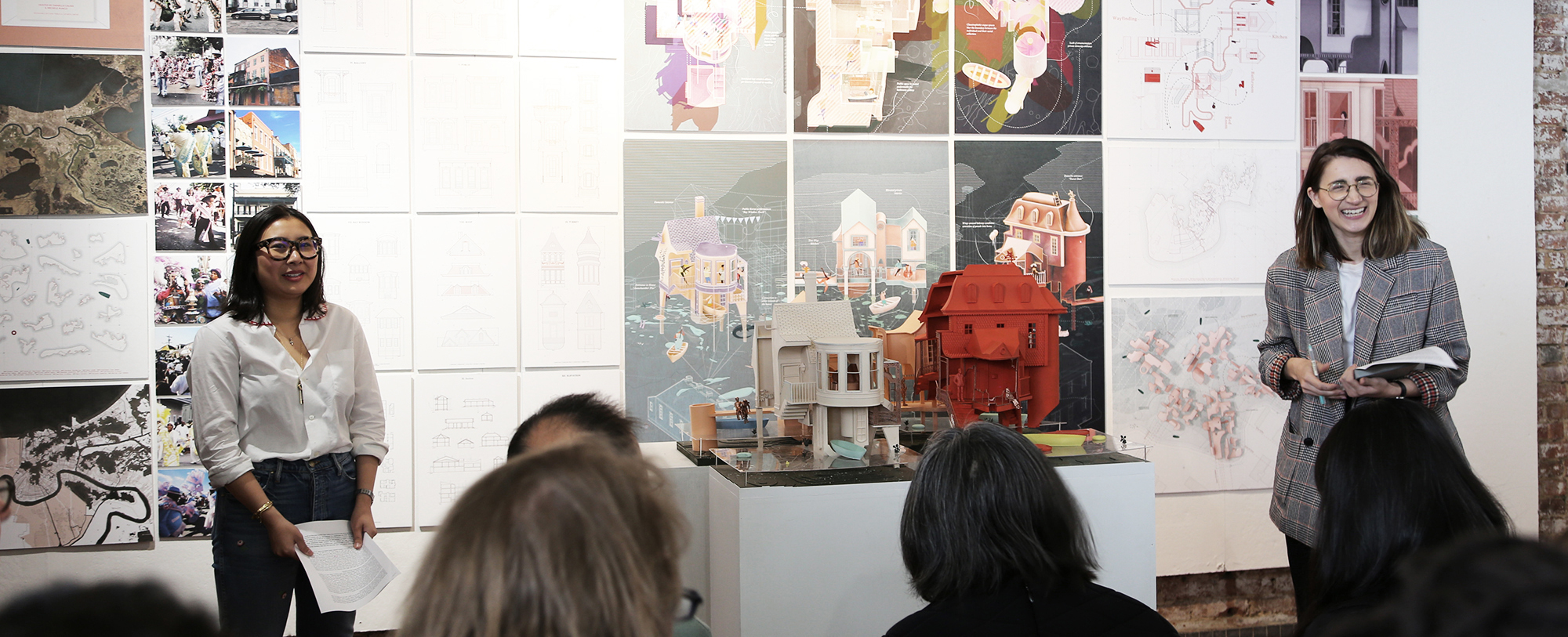
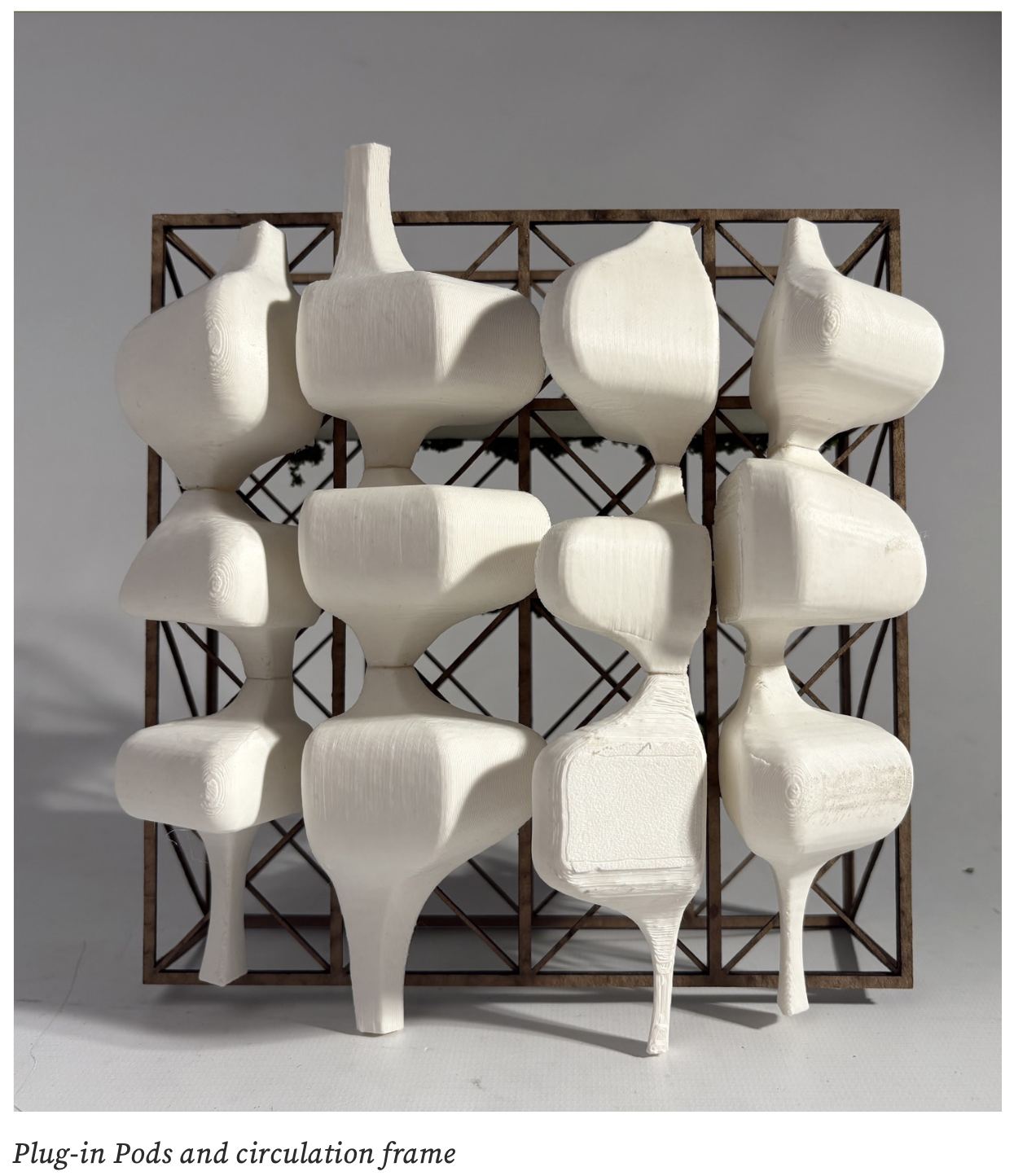
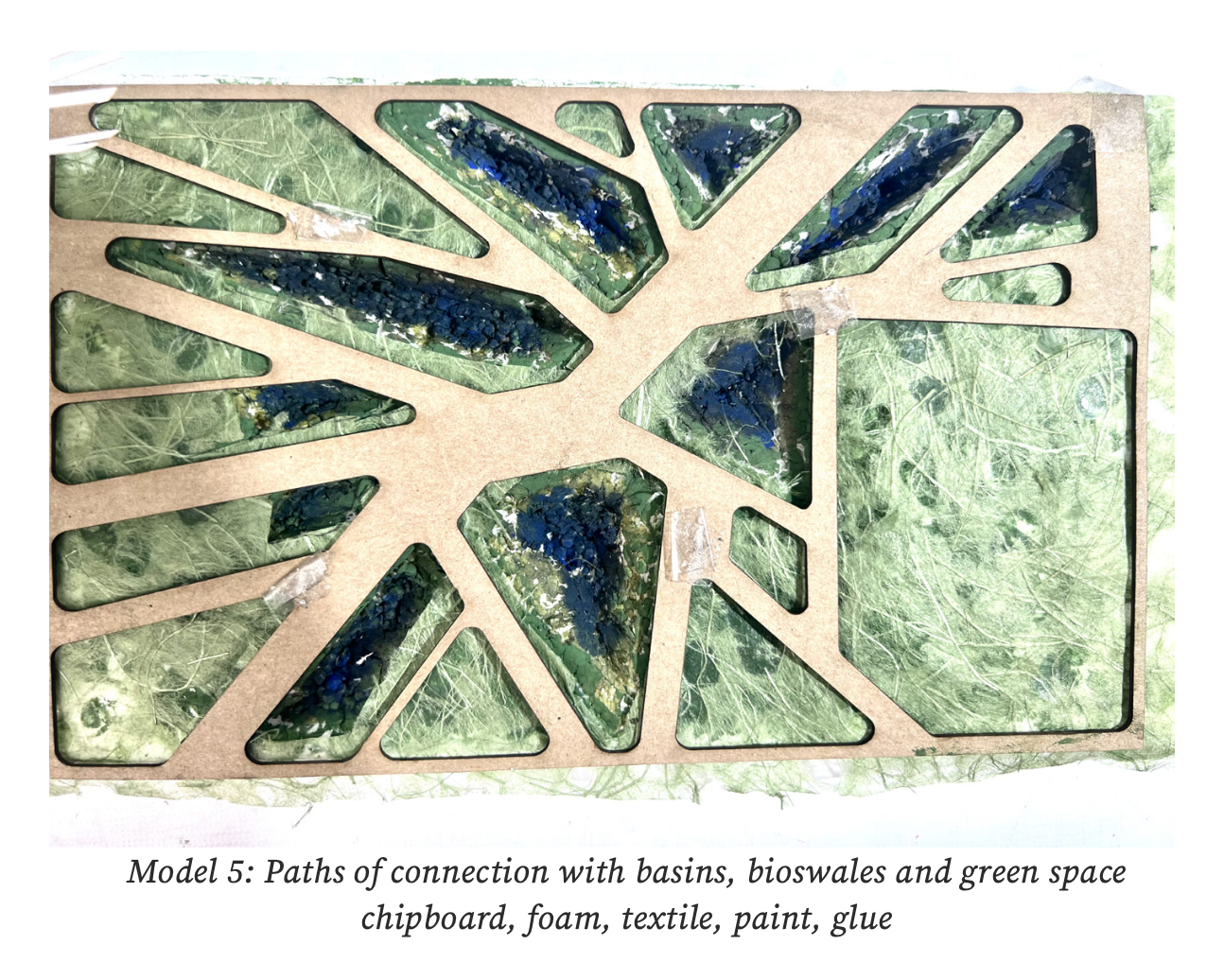
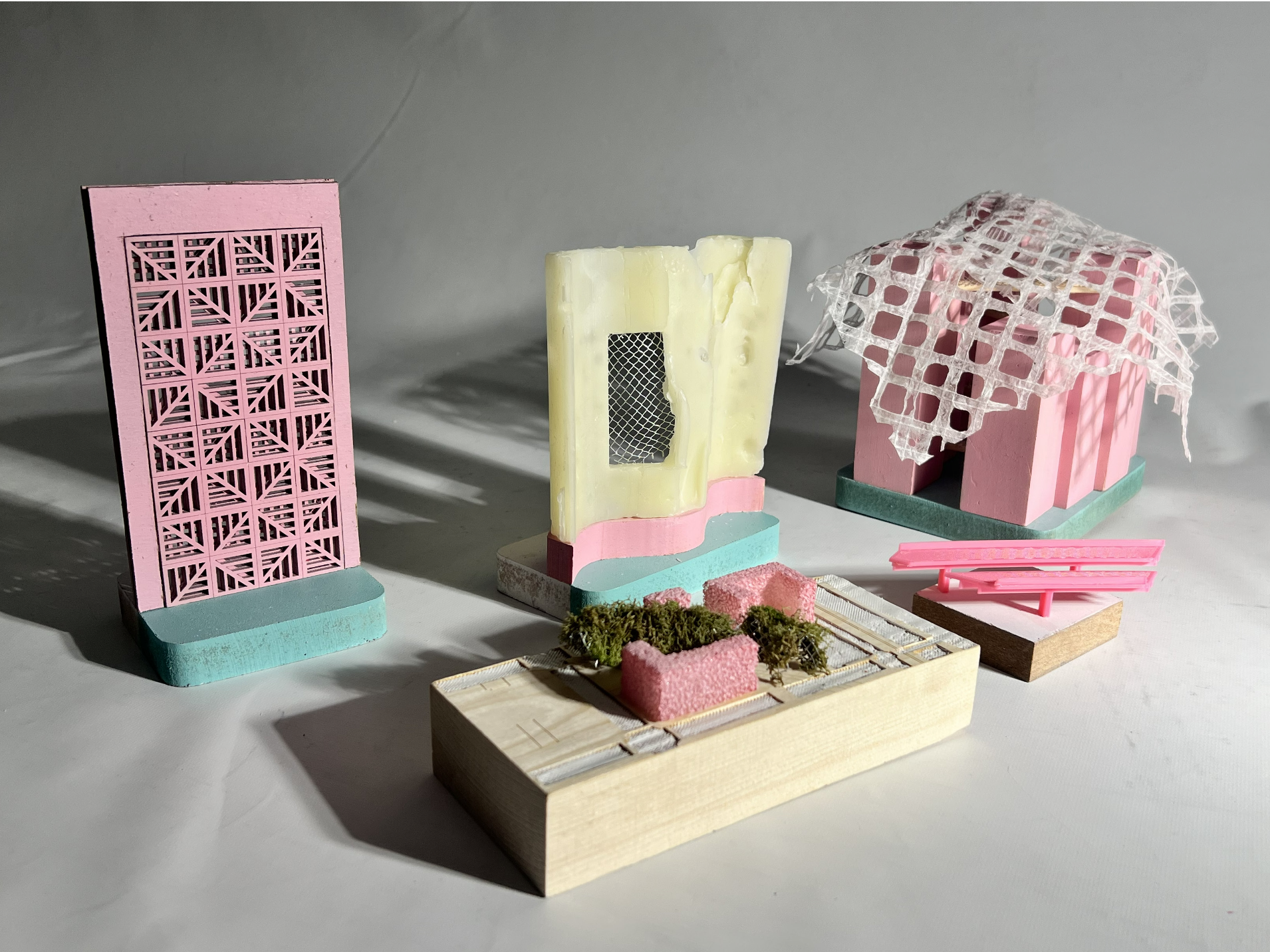
Select images from the studio’s midterm are below.
Architecture, BArch