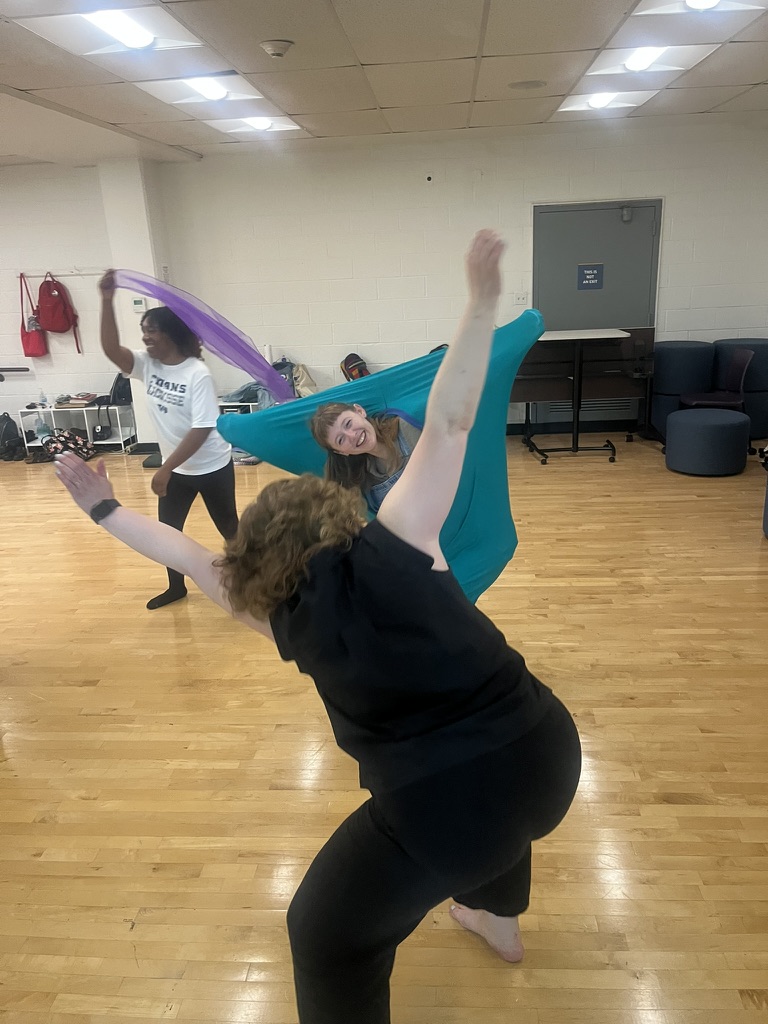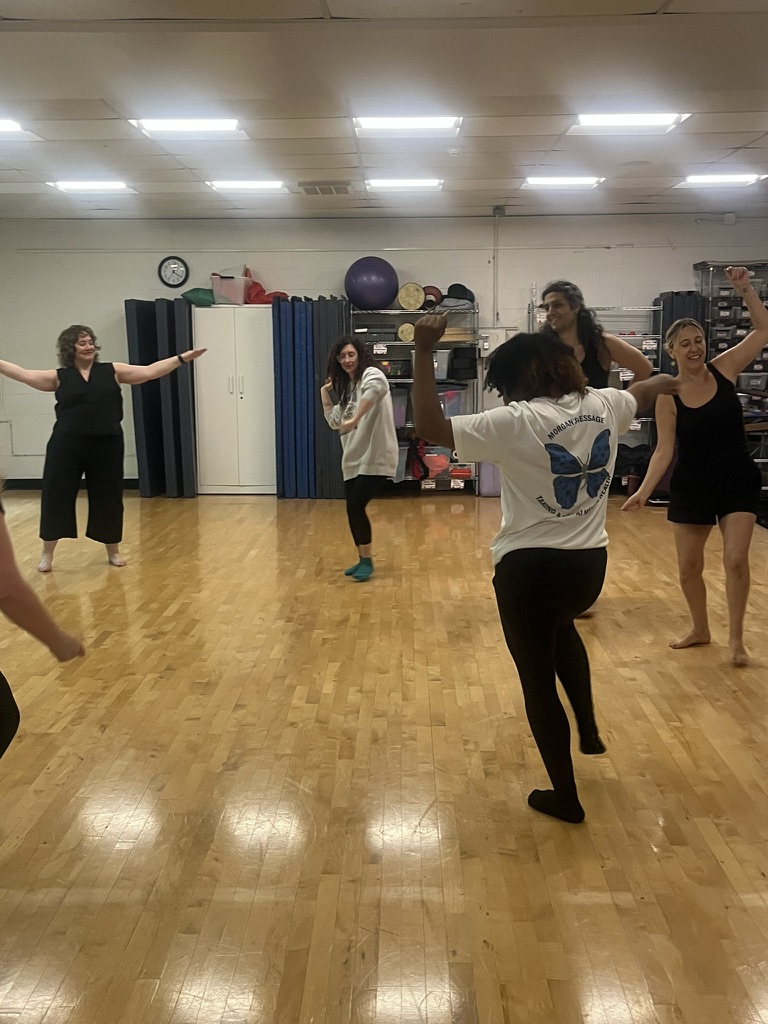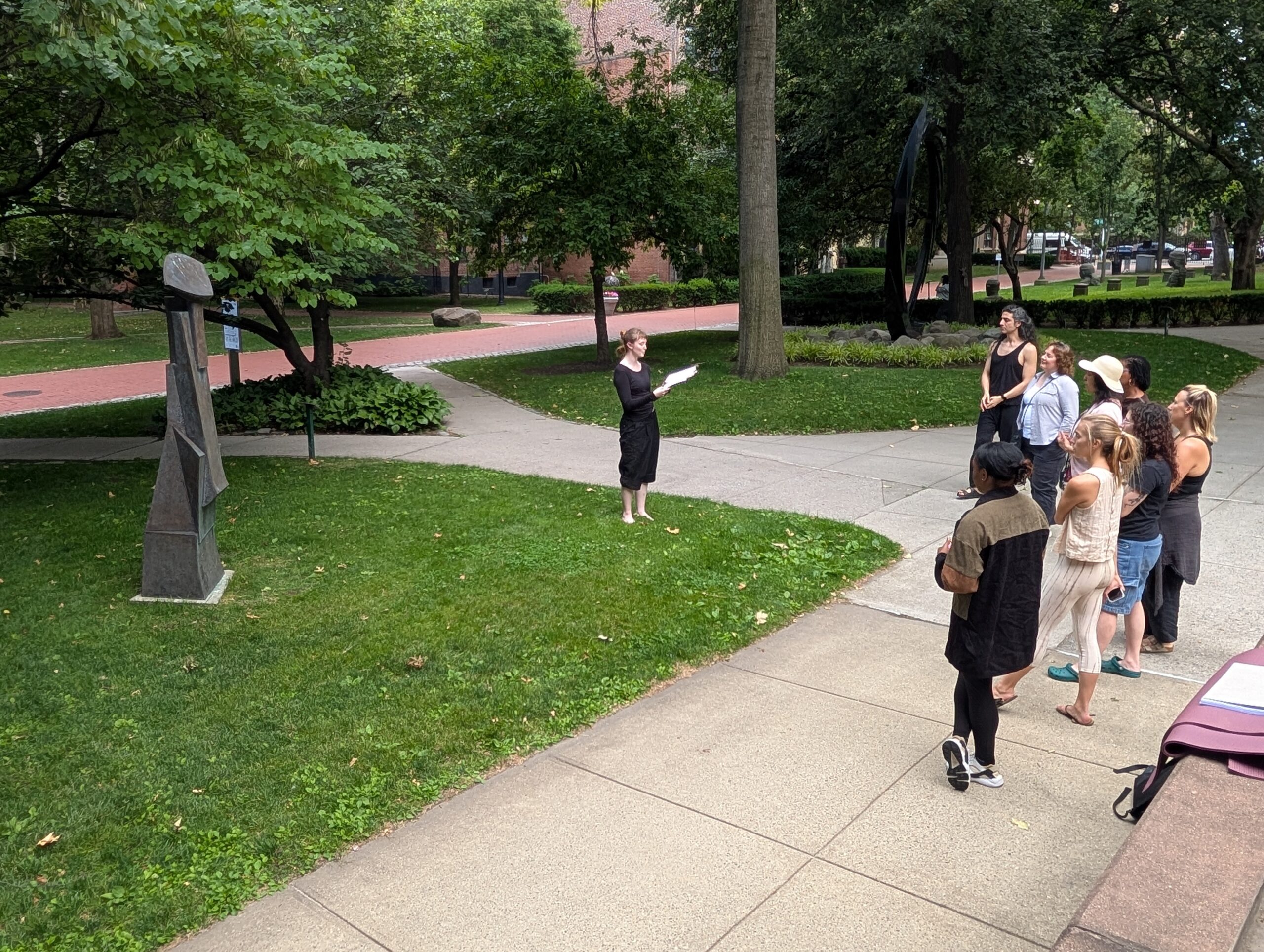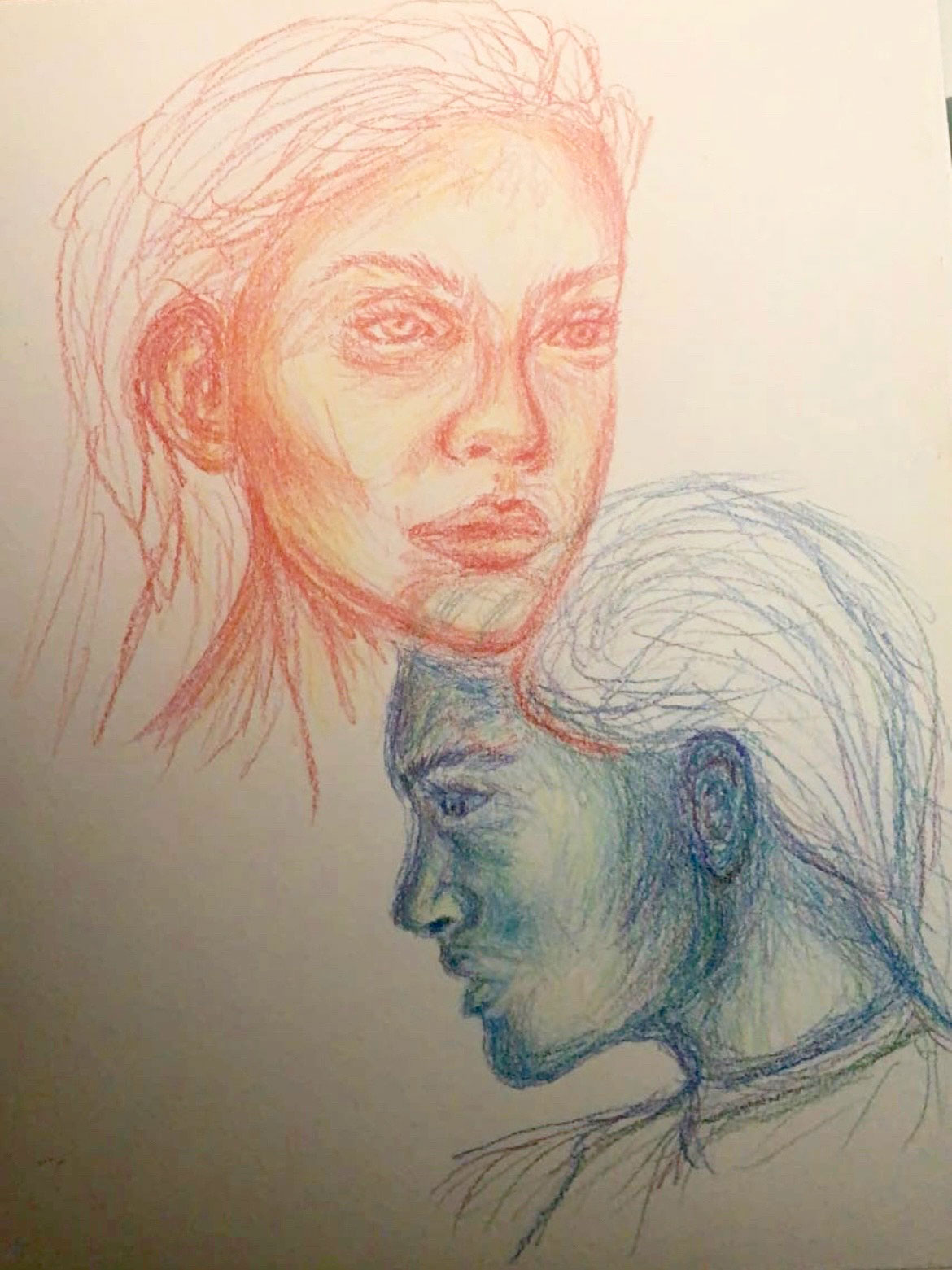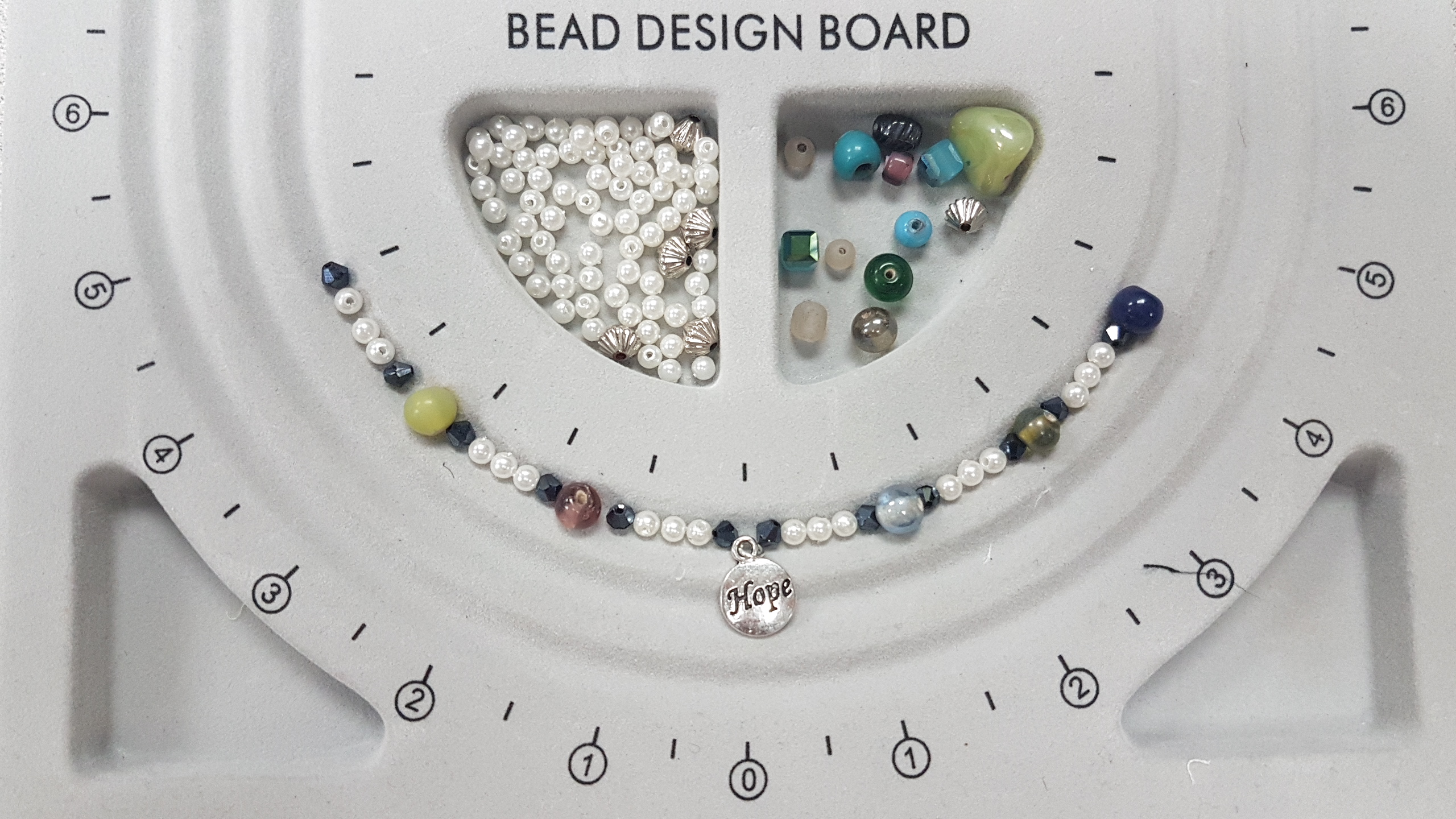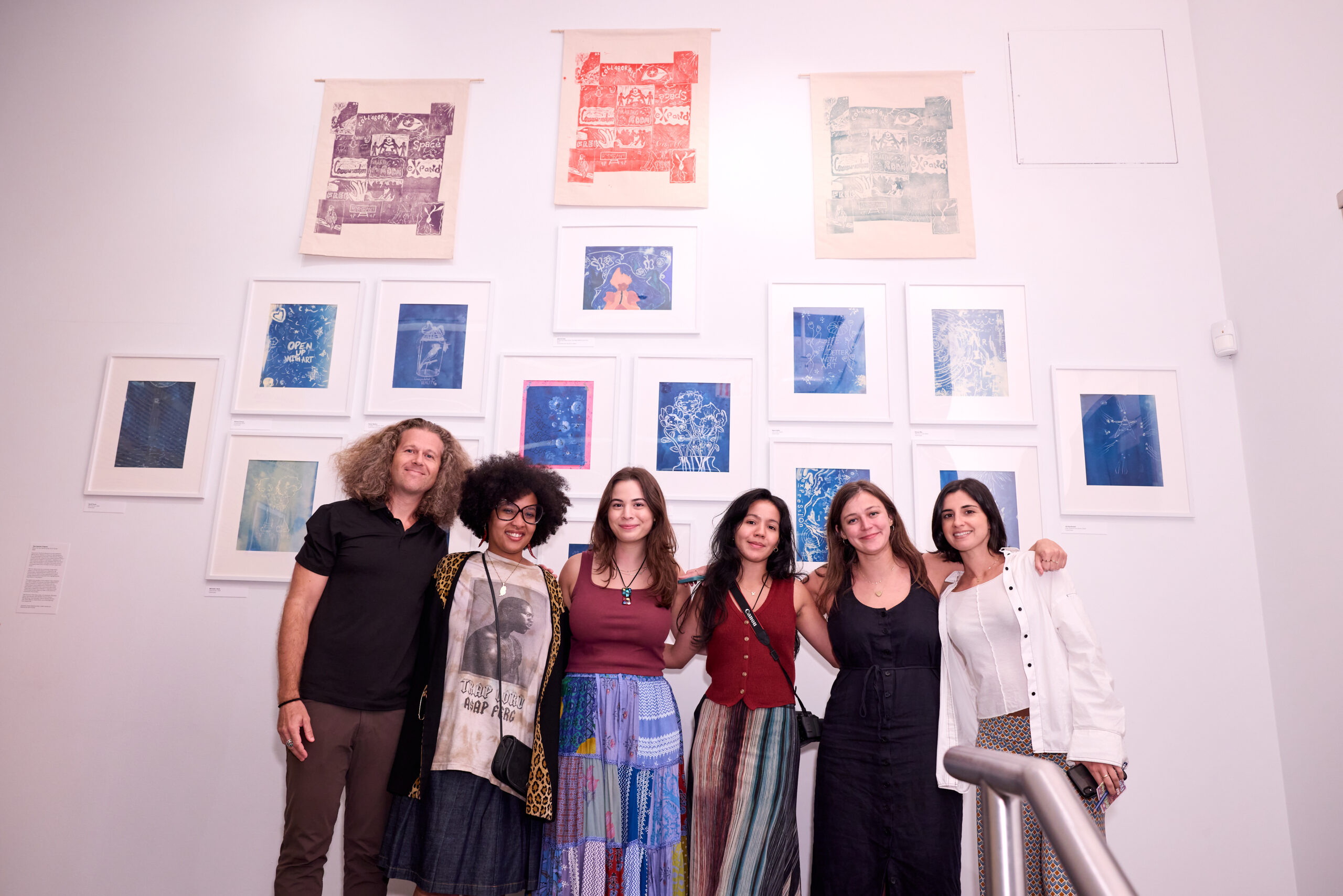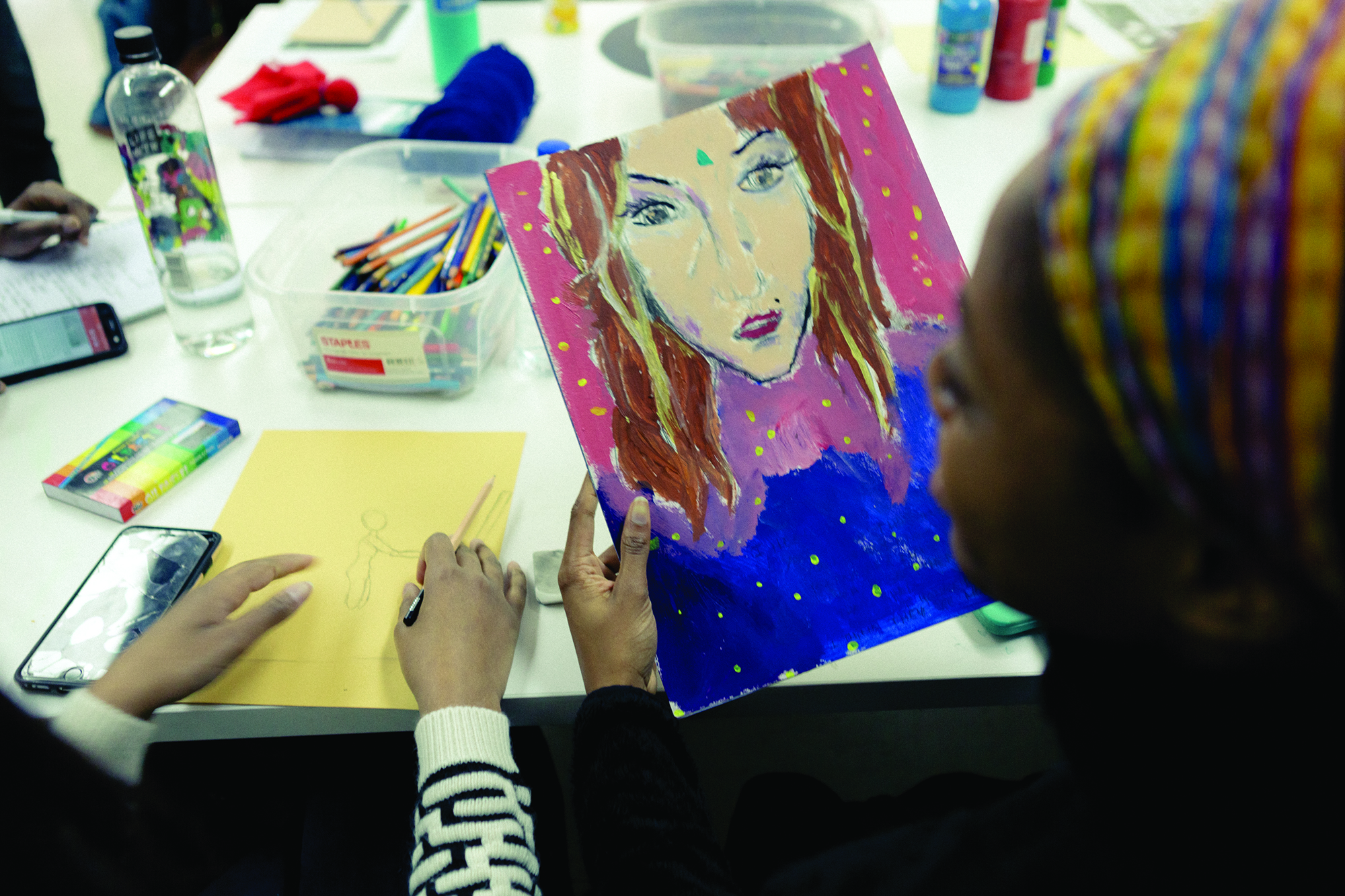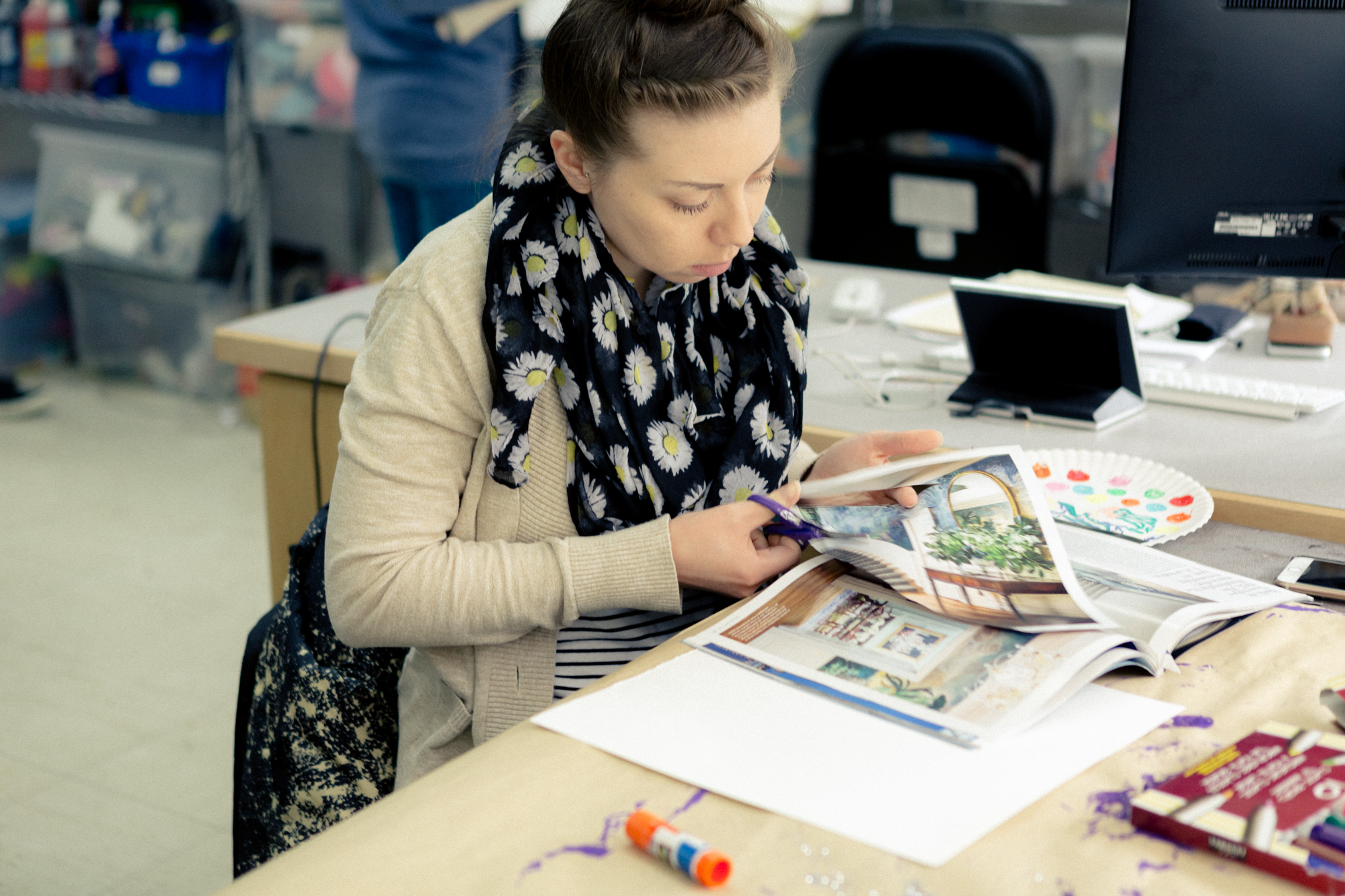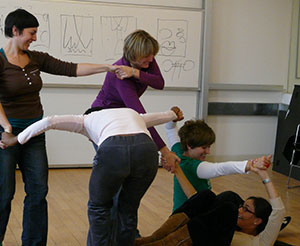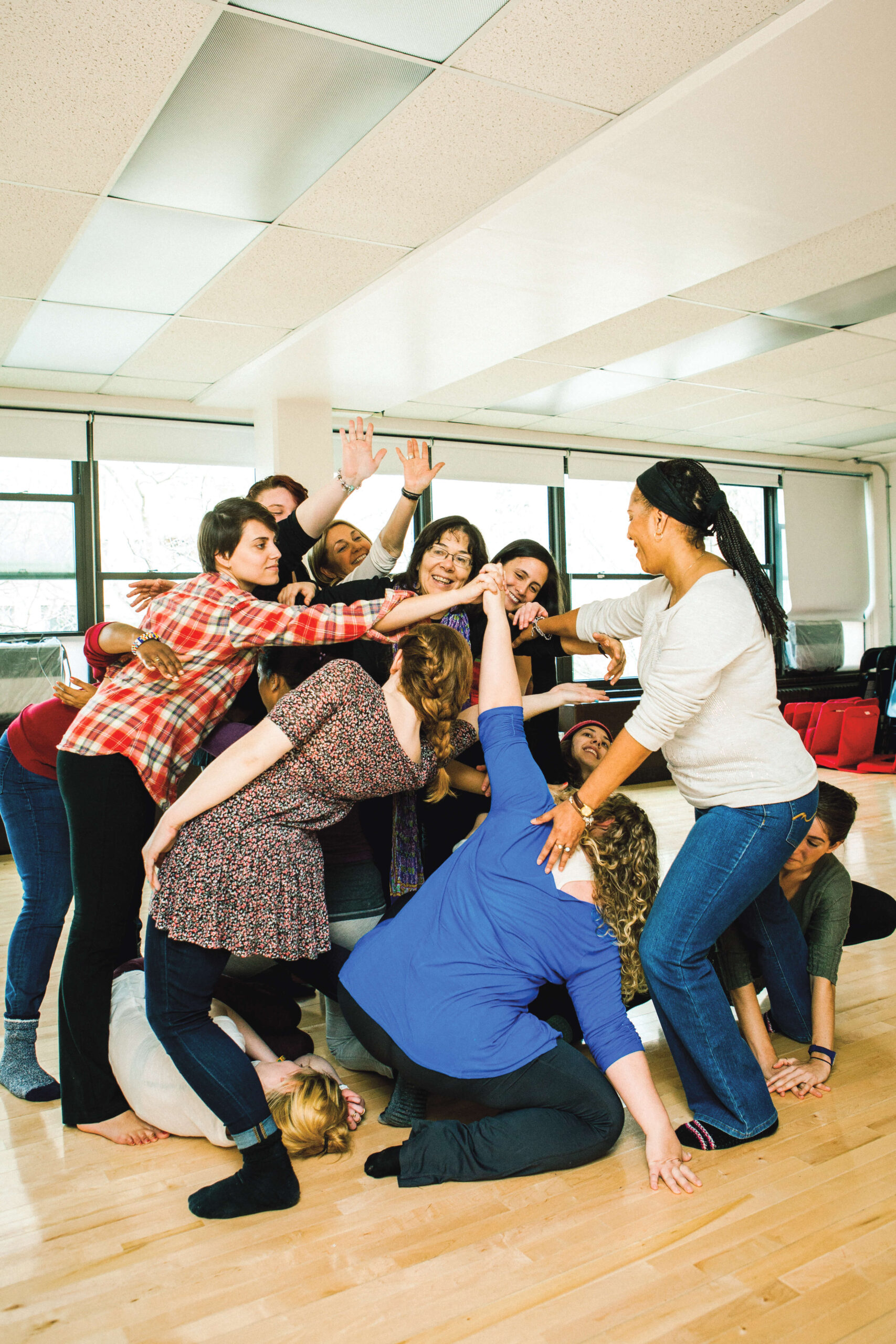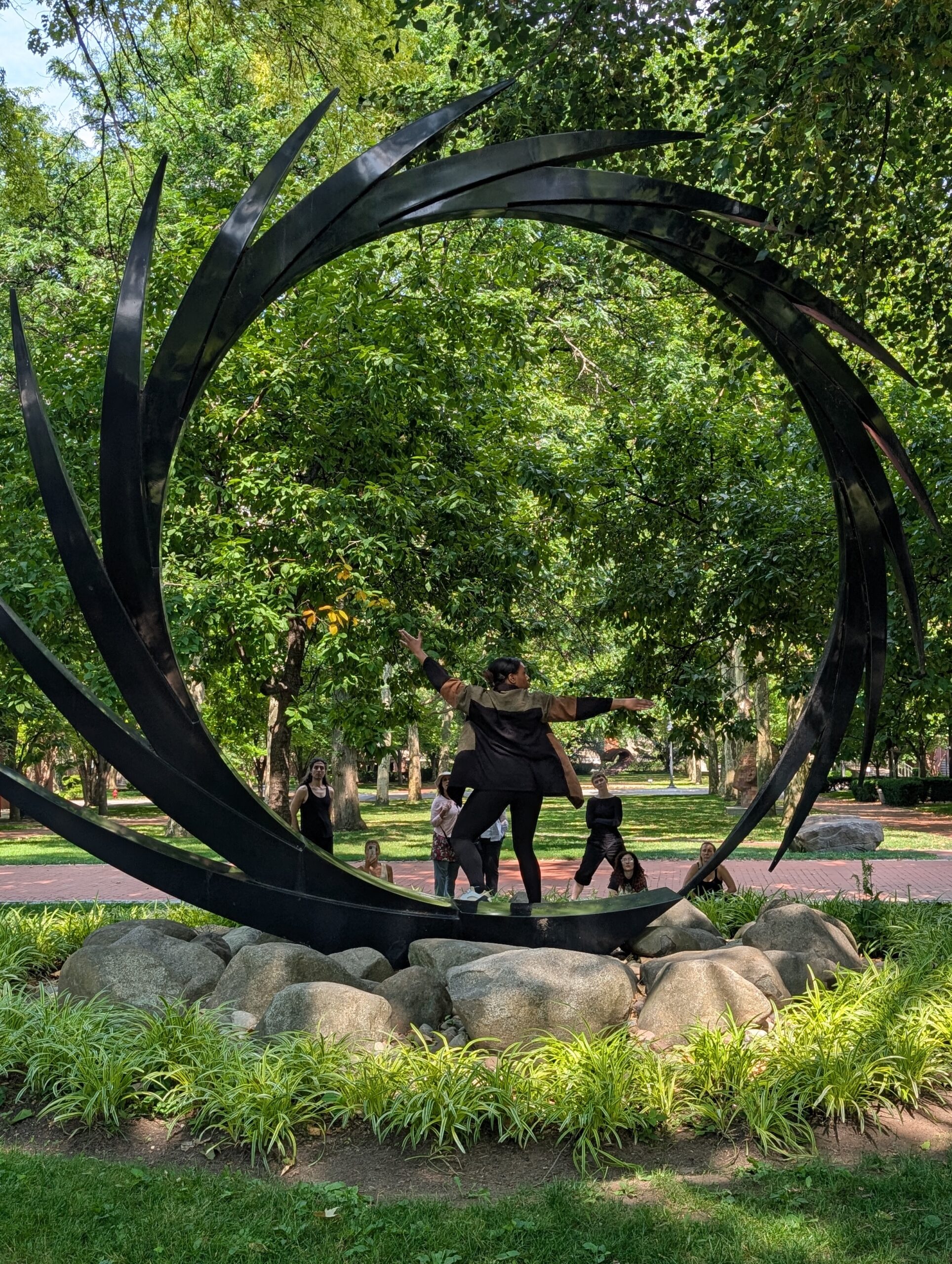
On a hot July afternoon, learning on campus was in full swing for Pratt’s Creative Arts Therapy Low Residency program, which gathers its students for a monthlong in-person intensive, brimming with creativity, study, movement, and reflection. Offering a uniquely structured combination of in-person coursework and online courses, the program—which includes both Dance/Movement Therapy and Art Therapy and Creativity Development—provides students with an alternative to the full-time academic schedule.
Some students opt for low residency so that they can continue working while pursuing their degree. Many are at Pratt because they want to make a change and pursue meaningful work. In an ever-shifting economic and professional landscape, the ability to pivot can be an immense asset.
Majid Bastani, MS Dance/Movement Therapy ’29, for example, decided it was time to take a long-standing passion further after 20 years in the tech industry. After years of leading and supporting people in technology, they are now bringing that human-centered focus to dance/movement therapy. “Dance, art, creativity—to me that’s where we find the real human,” they said. “Machines and the virtual world are great at doing things we can off-load to them, but the real human experience comes from within and then is expressed this way.”
Trained as a dancer and performer, Bastani has long embraced movement as a mode of personal expression and for catharsis. “I was very excited to see how dance and movement, which are my passions, can be applied in a setting that is potentially healing or helpful in the context of people who are struggling with mental health,” they said.

In addition to the summer intensive on campus, students spend the fall and spring semesters completing two years of clinical training where they live and take 1–2 online courses each semester. Department Chair Valerie Hubbs works closely with Low Residency Coordinator Glenn Smulyan, MPS Art Therapy and Creativity Development ’14; Assistant Chair for Clinical Training Heather Williams, MPS Art Therapy and Creativity Development ’00; and Assistant Chair Michael Buchert, MPS Art Therapy and Creativity Development ’05, as well as each student and partner organization, to place low residency students in vetted internships close to their homes, whether that’s in New York City, Wisconsin, or Hawaii.
“Pratt’s Creative Arts Therapy Low Residency program has been a standard-setter in our field, expanding access to a Pratt education for students whose professional and personal commitments require a more flexible path,” said Hubbs. “I’m proud that this long-standing program reflects Pratt’s commitment to equity, inclusion, and lifelong learning while preparing compassionate, adaptable, and socially responsible psychotherapists who use creativity to support healing and well-being.”

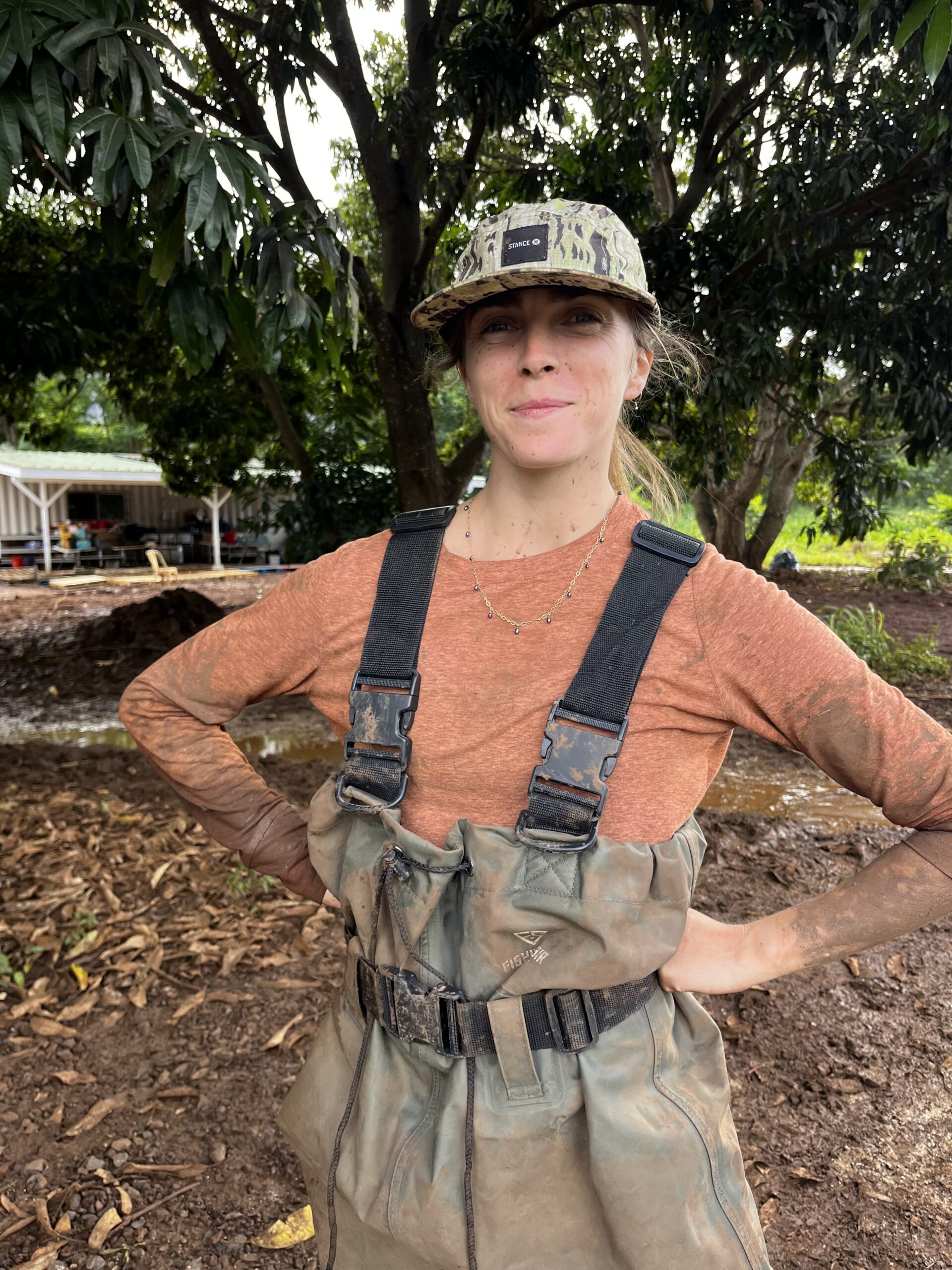
Abby Cockrell, MS Dance/Movement Therapy ’29, chose low residency because she couldn’t part from Hawaii, her home for the last few years. Following her retirement from professional ballet, Cockrell now works on a farm in Oahu that grows mango and taro and teaches dance to children. “I grew up with a heavy focus on ballet as a career, and it’s not exactly the most sustainable or healthy profession,” said Cockrell.
When she found out about dance/movement therapy, it clicked for her. “I really loved the idea of going into a therapeutic profession but knew I always wanted to incorporate dance and movement. Then I discovered this magical thing of dance/movement therapy, and it was just an immediate yes in my body.”
“Even something as simple as blinking your eyes—that’s its own dance, or breathing—this circular pattern of the breath moving into my lungs, pressing my diaphragm down or filling it up—it’s all its own inner dance, and when I’m able to find a little bit more intention with that, then all the brain chit-chats can get a bit quieter, and then I’m able to really feel what my body’s trying to tell me.”
Abby Cockrell, MS Dance/Movement Therapy ’29
With the Dance/Movement Therapy summer intensive coming to a close, Cockrell reflected on the experience: “Pratt feels like a protective space inside the city. It’s been so special to be here, to be with my cohort, and work with such wonderful faculty.”
-
![A person with short, curly hair, wearing oversized glasses, poses for a selfie while holding a colorful, artistic mask. The mask features exaggerated facial features, including sharp teeth and detailed decorations like flowers and ribbons. The background has soft lighting, suggesting a cozy indoor setting. The person has a slight smile, engaging with the camera.]() Jenni Barbosa, MPS Art Therapy and Creativity Development ’29 (image courtesy of Jenni Barbosa)
Jenni Barbosa, MPS Art Therapy and Creativity Development ’29 (image courtesy of Jenni Barbosa) -
![A person stands on a brick pathway surrounded by green trees. They are wearing a navy and white short-sleeved top over a white shirt and a knee-length denim skirt. Their feet are adorned with white socks and black shoes. The background features a park-like setting, with signs and a pathway leading into the distance.]() Jenni Barbosa on Pratt’s Brooklyn campus
Jenni Barbosa on Pratt’s Brooklyn campus
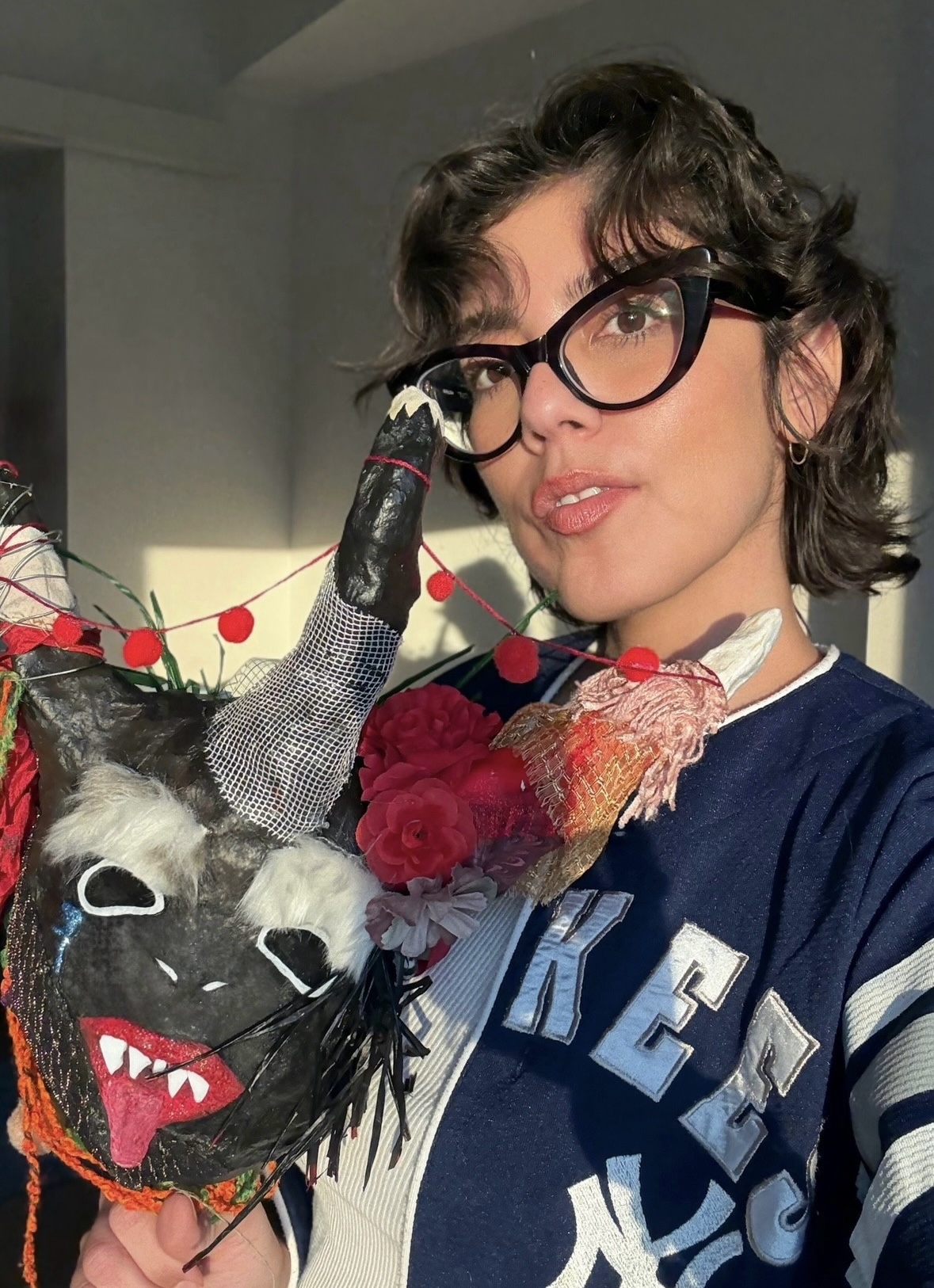
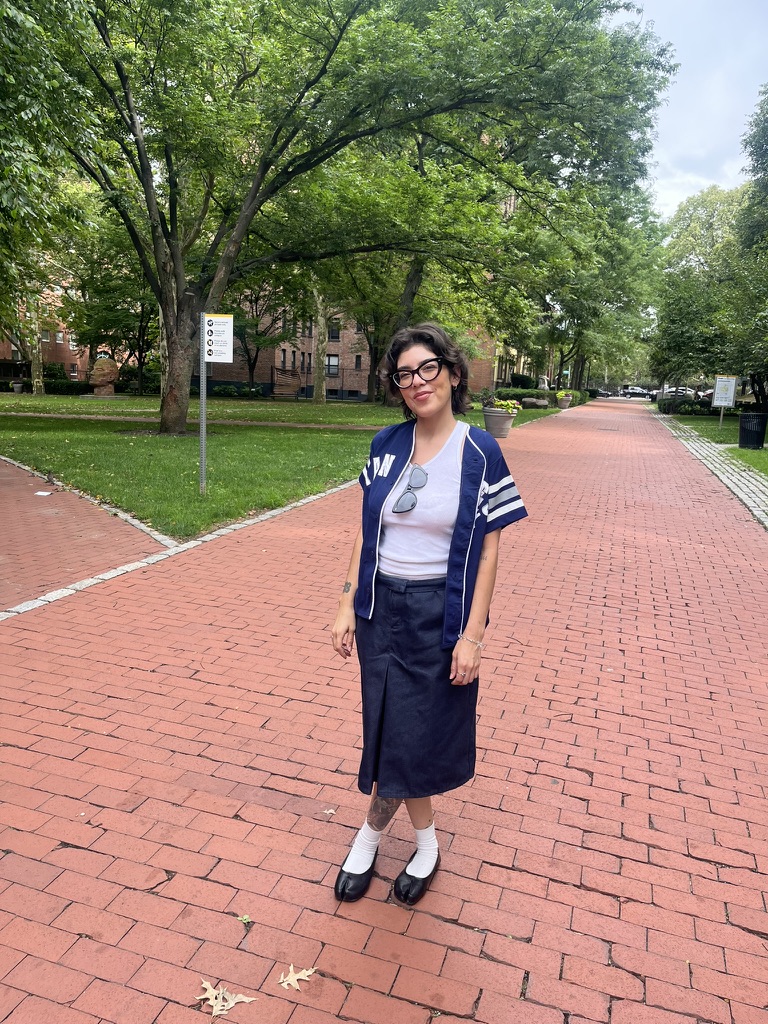
On campus, bonds are formed quickly among the low residency students and faculty. For Jenni Barbosa, MPS Art Therapy and Creativity Development ’29, these new connections have been deeply meaningful. “As a nontraditional student, I appreciate that the program recognizes that students have established lives, careers, and responsibilities while still creating a close-knit learning environment,” she said.
Barbosa, who completed her undergraduate degree at 34 years old, took a winding road to Pratt’s Low Residency program. “For a long time, I wasn’t even sure higher education would ever be part of my future,” she said. “I spent years focused on survival and paying the bills, and education had to take a back seat.”
“It’s never too late to begin again.”
Jenni Barbosa, MPS Art Therapy and Creativity Development ’29
A pivotal moment came when she was working as a caregiver, helping a young woman with severe autism complete her college studio art courses. “Making art with her is where I witnessed firsthand the powerful role creativity can play in communication, emotional regulation, and connection,” said Barbosa.
Her experiences have made her familiar with the uncertainty of starting over. “I know what it’s like to question whether your dreams are still possible after continuous, numerous, and sometimes bleak setbacks. That perspective has become one of my greatest strengths and one of the reasons I’m so passionate about becoming an art therapist.”
She offered advice for people with similar experiences, encouraging them to keep going: “I hope that if someone reads my story who feels like they’ve fallen behind or missed their chance, they’ll see that it’s never too late to begin again. Sometimes the most meaningful paths are the ones that take the longest to find.”