Pratt Institute

Facilities Management

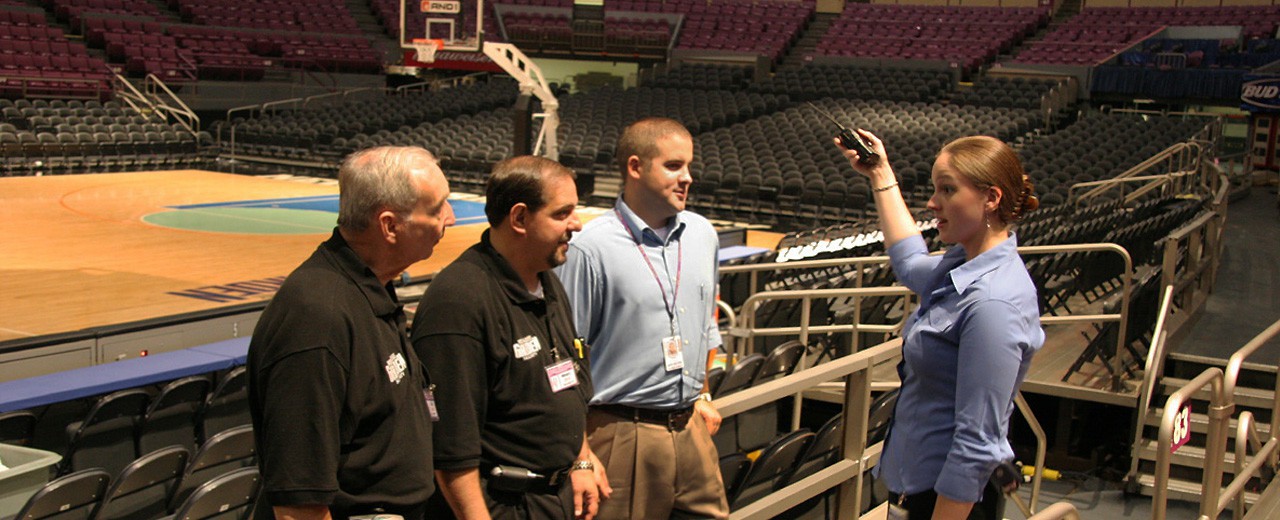
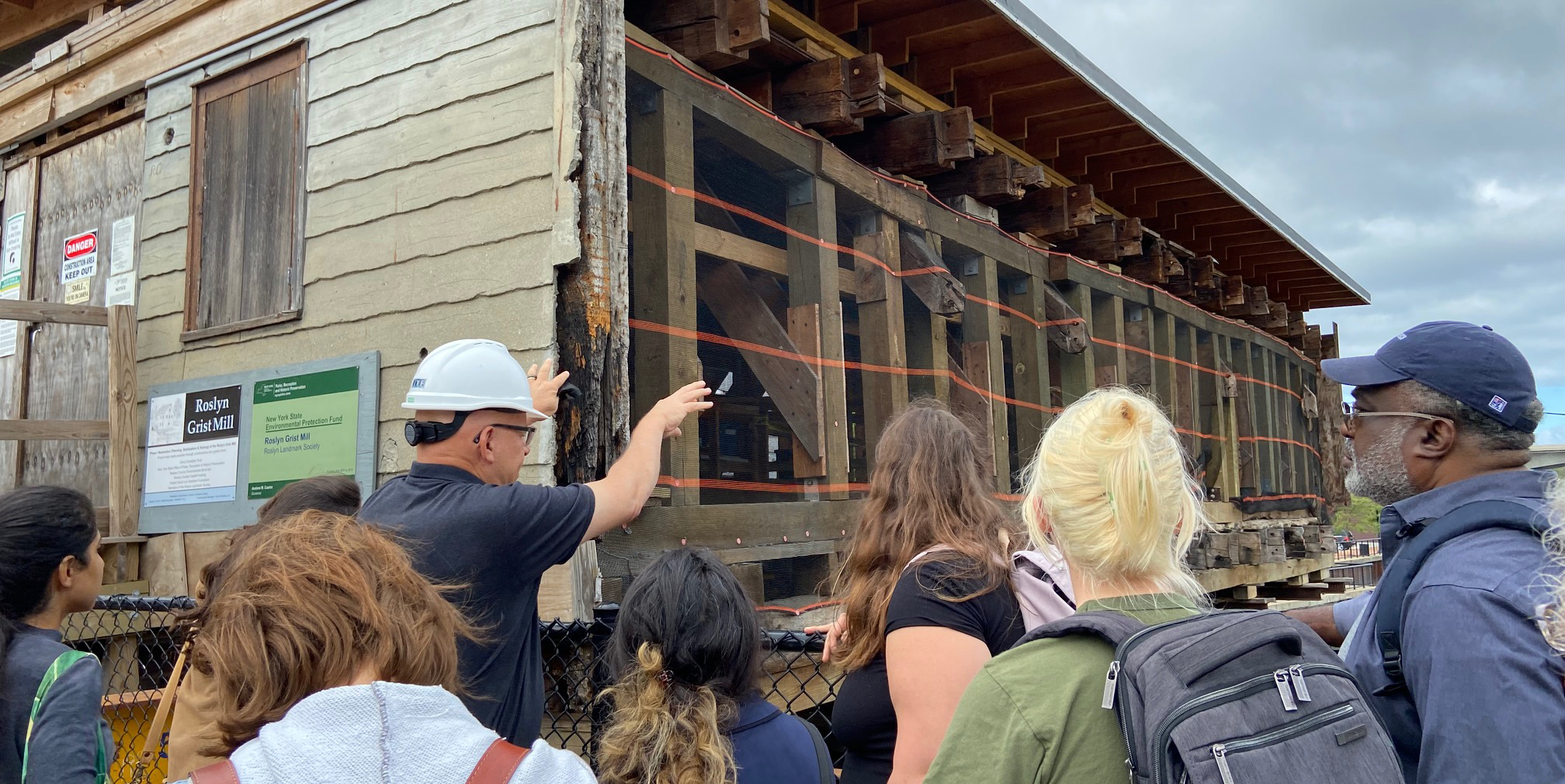
The Facilities Management program's mission is dedicated to effectively preparing graduates as critical and creative thinkers to assume executive leadership responsibilities in the management of facilities, people, projects and contributors to a healthy bottom line.  The program draws on the strength of NYC.  Graduates are capable of appraising equipment as assets, re-engineering space use, managing a quality and productive environment and planning cost-effective investments with knowledge of the global and local issues of contemporary facilities management.  Innovative approaches to emerging technologies, risk management, life cycle studies, sustainable practices, cost effectiveness and ethical values distinguish our alumni as they lead the field's efforts to advance the quality of the built environment.

The Master of Science program in Facilities Management prepares graduates as professionals and problem-solvers to assume executive responsibilities in the management of facilities. These executive responsibilities include assurance of a quality environment, cost-effective capital and operating investments, and the management of facilities and equipment as assets. Pratt's Facilities Management Program teaches innovative approaches to emerging technologies, sustainable practices, and ethical values - which distinguish the Facilities Management Program's alumni as they lead the field's efforts to advance the quality of the built environment. 

Please contact us:

Harriet Markis, Chair

Facilities Management
Pratt Manhattan
144 West 14th Street  4th Floor
New York, NY  10022
212-647-7524
(JavaScript must be enabled to view this email address)


Special Admission Requirements

Undergraduate degrees in business, architecture, interior design, construction management, and engineering fields are considered preferable for admission. Applicants receiving a bachelor's degree in other fields are also eligible but may be required to take noncredit courses in technical subjects prior to registering for required courses.

Applicants for admission to the Master of Science in the Facilities Management program must submit a statement of purpose in essay format (600 words minimum) to support the application for advanced studies. The statement should indicate an awareness of the issues addressed in the Facilities Management program and describe the reasons behind your interest in pursuing this degree.

Request Information on Facilities Management

Apply for Admission On-Line

Admission Interviews

Interviews are recommended and may be scheduled by contacting the department.

  Accredited by IFMA                                                                                                                                                                                   International Facilities Management Association

Facilities management has emerged as a new area of expertise as communities, corporations, and institutions systematically plan for growth and change. 

The facilities management function consists of a distinct set of responsibilities. These include

Strategic planning

Financial forecasting and budgeting

Real estate acquisition and disposal

Architectural and engineering planning and design

Construction management

Maintenance and operations management, and

The integration of new technologies into existing and planned facilities.

Managing these areas of responsibility requires the merging of business skills and technical expertise.  With this paradigm in mind, Pratt provides future facilities managers with the knowledge, skills, and expertise necessary to:

Understand the planning, construction, and operations framework in which facilities are managed at local, regional, national, and international levels, and act as liaison between the owner and professional service agents on building teams.

Synthesize interdisciplinary efforts and act across traditional administrative, planning, and operational boundaries to organize, coordinate, and control diverse facilities and management activities.

Perceive design requirements, their impact on quality of life and environmental issues, and their value in the engineering of facilities.

Analyze facilities needs and develop planning initiatives and effective implementation strategies that are responsive to specific current and projected facilities issues.

Manage the process of facility development to complete projects on schedule and within budget, to a specified standard of quality.

Direct and lead the specialists, consultants, in-house staff; as well as outsourcing organizations that perform specific aspects of the facilities management function.

Coordinate development activities with ongoing operations to minimize disruptions and maintain the continuity of facilities functions and economic viability.

The unique integration of knowledge and skills in management, planning, design, construction, and operations is the primary goal of the Facilities Management Program.

The faculty consists of professionals actively engaged in facilities management in the public and private sectors as well as in the various areas of specialization. This combination of actively practicing faculty and students working in the field brings a dynamic vitality to the program.

<< November 2009 >>
S M T W T F S
1 2 3 4 5 6 7
8 9 10 11 12 13 14
15 16 17 18 19 20 21
22 23 24 25 26 27 28
29 30 1 2 3 4 5

Also In Academics